ثقافة · لارس ليبست
وفاة لارس ليبست عن 70 عامًا، تاركًا تيفولي متجددة ومتحفًا غير مكتمل
منح ليبست حدائق كوبنهاغن التاريخية أسبابًا جديدة لاستقطاب الزوار على مدار العام. ويحظى مشروعه الأخير للمتحف بدعم كبير، لكنه لا يزال بحاجة إلى التمويل الكامل.
كُتب 6 دقيقة قراءة · 37 مصدرًا
الفيديو بلغته الأصلية
مترجم عن الأصل الإنجليزي.
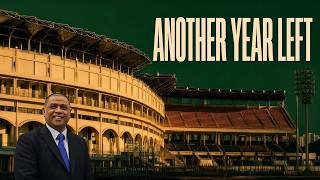
واصلت رسائل التهنئة بعيد الميلاد والزهور الوصول إلى منزل لارس ليبست يوم الاثنين، 23 نوفمبر 2026. وكان قد توفي بسلام أثناء الليل، في عيد ميلاده السبعين. وفي تيفولي، حدائق كوبنهاغن التي أعاد تشكيلها على مدى 24 عامًا، رُفعت الأعلام إلى نصف السارية. وظل آخر مشاريعه الثقافية الكبرى، وهو تحويل محطة طاقة إلى مقر جديد للمتحف الدنماركي للعلوم والتكنولوجيا، غير مكتمل.1
استطلاع القرّاء
ما الأولوية الأولى التي ينبغي أن يحظى بها مشروع المتحف الآن؟
وأكدت زوجته، الراقصة ومصممة الرقص أنيت أبيلغورد، وفاته بعد مرض قصير لوكالة ريتزاو. ولم يُكشف عن طبيعة المرض. وقالت إن التهاني التي وصلت إلى منزلهما في هورشولم عكست قدرته على التواصل مع أشخاص من خلفيات ثقافية مختلفة وفهمه العميق للآخرين. وأنزلت تيفولي الأعلام في قلعة إتش. سي. أندرسن.1
اشترك عمل ليبست في الحدائق ومشروع المتحف المقترح في نزعة واحدة: يمكن لمكان قديم أن يكتسب أغراضًا جديدة من دون أن يفقد التاريخ الذي يجعله جديرًا بالزيارة. وفي تيفولي، اختبرت أجيال من الضيوف هذه الفكرة. أما في سفانيموليفاركت، فما زال تنفيذها مرهونًا بالتمويل والتخطيط واستبدال نظام إمداد الحرارة القائم.
حديقة تاريخية تُستخدم على نحو مختلف
حين تولى ليبست إدارة تيفولي عام 1996، كان عدد الزوار يتراجع. وسجلت الحدائق 2.7 مليون زيارة في ذلك العام. وفي 2019، قبل أن تقطع الجائحة سير العمل، بلغ العدد 4.6 مليون. وهذه أعداد الزيارات السنوية، بما فيها الزيارات المتكررة من الأشخاص أنفسهم، وليست أعداد الزوار الفريدين. وهي تُظهر حجم التغيير خلال فترة قيادته، لا أنها تثبت مقدار مساهمة أي قرار منفرد فيه.1
أثارت بعض ابتكاراته الأكثر شهرة قلق الضيوف التقليديين في البداية. بدأ برنامج حفلات الروك يوم الجمعة، المعروف باسم فريداغسروك، عام 1997؛ وجاء عيد الهالوين عام 2006. وأشرف على افتتاح لعبة هيمّلسكيبيت، ووسّع احتفالات عيد الميلاد في أرجاء الحدائق. وكان عيد الميلاد في تيفولي موجودًا قبله؛ وتمثلت مساهمته في توسيع تقليد قائم لا ابتكاره. وقد وفرت هذه التغييرات مجتمعة للزوار مناسبات أكثر وأسبابًا مختلفة للعودة.1
وقال في بيان مغادرته عام 2019: «تحولت تيفولي خلال فترة عملي من نشاط موسمي إلى نشاط على مدار العام». وكان ذلك وصفًا لتوسيع تقويم العمل، لا ادعاءً بأن كل مرفق كان مفتوحًا كل يوم. وتمثل إنجازه في جعل التجديد جزءًا مما يتوقعه الناس من مكان يرغبون أيضًا في الحفاظ عليه.1
وقالت مورش كوخ، الرئيسة التنفيذية الحالية لتيفولي، إنه ساعد في تشكيل الحدائق التي يعرفها الزوار اليوم. وسلط تأبينها الضوء على الحكم اللازم لإبقاء مؤسسة عريقة نابضة بالحياة:
كان لديه حسٌّ يميّز به التقاليد التي ينبغي الحفاظ عليها، وشجاعة ابتكار تقاليد جديدة.
وقالت إن أعماله لا تزال حية في الحدائق وفي الذكريات التي يحملها أجيال من الزوار معهم إلى منازلهم، وأعربت عن تعازيها لأسرته والمقرّبين منه.1
مسيرة مهنية بدأت خلف الكواليس
بدأ طريق ليبست إلى القيادة في مجال العروض، لا في مسار مهني تقليدي في الشركات. ونشأ في سفيندبورغ، ونظّم حفلات موسيقية شاركت فيها فرقتا غازولين وغناغس وهو لا يزال مراهقًا. وتدرّب على تصميم الإضاءة وإدارة خشبة المسرح في نيويورك بين عامي 1977 و1979، ثم أصبح رئيس قسم في مدرسة المسرح الحكومية في كوبنهاغن عام 1982.12
كما ساعد في تأسيس مسرح غرونّيغورد، الذي قدّمت عروضه كوميديات هولبرغ في باحة متحف الفنون التطبيقية آنذاك. ووصلت أعماله لاحقًا إلى قاعة ركوب الخيل في كريستيانسبورغ، ومنها أوبرا «لولو» لألبان بيرغ. ويذكر موقع ليكس ليبست وكريستيان ستيفنسن وسورين ساتر-لاسن بوصفهم مؤسسين.2
لا يوجد اتفاق كامل على التسلسل الزمني المبكر. فقد أورد نعي وكالة ريتزاو المنشور في 23 نوفمبر على موقع سي أوغ هور مشاركته في تأسيس المسرح عام 1981؛ بينما يؤرخ كل من ليكس والتاريخ الخاص بالمسرح تأسيسه بعام 1982. وتسمّي صفحة أخرى للمسرح إنغه صوفي سكوفبو وستيفنسن وساتر-لاسن مؤسسين. وتثبت هذه الروايات مشاركته، لكنها لا تحدد مجموعة مؤسسين كاملة ومتفقًا عليها.122931
امتدت مسؤولياته في نهاية المطاف إلى الثقافة والإعلام والعقارات. وترأس المجلس الدنماركي للفنون ومجلس إدارة تي في 2 دانمارك. وفي عام 2020، انضم إلى تيشمان سباير مستشارًا أول لاستراتيجيتها في بلدان الشمال الأوروبي، كما قدّم المشورة للحكومة الدنماركية بشأن استئناف السياحة والضيافة بعد الجائحة. وشملت أدواره القيادية الأخرى رويال أرينا في كوبنهاغن ومايزون دو دانمارك في باريس.4
منحته الدنمارك رتبة قائد في وسام دانيبروغ عام 2015. وفي 24 نوفمبر 2020، تسلّم ميدالية إينجينيو إت آرتي الذهبية خلال لقاء خاص في قصر كريستيان التاسع في أمالينبورغ، وهو تكريم نادر يُمنح تقديرًا لإسهامات بارزة في الفن والعلوم.8
محطة الطاقة التي تنتظر حياة جديدة
كان آخر مشاريعه الكبرى محطة سفانيموليفاركت للطاقة، الواقعة في منطقة أوستربرو ونوردهافن في كوبنهاغن. وترأس ليبست كلاً من المتحف الدنماركي للعلوم والتكنولوجيا، الذي يعمل حاليًا في هلسينغور، ومؤسسة البناء والتطوير دي تي إم 4.0، التي تقود مشروع التحويل المقترح. وكان قد انضم إلى مجلس إدارة المتحف في يوليو 2019.2124
كان أكبر التزام ورد في إعلان المشروع الصادر في 9 أبريل 2026 مبلغ 100 مليون كرونة دنماركية من مؤسسة نوفو نورديسك. ويستهدف هذا المبلغ المحتوى والمعارض ومرافق التعلّم والشراكات. كما أشار الإعلان إلى استثمار 10 ملايين كرونة لاختبار أساليب العرض والتعاون في متحف هلسينغور القائم. وهذا المبلغ المخصص للاختبار ليس منحة إضافية تُضاف إلى مبلغ 100 مليون.22
بلغت الميزانية الإجمالية المخططة 1.1 مليار كرونة بأسعار عام 2023، ولم تكن تكلفة نهائية. وقدّر داعمو المشروع أن الحضور قد يتجاوز 300,000 زيارة سنويًا، وهو طموح لا طلب مرصود أو نتيجة مضمونة. وتتولى المؤسسة إعادة تطوير المبنى؛ أما المتحف فيطوّر المحتوى وبيئات التعلّم والشراكات التي يُراد أن تملأه.2224
شمل الدعم السابق أكثر من 20 مليون كرونة من مؤسسة آغه ويوهانه لويس-هانسن، وأكثر من 5 ملايين من مؤسسة إندستريينز فوند خلال السنوات السبع التي سبقت إعلان ديسمبر 2025. واستمر الدعم الحكومي أيضًا: فقد أشار إعلان ذلك الشهر إلى 20 مليون كرونة في قانون المالية لعام 2026، بينما أورد وصف أبريل 2026 مبلغ 40 مليونًا من تمويل الدولة للتطوير. ولا يمكن جمع الرقمين الحكوميين بأمان؛ فالوثائق لا تثبت أنهما مبالغان منفصلان غير متداخلين.2422
لم يعتمد الجدول الزمني على جمع التمويل وحده. فقبل أن يشغل متحف المحطة، يجب أن يتوقف إنتاجها للحرارة باستخدام الوقود الأحفوري. وكانت هوفور قد بدأت التخطيط لمركز طاقة بديل يضم مضخات حرارية تعمل بمياه البحر، بمشاركة بلدية كوبنهاغن وشركة بي أند هافن في التخطيط الأوسع.24
في ديسمبر 2025، تصوّر المخططون احتمال تنظيم مسابقة معمارية في 2026 واعتماد مخطط محلي نهائي في ربيع 2027. ولأن إنهاء إنتاج الحرارة استغرق وقتًا أطول من المتوقع في البداية، انتقلت متطلبات تمويل البناء إلى عام 2028. وكان متوقعًا نقل المحطة بعد توقف إنتاج الحرارة، قرابة نهاية 2029 أو مطلع 2030. كانت هذه توقعات تخطيطية مشروطة، وليست تأكيدًا على أن المراحل الوسيطة قد أُنجزت منذ ذلك الحين.24
يترك ليبست إرثين مختلفين: تغييرات يختبرها الناس بالفعل في تيفولي، ومتحفًا لا يزال على أوصيائه المقبلين تحويل الالتزامات إلى مكان مكتمل. وقد حصل مشروع محطة الطاقة على دعم كبير خلال فترة رئاسته. لكنه لم يكتسب اليقين. ويُظهر عمله في تيفولي ما يمكن أن يصبح عليه التجديد؛ أما سفانيموليفاركت فما زالت الاختبار غير المكتمل.
المصادر23

قُرئت 12 مادة أقدم للاطلاع على الخلفية.10 وسائل إعلامية بلا تاريخ:
جميع المصادر حسب الوسيلة الإعلامية
37 مصدرًا من 23 وسيلة إعلام· الأكثر استشهادًا أولًا
Grønnegårds Teatretgroennegaard.dk5
Politiken - Den levende avispolitiken.dk3
wikipedia.orgالأول3
Danmarks Tekniske Museum Svanemølleværketdtm4.dk2
Exaexa.ai2
Jyllandspostenjyllands-posten.dk2
Lexlex.dk2
- أول نقل
- Lars Liebst
- Grønnegårds Teatret
tivoli.dk2
Berlingskeberlingske.dk1
blooloopblooloop.com1
كما بُثّ
- Lars Liebst died on his seventieth birthday. He reshaped Tivoli over twenty-four years and leaves a national museum project unfinished. Its backers have committed millions, but still need full financing. How far had he brought his final project?
- Liebst died peacefully during the night into Monday, November twenty-third, after a short illness. His wife, dancer and choreographer Anette Abildgaard, confirmed his death. Through Monday, birthday letters, congratulations and flowers continued arriving at their home in Hørsholm.
- Tivoli lowered the flags at H.C. Andersen Slottet to half-mast. Abildgaard said the messages arriving at home reflected her husband's ability to connect people across cultural backgrounds, and his deep understanding of others.
- Liebst took charge of Tivoli in 1996, when attendance was falling. Over the following years, concerts and seasonal celebrations gave people more reasons to return to Copenhagen's historic gardens. The attendance figures show how much the business changed during his leadership.
- Tivoli recorded 2.7 million visits in 1996. In 2019, before the pandemic disrupted its business, it recorded 4.6 million. Those annual totals count visits, including repeat visits by the same people.
- Fredagsrock, the Friday rock-concert programme, began in 1997. Halloween followed in 2006. Some traditional visitors were initially sceptical of both. Liebst also oversaw the opening of Himmelskibet, adding another major ride while widening what a visit to Tivoli could involve.
- Christmas celebrations spread across the gardens under his leadership. Christmas at Tivoli had begun before he arrived, and he enlarged that tradition. Alongside concerts and Halloween, it helped the business reach beyond its older seasonal pattern.
- Liebst described that change when his departure was announced in 2019. His words captured a business built around more occasions throughout the year, while retaining the identity that long-standing visitors valued.
- Liebst said, “During my time, Tivoli has gone from a seasonal business to a year-round business.” The expanded seasons made the gardens a destination for different kinds of visits across the year.
- His leadership continued into 2020. The succession announcement came in December 2019, and the handover followed the next year. He had led Tivoli since 1996, giving him roughly twenty-four years at the helm.
- Tivoli named Susanne Mørch Koch as his successor on March fifth, 2020. Her arrival was scheduled for no later than September first. She remains Tivoli's chief executive and paid tribute to the balance he struck between preservation and renewal.
- Mørch Koch said Liebst helped shape the Tivoli visitors know today. She said his work lives on in the gardens and in generations of visitors' memories, and expressed sympathy for his family and those closest to him.
- Mørch Koch said, “He had an eye for which traditions we should preserve, and the courage to create new ones.” That combination ran through a career that began backstage, long before he entered Tivoli's executive office.
- Born in Odense and raised in Svendborg, Liebst arranged concerts involving Gasolin and Gnags while still a teenager. He trained as a lighting designer and stage manager in New York between 1977 and 1979. In 1982, he became a department head at Copenhagen's state theatre school.
- He also helped establish Grønnegårds Teatret, working with Christian Steffensen and Søren Sætter-Lassen. The company staged Holberg comedies in the courtyard of the then Kunstindustrimuseum. Later productions reached Christiansborg's riding hall, including Alban Berg's opera Lulu.
- His responsibilities eventually stretched across cultural institutions and business. He chaired the Danish Arts Council and TV 2 Danmark's board. Other roles included Royal Arena in Copenhagen and Maison du Danemark in Paris.
- In 2020, Liebst joined property company Tishman Speyer as a senior adviser on its Nordic strategy. He also advised the Danish government on restarting tourism and hospitality after the pandemic disrupted those industries.
- Denmark honoured him as a Commander of the Order of the Dannebrog in 2015. Five years later, he received the gold Ingenio et arti medal, a rarely awarded distinction recognising prominent contributions to art and science.
- Liebst received the medal on November twenty-fourth, 2020, during a private audience at Christian IX's Palace at Amalienborg. By then, another major cultural transformation was taking shape around a Copenhagen power station.
- Subscribe to this channel as we follow what happens to the museum project he leaves behind.
- Svanemølleværket was to become a new home for the Danish Museum of Science and Technology. The power station stands in Copenhagen's Østerbro and Nordhavn area. The museum currently operates in Helsingør, while the proposed conversion remains unfinished.
- Liebst chaired both the museum and DTM 4.0, the building and development foundation leading the conversion. He had joined the museum's board in July 2019. During his involvement, the project gained substantial commitments for its development and future exhibitions.
- The Novo Nordisk Foundation committed 100 million Danish kroner in April 2026. The support targets museum content, exhibitions, learning facilities and partnerships, helping develop what visitors would encounter inside the converted power station.
- The project also described 10 million kroner being invested in testing new ways to explain technology and build partnerships at the existing Helsingør museum. That work is intended to help develop the future institution's exhibitions and learning environments.
- The 2026 finance law provided 20 million kroner, continuing state development support dating to 2022. The April project description listed 40 million kroner in state development funding. Those figures may overlap, so they can't simply be added together.
- Earlier support included more than 20 million kroner from the Aage and Johanne Louis-Hansen Foundation. Industriens Fond contributed more than five million over the preceding seven years. Those commitments helped bring the proposal through its development stages.
- The planned overall budget was 1.1 billion kroner, measured at 2023 prices. The project estimated potential attendance above 300,000 visits a year. Reaching that ambition still requires further funding and the physical transformation of the building.
- The building foundation handles the power station's redevelopment. The museum develops the content, learning environments and partnerships. Its aim is to bring technological history together with questions about energy, digitalisation and the technologies shaping everyday life.
- In December 2025, planners envisaged a possible architectural competition in 2026 and final adoption of a local plan in spring 2027. They moved construction-funding requirements to 2028 because ending the station's heat production was taking longer than first expected.
- The project had reached major funding commitments and an agreement covering the building's eventual transfer. Full financing and completion were still ahead when Liebst died. Converting the station also depends on replacing its fossil-fuel heat production.
- HOFOR had begun planning a replacement energy centre incorporating seawater heat pumps. Copenhagen Municipality and By & Havn were also involved in the wider planning, linking the museum proposal to changes in the area's energy supply.
- The building foundation agreed transfer terms with Ørsted. The handover would follow the end of heat production, which planners expected around the turn of 2029 to 2030.
حُدّثت الترجمة في
النقاش
المنشورات هنا تخص «Lars Liebst’s death» وتظهر في كل تقرير عنها.