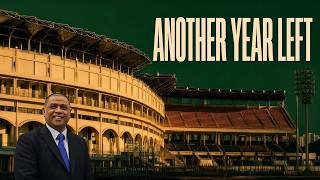
Culture · Lars Liebst
Lars Liebst dies at 70, leaving a renewed Tivoli and an unfinished museum
He gave Copenhagen’s historic gardens new reasons to draw visitors across the year. His final museum project has substantial backing—but still needs full financing.
Written 6 min read · 37 sources
Birthday letters and flowers kept arriving at Lars Liebst’s home on Monday, November 23, 2026. He had died peacefully during the night, on his 70th birthday. At Tivoli, the Copenhagen gardens he reshaped over 24 years, flags flew at half-mast. His last major cultural undertaking—a power station’s conversion into a new home for the Danish Museum of Science and Technology—remained unfinished.1
Readers’ poll
What should be the museum project's first priority now?
His wife, dancer and choreographer Anette Abildgaard, confirmed his death after a short illness to Ritzau. The nature of the illness has not been disclosed. She said the greetings reaching their home in Hørsholm reflected his ability to connect people across cultural backgrounds and his deep understanding of others. Tivoli lowered the flags at H.C. Andersen Slottet.1
Liebst’s work at the gardens and the proposed museum shared an instinct: an old place could acquire new purposes without losing the history that made it worth visiting. At Tivoli, that proposition had been tested by generations of guests. At Svanemølleværket, it still depended on financing, planning and the replacement of a working heat supply.
A historic garden, used differently
When Liebst took charge of Tivoli in 1996, attendance was falling. The gardens recorded 2.7 million visits that year. In 2019, before the pandemic interrupted the business, the figure was 4.6 million. Those are annual visits, including repeat entries by the same people, not counts of unique visitors. They show the scale of the change during his leadership, rather than proving how much any single decision contributed.1
Some of his most recognisable innovations initially unsettled traditional guests. Fredagsrock, the Friday rock-concert programme, began in 1997; Halloween followed in 2006. He oversaw the opening of the Himmelskibet ride and expanded Christmas celebrations across the gardens. Christmas at Tivoli predated him: his contribution was to enlarge an existing tradition, not invent it. Together, these changes gave visitors more occasions—and different reasons—to return.1
“During my time, Tivoli has gone from a seasonal business to a year-round business,” he said in a 2019 departure statement. It was a description of a broader business calendar, not a claim that every attraction opened every day. His achievement was to make renewal part of what people expected from a place they also wanted preserved.1
His leadership continued into 2020. Tivoli announced the succession process in December 2019, then named Susanne Mørch Koch as his replacement in March 2020. The company said she would join no later than September 1; that announcement did not establish her exact starting day. Liebst’s tenure ran from 1996 to 2020, roughly 24 years.13154
Mørch Koch, now Tivoli’s chief executive, said he helped shape the gardens visitors know today. Her tribute identified the judgement required to keep an old institution alive:
He had an eye for which traditions we should preserve, and the courage to create new ones.
She said his work lives on in the gardens and in the memories generations of visitors take home, and expressed sympathy for his family and those closest to him.1
A career that began backstage
Liebst’s route into leadership began in performance, not a conventional corporate career. Raised in Svendborg, he arranged concerts involving Gasolin and Gnags while still a teenager. He trained as a lighting designer and stage manager in New York between 1977 and 1979, then became a department head at Copenhagen’s state theatre school in 1982.12
He also helped establish Grønnegårds Teatret, whose productions brought Holberg comedies into the courtyard of the then Kunstindustrimuseum. Later work reached Christiansborg’s riding hall, including Alban Berg’s opera Lulu. Lex identifies Liebst, Christian Steffensen and Søren Sætter-Lassen as founders.2
The early chronology is not fully agreed. Ritzau’s November 23 obituary, published by SE og HØR, places his involvement in founding the theatre in 1981; Lex and the theatre’s own history date its founding to 1982. A separate theatre page names Inge Sofie Skovbo, Steffensen and Sætter-Lassen as founders. These accounts establish his involvement, but not a complete, agreed founding group.122931
His responsibilities eventually extended across culture, media and property. He chaired the Danish Arts Council and TV 2 Danmark’s board. In 2020, he joined Tishman Speyer as a senior adviser on its Nordic strategy and also advised the Danish government on restarting tourism and hospitality after the pandemic. Other leadership roles included Royal Arena in Copenhagen and Maison du Danemark in Paris.4
Denmark made him a Commander of the Order of the Dannebrog in 2015. On November 24, 2020, he received the gold Ingenio et arti medal during a private audience at Christian IX’s Palace at Amalienborg—a rarely awarded distinction recognising prominent contributions to art and science.8
The power station awaiting another life
His final major undertaking was Svanemølleværket, the power station in Copenhagen’s Østerbro and Nordhavn area. Liebst chaired both the Danish Museum of Science and Technology, which currently operates in Helsingør, and the building and development foundation DTM 4.0, which leads the proposed conversion. He had joined the museum’s board in July 2019.2124
The largest commitment described in the project’s April 9, 2026 announcement was 100 million Danish kroner from the Novo Nordisk Foundation. It targets content, exhibitions, learning facilities and partnerships. The announcement also described 10 million kroner being invested in testing interpretation and collaboration formats at the existing Helsingør museum. That testing sum is not an additional grant to add to the 100 million.22
The planned overall budget was 1.1 billion kroner at 2023 prices, not a final cost. Project backers estimated potential attendance above 300,000 visits annually—an ambition, not observed demand or a guaranteed result. The foundation handles the building’s redevelopment; the museum develops the content, learning environments and partnerships intended to fill it.2224
Earlier support included more than 20 million kroner from the Aage and Johanne Louis-Hansen Foundation and more than 5 million from Industriens Fond over the seven years preceding the December 2025 announcement. State support also continued: that announcement identified 20 million kroner in the 2026 finance law, while the April 2026 description listed 40 million in state development funding. Those state figures cannot safely be added together; the documents do not establish that they are separate, non-overlapping sums.2422
The timetable depended on more than fundraising. Before a museum can occupy the station, its fossil-fuel heat production must end. HOFOR had begun planning a replacement energy centre incorporating seawater heat pumps, with Copenhagen Municipality and By & Havn also involved in the wider planning.24
In December 2025, planners envisaged a possible architectural competition in 2026 and final adoption of a local plan in spring 2027. Because ending heat production was taking longer than initially expected, construction-funding requirements had shifted to 2028. Transfer of the station was expected after heat production ceased, around the turn of 2029–2030. These were conditional planning expectations, not confirmation that the intervening milestones have since been reached.24
Liebst therefore leaves two different kinds of legacy: changes people already experience at Tivoli, and a museum whose next custodians still have to turn commitments into a completed place. The power-station project had acquired substantial backing under his chairmanship. What it had not acquired was certainty. His work at Tivoli shows what renewal can become; Svanemølleværket remains the unfinished test.
Sources23

12 older pieces read for background.10 outlets with no date:
Every source, by outlet
37 sources from 23 outlets· Most cited first
Grønnegårds Teatretgroennegaard.dk5
Politiken - Den levende avispolitiken.dk3
wikipedia.orgFirst3
- First reported
- Lars Liebst
- Grønnegårds Teatret
- Søren Sætter-Lassen
Danmarks Tekniske Museum Svanemølleværketdtm4.dk2
Exaexa.ai2
Jyllandspostenjyllands-posten.dk2
Lexlex.dk2
- First reported
- Lars Liebst
- Grønnegårds Teatret
tivoli.dk2
Berlingskeberlingske.dk1
blooloopblooloop.com1
- First reported
- Tivoli appoints Susanne Mørch Koch as new CEO
As aired
- Lars Liebst died on his seventieth birthday. He reshaped Tivoli over twenty-four years and leaves a national museum project unfinished. Its backers have committed millions, but still need full financing. How far had he brought his final project?
- Liebst died peacefully during the night into Monday, November twenty-third, after a short illness. His wife, dancer and choreographer Anette Abildgaard, confirmed his death. Through Monday, birthday letters, congratulations and flowers continued arriving at their home in Hørsholm.
- Tivoli lowered the flags at H.C. Andersen Slottet to half-mast. Abildgaard said the messages arriving at home reflected her husband's ability to connect people across cultural backgrounds, and his deep understanding of others.
- Liebst took charge of Tivoli in 1996, when attendance was falling. Over the following years, concerts and seasonal celebrations gave people more reasons to return to Copenhagen's historic gardens. The attendance figures show how much the business changed during his leadership.
- Tivoli recorded 2.7 million visits in 1996. In 2019, before the pandemic disrupted its business, it recorded 4.6 million. Those annual totals count visits, including repeat visits by the same people.
- Fredagsrock, the Friday rock-concert programme, began in 1997. Halloween followed in 2006. Some traditional visitors were initially sceptical of both. Liebst also oversaw the opening of Himmelskibet, adding another major ride while widening what a visit to Tivoli could involve.
- Christmas celebrations spread across the gardens under his leadership. Christmas at Tivoli had begun before he arrived, and he enlarged that tradition. Alongside concerts and Halloween, it helped the business reach beyond its older seasonal pattern.
- Liebst described that change when his departure was announced in 2019. His words captured a business built around more occasions throughout the year, while retaining the identity that long-standing visitors valued.
- Liebst said, “During my time, Tivoli has gone from a seasonal business to a year-round business.” The expanded seasons made the gardens a destination for different kinds of visits across the year.
- His leadership continued into 2020. The succession announcement came in December 2019, and the handover followed the next year. He had led Tivoli since 1996, giving him roughly twenty-four years at the helm.
- Tivoli named Susanne Mørch Koch as his successor on March fifth, 2020. Her arrival was scheduled for no later than September first. She remains Tivoli's chief executive and paid tribute to the balance he struck between preservation and renewal.
- Mørch Koch said Liebst helped shape the Tivoli visitors know today. She said his work lives on in the gardens and in generations of visitors' memories, and expressed sympathy for his family and those closest to him.
- Mørch Koch said, “He had an eye for which traditions we should preserve, and the courage to create new ones.” That combination ran through a career that began backstage, long before he entered Tivoli's executive office.
- Born in Odense and raised in Svendborg, Liebst arranged concerts involving Gasolin and Gnags while still a teenager. He trained as a lighting designer and stage manager in New York between 1977 and 1979. In 1982, he became a department head at Copenhagen's state theatre school.
- He also helped establish Grønnegårds Teatret, working with Christian Steffensen and Søren Sætter-Lassen. The company staged Holberg comedies in the courtyard of the then Kunstindustrimuseum. Later productions reached Christiansborg's riding hall, including Alban Berg's opera Lulu.
- His responsibilities eventually stretched across cultural institutions and business. He chaired the Danish Arts Council and TV 2 Danmark's board. Other roles included Royal Arena in Copenhagen and Maison du Danemark in Paris.
- In 2020, Liebst joined property company Tishman Speyer as a senior adviser on its Nordic strategy. He also advised the Danish government on restarting tourism and hospitality after the pandemic disrupted those industries.
- Denmark honoured him as a Commander of the Order of the Dannebrog in 2015. Five years later, he received the gold Ingenio et arti medal, a rarely awarded distinction recognising prominent contributions to art and science.
- Liebst received the medal on November twenty-fourth, 2020, during a private audience at Christian IX's Palace at Amalienborg. By then, another major cultural transformation was taking shape around a Copenhagen power station.
- Subscribe to this channel as we follow what happens to the museum project he leaves behind.
- Svanemølleværket was to become a new home for the Danish Museum of Science and Technology. The power station stands in Copenhagen's Østerbro and Nordhavn area. The museum currently operates in Helsingør, while the proposed conversion remains unfinished.
- Liebst chaired both the museum and DTM 4.0, the building and development foundation leading the conversion. He had joined the museum's board in July 2019. During his involvement, the project gained substantial commitments for its development and future exhibitions.
- The Novo Nordisk Foundation committed 100 million Danish kroner in April 2026. The support targets museum content, exhibitions, learning facilities and partnerships, helping develop what visitors would encounter inside the converted power station.
- The project also described 10 million kroner being invested in testing new ways to explain technology and build partnerships at the existing Helsingør museum. That work is intended to help develop the future institution's exhibitions and learning environments.
- The 2026 finance law provided 20 million kroner, continuing state development support dating to 2022. The April project description listed 40 million kroner in state development funding. Those figures may overlap, so they can't simply be added together.
- Earlier support included more than 20 million kroner from the Aage and Johanne Louis-Hansen Foundation. Industriens Fond contributed more than five million over the preceding seven years. Those commitments helped bring the proposal through its development stages.
- The planned overall budget was 1.1 billion kroner, measured at 2023 prices. The project estimated potential attendance above 300,000 visits a year. Reaching that ambition still requires further funding and the physical transformation of the building.
- The building foundation handles the power station's redevelopment. The museum develops the content, learning environments and partnerships. Its aim is to bring technological history together with questions about energy, digitalisation and the technologies shaping everyday life.
- In December 2025, planners envisaged a possible architectural competition in 2026 and final adoption of a local plan in spring 2027. They moved construction-funding requirements to 2028 because ending the station's heat production was taking longer than first expected.
- The project had reached major funding commitments and an agreement covering the building's eventual transfer. Full financing and completion were still ahead when Liebst died. Converting the station also depends on replacing its fossil-fuel heat production.
- HOFOR had begun planning a replacement energy centre incorporating seawater heat pumps. Copenhagen Municipality and By & Havn were also involved in the wider planning, linking the museum proposal to changes in the area's energy supply.
- The building foundation agreed transfer terms with Ørsted. The handover would follow the end of heat production, which planners expected around the turn of 2029 to 2030.
Discussion
Posts here belong to “Lars Liebst’s death” and appear on every report of it.