司法 · カルガリーのバス安全
カルガリー、天然ガスバス347台を維持 死亡事故を受け安全性を見直し
衝突によってバスの天然ガスタンクに引火し、乗客3人が死亡した。カルガリー・トランジットはCNG車両群を運用から外さずに運用を見直しているが、衝突と引火の原因は依然として分かっていない。
原語の動画
文字起こし · 読み込み中
英語の原文から翻訳されています。
ニュースの経過3日目
1 件のレポート15 社のメディア21 件の情報源3 本の動画
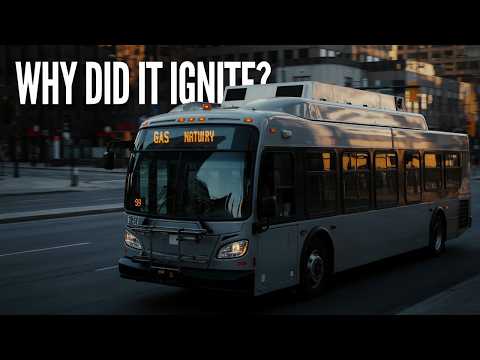
2台目のバスの天然ガスタンクに引火し、爆発と大規模な火災が発生した。カルガリーでの衝突事故で死亡した3人はいずれも、そのバスの乗客だった。捜査当局はタンクが燃えたことを把握しているが、その原因はまだ特定していない。2 3
カルガリー・トランジットは圧縮天然ガス(CNG)車両の運用を見直すが、捜査中にその車両群を運用から外すことはない。CTVニュースが報じた声明で、同局は347台のCNGバスを捜査中も車両群に残すと述べた。見直しでは、乗客と運転手のために追加の安全対策が必要かどうかを判断する。1 2
その結果、発表された対応と、なお必要とされる答えの間には、重大な隔たりが残る。見直しは安全性を検討するという約束であり、すでに導入された新たな保護策ではない。バスを運用可能な状態に保つことは運行上の判断であり、このバスが燃えた理由について調査結果が出たわけではない。
2台のバス、未解明の原因が2つ
衝突事故は2026年10月15日木曜日、現地時間午後1:10ごろ、サドルタウン・サークルN.E.の800ブロックで発生した。カルガリー・トランジットのバスは北行きだった。警察の記録では、現場への出動は午後1:11ごろとなっている。これは出動時刻であり、衝突発生時刻について別の説明をしているわけではない。4 7
CTVによると、市営バス2台とトラックを含む8台の車両が関与した。1台目のバスはディーゼル車で、2台目は圧縮天然ガスを燃料としていた。CBCが報じた衝突の経過によれば、1台目のバスがトラックに衝突し、その後、2台目の路線バスにも衝突した。2台目のバスのタンクに引火した。1台目のバスの運転手は、命に関わる後遺症が残る負傷を負った。1 3
火災によって混同されがちな、衝突の連鎖を引き起こしたものは何か、そしてその後、2台目のバスの燃料系統に引火したのは何かという2つの疑問を区別するうえで、この経過は重要だ。警察は、速度超過、薬物・アルコールの影響、注意散漫、または急病が最初の衝突に関与したかどうかを特定していない。これらは捜査対象となっている可能性であり、運転手に対する認定事実ではない。1
天然ガスタンクに引火したことが確認されても、タンクの欠陥、接続部の破損、設計上の欠陥があったとは立証されない。また、燃料系統が最初の衝突を引き起こしたことを示すものでもない。引火によって、捜査当局が調べるべき特定の系統は明らかになったが、衝突や火災の状況下でその系統がどのように作動したかを、それだけで説明するものではない。2 3
CBCのインタビュー資料でケン・ウェスト火災調査会社の関係者として紹介された火災調査員のケビン・ウェディックは、火が急速に燃え広がったように見えたと述べた。この観察は、技術的な再現調査が完了したことを意味しない。調査では燃料ライン、バスの設計、整備記録、車両に最近行われた作業の有無を検証する必要がある。燃料ラインの接続についての同氏の説明は、故障の仕組みが立証されたことを意味しない。3
交通労組は、引火の原因を突き止めることが乗客と運転手の安全にとって極めて重要だと強調している。これは最初の衝突の原因を解明することとは別の作業であり、一方の答えがもう一方も必ず解決するとは限らない。2
犠牲者数の集計はまだ確定していない
各報道は、乗客3人が死亡した点では一致している。負傷者数については、見解が定まっていない。CBCとCTVは負傷者16人と報じ、カナディアン・プレスも同じ人数を報じた。同社の10月16日の記事は、負傷した警察官1人を明示的に含めている。一方、AP通信は10月15日に負傷者19人と報じ、Peopleも10月16日に19人と伝えた。これらの集計の違いを説明したり、訂正したりする根拠のある情報はなく、集計方法の違いが原因だとするのは時期尚早だ。1 3 18 10 17
10月15日に出された警察の最初の発表は、少なくとも10人が負傷したとしていた。別途、命に関わる後遺症が残る負傷者1人、重傷者1人、軽傷を負った警察官1人について説明していた。これらの説明を、初期の負傷者数に追加の犠牲者として加算することはできない。いずれも初期段階の情報であり、最終的な集計ではなかった。7
10月16日の警察発表は、交通課が捜査を続ける中、死者が3人であることを確認した。更新情報では、死亡した3人目の乗客の身元が確認され、近親者に通知したとされた。確認されたのは身元であり、乗客の氏名が公表されたわけではない。4
見直しで何が変わるのか——現時点では
カルガリー・トランジットによると、バスには定期的な整備と安全点検が実施されている。これらの点検は事故前から同局の運用に組み込まれていた。発表された見直しは、追加対策が必要かどうかを判断することを目的としている。現在の発表からは、車両群全体を対象とする新たな点検要件、運行制限、乗客の安全手順は確認できない。1 2 6
車両数も、情報の出所を明確にする必要がある。347台という数字は、CTVが報じた同局の声明に基づく。一方、カルガリー・トランジットの公開日が記載されていないCNG関連ページには、40フィートの天然ガスバスが246台で、車両全体の約20%を占めると記されており、2027年までにCNG車両が約399台になるとの見通しも示されている。同ページの車両数がいつ時点のものか分からないため、事故当時の車両数や構成比を示す根拠にはならない。399台は予測であり、達成済みの台数ではない。1 13
ウェディックが以前のインタビューで示した天然ガスバス70台以上という推定は、あくまで暫定的なもので、入手可能なデータとの照合が必要だと明記されていた。より具体的な後の同局の発表に取って代わる数字として扱うべきではない。これらの数字のいずれからも、衝突事故発生時に何台のCNGバスが同時に乗客を乗せていたかは分からない。3 1
不明な点
- 衝突の発端となった原因と、燃料系統が引火した仕組みは、いずれも未解明だ。捜査や運用の見直しの完了時期は発表されていない。
今後の展開
- 見直しが続いているという説明を繰り返すだけでなく、引火の技術的な説明と、追加の保護策に関する具体的な決定が示されるかに注目したい。
そのため、乗客と運転手にとって、当面の状況は、設備の利用可能性に変化がない一方、安全上の疑問は解明されていないというものだ。見直しの意義は、何が起きたのかを明らかにし、得られた教訓を具体的な保護策に反映できるかどうかにかかっている。火災が起きたことだけでも、車両群を運用し続ける決定だけでも、その答えにはならない。
放送時の内容 16行
- Three passengers died after a collision ignited a transit bus's natural-gas tanks. Calgary Transit is reviewing safety while keeping its natural-gas buses in the fleet. Passengers and drivers are waiting to learn what caused the ignition and whether that review will bring new protections.
- Calgary Transit says its 347 compressed-natural-gas buses will remain in the fleet during the investigation. The agency's review will examine its operations and decide whether additional safety measures are needed for passengers and drivers.
- The agency says its buses receive regular maintenance and safety checks. Those checks were already part of its operations before the crash. The review could lead to further measures, but Calgary Transit hasn't announced a new fleet-wide safety requirement.
- The collision happened in the 800 block of Saddletowne Circle Northeast in Calgary. A city bus was travelling northbound at about one-ten in the afternoon on Thursday, October fifteenth. Police responded shortly afterward.
- The collision reportedly involved eight vehicles, including two city buses and a truck. The two buses used different fuels, and their roles in the chain of events are central to the investigation.
- The diesel-powered bus struck a truck, then struck a second transit bus. That second bus used compressed natural gas. Its tanks ignited, producing an explosion and a large fire. All three people killed were passengers aboard that second bus.
- Police are investigating whether speed, impairment, distraction or a medical emergency contributed to the first collision. They also need to determine why the second bus's fuel system ignited. Finding the cause of the collision and finding the ignition mechanism will require separate work.
- The first bus's driver suffered life-altering injuries. The injury toll ranges from sixteen to nineteen, and nobody has explained the difference. The total of sixteen includes an injured police officer.
- Police initially counted at least ten injured on October fifteenth. Their early descriptions included one person with serious injuries and an officer with minor injuries. Those were preliminary figures as emergency crews dealt with the aftermath.
- Police later confirmed that the third passenger who died had been identified and their next of kin notified. The Traffic Section continued investigating the collision after confirming the three fatalities.
- The tank ignition gives investigators a specific part of the bus to examine. They'll need to work through how the fuel system behaved during the collision and fire, including whether the bus's design or condition contributed.
- Fire investigator Kevin Wedick, of Ken West Fire Investigations, said the fire appeared to spread rapidly. Investigators will need to examine the fuel lines and bus design, along with maintenance records and any recent work on the vehicle.
- Wedick's observation describes how the fire appeared to develop. A technical reconstruction still has to explain what happened inside the fuel system. The transit union says finding the reason for the ignition is critical to passenger and driver safety.
- Calgary Transit's latest statement gives 347 natural-gas buses. Its undated website lists 246 forty-foot natural-gas buses and projects about 399 by 2027. Without a date for the website's count, those figures can't tell us how the fleet changed.
- That webpage also puts natural-gas buses at about twenty percent of the fleet, but its undated figures don't establish today's share. Wedick's earlier estimate of at least seventy buses was expressly tentative. The agency's later statement supplies the more specific fleet count.
- Calgary Transit is keeping the buses available while it reviews whether more protection is needed. Police still have to explain the first collision, and investigators still have to explain the tank ignition. No completion date has been announced for either investigation or the operational review.
情報源
21 件の情報源15 社のメディア3 本の動画
Police respond to serious bus firecalgary.ca2最初
calgarytransit.com1
Canada News Mediacanadanewsmedia.ca1
CBC News1動画1本
CTV News1動画1本
Global News1動画1本
L’actualitélactualite.com1
People.compeople.com1
Western Standardwesternstandard.news1
情報源マップ
この報道の根拠をたどります。マップで情報のつながりを確認し、下のリンクから記事で引用された情報源を開けます。
記事を読む間に情報源マップを読み込みます。
翻訳更新:
改訂履歴
- r1初公開。