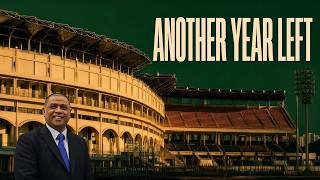
文化 · ラーズ・リープスト
ラーズ・リープスト氏、70歳で死去 チボリ公園を刷新し、未完の博物館を残す
彼はコペンハーゲンの歴史ある庭園に、年間を通じて来園者を引きつける新たな理由をもたらした。最後の博物館計画は相当な支援を得ているが、資金の全額確保はなお必要だ。
執筆 8分で読めます · 37件の情報源
原語の動画
英語の原文から翻訳されています。
2026年11月23日(月)、ラーズ・リープストの自宅には誕生日を祝う手紙や花が届き続けていた。彼は70歳の誕生日を迎えた夜、安らかに息を引き取った。24年にわたり姿を変えてきたコペンハーゲンの庭園、チボリ公園では、旗が半旗に掲げられた。彼が最後に手がけた大規模な文化事業、発電所をデンマーク科学技術博物館の新たな拠点に転用する計画は、未完のままだった。1
読者投票
博物館計画で、今まず優先すべきことは何でしょうか?
妻でダンサー、振付師のアネッテ・アビルゴーは、短い闘病の末に亡くなったことをリツァウに確認した。病名は公表されていない。ホースホルムの自宅に届いた弔意の言葉は、文化的背景を超えて人々を結びつける彼の力と、他者への深い理解を表していると話した。チボリ公園はH.C.アンデルセン城の旗を降ろした。1
リープストが庭園で手がけた仕事と、提案された博物館計画には、古い場所は訪れる価値を生んだ歴史を失わずに、新たな役割を得られるという共通の発想があった。チボリ公園では、その考えは何世代もの来園者によって試されてきた。スヴァネモレ発電所では、なお資金調達、計画策定、稼働中の熱供給の代替に左右されている。
歴史ある庭園を、違う形で活用する
リープストが1996年にチボリ公園の責任者になったとき、来園者数は減少していた。同年の年間入園数は270万回だった。パンデミックで事業が中断する前の2019年には、460万回に達した。これらは年間の入園回数で、同じ人の再入園も含み、実人数ではない。彼の指導下で変化した規模を示す数字だが、個々の決定がどれほど貢献したかを証明するものではない。1
彼が導入した、最もよく知られる施策の中には、当初、伝統を重んじる来園者を戸惑わせたものもあった。金曜夜のロックコンサート企画「フレダグスロック」は1997年に始まり、2006年にはハロウィーンの催しが加わった。彼はアトラクション「ヒンメルスキベット」の開業を見届け、庭園全体でクリスマスの催しを拡充した。チボリ公園のクリスマスは彼以前からあった。彼の貢献は、既存の伝統を創始することではなく、規模を広げることだった。こうした変化により、来園者が再び訪れる機会と、異なる理由が増えた。1
「私が在任している間に、チボリ公園は季節営業から通年営業へと変わりました」と、彼は2019年の退任に際した声明で述べた。これは事業運営の年間カレンダーが広がったという説明であり、すべてのアトラクションが毎日営業していたという主張ではない。保存してほしいと人々が願う場所に、刷新を期待する文化を築いたことが彼の功績だった。1
現在チボリ公園の最高経営責任者を務めるメルク・コッホは、今日来園者が知る庭園の形成に彼が貢献したと述べた。彼女の追悼の言葉は、古い組織を生き続けさせるために必要な判断力を示していた。
どの伝統を守るべきかを見極める目と、新たな伝統を生み出す勇気がありました。
彼の仕事は庭園に、そして何世代もの来園者が持ち帰る思い出の中に生き続けると述べ、家族と親しい人々に哀悼の意を表した。1
舞台裏から始まったキャリア
彼はまた、グロンネゴー劇場の設立にも協力した。同劇場の公演は、当時の工芸博物館の中庭でホルベアの喜劇を上演した。その後はクリスチャンスボー城の馬場も舞台となり、アルバン・ベルクのオペラ『ルル』などが上演された。レックスは、リープスト、クリスチャン・ステフェンセン、セーレン・セッター=ラセンを創設者として挙げている。2
彼の責任はやがて文化、メディア、不動産へと広がった。デンマーク芸術評議会とTV 2 Danmarkの取締役会で議長を務めた。2020年にはティシュマン・スパイヤーに上級顧問として加わり、北欧戦略を担当するとともに、パンデミック後の観光・宿泊業の再開についてデンマーク政府にも助言した。ほかに、コペンハーゲンのロイヤル・アリーナやパリのメゾン・デュ・ダンマルクでも指導的役割を担った。4
デンマークは2015年、彼にダンネブロ勲章コマンダーを授与した。2020年11月24日には、アマリエンボー宮殿のクリスチャン9世宮殿で行われた非公開謁見の場で、金のインジェニオ・エト・アルティ勲章を受けた。芸術と科学への顕著な貢献をたたえる、授与例の少ない栄誉である。8
新たな役割を待つ発電所
2026年4月9日の事業発表で明らかにされた最大の支援は、ノボ・ノルディスク財団による1億デンマーク・クローネだった。展示内容、展示、学習施設、連携事業に充てる。発表ではまた、既存のヘルシンゲル博物館で展示解説や連携の形式を試すため、1,000万クローネが投じられることも説明された。この試験に充てる資金は、1億クローネに加算する別個の助成金ではない。22
スケジュールは資金集めだけに左右されるものではなかった。博物館が発電所を使えるようになる前に、化石燃料による熱供給を終える必要がある。コペンハーゲン市とバイ&ハウンも広範な計画に関与する中、HOFORは海水熱ヒートポンプを組み込んだ代替エネルギーセンターの計画に着手していた。24
2025年12月の時点で、計画担当者は2026年に建築設計コンペを実施する可能性と、2027年春に地域計画を最終決定する見通しを示していた。熱供給の終了には当初の想定より時間がかかっていたため、建設資金の要件は2028年にずれ込んでいた。熱供給終了後の2029年から2030年にかけて、発電所が引き渡される見込みだった。これらは条件付きの計画上の見通しであり、その後、途中の節目が達成されたことを確認するものではない。24
したがって、リープストは性質の異なる2つの遺産を残した。人々がすでにチボリ公園で体験している変化と、次の担い手が支援の約束を完成した施設へと結びつけなければならない博物館だ。発電所の事業は、彼が議長を務める間に相当な支援を得た。しかし、確実性は得られていない。チボリ公園での仕事は、刷新がどのようなものになりうるかを示している。スヴァネモレ発電所の計画は、未完の試金石として残る。
情報源23

背景情報として過去の12件の記事を参照しました。日付のない10媒体:
媒体別の全情報源
23媒体の37件の情報源· 引用の多い順
Grønnegårds Teatretgroennegaard.dk5
Politiken - Den levende avispolitiken.dk3
wikipedia.org最初3
Danmarks Tekniske Museum Svanemølleværketdtm4.dk2
Exaexa.ai2
Jyllandspostenjyllands-posten.dk2
Lexlex.dk2
tivoli.dk2
Berlingskeberlingske.dk1
blooloopblooloop.com1
放送時の内容
- Lars Liebst died on his seventieth birthday. He reshaped Tivoli over twenty-four years and leaves a national museum project unfinished. Its backers have committed millions, but still need full financing. How far had he brought his final project?
- Liebst died peacefully during the night into Monday, November twenty-third, after a short illness. His wife, dancer and choreographer Anette Abildgaard, confirmed his death. Through Monday, birthday letters, congratulations and flowers continued arriving at their home in Hørsholm.
- Tivoli lowered the flags at H.C. Andersen Slottet to half-mast. Abildgaard said the messages arriving at home reflected her husband's ability to connect people across cultural backgrounds, and his deep understanding of others.
- Liebst took charge of Tivoli in 1996, when attendance was falling. Over the following years, concerts and seasonal celebrations gave people more reasons to return to Copenhagen's historic gardens. The attendance figures show how much the business changed during his leadership.
- Tivoli recorded 2.7 million visits in 1996. In 2019, before the pandemic disrupted its business, it recorded 4.6 million. Those annual totals count visits, including repeat visits by the same people.
- Fredagsrock, the Friday rock-concert programme, began in 1997. Halloween followed in 2006. Some traditional visitors were initially sceptical of both. Liebst also oversaw the opening of Himmelskibet, adding another major ride while widening what a visit to Tivoli could involve.
- Christmas celebrations spread across the gardens under his leadership. Christmas at Tivoli had begun before he arrived, and he enlarged that tradition. Alongside concerts and Halloween, it helped the business reach beyond its older seasonal pattern.
- Liebst described that change when his departure was announced in 2019. His words captured a business built around more occasions throughout the year, while retaining the identity that long-standing visitors valued.
- Liebst said, “During my time, Tivoli has gone from a seasonal business to a year-round business.” The expanded seasons made the gardens a destination for different kinds of visits across the year.
- His leadership continued into 2020. The succession announcement came in December 2019, and the handover followed the next year. He had led Tivoli since 1996, giving him roughly twenty-four years at the helm.
- Tivoli named Susanne Mørch Koch as his successor on March fifth, 2020. Her arrival was scheduled for no later than September first. She remains Tivoli's chief executive and paid tribute to the balance he struck between preservation and renewal.
- Mørch Koch said Liebst helped shape the Tivoli visitors know today. She said his work lives on in the gardens and in generations of visitors' memories, and expressed sympathy for his family and those closest to him.
- Mørch Koch said, “He had an eye for which traditions we should preserve, and the courage to create new ones.” That combination ran through a career that began backstage, long before he entered Tivoli's executive office.
- Born in Odense and raised in Svendborg, Liebst arranged concerts involving Gasolin and Gnags while still a teenager. He trained as a lighting designer and stage manager in New York between 1977 and 1979. In 1982, he became a department head at Copenhagen's state theatre school.
- He also helped establish Grønnegårds Teatret, working with Christian Steffensen and Søren Sætter-Lassen. The company staged Holberg comedies in the courtyard of the then Kunstindustrimuseum. Later productions reached Christiansborg's riding hall, including Alban Berg's opera Lulu.
- His responsibilities eventually stretched across cultural institutions and business. He chaired the Danish Arts Council and TV 2 Danmark's board. Other roles included Royal Arena in Copenhagen and Maison du Danemark in Paris.
- In 2020, Liebst joined property company Tishman Speyer as a senior adviser on its Nordic strategy. He also advised the Danish government on restarting tourism and hospitality after the pandemic disrupted those industries.
- Denmark honoured him as a Commander of the Order of the Dannebrog in 2015. Five years later, he received the gold Ingenio et arti medal, a rarely awarded distinction recognising prominent contributions to art and science.
- Liebst received the medal on November twenty-fourth, 2020, during a private audience at Christian IX's Palace at Amalienborg. By then, another major cultural transformation was taking shape around a Copenhagen power station.
- Subscribe to this channel as we follow what happens to the museum project he leaves behind.
- Svanemølleværket was to become a new home for the Danish Museum of Science and Technology. The power station stands in Copenhagen's Østerbro and Nordhavn area. The museum currently operates in Helsingør, while the proposed conversion remains unfinished.
- Liebst chaired both the museum and DTM 4.0, the building and development foundation leading the conversion. He had joined the museum's board in July 2019. During his involvement, the project gained substantial commitments for its development and future exhibitions.
- The Novo Nordisk Foundation committed 100 million Danish kroner in April 2026. The support targets museum content, exhibitions, learning facilities and partnerships, helping develop what visitors would encounter inside the converted power station.
- The project also described 10 million kroner being invested in testing new ways to explain technology and build partnerships at the existing Helsingør museum. That work is intended to help develop the future institution's exhibitions and learning environments.
- The 2026 finance law provided 20 million kroner, continuing state development support dating to 2022. The April project description listed 40 million kroner in state development funding. Those figures may overlap, so they can't simply be added together.
- Earlier support included more than 20 million kroner from the Aage and Johanne Louis-Hansen Foundation. Industriens Fond contributed more than five million over the preceding seven years. Those commitments helped bring the proposal through its development stages.
- The planned overall budget was 1.1 billion kroner, measured at 2023 prices. The project estimated potential attendance above 300,000 visits a year. Reaching that ambition still requires further funding and the physical transformation of the building.
- The building foundation handles the power station's redevelopment. The museum develops the content, learning environments and partnerships. Its aim is to bring technological history together with questions about energy, digitalisation and the technologies shaping everyday life.
- In December 2025, planners envisaged a possible architectural competition in 2026 and final adoption of a local plan in spring 2027. They moved construction-funding requirements to 2028 because ending the station's heat production was taking longer than first expected.
- The project had reached major funding commitments and an agreement covering the building's eventual transfer. Full financing and completion were still ahead when Liebst died. Converting the station also depends on replacing its fossil-fuel heat production.
- HOFOR had begun planning a replacement energy centre incorporating seawater heat pumps. Copenhagen Municipality and By & Havn were also involved in the wider planning, linking the museum proposal to changes in the area's energy supply.
- The building foundation agreed transfer terms with Ørsted. The handover would follow the end of heat production, which planners expected around the turn of 2029 to 2030.
翻訳更新:
ディスカッション
ここでの投稿は「Lars Liebst’s death」に属し、このニュースのすべてのレポートに表示されます。