経済 · 包摂的な融資
韓国が目指す10%融資――節約分は借り手に届く必要がある
韓国では、低所得の対象者向け貯蓄銀行融資を銀行資金で賄い、2027年初めの開始を予定している。個別の金利と家計向け申請開始日は未定だ。
執筆 7分で読めます · 15件の情報源
原語の動画
英語の原文から翻訳されています。
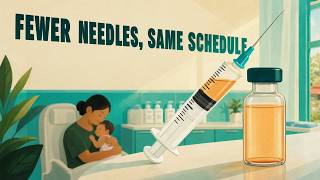
**年率10%**は、韓国が新たな貯蓄銀行融資チャネルで掲げる目標だ。低金利とは言えないものの、通常の銀行融資を受けられない借り手にとって、金利が大幅に下がる可能性がある。銀行が低コストの資金を貯蓄銀行に供給し、貯蓄銀行が中・低信用格付けの人々に融資する。政府は、既存の貯蓄銀行融資より金利が3~5パーセントポイント低くなると見込む。こうした節約効果はまだ提案段階であり、家計が実際に受け取ったものではない。6
読者投票
新たな融資チャネルにより、対象となる借り手の信用コストは大幅に下がると思いますか?
誰が、いつ借りられるのか
融資対象の条件は、低所得の借り手向けに銀行業界がすでに提供している融資商品「セフイマン・ホルシ」に準じる。条件は2通りある。年間所得が4,000万ウォン以下であること、または年間所得が5,000万ウォン以下で、かつ信用スコアが下位20%に入ることだ。2つ目の条件では、両方を満たす必要がある。9
これらの所得基準は融資額ではない。詳細案では、個人向け融資の上限を3,500万ウォンとしている。対象条件を満たしても、審査承認や上限額までの借入、特定の金利が保証されるわけではない。2
革新金融サービス審査委員会が法定の審査期間内に申請を審査する。期間は最長120日で、その後、金融委員会が定例会合で最終的な指定を決定する。この審査期間の上限は、承認の保証でも、開始日の約束でもない。第1四半期という日程は政府が目指す目標であり、選定と実施はこれからだ。5
低コストの資金が、低金利の融資になる仕組み
この計画は、銀行融資とノンバンク融資の間で借入コストが急上昇する問題に対処するものだ。その急上昇は、信用格付けが中程度の人にも、信用度が最も低いカテゴリーに入るずっと前から影響を及ぼし得る。金融委員会(FSC)は、調達コストと審査能力の差を問題の一部として挙げている。銀行の資金調達力と、貯蓄銀行がこうした顧客を審査し融資する業務を結び付けるのが、その解決策だ。6
これにより、消費者向け金利を引き下げる余地が生まれる。ただし、それだけでは、節約分が各借り手にどれだけ還元されるかは分からない。銀行と貯蓄銀行は資金調達金利を自主的に交渉するため、家計が恩恵を受けるには、コスト低下が最終的な融資金利に反映されなければならない。制度の成否を測る重要な試金石は、金融機関同士の資金移動が安くなるかどうかだけでなく、顧客が実際により低金利で借りられるかどうかだ。
ウリィ銀行の提案は、具体例を示している。ウリィ銀行は系列のウリィ金融貯蓄銀行に約500億~1,000億ウォンの与信を供与する。例では資金調達金利を年3%台、消費者向け金利を信用格付けに応じて8~12%としている。2
これらは現時点で利用できる融資条件ではない。この例は2026年8月初旬の状況を前提としており、融資枠の規模と金利はいずれも開始時期や基準金利によって変わる可能性がある。また、ウリィ銀行の融資枠案は、全国的な制度の資金総額を示すものでもない。銀行資金が家計向け融資に至る可能な経路を示すものであり、融資実行が完了したわけではない。2
平均10%という水準も、融資の基準金利に応じて変動する可能性がある。提案では、基準金利が0.5ポイント上昇すると金利が10.5%になる例を示している。これは金利調整の仕組みを説明するもので、金利上昇を予測するものではない。したがって借り手は、「約10%」を恒久的な約束ではなく、提案された金利設定の枠組みにおける目標と捉えるべきだ。6
過去の数値は、政府が別の融資チャネルを設けようとする理由を説明する。シデは韓国信用情報院のデータを引用し、低信用の借り手向け金利が2026年3月末から7月末にかけて、銀行では8.68%から8.63%に、貯蓄銀行では15.34%から15.07%に下がったと報じた。これらの数値は異なる借り手層を対象としており、同一の顧客に対する競合する融資条件ではない。また、提案より前のデータであり、制度の成果として数えることはできない。13
金利引き下げを支える特例
この資金調達チャネルを機能させるには、関連する金融会社間の信用供与を規制するルールに大幅な例外を設ける必要がある。詳細案では、要件を満たす転貸融資を、銀行の自己資本の25%に設定された大株主および関係者向け信用供与の銀行法上の上限から除外する。また、一定の融資額を超える場合に適用される関連の取締役会決議、規制当局への報告、情報開示の要件についても、適用除外を求めている。2
金融持株会社グループ内では、要件を満たす資金供給を、単一の他の子会社への融資に関する子会社自己資本の10%、およびその他の子会社全体への融資に関する20%の上限から除外する。提案では、既存の担保義務(供与する与信額の150%とされる)を免除するか、担保を差し入れるか選択できるようにすることも盛り込んでいる。これらは本サービス向けの例外案であり、グループ内融資規制を全面的に撤廃するものではない。2
銀行には「セフイマン・ホルシ」実績への加算が認められ、要件を満たす資金供給は、韓国信用保証基金、韓国技術金融公社、地域信用保証財団への拠出金が免除される。インターネット専業銀行は、関連する金融イノベーション法制の改正後に参加する。こうした優遇措置は資金供給を促すもので、消費者向け融資の損失すべてを保証するものではない。6
不明な点
- 家計向けの正確な申請開始日、最終的な融資機関の一覧、借り手の債務不履行に伴う損失の完全な分担方法は、まだ発表されていない。
今後の展開
- 12月18日の事業者申請期限、その後のサービス指定、そして各金融機関が実際に提示する商品条件。
この計画には明確な経済的合理性がある。銀行に家計向け融資の組成と管理をすべて担わせずに、銀行の低コスト資金を活用するというものだ。しかし、規制上の許可や金融機関のコスト低下は手段であり、目指す成果そのものではない。対象となる借り手にとっての成功とは、手が届かないままの魅力的な全国平均金利ではなく、明らかに有利な条件で融資承認を受けられることだ。
情報源7

日付のない1媒体:
媒体別の全情報源
7媒体の15件の情報源· 引用の多い順
연합뉴스yna.co.kr最初2
The Asia Business Dailyasiae.co.kr1
The Herald Businessheraldcorp.com1
동행미디어 시대sidae.com最初1
미래를 보는 창 - 전자신문etnews.com最初1
放送時の内容
- South Korea plans savings-bank loans averaging ten percent a year.
- The government expects rates three to five percentage points below existing savings-bank loans for middle- and lower-credit borrowers. Banks would provide cheaper funding, and savings banks would lend it onward.
- When could eligible households apply, and what would make that cheaper funding reach them?
- A borrower who can't get ordinary bank credit can face a steep jump in interest at a nonbank lender. That jump can hit people with middle credit ratings, well before they reach the weakest credit category.
- The Financial Services Commission discussed the plan at its eighth Inclusive Finance Transformation meeting on November 26. It wants products available in the first quarter of 2027. A bank would either lend money to a savings bank or deposit funds there. The savings bank would then make and manage the individual consumer loans.
- The ten percent figure is an average operating target. Banks and savings banks would negotiate their funding rates, and customers would receive individual loan terms. The government expects the savings to reach borrowers through lower final interest charges.
- The target could also move with the lending reference rate. The proposal illustrates a half-percentage-point rise taking the average from ten percent to ten point five percent. That's an example of how pricing would adjust. It doesn't predict that rates will rise.
- Low-credit bank rates fell from eight point six eight to eight point six three percent between March and July. Savings-bank rates fell from fifteen point three four to fifteen point zero seven percent. These describe different borrower groups, before this plan.
- Low-credit loan balances also grew over those months, from eighty-three point one trillion won to eighty-four point one trillion. That was an increase of one trillion won, or one point two percent. Middle- and higher-credit rates generally rose over the same period. These earlier changes show the market the new channel would enter.
- One route allows annual income up to forty million won. Another allows up to fifty million won, with a credit score in the bottom twenty percent. The proposed maximum loan is thirty-five million won. Lenders would still decide approval and individual terms.
- The eligibility rules come from Saehuimang Holssi, an existing bank-sector lending product for lower-income borrowers. The new channel pairs banks' funding capacity with savings banks' lending and assessment work. Banks could avoid the cost of administering every consumer loan, while lower regulatory risk weights would reduce the capital needed to provide funding.
- Subscribe to this channel to follow which lenders join and when borrower applications open.
- Woori Bank proposes lending fifty billion to one hundred billion won to Woori Financial Savings Bank, its affiliate. The example puts funding in the three percent range annually, and consumer rates at eight to twelve percent, depending on credit grade.
- Those funding rates reflect early August 2026 conditions. The facility size and rates could change with launch timing and reference rates. Savings banks are expected to save on funding-related capital costs, deposit-insurance premiums and operating expenses. Customers benefit only if those lower costs feed through to the price they pay.
- The plan would also loosen related-party lending limits for qualifying funding. One existing limit is twenty-five percent of a bank's equity capital. Within financial holding groups, limits are ten percent of a subsidiary's equity for one other subsidiary, and twenty percent for the others combined. Qualifying on-lending would be excluded from those calculations.
- The proposal would waive the collateral requirement, currently one hundred fifty percent of the credit supplied, or allow a choice about collateral. It also seeks exemptions from board resolutions, regulatory reporting and disclosure requirements that apply above specified lending thresholds.
- Banks would get credit toward their Saehuimang Holssi performance. Qualifying funding would also be exempt from contribution charges to the Korea Credit Guarantee Fund, Korea Technology Finance Corporation and regional credit guarantee foundations. Internet-only banks would join after changes to the relevant financial-innovation legislation. Cheaper funding still leaves lenders facing the risk that borrowers won't repay.
- Financial companies can apply from November 27 until December 18, closing at six in the evening in Korea. They're applying for regulatory permissions through a government-led sandbox, which lets selected services operate with specific legal exceptions. Household loan applications would follow product launches.
- The Innovative Financial Services Review Committee will examine applications within a statutory review period of up to one hundred twenty days. The Financial Services Commission then makes the final designation decision at a regular meeting.
- Providers still have to settle how they'd divide losses when borrowers default. The government hasn't announced an exact opening date for households. For eligible borrowers, the expected opportunity is less expensive credit in early 2027. The projected three-to-five-percentage-point reduction will become a household benefit only when lenders actually offer loans on those terms.
翻訳更新:
ディスカッション
ここでの投稿は「South Korea's Bank-Funded Savings Bank Loan Plan」に属し、このニュースのすべてのレポートに表示されます。