司法 · 卡尔加里公交安全
致命事故引发安全审查,卡尔加里保留347辆天然气公交车
一场碰撞导致公交车的天然气罐起火,三名乘客死亡。卡尔加里公交局正在审查运营情况,但不会撤下压缩天然气车队;碰撞和起火原因仍未查明。
原语言视频
文字实录 · 正在加载
译自英文原文。
新闻追踪第 3 天
1 篇报道15 家媒体21 个来源3 个视频
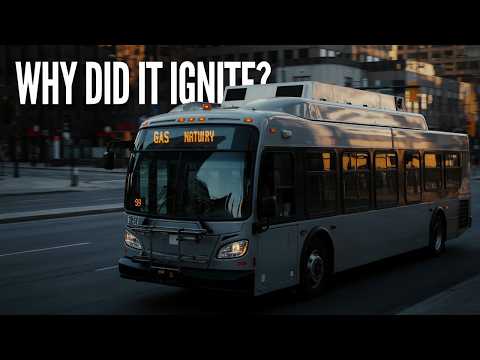
卡尔加里公交局将审查压缩天然气公交车的运营情况,但调查期间不会撤下这批车辆。据CTV News报道,该机构在一份声明中表示,其347辆压缩天然气公交车将在调查期间继续留在车队中。这项审查将确定是否需要为乘客和司机采取额外安全措施。1 2
这使已宣布的应对措施与仍待解答的问题之间留下了一个重要空白。审查是对安全问题进行调查的承诺,并不意味着新的防护措施已经到位。继续让公交车投入运营是一项运营决定,并非已查明这辆公交车为何起火。
两辆公交车,两个未解的原因
事故发生于2026年10月15日星期四当地时间下午1:10左右,地点在萨德尔镇环路东北800街区。一辆卡尔加里公交车正向北行驶。警方记录的响应时间约为1:11——这是警方响应的时间,并非与事故发生时间相矛盾的另一种说法。4 7
CTV报道称,事故涉及八辆车,包括两辆市政公交车和一辆卡车。第一辆公交车使用柴油,第二辆使用压缩天然气。据CBC报道的碰撞过程,第一辆公交车撞上卡车,随后又撞上第二辆公交车。第二辆公交车的气罐起火。第一辆公交车的司机伤势可能改变其一生。1 3
这一过程很重要,因为它将两个容易被火灾混淆的问题区分开来:是什么引发了一连串碰撞,以及之后是什么导致第二辆公交车的燃料系统起火。警方尚未确定车速、受酒精或药物影响、分心驾驶或突发医疗状况是否促成了最初的碰撞。这些都是正在调查的可能因素,并非对司机的认定。1
确认天然气罐起火,并不能证明气罐有缺陷、连接处失效或存在设计故障,也不能说明燃料系统导致了最初的碰撞。起火情况为调查人员提供了一个需要具体检查的系统,但单凭这一点,无法解释该系统在碰撞和火灾条件下如何运作。2 3
CBC采访材料称,火灾调查员凯文·韦迪克在肯·韦斯特火灾调查公司工作。他表示,火势似乎蔓延得很快。他的观察并非已经完成的技术重建。调查需要检查燃料管线、公交车设计、维护记录以及车辆近期是否进行过维修。他谈到燃料管线连接处时,并未证明存在某种已确认的故障机制。3
公交工会强调,查明起火原因对乘客和司机的安全至关重要。这是一个不同于解释第一次撞击的任务:回答其中一个问题,不一定就能解决另一个。2
伤亡数字尚未完全核实
各方报道均确认有三名乘客死亡。受伤人数则尚未统一。CBC、CTV和加拿大通讯社均报道有16人受伤;加拿大通讯社10月16日的报道明确将一名受伤警员计入其中。美联社10月15日报道有19人受伤,《人物》杂志10月16日也报道了19人。目前没有可靠的解释或更正能够调和这些数字;将差异归因于统计方法还为时过早。1 3 18 10 17
警方10月15日发布的首份通报称,至少有10人受伤。通报另行描述了一人伤势可能改变其一生、一人伤势严重,以及一名警员受轻伤。这些描述不能简单加到初步总数上,作为额外伤亡人数。那是早期信息,而非最终统计。7
警方10月16日发布的消息确认有三人死亡,交通科仍在继续调查。一份更新称,第三名遇难乘客的身份已确认,其近亲也已获通知。这确认了死者身份,但并未公开该乘客姓名。4
这项审查目前会带来哪些变化
卡尔加里公交局表示,其公交车会定期维护并接受安全检查。这些检查在事故发生前就已是日常运营的一部分。宣布开展的审查旨在确定是否有必要采取更多措施;目前公布的信息没有提及新的全车队检查要求、运营限制或乘客安全程序。1 2 6
车队数量也需要明确说明出处。347辆这一数字来自CTV报道的机构声明。卡尔加里公交局未注明日期的压缩天然气公交车网页则列出246辆40英尺长的天然气公交车,约占车队的20%,并预计到2027年将有约399辆压缩天然气公交车。由于网页上的统计没有日期,无法据此确定事故发生时车队的规模或占比。399辆是预测数字,并非已实现的总数。1 13
韦迪克早些时候接受采访时估计,天然气公交车至少有70辆;他明确表示这一估算尚属暂定,需根据现有数据核实。这个数字不应取代后来更具体的机构声明。这些数字都无法说明事故发生时有多少辆压缩天然气公交车同时载客。3 1
未知
- 引发碰撞的原因和燃料系统起火的机制仍未查明。调查和运营审查均未公布完成日期。
后续
- 值得关注的是,是否会公布起火原因的技术解释,并明确决定是否增设防护措施,而不只是再次保证审查仍在进行。
因此,对乘客和司机而言,眼下情况并未改变:相关车辆仍可投入运营,而安全问题尚无定论。这项审查是否有价值,取决于它能否解释事故经过,并将汲取的教训转化为具体的防护措施。单凭火灾本身或继续保留车队的决定,都无法回答这个问题。
播出原貌 16 行
- Three passengers died after a collision ignited a transit bus's natural-gas tanks. Calgary Transit is reviewing safety while keeping its natural-gas buses in the fleet. Passengers and drivers are waiting to learn what caused the ignition and whether that review will bring new protections.
- Calgary Transit says its 347 compressed-natural-gas buses will remain in the fleet during the investigation. The agency's review will examine its operations and decide whether additional safety measures are needed for passengers and drivers.
- The agency says its buses receive regular maintenance and safety checks. Those checks were already part of its operations before the crash. The review could lead to further measures, but Calgary Transit hasn't announced a new fleet-wide safety requirement.
- The collision happened in the 800 block of Saddletowne Circle Northeast in Calgary. A city bus was travelling northbound at about one-ten in the afternoon on Thursday, October fifteenth. Police responded shortly afterward.
- The collision reportedly involved eight vehicles, including two city buses and a truck. The two buses used different fuels, and their roles in the chain of events are central to the investigation.
- The diesel-powered bus struck a truck, then struck a second transit bus. That second bus used compressed natural gas. Its tanks ignited, producing an explosion and a large fire. All three people killed were passengers aboard that second bus.
- Police are investigating whether speed, impairment, distraction or a medical emergency contributed to the first collision. They also need to determine why the second bus's fuel system ignited. Finding the cause of the collision and finding the ignition mechanism will require separate work.
- The first bus's driver suffered life-altering injuries. The injury toll ranges from sixteen to nineteen, and nobody has explained the difference. The total of sixteen includes an injured police officer.
- Police initially counted at least ten injured on October fifteenth. Their early descriptions included one person with serious injuries and an officer with minor injuries. Those were preliminary figures as emergency crews dealt with the aftermath.
- Police later confirmed that the third passenger who died had been identified and their next of kin notified. The Traffic Section continued investigating the collision after confirming the three fatalities.
- The tank ignition gives investigators a specific part of the bus to examine. They'll need to work through how the fuel system behaved during the collision and fire, including whether the bus's design or condition contributed.
- Fire investigator Kevin Wedick, of Ken West Fire Investigations, said the fire appeared to spread rapidly. Investigators will need to examine the fuel lines and bus design, along with maintenance records and any recent work on the vehicle.
- Wedick's observation describes how the fire appeared to develop. A technical reconstruction still has to explain what happened inside the fuel system. The transit union says finding the reason for the ignition is critical to passenger and driver safety.
- Calgary Transit's latest statement gives 347 natural-gas buses. Its undated website lists 246 forty-foot natural-gas buses and projects about 399 by 2027. Without a date for the website's count, those figures can't tell us how the fleet changed.
- That webpage also puts natural-gas buses at about twenty percent of the fleet, but its undated figures don't establish today's share. Wedick's earlier estimate of at least seventy buses was expressly tentative. The agency's later statement supplies the more specific fleet count.
- Calgary Transit is keeping the buses available while it reviews whether more protection is needed. Police still have to explain the first collision, and investigators still have to explain the tank ignition. No completion date has been announced for either investigation or the operational review.
来源
21 个来源15 家媒体3 个视频
Police respond to serious bus firecalgary.ca2最先
calgarytransit.com1
Canada News Mediacanadanewsmedia.ca1
CBC News11 个视频
CTV News11 个视频
Global News11 个视频
L’actualitélactualite.com1
People.compeople.com1
Western Standardwesternstandard.news1
来源地图
追溯本篇报道的依据。图谱展示其关联;下方链接可打开本文引用的来源。
来源图谱将在您阅读时加载。
译文更新于
修订记录
- r1首次发布。