文化 · 拉尔斯·利布斯特
拉尔斯·利布斯特70岁生日当天去世,留下焕然一新的蒂沃利和一座尚未完成的博物馆
他为哥本哈根的历史花园增添了让游客一年四季前来游览的新理由。他最后的博物馆项目获得了大量支持,但仍需落实全部资金。
文字 阅读需 6 分钟 · 37 个来源
原语言视频
译自英文原文。
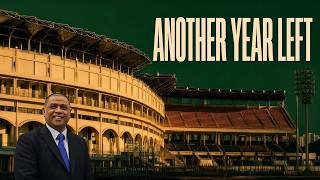
2026年11月23日星期一,生日贺信和鲜花仍不断送到拉尔斯·利布斯特家中。他在夜间安详离世,那天正是他的70岁生日。在蒂沃利——这座哥本哈根花园在他24年的任期内焕然一新——旗帜降半旗。他最后一项重大文化事业仍未完成:将一座发电站改建为丹麦科技博物馆的新馆。1
读者投票
如今,博物馆项目应优先推进什么?
他的妻子、舞蹈家和编舞安妮特·阿比尔德高向Ritzau证实,他在短暂患病后去世。病情性质尚未公开。她说,送到他们赫尔斯霍尔姆家中的慰问,体现了他跨越文化背景联结人们的能力,以及他对他人的深刻理解。蒂沃利降下了安徒生城堡的旗帜。1
利布斯特在花园和拟建博物馆的工作有着共同的理念:一个老地方可以获得新的用途,同时不失去让它值得一游的历史。在蒂沃利,这一理念经过了几代游客的检验;在斯万内米勒发电站,它仍取决于资金、规划以及供热系统的替换。
以不同方式使用历史花园
利布斯特于1996年接掌蒂沃利时,游客人数正在下降。该花园当年接待了270万人次。2019年、疫情打断运营之前,这一数字为460万人次。这些是年度参观人次,同一个人重复入园也会计入,并非独立游客人数。它们显示了他任职期间变化的规模,但不能证明任何单一决策具体带来了多大影响。1
他的一些最知名创新起初令传统游客感到不安。周五摇滚音乐会项目Fredagsrock于1997年启动;万圣节活动随后于2006年推出。他主持了Himmelskibet游乐设施的开放,并扩大了整个花园的圣诞庆祝活动。蒂沃利的圣诞活动早于他任职时期:他的贡献是扩展一项已有传统,而非创造它。这些变化让游客有了更多、也不同的回访理由。1
他在2019年的离任声明中说:“在我任职期间,蒂沃利从季节性经营转变为全年经营。”这说的是营业日历更加广泛,并非声称每项游乐设施每天都开放。他的成就在于让人们在希望一个地方得到保护的同时,也开始期待它不断焕新。1
现任蒂沃利首席执行官默克·科赫表示,他帮助塑造了如今游客熟悉的花园。她在悼词中指出,让一家老机构延续生命需要具备这样的判断力:
他善于判断哪些传统值得保留,也有勇气创造新的传统。
她说,他的工作延续在花园之中,也留存在一代代游客带回家的记忆里,并向他的家人和至亲表达了慰问。1
从幕后起步的职业生涯
他还协助创立了格伦内加德剧院。该剧院的演出把霍尔贝格喜剧搬进了当时的工艺美术博物馆庭院。后来,演出场地延伸至克里斯蒂安堡的马术场馆,包括阿尔班·贝尔格的歌剧《露露》。Lex将利布斯特、克里斯蒂安·斯特芬森和索伦·塞特-拉森列为创始人。2
他的职责后来扩展至文化、媒体和房地产领域。他曾担任丹麦艺术委员会主席,以及TV 2 Danmark董事会主席。2020年,他加入铁狮门,担任北欧战略高级顾问,并为丹麦政府提供疫情后重启旅游和酒店业的建议。他还曾领导哥本哈根皇家体育馆和巴黎丹麦之家。4
丹麦于2015年授予他丹麦国旗勋章指挥官级勋衔。2020年11月24日,他在阿美琳堡克里斯蒂安九世宫参加私人接见时获颁金质Ingenio et arti奖章——这是一项颁发极少、旨在表彰艺术和科学领域杰出贡献的荣誉。8
等待重获新生的发电站
该项目在2026年4月9日公告中提到的最大一笔承诺资金,是新诺和诺德基金会提供的1亿丹麦克朗,目标用于内容、展览、学习设施和合作项目。公告还称,将投入1000万克朗,在现有的赫尔辛格博物馆测试阐释方式和合作形式。这笔测试资金不是一项额外拨款,不能与1亿克朗相加。22
项目时间表不仅取决于筹款。在博物馆入驻发电站之前,必须停止化石燃料供热。霍福尔已着手规划一座替代能源中心,其中包括海水热泵;哥本哈根市政府和By & Havn也参与了更广泛的规划。24
2025年12月,规划人员设想可能于2026年举行建筑设计竞赛,并于2027年春季最终通过地方规划。由于停止供热所需时间比最初预期更长,建设资金需求已推迟至2028年。预计供热停止后、约在2029年至2030年之交,发电站将移交。这些只是有条件的规划预期,并不代表此后相关阶段已经完成。24
因此,利布斯特留下了两种不同的遗产:人们已在蒂沃利亲身感受到的改变,以及一个仍需由后续负责人将承诺变为完工场所的博物馆。在他担任主席期间,发电站项目获得了大量支持,但尚未获得确定性。他在蒂沃利的工作展现了更新可以带来什么;斯万内米勒发电站仍是尚未完成的考验。
来源23

12篇早期文章作为背景资料参阅。10家媒体未注明日期:
按媒体查看所有来源
来自 23 家媒体的 37 个来源· 引用最多的优先
Grønnegårds Teatretgroennegaard.dk5
Politiken - Den levende avispolitiken.dk3
wikipedia.org最先3
Danmarks Tekniske Museum Svanemølleværketdtm4.dk2
Exaexa.ai2
Jyllandspostenjyllands-posten.dk2
Lexlex.dk2
tivoli.dk2
Berlingskeberlingske.dk1
blooloopblooloop.com1
播出原貌
- Lars Liebst died on his seventieth birthday. He reshaped Tivoli over twenty-four years and leaves a national museum project unfinished. Its backers have committed millions, but still need full financing. How far had he brought his final project?
- Liebst died peacefully during the night into Monday, November twenty-third, after a short illness. His wife, dancer and choreographer Anette Abildgaard, confirmed his death. Through Monday, birthday letters, congratulations and flowers continued arriving at their home in Hørsholm.
- Tivoli lowered the flags at H.C. Andersen Slottet to half-mast. Abildgaard said the messages arriving at home reflected her husband's ability to connect people across cultural backgrounds, and his deep understanding of others.
- Liebst took charge of Tivoli in 1996, when attendance was falling. Over the following years, concerts and seasonal celebrations gave people more reasons to return to Copenhagen's historic gardens. The attendance figures show how much the business changed during his leadership.
- Tivoli recorded 2.7 million visits in 1996. In 2019, before the pandemic disrupted its business, it recorded 4.6 million. Those annual totals count visits, including repeat visits by the same people.
- Fredagsrock, the Friday rock-concert programme, began in 1997. Halloween followed in 2006. Some traditional visitors were initially sceptical of both. Liebst also oversaw the opening of Himmelskibet, adding another major ride while widening what a visit to Tivoli could involve.
- Christmas celebrations spread across the gardens under his leadership. Christmas at Tivoli had begun before he arrived, and he enlarged that tradition. Alongside concerts and Halloween, it helped the business reach beyond its older seasonal pattern.
- Liebst described that change when his departure was announced in 2019. His words captured a business built around more occasions throughout the year, while retaining the identity that long-standing visitors valued.
- Liebst said, “During my time, Tivoli has gone from a seasonal business to a year-round business.” The expanded seasons made the gardens a destination for different kinds of visits across the year.
- His leadership continued into 2020. The succession announcement came in December 2019, and the handover followed the next year. He had led Tivoli since 1996, giving him roughly twenty-four years at the helm.
- Tivoli named Susanne Mørch Koch as his successor on March fifth, 2020. Her arrival was scheduled for no later than September first. She remains Tivoli's chief executive and paid tribute to the balance he struck between preservation and renewal.
- Mørch Koch said Liebst helped shape the Tivoli visitors know today. She said his work lives on in the gardens and in generations of visitors' memories, and expressed sympathy for his family and those closest to him.
- Mørch Koch said, “He had an eye for which traditions we should preserve, and the courage to create new ones.” That combination ran through a career that began backstage, long before he entered Tivoli's executive office.
- Born in Odense and raised in Svendborg, Liebst arranged concerts involving Gasolin and Gnags while still a teenager. He trained as a lighting designer and stage manager in New York between 1977 and 1979. In 1982, he became a department head at Copenhagen's state theatre school.
- He also helped establish Grønnegårds Teatret, working with Christian Steffensen and Søren Sætter-Lassen. The company staged Holberg comedies in the courtyard of the then Kunstindustrimuseum. Later productions reached Christiansborg's riding hall, including Alban Berg's opera Lulu.
- His responsibilities eventually stretched across cultural institutions and business. He chaired the Danish Arts Council and TV 2 Danmark's board. Other roles included Royal Arena in Copenhagen and Maison du Danemark in Paris.
- In 2020, Liebst joined property company Tishman Speyer as a senior adviser on its Nordic strategy. He also advised the Danish government on restarting tourism and hospitality after the pandemic disrupted those industries.
- Denmark honoured him as a Commander of the Order of the Dannebrog in 2015. Five years later, he received the gold Ingenio et arti medal, a rarely awarded distinction recognising prominent contributions to art and science.
- Liebst received the medal on November twenty-fourth, 2020, during a private audience at Christian IX's Palace at Amalienborg. By then, another major cultural transformation was taking shape around a Copenhagen power station.
- Subscribe to this channel as we follow what happens to the museum project he leaves behind.
- Svanemølleværket was to become a new home for the Danish Museum of Science and Technology. The power station stands in Copenhagen's Østerbro and Nordhavn area. The museum currently operates in Helsingør, while the proposed conversion remains unfinished.
- Liebst chaired both the museum and DTM 4.0, the building and development foundation leading the conversion. He had joined the museum's board in July 2019. During his involvement, the project gained substantial commitments for its development and future exhibitions.
- The Novo Nordisk Foundation committed 100 million Danish kroner in April 2026. The support targets museum content, exhibitions, learning facilities and partnerships, helping develop what visitors would encounter inside the converted power station.
- The project also described 10 million kroner being invested in testing new ways to explain technology and build partnerships at the existing Helsingør museum. That work is intended to help develop the future institution's exhibitions and learning environments.
- The 2026 finance law provided 20 million kroner, continuing state development support dating to 2022. The April project description listed 40 million kroner in state development funding. Those figures may overlap, so they can't simply be added together.
- Earlier support included more than 20 million kroner from the Aage and Johanne Louis-Hansen Foundation. Industriens Fond contributed more than five million over the preceding seven years. Those commitments helped bring the proposal through its development stages.
- The planned overall budget was 1.1 billion kroner, measured at 2023 prices. The project estimated potential attendance above 300,000 visits a year. Reaching that ambition still requires further funding and the physical transformation of the building.
- The building foundation handles the power station's redevelopment. The museum develops the content, learning environments and partnerships. Its aim is to bring technological history together with questions about energy, digitalisation and the technologies shaping everyday life.
- In December 2025, planners envisaged a possible architectural competition in 2026 and final adoption of a local plan in spring 2027. They moved construction-funding requirements to 2028 because ending the station's heat production was taking longer than first expected.
- The project had reached major funding commitments and an agreement covering the building's eventual transfer. Full financing and completion were still ahead when Liebst died. Converting the station also depends on replacing its fossil-fuel heat production.
- HOFOR had begun planning a replacement energy centre incorporating seawater heat pumps. Copenhagen Municipality and By & Havn were also involved in the wider planning, linking the museum proposal to changes in the area's energy supply.
- The building foundation agreed transfer terms with Ørsted. The handover would follow the end of heat production, which planners expected around the turn of 2029 to 2030.
译文更新于
讨论
此处的帖子属于“Lars Liebst’s death”,会显示在该新闻事件的每篇报道下。