
World · Colombia quakeContinuing story · report 3 of 4
A Week After Colombia's 7.4 Quake, 314 Dead and 1.2 Million in Need
Ten days after a 7.4-magnitude quake in Chocó, deaths reached 314, up to 1.2 million needed aid, and damage estimates diverged from $9.6 billion to $13.2 billion.
Transcript · LOADING
Continuing storyDay 9
4 reports26 outlets40 sources4 videos
Full story- No dated events yet
 Update 1Colombia’s 7.4 Quake Leaves Thousands Missing as Tolls Diverge
 Update 2Colombia's 7.4 Quake Nears 300 Dead as Rescuers Race for Survivors
 Update 3A Week After Colombia's 7.4 Quake, 314 Dead and 1.2 Million in NeedYou are here
 Update 4Colombia's 7.4 Quake Killed 331 and Left 1.2 Million Needing AidNewer
What changed since our last report
5 days later
Then
Colombia's 7.4 Quake Nears 300 Dead as Rescuers Race for SurvivorsStill open then
- No final verified toll for dead, injured and missing is yet established.
- No confirmed epicenter department, foreign rescue roster, or aid-pledge list appears in the supplied sources.
We said we'd watch for
- Whether late detections of signs of life produce further live rescues or the operation completes its shift to recovery.
- How shelter, water, medical care and rebuilding reach displaced households after 12,000+ homes were destroyed.
Now
Ten days after a 7.4-magnitude quake in Chocó, deaths reached 314, up to 1.2 million needed aid, and damage estimates diverged from $9.6 billion to $13.2 billion.
Now established
- A magnitude 7.4 earthquake hit San José del Palmar, Chocó, on 10 August at 7:34 a.m.
- By 20 August, 314 were dead, 262 missing and 4,437 injured, per the disaster agency.
- By 20 August, an estimated 1.2 million people needed humanitarian aid.
314 is the number that matters most. That is how many dead Colombia's National Unit for Disaster Risk Management counted by 20 August, ten days after the earthquake in the west, alongside 262 people still missing and 4,437 injured 6. It is a toll that kept moving upward through the first week, and it still did not capture the full scale, because by the same date an estimated 1.2 million people needed humanitarian aid and some communities remained out of reach 5.
A magnitude 7.4 earthquake struck western Colombia on 10 August 2026 at 7:34 a.m., with its epicentre in San José del Palmar, in Chocó department, severely affecting the central and western regions of the country 4. Contemporary reporting described the shock as hitting on “last Monday” — 10 August — and causing damage over a wide swath of the country 7.
The death count in the first ten days was not a single figure but a staircase, and the sources disagree on each step. One week on, reports cited 289 dead and 4,187 injured across 15 departments 11. As of Tuesday 18 August, another account put the toll at 304 7. A further report dated 19 August also gave 304 dead, but added 426 missing 10. Then came the 20 August disaster-agency report of 314 dead, with 262 still missing and 4,437 injured 6. Taken together, claims of “more than 300” killed match reporting from 18 to 20 August 6710.
The count of the living in need moved even more sharply, and here the sources also disagree. The United Nations reported about 100,000 people being assisted as of 18 August 3. By 20 August, the estimated number needing humanitarian aid had risen to 1.2 million, with some communities still out of reach 5. A separate report cited more than 260,000 people across 15 departments as affected 6. The gap is not a rounding error. It reflects different dates, different definitions of affected versus assisted versus in need, and access that was still incomplete more than a week after the shock 5.
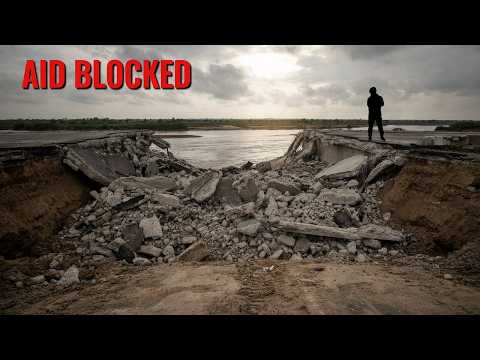
Housing is where the scale becomes hardest to state as a single verified total. The sources do not provide a confirmed countrywide figure for homes destroyed beyond repair. What they do provide are fragments that point to neighborhood-level loss. In Barrio Lleras in Buenaventura, more than 54 houses were reported destroyed or at risk of collapse 5. Elsewhere, entire neighborhoods in Cali and Chocó were described as waiting for shelter 10. The loss is presented as housing first, but it extends beyond walls and roofs to the clinics and classrooms families rely on, at the moment shelter is most needed.
The cost keeps getting larger
Money tells the same story of an estimate rising as assessors see more. On 18 August, Colombia’s government put direct physical losses at nearly 30 trillion pesos, about US$9.6 billion 8. Another report around the same time cited US$9.5 billion 10. A later UNDP RAPIDA assessment dated 28 August estimated USD 13.2 billion, or COP 42.1 trillion, in structural damage and 16.9 million cubic metres of debris 9. The figures disagree because they come from different dates and different methods, and none should be read as final.
Chocó sits at the center of the human geography. Colombia’s poorest region took a heavy toll in the quake 2. Volunteers in Bogotá were sorting aid by 13 August, and debris clearing was underway in Quibdó by 17 August 2. The UN scaled up humanitarian assistance as needs grew, initially targeting 100,000 people on 18 August 3. In Quibdó, UNICEF used the Boxing Coliseum as a temporary shelter 3.
One week on, Colombia shifted from rescue to recovery, with rescue teams ending operations 11. The turn was marked by scenes that showed why recovery would be slow. The Clinica Nuestra private hospital in Cali partially collapsed, crushing an ambulance 11. Health and school access were cut at the moment shelter was most needed, leaving tens of thousands without a habitable place to stay and with clinics and schools out of service.
That plan now faces the arithmetic of debris and distance. The RAPIDA assessment’s 16.9 million cubic metres of debris is not only a cleanup figure but a measure of how many homes, clinics and schools must be cleared before they can be rebuilt 9. With needs spread across 15 departments 116 and some communities still out of reach on 20 August 5, the question is how quickly shelter, medical care and schooling can be restored outward from the cities where aid was first staged.
Known
Unknown
- No verified countrywide total for homes destroyed beyond repair is available from the sources.
- No verified total for people assisted in the first week, and no verified coordination-hub location, can be established from the sources.
Next
- Whether missing-persons figures resolve upward or downward as out-of-reach communities are contacted.
- Whether damage estimates stabilize after the early $9.5-$9.6 billion range and the later $13.2 billion assessment.
Sources
11 sources10 outlets1 video
Anadoluaa.com.tr1
ColombiaOne: News from Colombia and the Worldcolombiaone.com1
CRBC Newscrbcnews.com1
HeyDay News11 video
HNGN - Headlines & Global Newshngn.com1
ReliefWebreliefweb.int1
The Bogotá Postthebogotapost.com1
Source map
Follow the evidence behind this report. The map shows its connections; the links below open the sources cited in this article.
Source map loads as you read.
Revision log
- r1First published.