
Justice · Jafarabad explosion
Four killed in Jafarabad gas explosion; two arrested in sewer-work inquiry
The search has ended after a blast destroyed one home and damaged more than eight others. Two arrests shift attention to excavation safety, while injury totals remain unreconciled.
Transcript · LOADING
Story trackerDay 6
1 report14 outlets22 sources
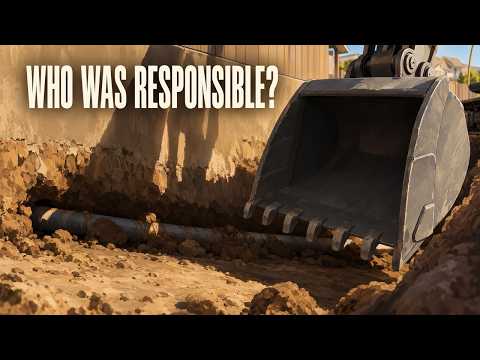
Four people died in a gas explosion that destroyed a home and damaged more than eight others in Jafarabad, Kermanshah, Iran. The search through the wreckage is over. The investigation into how sewer excavation could have exposed a residential neighbourhood to such destruction is not: a prosecutor has announced two arrests, while technical responsibility and even the final injury count remain unresolved. 12 22 10
The blast struck the Mollahosseini neighbourhood on October 26, 2026. One man was taken to hospital and died there; rescuers recovered a woman and two other men dead beneath the rubble. Those four deaths are consistent across the later emergency-service and judicial accounts. 12 22 10
Prosecutor Hamidreza Karimi announced the arrests on October 27, alleging failures to observe safety requirements and damage to gas-distribution lines during sewer excavation. The available account does not identify the detained people or disclose specific charges. Their arrests are an investigative development, not a finding of guilt. 10
The distinction matters because the inquiry is not simply about who was closest to the excavator. Karimi said it would also examine possible supervisory failures, contractors’ compliance with safety instructions and shortcomings in carrying out the project. Responsibility could extend beyond the two people detained. 10
A collapse beyond one home
Fire-service command received notification at 13:21 Iran Standard Time on October 26, according to fire chief Saeed Ghaderi’s interview with Fars, preserved by Sahebkhabar. That is the recorded alert time—not an independently established instant of the explosion. Twelve firefighters were dispatched with four emergency vehicles from nearby stations. Provincial crisis-management director Mehdi Fattahian put their arrival at about nine minutes after notification. 22 12
The scale of the collapse, and the possibility of people trapped underneath, prompted requests for additional search-and-rescue teams. Firefighters worked alongside Red Crescent rescuers, emergency medical personnel and water, electricity and gas-service crews. The work included checking damaged areas for anyone trapped and assessing the safety of neighbouring buildings. 22 12
The Red Crescent sent five operational teams: an assessment team, two search-dog teams, a rapid-response rubble-clearance team and a women’s Tavana team, which treated injured people at the scene. Its provincial director, Afshin Yeganeh, initially described four affected residential units. Later assessments from Fattahian and Ghaderi described one home completely destroyed and more than eight others damaged—a wider impact than the first assessment recorded. 21 12 22
The rescue status also changed between the morning reports. Fattahian’s Mehr interview, published on October 27 at 05:00 UTC, still described clearance and safety checks as continuing. Neighbours and relatives had not identified another person thought to be beneath the rubble, but he said the checks would continue until complete. The subsequent fire-chief account, published at 06:16 UTC, announced that search and rubble clearance had ended after about eight hours of work. 12 22
The later announcement establishes that the operation ended. Neither account explains why the earlier interview still described it as ongoing, and neither provides a basis for calculating an exact completion time by adding eight hours to the initial alert.
Four deaths, no reconciled injury count
The injury figures are less settled than the death toll. In an October 26 account carried by Aria, Yeganeh reported 12 injured people: nine taken to medical facilities and three treated at the scene. The next morning, Fattahian reported 14 initially injured, while Ghaderi gave 11 in his Fars interview. 21 12 22
Both of those October 27 emergency-response accounts included someone who subsequently died. Fattahian said ten of the 14 initially injured were transferred to medical facilities, and one of those ten—a man—died in hospital. Ghaderi likewise described 11 injured before explaining that one injured person died in hospital. Neither figure can safely be read as a count of surviving injured people in addition to the four deaths. 12 22
Karimi’s later Mehr interview, published on October 27 at 16:31 UTC, gave four deaths and ten other people injured. Ten is therefore the latest reported injury figure in these accounts, but the prosecutor did not explicitly present it as a correction or explain how it relates to the earlier totals. 10
Different treatment settings and the hospital death complicate comparisons, but they do not, by themselves, reconcile the numbers. The reports do not establish whether the differences reflect changing assessments, different counting categories or something else. Adding an earlier injury figure to the death toll would manufacture a certainty the reporting does not provide.
Fattahian said the nine remaining patients transferred to medical facilities were under treatment and in generally satisfactory condition on the morning of October 27. He also described some injured people receiving outpatient care and being discharged. That is a dated condition report, not confirmation of those patients’ condition now. 12
From damaged pipe to responsibility
The preliminary explanation was that an excavator struck a gas pipe during the water-and-wastewater utility’s sewer-piping project. Fattahian expressly left the precise cause and technical assessment to experts. Ghaderi identified a city gas leak as the immediate mechanism. Neither statement settles the full sequence of failures or assigns responsibility for them. 12 22
Karimi’s allegations move the inquiry beyond the physical damage to the pipe. He said anyone whose negligence or failure to perform supervisory duties is established could face criminal and civil liability according to their role. The reporting rests on interviews with response and judicial officials; it does not include a published final technical investigation. 10 12
Known
Unknown
- The final injury tally, the complete technical sequence, the detained people’s identities and specific charges, and the responsibility of any other individuals or organisations remain unestablished in these accounts.
Next
- Watch for technical findings, a reconciled casualty count and evidence explaining whether excavation, contractor safety practices or supervision failed.
The arrests do not close the question raised by the wreckage. Establishing that gas escaped is one part of the explanation; establishing why residents were exposed to it, and whose duties were left unfulfilled, is the part that will determine accountability.
As aired 16 lines
- A gas explosion killed four people and destroyed a home in Jafarabad. More than eight other homes were damaged. A prosecutor has announced two arrests in an investigation into damage to a gas line during sewer excavation.
- Investigators still have to determine which failures exposed residents to the blast, and who bears responsibility.
- The explosion struck the Mollahosseini neighbourhood of Jafarabad, in Kermanshah, Iran, on October twenty-sixth, twenty twenty-six. Fire-service command received the alert early that afternoon, and crews were sent from nearby stations.
- Twelve firefighters responded with four emergency vehicles. Provincial crisis-management officials put their arrival at about nine minutes after notification. The destruction extended beyond the collapsed home. An early Red Crescent assessment counted four affected residential units. Subsequent assessments described one home completely destroyed and more than eight others damaged.
- The Red Crescent sent five operational teams. Director Afshin Yeganeh described an assessment team, two search-dog teams and a rapid-response rubble-clearance team. A women's Tavana team also joined the operation and treated injured people at the scene.
- Firefighters worked alongside those rescuers, emergency medical personnel and water, electricity and gas-service crews. The scale of the collapse prompted requests for extra search teams because people could be trapped underneath. Crews also checked damaged areas and assessed the safety of neighbouring buildings.
- Search and rubble clearance ended after about eight hours of work. The fire chief announced completion after an earlier morning statement still described checks continuing. At that earlier stage, neighbours and relatives hadn't identified another person believed to be trapped.
- One man was taken to hospital and died there. Rescuers recovered a woman and two other men dead beneath the rubble. Those four deaths are consistent across the later official statements. The injury figures vary, and the officials haven't explained all the differences.
- The Red Crescent director counted twelve injured on October twenty-sixth. The next day, the crisis-management director gave fourteen, and the fire chief eleven. The prosecutor later gave ten other people injured. He hasn't reconciled that figure with the earlier counts.
- The earlier figures include people who were treated in different settings. Yeganeh said nine people were taken to medical facilities and three received treatment at the scene. Some injured people received outpatient care and were discharged. The hospital death also appears within the initial injury counts.
- Mehdi Fattahian said ten of the fourteen initially injured were transferred to medical facilities, and one of those ten died. Fire chief Saeed Ghaderi also included a person who later died in hospital within his account of eleven injured.
- Fattahian said the nine remaining patients were still under treatment and in generally satisfactory condition on the morning of October twenty-seventh. That was their condition then. Ten other people injured remains the prosecutor's later figure, without an announcement that it settles the earlier differences.
- An excavator striking a gas pipe during sewer installation was the initial explanation for the blast. Fattahian said experts would determine the precise cause. Ghaderi identified a city gas leak as the immediate mechanism, while the technical investigation continued.
- The work involved the water-and-wastewater utility's sewer-piping project. In the morning, Fattahian said water and electricity were connected in the neighbourhood. The criminal investigation now reaches beyond the damaged pipe to the safety of the excavation and the people responsible for supervising it.
- Prosecutor Hamidreza Karimi announced two arrests after initial inquiries. He alleges failures to observe safety requirements and damage to gas-distribution lines during sewer excavation. The detained people's identities and specific charges haven't been disclosed, and their guilt hasn't been decided.
- Karimi said investigators would examine possible failures of supervision, contractors' compliance with safety instructions and shortcomings in carrying out the project. Responsibility could extend to other people or organisations. Anyone whose negligence or supervisory failures are proven could face criminal and civil liability, depending on their role.
Sources
22 sources14 outlets1 wire copy
Mehr Newsmehrnews.com4
- First reported
- Kermanshah gas explosion toll finalized at four dead
- ۴ مصدوم حاصل انفجار گاز در اهواز بود - خبرگزاری مهر | اخبار ایران و جهان | Mehr News Agency
- کریمی: ۲ نفر در پرونده حادثه حفاری فاضلاب کرمانشاه بازداشت شدند - خبرگزاری مهر | اخبار ایران و جهان | Mehr News Agency
- فتاحیان: انفجار جعفرآباد ۴ کشته و ۱۴ مصدوم برجا گذاشت
دايلي بيروت - Daily Beirutdailybeirut.com2
Banx Networkbanxnetwork.com1
irannewspaper.ir1
sayeb.ir1
ایمناimna.ir1
- First reported
- علت اولیه انفجار در کرمانشاه مشخص شد/ ۴ نفر جان باختند
پایگاه خبری تحلیلی فرتاک نیوزfartaknews.com1
خبرگزاری ایلناilna.ir1First
شاناshana.ir1
شرقsharghdaily.com1
Source map
Follow the evidence behind this report. The map shows its connections; the links below open the sources cited in this article.
Source map loads as you read.
Revision log
- r1First published.