
Tech · Missing-pet deception
A missing dog, a $10,000 reward and a suspected AI fake
A stranger promised to return Westyn Ruyter’s Irish wolfhound, then sent a photograph he says reused his own appeal. No payment or recovery is established.
Transcript · LOADING
Story trackerDay 2
1 report15 outlets28 sources
For a moment, Westyn Ruyter had reason to believe he was getting Bundy back. A stranger said they had found his missing Irish wolfhound and proposed a meeting at a general store in his hometown. After putting a A$10,000 reward on Facebook, he had received the message he desperately wanted. Nobody arrived with the dog. 1
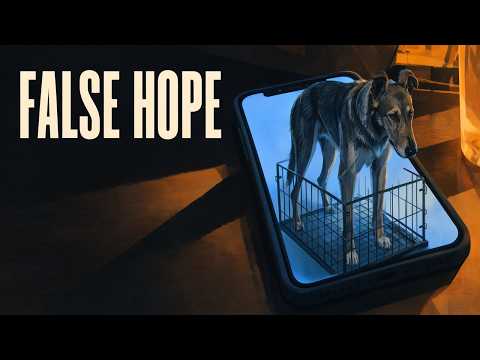
What followed was not a reunion but a photograph: Bundy apparently inside a crate. Ruyter said it looked like someone had taken the very picture he had posted to help find his dog and placed him in a different setting. The sender then stopped replying, according to his account to ABC Western Australia, published on October 27, 2026. 1
The reward was an offer, not a documented loss. ABC did not report that Ruyter paid the stranger, or that the stranger demanded payment. What his account does establish is the emotional cost of a promised reunion that never happened. 1
It gave me so much hope. I was that excited.
The proposed meeting had a concrete, familiar setting: a general store in Balingup, Ruyter’s hometown, 240 kilometres south of Perth in Western Australia. The promise was not simply that Bundy was somewhere out there. It offered a place where Ruyter could supposedly collect him. Only after nobody showed up with the dog did he become suspicious and ask for further proof. 1
“They just sent me a photo of him in a crate, and it’s obviously AI,” Ruyter told ABC. He pointed to a bowl that looked fake, cage bars blurred in front of the dog’s face and, most importantly, what he recognised as his own Facebook photograph. “They’ve just put him in a box,” he said. 1
That is Ruyter’s assessment, not an independently authenticated finding about how the image was made. The reporting does not establish which software, if any, produced it or who controlled the account. But his central objection goes beyond spotting visual flaws: a picture copied from his appeal could show a recognisable Bundy without showing that its sender actually possessed him. 1
When an appeal becomes raw material
The Australian Competition and Consumer Commission’s National Anti-Scam Centre says people searching for missing pets are being targeted by scammers. In the warning reported by ABC, the centre described fabricated images being used as apparent evidence that a stranger has an animal, followed by demands for money, gift cards or cryptocurrency for its return. 1
“Scammers exploit situations that are urgent or emotionally distressing,” its spokesperson said. That describes the leverage available in a missing-pet appeal: an owner wants to act quickly, and a claimed finder offers a way to end the uncertainty. The image is meant to turn that promise into something that looks verifiable. 1
The centre’s account of the wider scam must not be grafted onto Ruyter’s experience. No demand for those forms of payment is established in his case. Nor do the available official figures establish a count or loss total specifically for missing-pet scams involving AI images. Broader pet-fraud or all-scam totals would measure something else. 1 11 16
The vulnerability is not that owners have failed to keep a secret. Publicity is often the point of an appeal. A photograph helps other people recognise the animal; a location helps neighbours know where to look. But the same material gives a dishonest stranger details they can repeat back as if they had discovered them independently.
Paul Haskell-Dowland, Edith Cowan University’s Professor of Cyber Security Practice, told ABC that scammers search community groups for sensitive information. He described AI and automated information-gathering tools making approaches more personally targeted over the past three to four years. That is his assessment of changing capabilities, not a measured rise in this particular category of scam. 1
“No longer are the scams seemingly irrelevant to us — they now have genuine feelings of authenticity,” he said. He urged greater caution about what people share online, even when desperate. His advice identifies a difficult balance; it is not a specific checklist for missing-pet posts or an instruction to abandon a public search. 1
A familiar image is not verification
Scamwatch’s general guidance is to pause before giving money or personal information and to check that the person receiving a payment really is who they claim to be. Its AI guidance warns that technology can make scams more convincing and personalised, including through tailored apparent evidence. These are general safeguards, not a pet-specific verification protocol. 22 21 20
For a missing-pet owner, the important distinction is between recognising the animal and verifying the sender’s claim. A familiar dog in a photograph can make a message feel intensely personal. It cannot, on its own, establish that the sender has found the dog or can return him.
Bundy’s recovery remains unverified in the available reporting, as does any further contact from the sender. Ruyter’s account ends with the picture and the silence—not with a recovered dog or an established financial loss. The promise briefly made homecoming seem possible. The photograph did not make it real. 1
As aired 15 lines
- A stranger promised to return Bundy, but nobody arrived with the missing dog.
- Westyn Ruyter offered ten thousand Australian dollars to bring home his missing Irish wolfhound. Then someone sent a photograph he identified as an AI fake. Australia's anti-scam authorities warn that missing-pet appeals are giving scammers an opening.
- What made the stranger's promise believable, and what finally broke it?
- Balingup is 240 kilometres south of Perth. It's Ruyter's hometown, and the stranger proposed meeting at a general store there. The message offered something he desperately wanted: a chance to take Bundy home.
- Ruyter had put the reward on Facebook after Bundy disappeared. Someone soon contacted him, claiming to have found the dog. Ruyter described his reaction this way: “It gave me so much hope. I was that excited.” But nobody showed up with Bundy, and he asked for further proof.
- The Facebook reward brought a claimed discovery and a proposed meeting. The no-show prompted Ruyter to ask for proof. He says the stranger sent a picture apparently showing Bundy in a crate, then stopped replying. That photograph deepened his doubts.
- Ruyter recognised what he believed was his own Facebook photograph inside the new image. He said the bowl looked fake and the cage blurred across the dog's face. His conclusion was blunt: “They just sent me a photo of him in a crate, and it's obviously AI.” That's his assessment of the picture.
- He said the sender had taken the exact picture he'd shared to help find Bundy and put the dog inside a box. The familiar animal made the image personal. But recognising the dog didn't prove that the sender actually had him.
- The National Anti-Scam Centre says scammers are targeting people searching for missing pets. Its spokesperson described the pressure behind the approach: “Scammers exploit situations that are urgent or emotionally distressing.” A promised reunion gives the stranger a way to exploit that urgency.
- The centre says scammers use AI-generated pictures to claim they possess a missing pet. They then demand money, gift cards or cryptocurrency for its return. The picture supplies apparent proof, while the owner's desire to recover the animal supplies the pressure to act.
- Ruyter's ten thousand dollars was the reward he offered. We don't know whether the sender ever demanded money or received any. What he described was a surge of hope, a failed reunion and another painful setback. The wider warning explains how that same emotional pressure can become a demand for payment.
- Cybersecurity professor Paul Haskell-Dowland says scammers search community groups for sensitive information. At Edith Cowan University, he describes AI and automated information-gathering tools making approaches more personal over the last three to four years. Details people recognise can make a deception feel authentic.
- That's his assessment of how the tools are changing. He urges people to be more careful about what they share online, even when they're desperate. Owners face a difficult tension. A photograph and personal details can help a community recognise a missing animal. Those same details can help a stranger construct a believable message about it.
- General scam guidance is to pause before handing over money or personal information, and check who you're dealing with. Official AI guidance also warns about cloned voices, personalised messages and deepfake images. The National Anti-Scam Centre encourages people targeted by AI scams to report them.
- A familiar-looking photograph alone couldn't show that this stranger had Bundy. Ruyter's doubts grew when the promised reunion failed and the picture appeared to reuse his own appeal. We still don't know whether Bundy has since been found or whether the sender contacted Ruyter again.
Sources
28 sources15 outlets1 wire copy
Australian Competition and Consumer Commissionaccc.gov.au5
ABC Western Australiaabc.net.au2First
animalcareaustralia.org.au1
AU Nowaunow.news1
- First reported
- Owner of missing dog devastated by AI photo scam · AU Now
Australiaeuropesays.com1
Bluesky Socialbsky.app1
- First reported
- Post by @news.abc.net.au — Bluesky
Coast Heraldcoastherald.com1
Dagensnyttdagensnytt.com1
- First reported
- Han lovet stor dusør for den savnede hunden – så kom bildet
Green Adelaidesa.gov.au1
KhanListkhanlist.com1
- First reported
- Owner of missing dog devastated by AI photo scam
KioskNewskiosknews.app1
- First reported
- Owner of missing dog devastated by AI photo scam
UA.NEWSua.news1
Source map
Follow the evidence behind this report. The map shows its connections; the links below open the sources cited in this article.
Source map loads as you read.
Revision log
- r1First published.