Justice · Shakahola verdict
Mackenzie convicted over 191 Shakahola deaths, but families still await answers
A Kenyan court found Mackenzie and 28 associates responsible for a lethal fasting regime. The judgment covers 191 deaths—not the entire Shakahola toll—and sentencing is set for November 6.
Transcript · LOADING
Story trackerDay 3
1 report28 outlets38 sources

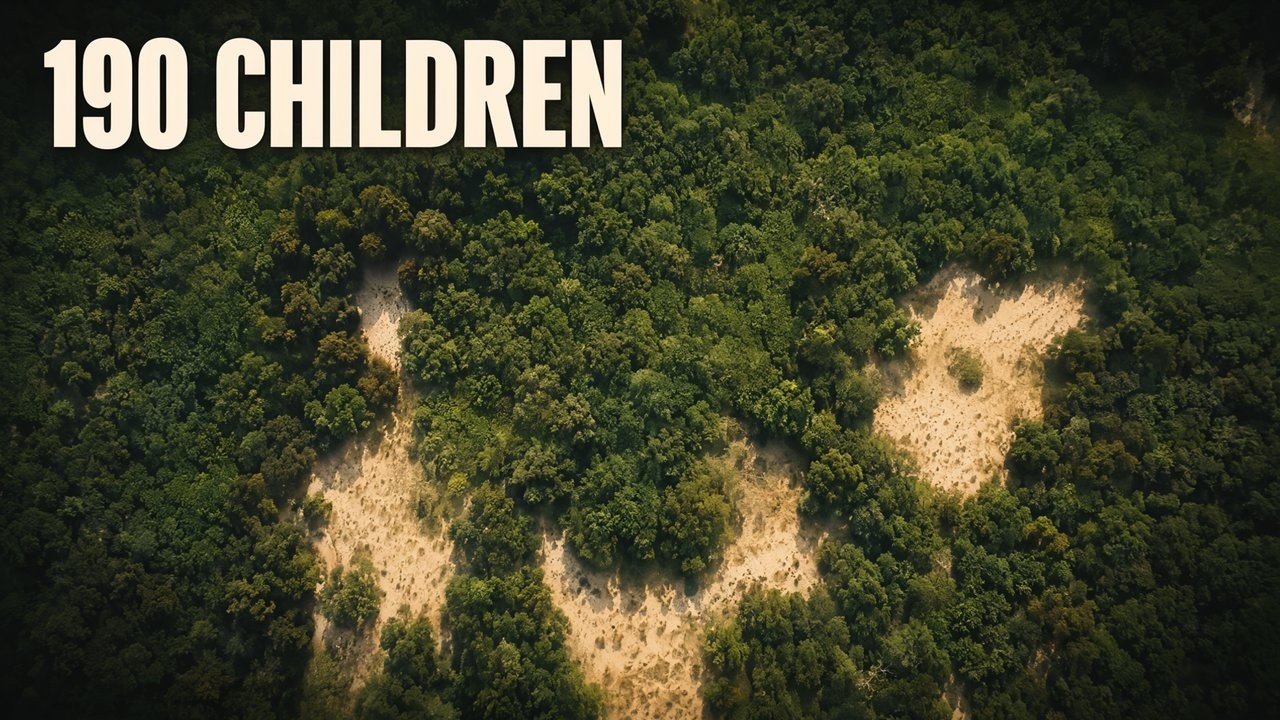
For families seeking answers about the deaths of 190 children and one adult at Shakahola, the murder verdict establishes criminal responsibility. It does not establish that every victim has been identified, or resolve the deaths of everyone whose remains were recovered from the forest and associated searches. That is the distance between this judgment and the full reckoning still needed in Kenya’s starvation-cult tragedy. 1 4
On October 19, 2026, the High Court at Mombasa convicted preacher Paul Nthenge Mackenzie and 28 associates of murder over those 191 deaths. Justice Diana Kavedza Mochache found that the accused had acted together to implement and sustain a lethal fasting regime. The deaths, she found, resulted from the unlawful actions and failures to act of those running it. 4 9 10
The distinction matters. This was not simply a finding that followers had died after accepting a religious teaching. It was a finding of responsibility among the people who maintained the regime that killed them.
Key facts
What the court held them responsible for
Mackenzie established Good News International Church in the coastal town of Malindi. Bodies discovered in 2023 at the group’s base in Shakahola Forest exposed the deaths that became the subject of searches and prosecutions. The murder trial was heard in Mombasa; it was not the same undertaking as the recovery and identification work in the forest. 2 4
Prosecutors said Mackenzie and the church organized a sect that instructed followers to starve themselves and their children in the belief that they would reach heaven. The judge’s finding went beyond describing that belief: fasting was encouraged and enforced as a route to heaven, beginning with children. Al Jazeera reported that the court rejected Mackenzie’s contention that he had not forced the victims to starve. 1 2 7
That rejection is central to the verdict. Mackenzie’s denial sought to separate him from the followers’ deaths. The court instead placed responsibility on him and the other accused for collectively sustaining the deadly regime. Religious language did not remove the criminal responsibility the judge found in their conduct.
The defendants had pleaded not guilty to the 191 murder counts in 2024. Mackenzie’s lawyers argued that the prosecution relied largely on circumstantial evidence, hearsay accounts and inconclusive forensic findings. Those were the defense’s objections, not the court’s conclusions about the strength of the case. The judge convicted the accused despite them. 4
ABC News Australia reported that prosecutors presented evidence from 123 witnesses. Deutsche Welle described a hearing lasting more than eight hours before the verdict—a measure of the hearing culminating in judgment, not the duration of the entire trial. The complete judgment and victim schedule were not available to establish how each evidentiary objection was resolved or how every defendant’s individual role was assessed. 2 6
The numbers that define this judgment
The strongest corroborated count is 29 convicted people: Mackenzie and 28 associates. CBS News reported that figure on October 19, as did Deutsche Welle, whose account said the judge found the prosecution had proved its case against all 29 accused. Kenyan reporting from KBC and Citizen Digital also supports Mackenzie plus 28. 4 6 9 35
There is a conflicting count. BBC News’s October 19 report said 29 other leaders were convicted alongside Mackenzie, which would mean 30 people in total. That differs from CBS News’s report the same day of 28 associates. The discrepancy remains unresolved; it is not a basis for adding another person to the better-corroborated total. 8 4
The victim breakdown is more consistent: 190 children and one adult, totaling 191. The South China Morning Post’s October 19 headline instead said 191 children and one adult, implying 192 victims, while its article text gave 190 children and one adult. ABC News Australia’s October 20 report also gave the 191-person total. No correction of the Post’s headline has been established, but its larger implied total is not the supported scope of this verdict. 5 2
These are not interchangeable figures. The number of defendants describes who has been convicted. The 191 counts describe the deaths covered by this prosecution. Neither number describes the whole Shakahola disaster.
A verdict is not a final accounting
More than 400 bodies have been recovered from Shakahola and associated searches. Remains were found in shallow and mass graves, and further discoveries increased the total over the years following the initial discovery. The Independent reports that investigations into deaths beyond this judgment continue. The 191 murder victims are therefore part of a wider tragedy, not its final toll. 1 4 8
A Daily Nation report from November 19, 2025, described authorities trying to establish the identities of 453 victims. That is a historical figure from the wider identification effort, not a verified final recovery count for the day of the verdict. The available reporting does not explain the forensic or charging criteria used to select the 191 deaths prosecuted here. 20
The Independent also reported that only 26 bodies had been identified. But the date, denominator and identification method behind that figure are unclear. It cannot safely be treated as the number of identified victims among these 191, or used to calculate how many victims in this case remain unnamed. A conviction and an identification answer different questions; families may still need both. 1
The judgment also does not establish an outcome in other Shakahola proceedings. Deutsche Welle reported separate charges brought in January 2026 concerning 52 bodies found at a nearby village, but their outcome is not established here. Nor has a defense appeal announcement following this conviction been established. 6
The next scheduled step in this murder case is sentencing on November 6, 2026. Mackenzie and the other convicted defendants await punishment; none should be inferred from the guilty verdict alone. The court will decide their sentence for these 191 murders while identification work and investigations into other deaths remain unfinished. 2 7 1
As aired 14 lines
- Paul Mackenzie has been convicted of murdering 190 children and one adult. Twenty-eight associates were also convicted, and all now await punishment for 191 murders. What did the court find they did, and how far does this verdict reach?
- The High Court in Mombasa delivered the verdict on October 19, 2026. The convictions hold the defendants responsible for deaths caused by a fasting regime that they worked together to keep in place.
- Justice Diana Kavedza Mochache found that Mackenzie and the other accused acted together to implement and sustain the deadly regime. She tied the deaths to their unlawful actions and failures to act. Her finding placed responsibility on those running it.
- The judge found that fasting was encouraged and enforced as a way to enter heaven, starting with children. Mackenzie maintained that he hadn't forced the victims to starve. The court rejected that defense and found him guilty of murder.
- Bodies discovered in Shakahola Forest in 2023 exposed the deaths at the group's base. Mackenzie had established Good News International Church in the coastal town of Malindi. The murder trial took place in Mombasa, separate from the forest recovery operation.
- Prosecutors said Mackenzie and the church organized a sect that instructed followers to starve themselves and their children. Followers were taught that doing so would take them to heaven. The court's finding was that the accused collectively maintained the regime that caused these deaths.
- Mackenzie and 28 associates make 29 convicted people. A conflicting count gives 29 associates, which would make 30. Justice Mochache said the prosecution proved its case against all 29 accused. The one-person discrepancy hasn't been resolved.
- Mackenzie and his associates pleaded not guilty to the 191 murder counts in 2024. His lawyers argued that the case relied largely on circumstantial evidence, hearsay and inconclusive forensic findings. The judge convicted the accused despite those objections.
- The victims were 190 children and one adult. A conflicting headline gives 191 children plus one adult, which would mean 192 victims. The article beneath that headline uses the 191-person total.
- Prosecutors reportedly presented evidence from 123 witnesses. The hearing that ended with the verdict lasted more than eight hours. That was the final hearing in a murder case in which the defendants had entered their pleas two years earlier.
- More than 400 bodies have been recovered from Shakahola and associated searches. This murder judgment covers 191 victims within that wider tragedy. Investigators continued finding bodies after the initial discovery, and investigations into other deaths are still open.
- Searchers found bodies in shallow graves and mass graves, with further discoveries increasing the total over the following years. By November 2025, authorities were trying to identify 453 victims. That historical identification figure doesn't give a final recovery total for the day of the verdict.
- Only 26 bodies have reportedly been identified, but it's unclear which group of remains that figure covers, or when it was counted. It can't tell families how many of the 191 victims in this prosecution have been identified.
- Mackenzie and the other convicted defendants now await sentencing on November 6, 2026. They could face life imprisonment. The court will decide their punishment for these 191 murders while the identification of victims and investigations into other deaths continue.
Sources
38 sources28 outlets
BBC Newsbbc.com5
- First reported
- Shakahola cult leader Paul Mackenzie guilty of 191 murder charges in Kenya
- BBC Audio | Newshour | Kenyan doomsday cult leader murdered 190 children
- Paul Mackenzie sentencing: Court find Kenya Shakahola cult leader guilty of starving 190 children to death - BBC News Pidgin
- El líder de una secta en Kenia condenado por ordenar a sus seguidores dejar morir de hambre a casi 200 niños - BBC News Mundo
- Kesi ya Shakahola: Paul Mackenzie apatikana na hatia - BBC News Swahili
ABC News (Australia)abc.net.au1
- First reported
- Kenyan death cult leader found guilty of 191 murder charges
BBC Newsbbc.co.uk1
CBS Newscbsnews.com1
Citizen Digitalcitizen.digital1
Deutsche Welledw.com1
- First reported
- Kenya: Cult leader guilty of murdering 190 children, 1 adult
Ghafla!ghafla.co.ke1
K24 Digitalk24.digital1
KBC Digitalkbc.co.ke1
Kenyans Livekenyans.live1
Kenyans.co.kekenyans.co.ke1
Na Wetin Dey Happennawetindeyhappen.com1
Nairobi Newsnairobinews.co.ke1
People Dailypeopledaily.digital1
sheriaplex.com1
South China Morning Postscmp.com1
The Eyes Watch Mediatheeyeswatchmedia.co.ke1
the Guardiantheguardian.com1
The Independentindependent.co.uk1
The Kenya Times ~ Trending, Breaking News and Videosthekenyatimes.com1
The Online Kenyantheonlinekenyan.com1
The Starthe-star.co.ke1
The Telegraphtelegraph.co.uk1
Source map
Follow the evidence behind this report. The map shows its connections; the links below open the sources cited in this article.
Source map loads as you read.
Revision log
- r1First published.