
Report
A Tie Killed Tasmania's Visitor Levy After Its Reason Had Died
A 6-6 tie killed the 5% short-stay levy — ten weeks after the first-home duty break it was meant to fund had already expired.
Transcript · LOADING
Story trackerDay 1
1 report24 outlets49 sources1 video
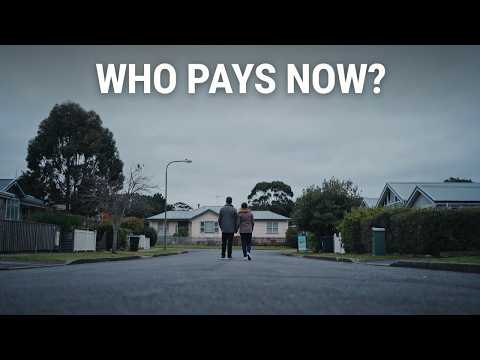
Six to six, then silence. In Tasmania's small upper house on Wednesday 9 September 2026, the Short Stay Levy Bill 2026 deadlocked at six votes apiece, and President Craig Farrell, Labor MLC for Derwent, stood and voted no to break it. 2 3 That single casting vote killed a two-year-old Liberal promise to make visitors help pay for Tasmanians' first homes. 12 2 It came ten weeks after the first-home buyer benefit the levy was supposed to fund had already expired. 18 19
The bill had arrived in the Legislative Council with momentum. It had cleared the House of Assembly 22 votes to 9 on 8 May 2026. 13 15 It would have added 5% to the total booking fee for short stays of under 28 days bought through platforms such as Airbnb and Stayz, due to start on 1 July 2027. 5 28 Hotels, motels, bed-and-breakfasts and caravan parks were excluded, and after consultation so were spare rooms in owner-occupied homes. 5 14 In other words, a narrow tax aimed squarely at whole holiday rentals. 12 14
Key facts
The levy was never just a tourism charge. It was the funding engine for a 2024 Liberal election pledge: zero stamp duty for first-home buyers of established homes worth up to $750,000. 12 16 That 100% exemption ran from 18 February 2024 to 30 June 2026, worth up to about $28,935 per household. 18 19 21 Almost 1,700 households used it in 2024, and the government said almost 4,000 purchases had been exempted by November 2025. 25 18 The pitch was explicit: travellers would pay, Tasmanians would benefit. 12
From promise to defeat
The numbers slipped, then snapped
On the numbers, the promise kept shrinking. Pitched in 2024 at about $11 million a year, Treasury estimates fell to roughly $7.3 million to $8 million after amendments. 12 13 The government said 80% to 83% of that would come from interstate and international visitors, and pledged 100% of it to helping Tasmanians buy their first home. 12 Against that stood the cost already booked: about $40 million for the exemptions. 2 18 The original two-year costing had put the exemption at $64.3 million gross, with the levy expected to offset about $44 million, leaving a net cost of just over $20 million. 45 47 Either way, the levy never collected a dollar. 2 3
83% will be paid by overseas and interstate travellers, and 100% of the levy will go to helping Tasmanians buy their first home.
That sentence is why the bill died. Opponents called the levy a confused, unworkable tourism tax with no economic modelling behind it. 2 4 They argued the 80-83% visitor share rested on an industry-sourced claim rather than government analysis, that no law locked the money to first-home buyers, and that a small charge on visitors would do nothing to add rental supply or ease the housing crisis. 4 6 Labor voted no in both houses, joined in the Council by independents Rosemary Armitage of Launceston, Mike Gaffney of Mersey, Casey Hiscutt of Montgomery, Meg Webb of Nelson and Ruth Forrest of Murchison. 2 11 Greens MLC Cassy O'Connor voted yes as a revenue measure while doubting its housing impact. 6
The sharper problem is timing. The exemption the levy was meant to preserve lapsed on 30 June 2026 and was not extended in the 2026-27 Budget. 18 27 From 1 July 2026, first-home buyers of established homes pay full transfer duty again. 19 18 The only relief the Budget kept was the First Home Owner Grant, set at $20,000 for new builds for 2026-27, down from a $30,000 temporary boost. 22 27 No replacement revenue measure and no restoration of the $750,000 exemption has been announced since the defeat. 2 3
That market is brutal. In September 2026 reporting, only about 6% of homes for sale were within reach of an average Tasmanian earner, a shortfall economists tied to a lack of supply rather than a lack of demand-side help. 20 A 5% charge on holiday bookings was never going to build houses, and its critics knew it. 6 17 But its death still matters, because it exposes the sequence: promise a benefit, spend about $40 million on it, let it expire, then lose the vote to pay for its return. 2 18 First-home buyers are now back where they started, only poorer. 20 21
Known
Unknown
- No verified plan to restore exemption or replace levy revenue.
Next
- Whether government offers new supply or demand help in a 6%-in-reach market.
As aired 12 lines
- Tasmania's visitor levy is dead — killed in the upper house on a six-to-six tie. The first-home buyer benefit it was supposed to fund had already lapsed two and a half months earlier. So with both now gone, what replaces the help Tasmanians have already lost?
- The bill is the Short Stay Levy Bill 2026. It died when the Legislative Council split six to six, and the chamber's President, Labor MLC Craig Farrell of Derwent, cast the deciding vote against it. It had cleared the lower house comfortably — twenty-two votes to nine, back in May.
- The levy was a 2024 Liberal promise — a five per cent charge on short-stay bookings to help pay for zero stamp duty for first-home buyers of established homes worth up to 750,000 dollars. The exemption ran from February 2024 to the end of June this year. The bill cleared the lower house in May; the upper house killed it in September — ten weeks after the exemption it was meant to fund had already lapsed.
- The levy itself was narrowly drawn. It would have added five per cent to the total booking fee for short-stay accommodation — stays under 28 days booked through platforms like Airbnb and Stayz. Hotels, motels, bed-and-breakfasts and caravan parks were excluded, and after consultation, so were owner-occupied spare-room listings. It was due to start on 1 July 2027.
- That was the promise in black and white: four-fifths of the cost carried by travellers, every dollar of the levy pledged to first-home buyers.
- On the numbers, the promise kept slipping. Pitched in 2024 at about eleven million dollars a year, the levy's own Treasury estimate fell to roughly seven-point-three to eight million after amendments. The government said eighty to eighty-three per cent of that would come from interstate and international visitors.
- On one side, roughly eight million a year in revenue. On the other, the cost already on the books. The exemptions have cost about forty million dollars. The original 2024 costing put the two-year exemption at sixty-four-point-three million, with the levy expected to offset about forty-four million — leaving a net cost of just over twenty million. Either way, the levy never collected a dollar, and the bill it was meant to pay is already paid.
- That's the contradiction at the heart of the defeat. Labor opposed the levy as a confused, unworkable tourism tax. Opponents in the chamber argued there was no economic modelling, that the bulk of the revenue would come from a share estimate sourced from industry rather than government analysis, that no law guaranteed the money would reach first-home buyers — and that a small charge on visitors would do nothing to add rental supply or ease the housing crisis.
- After the vote, Treasurer Eric Abetz publicly blamed Labor; the Premier's government pointed to the housing revenue the levy would have reinvested. On the floor, it was the chamber's own President who broke the tie — against the bill.
- But here's the sharper problem. The benefit the levy was meant to preserve is already gone. The stamp duty exemption lapsed on 30 June and was not extended in the 2026-27 Budget. From 1 July, first-home buyers of established homes pay the full transfer duty again. The only relief the Budget kept was the First Home Owner Grant — twenty thousand dollars for new builds this year, down from a thirty-thousand-dollar temporary boost.
- And the timing is what makes the loss sting. This month, only about six per cent of homes on the market were within reach of an average Tasmanian earner — a figure economists tied to a shortage of supply, not a lack of demand-side help.
- So the question the defeat leaves open: what replaces either? The government has announced no replacement revenue measure, and no restoration of the expired exemption. No alternative funding plan for reviving the 750,000-dollar threshold has been published since the vote. First-home buyers are back on full transfer duty — and with six per cent of homes within reach, economists say the real fix is supply, not another levy.
Sources
49 sources24 outlets1 video
tas.gov.au13
- Short Stay Levy Bill 2026 (13 of 2026)
- Making it easier for Tasmanians to own their own home - 5% Short Stay Levy | Premier of Tasmania
- YYMMDD Second Reading Speech - [Name of Bill]
- Making it easier for Tasmanians to own their own home - Stamping out Stamp Duty for First Home Buyers | Premier of Tasmania
- First home buyers of established homes duty relief
- Stamp Duty Stamped Out | Premier of Tasmania
- www.parliament.tas.gov.au
- media.parliament.tas.gov.au
- Short Stay Levy keeps more tourism dollars in Tasmania | Premier of Tasmania
- Short Stay Levy Bill 2026 tabled in Parliament | Premier of Tasmania
- The Honourable Josh Willie
- Premier and Leader of the Opposition | Parliament of Tasmania
- 2b. Notes on Clauses - Taxation Legislation (Affordable Housing and Employment Support) Bill 2024
ABC listenabc.net.au8
- Tasmania's upper house votes down visitor tax on short-stay accommodation - ABC News
- Tasmanian government's long-promised short-stay levy passes lower house - ABC News
- Tasmania's first home buyer stamp duty exemption is ending, leaving some scrambling to settle before June 30 - ABC News
- First homebuyer schemes help Tasmanians get into the market but may expire on June 30 - ABC News
- Who is Josh Willie, new leader of Tasmanian Labor, tasked with trying to engineer a comeback? - ABC News
- Josh Willie replaces Dean Winter as Tasmanian Labor leader
- Tasmanian Labor has 'a shock coming' as it risks becoming 'permanent opposition', party elders warn - ABC News
- Housing, healthcare, education core issues for new Tasmanian Labor leader Josh Willie - ABC News
Pulse Tasmaniapulsetasmania.com.au4
wikipedia.org2
ABC News (Australia)1First1 video
- First reported
- Visitor tax on short-stays in Tasmania fails in parliament | ABC News · video
AusTaxToolsaustax.tools1
Elite Agenteliteagent.com1
Head Topicsheadtopics.com1
News Divenewsdive.net1
Property Buzzpropertybuzz.com.au1
pwc.com.au1
realestate.com.au1
ruthforrest.com.au1
tasgreensmps.org1
taslabor.org.au1
Tasmanian Liberalsliberal.org.au1
Tasmanian Timestasmaniantimes.com1
UA.NEWSua.news1
Yahoo Newsyahoo.com1
Source map
Follow the evidence behind this report. The map shows its connections; the links below open the sources cited in this article.
Source map loads as you read.
Revision log
- r1First published.