ऊर्जा · परमाणु कचरा
फ़िनलैंड के ओन्कालो को संचालन लाइसेंस मिला, लेकिन निपटान को करना होगा इंतज़ार
निर्माण लाइसेंस के आवेदन के लगभग चौदह साल बाद, फ़िनलैंड के अग्रणी भंडार को संचालन की अनुमति मिल गई है। ओन्कालो और प्रयुक्त ईंधन के स्थायी निपटान के बीच अब भी कमीशनिंग और नियामक की स्वीकृति बाकी हैं।
मूल भाषा में वीडियो
प्रतिलेख · लोड हो रहा है
मूल अंग्रेज़ी से अनुवादित।
खबर ट्रैकरदिन 2
1 रिपोर्ट22 मीडिया संस्थान50 स्रोत
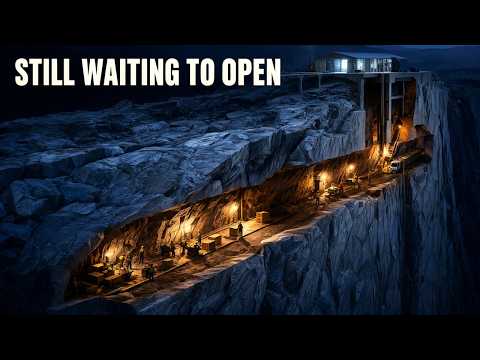
Posiva द्वारा फ़िनलैंड के स्थायी प्रयुक्त-ईंधन भंडार के निर्माण की अनुमति के लिए आवेदन करने के लगभग चौदह साल बाद, परियोजना एक और पड़ाव पर पहुँच गई है: इसे संचालित करने की अनुमति। कंपनी का कहना है कि फ़िनलैंड सरकार ने 22 अक्टूबर, 2026 को ओन्कालो को संचालन लाइसेंस दिया। इससे परमाणु ईंधन को स्थायी ठिकाना देने की लंबी कोशिश आगे बढ़ती है—लेकिन इसका मतलब यह नहीं है कि निपटान शुरू हो गया है। 18 2
प्रयुक्त ईंधन को स्थायी रूप से भूमिगत रखने से पहले, Posiva को कमीशनिंग परीक्षण और निरीक्षण पूरे करने होंगे, और फ़िनलैंड के विकिरण एवं परमाणु सुरक्षा प्राधिकरण, STUK, को उस काम का सत्यापन और अनुमोदन करना होगा। Al Jazeera ने 23 अक्टूबर को संचालक के हवाले से बताया कि उद्घाटन की कोई तारीख तय नहीं हुई है। अगला पड़ाव इरादे की एक और घोषणा नहीं, बल्कि नियामक की यह स्वीकृति है कि सुविधा और इसे चलाने वाले लोग तैयार हैं। 1
ओन्कालो का उद्देश्य वाणिज्यिक परमाणु ऊर्जा संयंत्रों के प्रयुक्त ईंधन के लिए दुनिया का पहला स्थायी भूमिगत भंडार बनना है। यह विशिष्टता—और अधिक सार्थक—है, बजाय इसे पहला परमाणु-कचरा निपटान स्थल कहने के। अन्य देशों में निम्न और मध्यम स्तर के रेडियोधर्मी कचरे के लिए पहले से अंतिम निपटान सुविधाएँ हैं। प्रयुक्त रिएक्टर ईंधन वह खास चुनौती है जिसका समाधान फ़िनलैंड करने की कोशिश कर रहा है। 6 29 41
फ़िनलैंड के रिएक्टरों के ईंधन के लिए एक ठिकाना
यह सुविधा पश्चिमी फ़िनलैंड के Eurajoki में Olkiluoto में स्थित है। ज़मीन के ऊपर का एनकैप्सुलेशन संयंत्र भूमिगत निपटान सुविधा से जुड़ा है; STUK के सितंबर 2021 के विवरण के अनुसार, कैनिस्टर-होइस्ट शाफ़्ट से नीचे ले जाए गए कैनिस्टरों का निर्धारित गंतव्य 420 मीटर की गहराई पर है। यह भंडार का दर्ज स्तर है, परिसर की हर सुरंग का माप नहीं। 6 29
ओन्कालो की शुरुआत एक भूमिगत अनुसंधान सुविधा के रूप में हुई थी, जहाँ शोधकर्ताओं ने जाँचा कि क्या Olkiluoto की आधारशिला अंतिम निपटान के लिए उपयुक्त है। अनुसंधान, निर्माण और परीक्षण—सभी ने एक ही अंतिम उद्देश्य पूरा किया है। लेकिन चट्टान में खुदाई करना, निपटान उपकरण जोड़ना और उसके इस्तेमाल का अभ्यास करना, रेडियोधर्मी प्रयुक्त ईंधन का स्थायी निपटान करने से अलग उपलब्धियाँ हैं। 30
Posiva के मालिक Teollisuuden Voima, जिसे TVO के नाम से जाना जाता है, और Fortum Power and Heat हैं। उनका निपटान कार्यक्रम Olkiluoto और Loviisa परमाणु ऊर्जा संयंत्रों के प्रयुक्त ईंधन को शामिल करता है और इसे फ़िनलैंड के पाँच रिएक्टरों के लिए बताया गया है। Loviisa इस नियोजित कार्यक्रम का हिस्सा है, भले ही Fortum के पास अपने बिजलीघर और उससे जुड़ी अपशिष्ट-प्रबंधन सुविधाओं के लिए अलग अनुमतियाँ हैं। इस रिपोर्ट के लिए अंतिम ओन्कालो लाइसेंस की रिएक्टर-दर-रिएक्टर सटीक शर्तों का स्वतंत्र सत्यापन नहीं किया गया है। 17 6 1 12
बताई गई डिज़ाइन क्षमता 6,500 टन यूरेनियम है। इकाई महत्वपूर्ण है: यह ईंधन से जुड़े यूरेनियम को मापती है, ईंधन, कैनिस्टरों और अन्य पैकेजिंग के संयुक्त वज़न को नहीं। यह एक डिज़ाइन आँकड़ा भी है, न कि अंतिम संचालन लाइसेंस से स्वतंत्र रूप से स्थापित बाध्यकारी अधिकतम सीमा। 1
संचालन की अनुमति तक का लंबा रास्ता
- 31 दिसंबर, 201218
Posiva ने एनकैप्सुलेशन और निपटान सुविधा के निर्माण लाइसेंस के लिए आवेदन किया।
- 30 दिसंबर, 202148
निर्माण जारी रहने के साथ Posiva ने संचालन लाइसेंस का आवेदन जमा किया।
- 4 अगस्त, 2026118
STUK के सुरक्षा आकलन के प्रकाशन के बाद संचालन लाइसेंस पर सरकारी तैयारी शुरू हुई।
- 22 अक्टूबर, 20262
Posiva ने घोषणा की कि सरकार ने संचालन लाइसेंस दे दिया है।
सिर्फ़ मशीनों की नहीं, पूरी प्रणाली की जाँच
कमीशनिंग का मतलब सिर्फ़ यह जाँचना नहीं है कि अलग-अलग मशीनें चालू होती हैं या नहीं। Posiva का एकीकृत परीक्षण उपकरणों, प्रणालियों, प्रक्रियाओं और संगठन को एक साथ परखने के लिए तैयार किया गया था, जिसमें उन्हें चलाने वाले अपेक्षित कर्मचारी भी शामिल थे। भंडार को एक समन्वित संचालन के रूप में काम करना चाहिए, न कि केवल पूरे हो चुके पुर्ज़ों के संग्रह के रूप में। 35
तैयारी का काफी काम पहले ही हो चुका है। 3 मई, 2024 को Posiva ने बताया कि भूमिगत वेंटिलेशन और पाइपिंग पूरी हो चुकी थी और परीक्षण संचालन के लिए आवश्यक सीमा तक उन्हें चालू भी कर दिया गया था। यह एक निर्धारित परीक्षण चरण की तैयारी थी—यह घोषणा नहीं कि सारी कमीशनिंग पूरी हो गई थी। 36
30 अगस्त, 2024 को गैर-रेडियोधर्मी नकली ईंधन तत्वों के साथ परीक्षण संचालन शुरू हुआ। 16 दिसंबर के एक अपडेट में पुष्टि की गई कि एकीकृत परीक्षण अगस्त के अंत में शुरू हुआ था और उसमें कोई प्रयुक्त परमाणु ईंधन इस्तेमाल नहीं हुआ। इन विवरणों से यह साबित होता है कि अभ्यास शुरू हुआ था; इनसे पूरे परीक्षण कार्यक्रम के पूरा होने और अंतिम स्वीकृति का पता नहीं चलता। 34 35
बाद में दिया गया एक अनुमोदन भी इसी तरह विशिष्ट था। 25 नवंबर, 2025 को Posiva ने बताया कि STUK ने निपटान कैनिस्टर के तांबे के खोल का हिस्सा बनने वाली एक्सट्रूडेड तांबे की नली की निर्माण योजना को मंज़ूरी दी थी। यह किसी घटक की योजना का अनुमोदन था, पूरे तैयार कैनिस्टर की मंज़ूरी या भंडार का संचालन शुरू करने की अनुमति नहीं। न ही निर्माण की मंज़ूरी को दीर्घकालिक रोकथाम का प्रदर्शन समझना चाहिए। 39
अक्टूबर में लाइसेंस की घोषणा अधिक महत्वपूर्ण कदम है, लेकिन इसके कानूनी विवरणों पर अब भी सावधानी ज़रूरी है। Posiva की घोषणा में लाइसेंस दिए जाने का उल्लेख है; इस रिपोर्ट के लिए सरकार का अंतिम निर्णय-पत्र स्वतंत्र रूप से प्राप्त नहीं किया गया। इसलिए इसकी प्रभावी अवधि, बाध्यकारी मात्राओं और विस्तृत शर्तों की यहाँ पुष्टि नहीं की जा सकती, और पहले के आवेदन दस्तावेज़ अंतिम निर्णय का विकल्प नहीं हो सकते। 2 14
निर्माण ही पूरा खर्च नहीं
वित्तीय आँकड़ों की तुलना भी उतनी ही सावधानी से करनी चाहिए। Al Jazeera ने साइट की अनुमानित लागत $1.16 billion बताई। अलग से, 23 अक्टूबर की फ़्रांसीसी रिपोर्टिंग में निर्माण लागत लगभग €1 billion बताई गई। ये एक ही परियोजना से संबंधित हैं और इन्हें जोड़ना नहीं चाहिए; इन अनुमानों के बीच सटीक रूपांतरण स्थापित नहीं किया गया है। इनमें से कोई भी सुविधा के पूरे संचालनकाल की सत्यापित कुल लागत नहीं है। 1 23
अंतरराष्ट्रीय परमाणु सूचना प्रणाली में Posiva से संबंधित निपटान-सुविधा की लागत का एक रिकॉर्ड व्यापक ज़िम्मेदारियों को दर्शाता है: भूमिगत चट्टान का आकलन, सतह के ऊपर और नीचे का निवेश, संचालन, एनकैप्सुलेशन संयंत्र को बंद करना और भंडार को सील करना। स्थायी निपटान का खर्च उठाने का केवल एक हिस्सा ओन्कालो का निर्माण है। इन सभी ज़िम्मेदारियों को मुख्य निर्माण अनुमान से जोड़ने वाला संचालक का दिनांकित आधार अब भी सत्यापित नहीं है। 21
जो बात अब भी अनसुलझी है, वह है समय-सारणी। परीक्षण-दर-परीक्षण पूरा होने का कोई सत्यापित कार्यक्रम, STUK की शुरुआत से पहले की अंतिम स्वीकृति की पुष्ट तारीख़ या उद्घाटन की तारीख़ नहीं है। मुख्य कार्यकारी Ilkka Poikolainen के नेतृत्व में Posiva को अब भी कमीशनिंग का काम पूरा करना और नियामक की मंज़ूरी हासिल करनी है। अक्टूबर का लाइसेंस ओन्कालो को उसके उद्देश्य के करीब ले जाता है। इससे यह साबित नहीं होता कि कोई रेडियोधर्मी प्रयुक्त ईंधन वहाँ पहले से स्थायी रूप से निपटाया जा चुका है। 1
जैसा प्रसारित हुआ 17 पंक्तियाँ
- Finland is preparing to bury spent nuclear fuel 420 metres underground. Posiva says the government has granted Onkalo an operating licence. The project would create the world's first permanent underground disposal route for spent fuel from commercial reactors. When can Finland turn that permission into permanent disposal?
- Onkalo is at Olkiluoto in Eurajoki, western Finland. Its disposal programme serves fuel from the Olkiluoto and Loviisa nuclear power plants. Those plants belong to TVO and Fortum, the companies that own Posiva.
- The programme is intended to serve Finland's five reactors. Its practical purpose is to give their spent fuel a permanent destination. Other countries already have disposal facilities for low- and intermediate-level radioactive waste. Onkalo's first-of-its-kind role concerns spent fuel from commercial nuclear power plants.
- The government granted the licence on October 22, Posiva says. Before disposal begins, the company must complete commissioning tests and inspections. Finland's Radiation and Nuclear Safety Authority, known as STUK, must verify and approve that work.
- Commissioning means checking that the facility and its organisation can carry out their jobs together. Posiva has already tested equipment and procedures using dummy fuel. That work prepares the route for spent fuel, with regulatory acceptance still ahead.
- Posiva, led by chief executive Ilkka Poikolainen, links an above-ground encapsulation plant with an underground disposal facility. A canister-hoist shaft is designed to take disposal canisters down to the repository level, documented at 420 metres.
- That depth describes the planned destination of the canisters. Onkalo began as an underground research facility, where investigators studied whether Olkiluoto's bedrock was suitable for final disposal. The investigation, construction and testing have built toward the same goal: placing spent fuel underground permanently.
- Onkalo's stated design capacity is 6,500 tonnes of uranium. That measures the uranium associated with the fuel. The canisters and other packaging add mass of their own. The figure describes the facility's design capacity.
- Posiva's preparations stretch back well over a decade. The company applied for a construction licence on December 31, 2012. By January 2018, Finland was the only country that had begun building a repository for final disposal of its spent nuclear fuel.
- Posiva submitted its operating-licence application on December 30, 2021, while construction was still under way. That began the request for operating permission. The government grant announced this October came almost five years later.
- Underground ventilation and piping reached the readiness needed for a trial run, Posiva announced on May 3, 2024. The systems had been completed and commissioned far enough to support that test phase. The trial would then bring equipment and people together.
- Test operation began on August 30, 2024, using non-radioactive dummy fuel elements. The integrated trial tested how equipment, systems and processes worked together, alongside the organisation and personnel expected to run them.
- A December 16 update confirmed that the trial had begun at the end of August and used no spent nuclear fuel. Further approvals followed. On November 25, 2025, Posiva announced STUK's approval of a construction plan for an extruded copper tube used in the disposal canister's copper shell.
- The copper approval covered that component's construction plan. STUK's safety assessment was published on August 4, 2026, moving the operating licence into government preparation. October's grant advanced the project again, while leaving commissioning approval as the next gate.
- The site's estimated cost is 1.16 billion dollars. A separate construction estimate puts the building cost at about one billion euros. Both figures concern Onkalo, and they shouldn't be added together. The broader financial commitment continues through operation and eventual closure.
- A disposal facility's lifetime costs can cover underground characterisation, investment above and below ground, and operations. They can also include decommissioning the encapsulation plant and closing the repository. Those obligations extend beyond the work of building it.
- Posiva still has to finish commissioning tests and inspections, and STUK must accept that work before permanent disposal begins. Nobody has set an opening date.
स्रोत
50 स्रोत22 मीडिया संस्थान
posiva.fi10
- Posiva - Historic decision: Finnish Government grants operating licence to Posiva
- Posiva - STUK’s safety assessment takes the world’s first final disposal facility closer to an operating licence
- Introducing ONKALO and its principle of operation
- ANNUAL REPORT
- Posiva - Introducing ONKALO and its principle of operation
- Posiva - Test operation – Countdown to starting final disposal
- Posiva - Trial Run ensures safety of final disposal
- Posiva - Underground final disposal facilities achieve readiness for Trial Run of Final Disposal
- Posiva - Posiva yet another step closer to start of final disposal - STUK approves construction plan for Posiva’s extruded copper tube
- Posiva - Final disposal
iaea.org7
- Cost estimate of Olkiluoto disposal facility for spent nuclear fuel | INIS – International Nuclear Information System
- Experiences from 40 Years of Safeguards-by-Design to the Operation of the Deep Geological Repository in Finland
- SRIS - Spent Fuel and Radioactive Waste Information System
- A sustainable solution for spent fuel and high level waste disposal | IAEA
- Solving the Back End: Finland's Key to the Final Disposal of Spent Nuclear Fuel
- Joint Convention on the Safety of Spent Fuel Management and on the Safety of Radioactive Waste Management. 8th Finnish National Report as referred to in Article 32 of the Convention
- Solving the back end: Finland’s key to the final disposal of spent nuclear fuel
tem.fi5
- MEAE to prepare operating licence for spent nuclear fuel disposal facility of Posiva, taking into account Radiation and Nuclear Safety Authority's safety assessment - Ministry of Economic Affairs and Employment
- DECISION VN/7906/2022
- OPERATING LICENCE APPLICATION
- UNOFFICIAL TRANSLATION
- Posiva to apply for an operating licence for a spent nuclear ...
stuk.fi4
- Oversight reports of final disposal facility | Säteilyturvakeskus STUK
- Encapsulation and final disposal facility | Säteilyturvakeskus STUK
- Säteilyturvakeskuksen turvallisuusarvio Posivan käyttölupahakemuksesta
- Kysymyksiä ja vastauksia Posivan käyttölupahakemuksesta, STUKin lausunnosta ja loppusijoituksesta muutenkin
Al Jazeeraaljazeera.com2
BBC Newsbbc.com1
- पहली बार बताया
- Finland's plan to bury spent nuclear fuel for 100000 years
dailyfinlanddailyfinland.fi1
France 24france24.com1
- पहली बार बताया
- Finland grants licence for world's first nuclear waste ...
Interesting Engineeringinterestingengineering.com1
JeChangejechange.fr1
POWER Magazinepowermag.com1
Site Selection Magazinesiteselection.com1
- पहली बार बताया
- Hiding Place
The Independent Global Nuclear News Agencynucnet.org1
valtioneuvosto.fi1
vietnam.vn1
wikipedia.org1सबसे पहले
- पहली बार बताया
- Onkalo spent nuclear fuel repository
Yle Uutisetyle.fi1
स्रोत मानचित्र
इस रिपोर्ट के पीछे के साक्ष्य देखें। मानचित्र उनके संबंध दिखाता है; नीचे दिए लिंक इस लेख में उद्धृत स्रोत खोलते हैं।
आपके पढ़ते समय स्रोत मानचित्र लोड होता है।
अनुवाद अपडेट किया गया
संशोधन विवरण
- r1पहली बार प्रकाशित।