에너지 · Hormuz blockade연속 보도 · 기사 8건 중 3번째
Hormuz Goes Quiet: 10 Crossings a Day as U.S.-Iran Truce Expires
Crossings fell from 275 to 10, 500 ships are stranded, and the U.S.-Iran truce has lapsed — while Washington and Tehran offer opposite accounts of the strait.
영어로 제공
지난 보도 이후 달라진 점
3일 후
그때
Two UAE Tankers Hit as Hormuz Traffic Falls to Fraction of Normal당시 미해결
- No verified casualty account is established in the excerpts provided.
- No verified daily crossing totals can be stated from the truncated data file.
지켜보겠다고 한 점
- Whether follow-on shipping data confirms a sustained halt or a partial resumption.
- Whether US economic measures or any revival of June-framework talks changes transit risk.
지금
Crossings fell from 275 to 10, 500 ships are stranded, and the U.S.-Iran truce has lapsed — while Washington and Tehran offer opposite accounts of the strait.
이제 확인된 사실
- Vessel crossings fell from 275 in late June to 98 in early August to a five-day average of 10.
- More than 500 commercial vessels are stranded in the Gulf.
- The 60-day U.S.-Iran negotiating period expired around Aug. 17 with no extension announced.
- The IEA cut its 2026 supply forecast by 600,000 bpd to a 4.3 million bpd decline and forecast a 1.6 million bpd demand decline.
- More than 4 million bpd is moving around Hormuz, with Saudi Arabia and the UAE best placed to bypass.
- That is the five-day average for vessel crossings through the Strait of Hormuz in mid-August, a waterway that weeks earlier was still passing hundreds of ships a week. The drop captures in a single number how completely war between the United States and Iran has choked one of the world’s most important shipping lanes211.
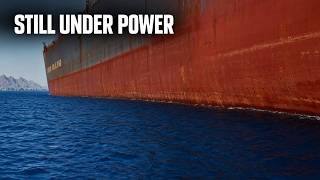
Crossings peaked at 275 in the week of June 24, days after an interim U.S.-Iran memorandum of understanding was signed, then fell 64% to 98 by the first week of August before sliding into single digits211. More than 500 commercial vessels are now stranded in the Gulf as traffic slows to near-standstill2. What had been a negotiated pause has become a blockade in all but name, enforced by risk, insurance math, and gunfire.
The slowdown did not happen at once. Shipping via Hormuz slowed after tanker attacks, according to data reviewed in mid-August3. Then on Aug. 18, a ship attack while exiting the strait resulted in one casualty11. That death marks the human edge of a disruption usually described in barrels and crossing counts, and it followed earlier tanker attacks that had already made owners and crews reluctant to transit311.
The diplomatic clock is central to why traffic has not recovered. The 60-day negotiating period for a U.S.-Iran peace deal expired around Aug. 17 with no extension announced29. President Donald Trump said he was not looking to extend the ceasefire deal7. He also said the United States would bomb Oman if it got in the way of reopening the waterway, remarks made via Fox News and reported by CNBC79. The threat pulled Oman, the Gulf mediator, directly into the confrontation.
Iran, for its part, says it is working to finalize a joint statement with Oman on a plan to manage shipping through Hormuz, while fully reopening the waterway remains a key U.S. demand9. That framing leaves two very different descriptions of the same strait: a managed corridor under negotiation, in Tehran’s telling, versus a waterway Washington insists must be fully reopened9.
open and operating
That was Trump’s description of Hormuz on Aug. 18, offered despite the attack that day11. The claim sits uneasily against traffic down to a five-day average of just 10 crossings211. CNN on Aug. 18 described both Iran and the United States claiming the upper hand in the battle for control of the Strait of Hormuz, noting that competing rhetoric has caused considerable confusion4. The confusion is not abstract. Owners deciding whether to send a crew into a strait must choose between official assurance and what the traffic data show.
The International Energy Agency has begun to put the shock into global balances. In its Oil Market Report published Aug. 12, 2026, the agency cut its 2026 global oil supply forecast by 600,000 barrels per day to a 4.3 million barrels per day decline, its deepest cut, driven by the Iran war106. World oil demand is forecast to decline by 1.6 million barrels per day in 2026106. The supply cut describes lost production and disrupted flows; the demand decline describes an economy adjusting to war, high prices, and uncertainty.
Some oil is still moving without transiting Hormuz. Gulf producers are moving more than 4 million barrels per day around Hormuz via pipelines, dark tankers and ship-to-ship transfers8. Saudi Arabia and the United Arab Emirates have the strongest alternatives, while Iraq, Kuwait and Qatar remain heavily Hormuz-dependent8. The workaround is not free. Bypassing shifts risk to the Red Sea, Bab el-Mandeb and piracy-exposed routes, trading one chokepoint for others8. For gas markets and consumers, the question is whether that shadow system can sustain volume without a sustained rise in costs and danger.
The gap between that assessment and the crossing counts is the story. A strait averaging 10 transits over five days, with more than 500 commercial vessels stranded nearby, is not functioning as a normal commercial route even if some vessels still pass211. Add tanker attacks, a lapsed negotiating deadline, and threats against the mediator, and the reason for the paralysis is clear: no master or insurer can treat Hormuz as routine while diplomacy has expired and shooting continues23911.
확인된 사실
- Vessel crossings fell from 275 in late June to 98 in early August to a five-day average of 10. 211
- More than 500 commercial vessels are stranded in the Gulf. 2
- The 60-day U.S.-Iran negotiating period expired around Aug. 17 with no extension announced. 29
- The IEA cut its 2026 supply forecast by 600,000 bpd to a 4.3 million bpd decline and forecast a 1.6 million bpd demand decline. 106
- More than 4 million bpd is moving around Hormuz, with Saudi Arabia and the UAE best placed to bypass. 8
미확인 사항
- No verified pre-war Hormuz flow total, largest-disruption ranking, Saudi pipeline volumes, China import change, or clean-energy policy effects are established in these sources.
- No durable arrangement for safe passage is in place beyond Iran’s proposed joint statement with Oman.
향후 전개
- Whether the Oman channel produces a shipping management plan or the ceasefire simply lapses into open confrontation.
- Whether bypass volumes hold and Red Sea and Bab el-Mandeb routes absorb the diverted risk.
What remains is leverage without resolution. The United States is demanding full reopening while threatening the mediator tasked with negotiating it79. Iran is offering process, a joint statement with Oman on managing shipping, without conceding the full reopening Washington wants9. The IEA numbers show the world already paying for the impasse in lost supply106. Until crossings rise well above single digits and stranded ships clear, Hormuz will be defined not by who claims control but by who dares to sail through2411.
타임라인
4일째 · 8 건의 보도
우리 방송 · 업데이트 3현재 위치
Hormuz Goes Quiet: 10 Crossings a Day as U.S.-Iran Truce Expires11일 후
우리 방송 · 업데이트 4최신
180 Days: World's Oil Chokepoint Still Shut51일 후
최초 보도
10일 후
우리 방송 · 업데이트 5최신
Vessel reported on fire in Hormuz. Are the people aboard safe?6일 후
출처9
언론사 9곳의 출처 11건· 인용이 많은 순
HeyDay News동영상 1개1
IEAiea.org1
OilPrice.comoilprice.com1
Reutersreuters.com1