能源 · 核废料
芬兰 Onkalo 获得运营许可证,但处置工作仍须等待
在提交建设许可证申请近十四年后,芬兰这座开创性的处置库获得了运营许可。Onkalo 要实现乏燃料永久处置,仍须完成调试并通过监管机构验收。
原语言视频
文字实录 · 正在加载
译自英文原文。
新闻追踪第 2 天
1 篇报道22 家媒体50 个来源
在 Posiva 申请许可建造芬兰永久乏燃料处置库近十四年后,该项目又迈过一道门槛:获得运营许可。该公司称,芬兰政府于 2026 年 10 月 22 日向 Onkalo 颁发了运营许可证。这推动了这项长期努力向前迈进,旨在为核燃料找到永久归宿——但这并不意味着处置工作已经开始。18 2
乏燃料永久存放在地下之前,Posiva 必须完成调试测试和检查,芬兰辐射与核安全管理局(STUK)必须核实并批准相关工作。半岛电视台于 10 月 23 日援引运营方报道称,目前尚未确定启用日期。下一个里程碑不再是另一项意向声明,而是监管机构确认设施及其运营人员已做好准备。1
Onkalo 计划成为世界上首个用于商业核电站乏燃料的永久地下处置库。这个说法的范围比称其为首个核废料处置场更窄,也更准确。其他国家已经拥有处置低放和中放放射性废物的最终处置设施。芬兰正致力于解决的具体难题是反应堆乏燃料。6 29 41
坐落于芬兰反应堆群之下的归宿
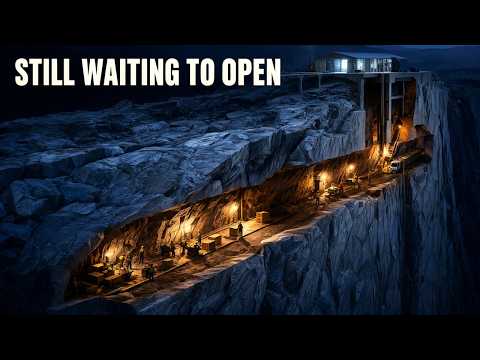
该设施位于芬兰西部埃乌拉约基的奥尔基洛托。地上封装厂与地下处置设施相连;STUK 于 2021 年 9 月发布的说明称,经容器提升井转运下去的容器,其预定存放深度为 420 米。这是有记录的处置库深度,并非整个地下设施中每条隧道的测量值。6 29
Onkalo 最初是一座地下研究设施,研究人员在那里调查奥尔基洛托的基岩是否适合最终处置。研究、建设和测试都是为了同一个最终目标。但在岩层中开挖、组装处置设备并演练其使用,与永久处置放射性乏燃料是不同的成就。30
Posiva 的所有者是 Teollisuuden Voima(简称 TVO)和 Fortum Power and Heat。其处置计划涵盖奥尔基洛托和洛维萨核电站的乏燃料,据称服务于芬兰的五座反应堆。洛维萨属于该计划的范围,尽管 Fortum 持有针对其发电站及相关废物管理设施的单独许可。本报道未能独立核实 Onkalo 最终运营许可证中逐座反应堆的具体条件。17 6 1 12
公布的设计容量为 6,500 吨铀。这个单位很重要:它衡量的是燃料所含铀的数量,而不是燃料、容器和其他包装材料的总重量。这也是一个设计数值,并非根据最终运营许可证独立确认的具有约束力的上限。1
获得运营许可的漫长历程
测试整个系统,而不只是机器
调试不仅仅是检查各台机器能否启动。Posiva 的综合试运行旨在测试设备、系统、流程和组织的整体运作,也包括预计将操作这些设施的人员。处置库必须作为一项协调运行的整体发挥作用,而不只是由一系列已完成的组件拼成。35
此前已经开展了大量准备工作。2024 年 5 月 3 日,Posiva 报告称,地下通风和管道工程已完成,并已调试至试运行所需的程度。这意味着已准备好进入一个特定的测试阶段,并不表示所有调试工作都已完成。36
2024 年 8 月 30 日,使用非放射性模拟燃料元件的试运行开始。12 月 16 日的一则更新证实,综合试运行已于 8 月底开始,测试未使用乏核燃料。这些报道表明演练已经启动,但不能证明整个试运行计划已经完成并最终验收。34 35
之后的一项批准同样有明确范围。2025 年 11 月 25 日,Posiva 报告称,STUK 已批准一项挤压铜管的制造计划,该铜管是处置容器铜壳的一部分。这是对部件计划的批准,并非对整个完工容器的批准,也不代表允许处置库开始运营。制造许可也不应被误认为已经证明其具备长期密封能力。39
10 月宣布颁发许可证是更具实质意义的一步,但其法律细节仍须谨慎对待。Posiva 的公告记录了许可证的颁发;本报道未能独立取得政府最终决定文件。因此,这里无法确认许可证的有效期、具有约束力的数量限制和详细条件,早前的申请文件也不能替代最终决定。2 14
费用不止于建设成本
财务数据也需要采用可比的严谨标准。半岛电视台称该场址的估算成本为 $1.16 billion。另据法国媒体 10 月 23 日报道,建设成本约为 €1 billion。这些数据涉及同一项目,不应相加;目前尚未确定这两项估算之间的精确换算关系。两者都不是对该设施整个运营期总成本的经核实估算。1 23
国际核信息系统中一份与 Posiva 相关的处置设施成本记录,说明了更广泛的责任范围:地下岩层特征调查、地上和地下投资、运营、退役封装厂以及关闭处置库。建造 Onkalo 只是支付永久处置费用的一部分。尚未核实是否存在一份注明日期的运营方基准文件,将所有这些责任与公布的建设成本估算联系起来。21
尚未解决的问题是时间安排。目前没有经核实的逐项测试完成时间表、STUK 最终启用前验收的确认日期,也没有启用日期。由首席执行官 Ilkka Poikolainen 领导的 Posiva 仍须完成调试工作并取得监管机构批准。10 月颁发的许可证让 Onkalo 更接近其目标,但并未证明任何放射性乏燃料已经在那里得到永久处置。1
播出原貌 17 行
- Finland is preparing to bury spent nuclear fuel 420 metres underground. Posiva says the government has granted Onkalo an operating licence. The project would create the world's first permanent underground disposal route for spent fuel from commercial reactors. When can Finland turn that permission into permanent disposal?
- Onkalo is at Olkiluoto in Eurajoki, western Finland. Its disposal programme serves fuel from the Olkiluoto and Loviisa nuclear power plants. Those plants belong to TVO and Fortum, the companies that own Posiva.
- The programme is intended to serve Finland's five reactors. Its practical purpose is to give their spent fuel a permanent destination. Other countries already have disposal facilities for low- and intermediate-level radioactive waste. Onkalo's first-of-its-kind role concerns spent fuel from commercial nuclear power plants.
- The government granted the licence on October 22, Posiva says. Before disposal begins, the company must complete commissioning tests and inspections. Finland's Radiation and Nuclear Safety Authority, known as STUK, must verify and approve that work.
- Commissioning means checking that the facility and its organisation can carry out their jobs together. Posiva has already tested equipment and procedures using dummy fuel. That work prepares the route for spent fuel, with regulatory acceptance still ahead.
- Posiva, led by chief executive Ilkka Poikolainen, links an above-ground encapsulation plant with an underground disposal facility. A canister-hoist shaft is designed to take disposal canisters down to the repository level, documented at 420 metres.
- That depth describes the planned destination of the canisters. Onkalo began as an underground research facility, where investigators studied whether Olkiluoto's bedrock was suitable for final disposal. The investigation, construction and testing have built toward the same goal: placing spent fuel underground permanently.
- Onkalo's stated design capacity is 6,500 tonnes of uranium. That measures the uranium associated with the fuel. The canisters and other packaging add mass of their own. The figure describes the facility's design capacity.
- Posiva's preparations stretch back well over a decade. The company applied for a construction licence on December 31, 2012. By January 2018, Finland was the only country that had begun building a repository for final disposal of its spent nuclear fuel.
- Posiva submitted its operating-licence application on December 30, 2021, while construction was still under way. That began the request for operating permission. The government grant announced this October came almost five years later.
- Underground ventilation and piping reached the readiness needed for a trial run, Posiva announced on May 3, 2024. The systems had been completed and commissioned far enough to support that test phase. The trial would then bring equipment and people together.
- Test operation began on August 30, 2024, using non-radioactive dummy fuel elements. The integrated trial tested how equipment, systems and processes worked together, alongside the organisation and personnel expected to run them.
- A December 16 update confirmed that the trial had begun at the end of August and used no spent nuclear fuel. Further approvals followed. On November 25, 2025, Posiva announced STUK's approval of a construction plan for an extruded copper tube used in the disposal canister's copper shell.
- The copper approval covered that component's construction plan. STUK's safety assessment was published on August 4, 2026, moving the operating licence into government preparation. October's grant advanced the project again, while leaving commissioning approval as the next gate.
- The site's estimated cost is 1.16 billion dollars. A separate construction estimate puts the building cost at about one billion euros. Both figures concern Onkalo, and they shouldn't be added together. The broader financial commitment continues through operation and eventual closure.
- A disposal facility's lifetime costs can cover underground characterisation, investment above and below ground, and operations. They can also include decommissioning the encapsulation plant and closing the repository. Those obligations extend beyond the work of building it.
- Posiva still has to finish commissioning tests and inspections, and STUK must accept that work before permanent disposal begins. Nobody has set an opening date.
来源
50 个来源22 家媒体
posiva.fi10
- Posiva - Historic decision: Finnish Government grants operating licence to Posiva
- Posiva - STUK’s safety assessment takes the world’s first final disposal facility closer to an operating licence
- Introducing ONKALO and its principle of operation
- ANNUAL REPORT
- Posiva - Introducing ONKALO and its principle of operation
- Posiva - Test operation – Countdown to starting final disposal
- Posiva - Trial Run ensures safety of final disposal
- Posiva - Underground final disposal facilities achieve readiness for Trial Run of Final Disposal
- Posiva - Posiva yet another step closer to start of final disposal - STUK approves construction plan for Posiva’s extruded copper tube
- Posiva - Final disposal
iaea.org7
- Cost estimate of Olkiluoto disposal facility for spent nuclear fuel | INIS – International Nuclear Information System
- Experiences from 40 Years of Safeguards-by-Design to the Operation of the Deep Geological Repository in Finland
- SRIS - Spent Fuel and Radioactive Waste Information System
- A sustainable solution for spent fuel and high level waste disposal | IAEA
- Solving the Back End: Finland's Key to the Final Disposal of Spent Nuclear Fuel
- Joint Convention on the Safety of Spent Fuel Management and on the Safety of Radioactive Waste Management. 8th Finnish National Report as referred to in Article 32 of the Convention
- Solving the back end: Finland’s key to the final disposal of spent nuclear fuel
tem.fi5
- MEAE to prepare operating licence for spent nuclear fuel disposal facility of Posiva, taking into account Radiation and Nuclear Safety Authority's safety assessment - Ministry of Economic Affairs and Employment
- DECISION VN/7906/2022
- OPERATING LICENCE APPLICATION
- UNOFFICIAL TRANSLATION
- Posiva to apply for an operating licence for a spent nuclear ...
stuk.fi4
- Oversight reports of final disposal facility | Säteilyturvakeskus STUK
- Encapsulation and final disposal facility | Säteilyturvakeskus STUK
- Säteilyturvakeskuksen turvallisuusarvio Posivan käyttölupahakemuksesta
- Kysymyksiä ja vastauksia Posivan käyttölupahakemuksesta, STUKin lausunnosta ja loppusijoituksesta muutenkin
BBC Newsbbc.com1
dailyfinlanddailyfinland.fi1
France 24france24.com1
Interesting Engineeringinterestingengineering.com1
POWER Magazinepowermag.com1
Site Selection Magazinesiteselection.com1
- 首次报道于
- Hiding Place
The Independent Global Nuclear News Agencynucnet.org1
valtioneuvosto.fi1
wikipedia.org1最先
来源地图
追溯本篇报道的依据。图谱展示其关联;下方链接可打开本文引用的来源。
来源图谱将在您阅读时加载。
译文更新于
修订记录
- r1首次发布。