
World · Hormuz vessel fireContinuing story · report 5 of 6
Vessel reported on fire in Hormuz. Are the people aboard safe?
A captain reported a burning vessel nine nautical miles north of Khasab, Oman. Crew safety, the cause and the outcome remain unknown; cautious-transit advice does not establish a closure.
Transcript · LOADING
Continuing storyDay 77
6 reports40 outlets60 sources4 videos
Full story- No dated events yet
 Update 1Hormuz Grinds Toward Standstill as Tanker Strikes and Blockade Threat Collide
 Update 2Two UAE Tankers Hit as Hormuz Traffic Falls to Fraction of Normal
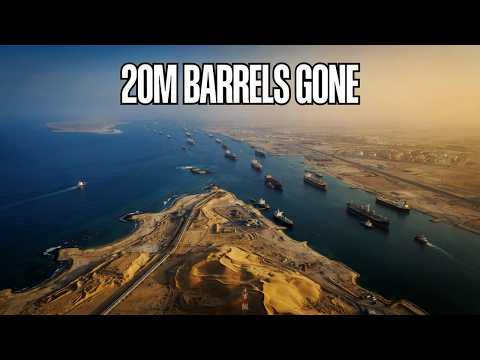 Update 3Hormuz Goes Quiet: 10 Crossings a Day as U.S.-Iran Truce Expires
 Update 4180 Days: World's Oil Chokepoint Still Shut
 Update 5Vessel reported on fire in Hormuz. Are the people aboard safe?You are here
 Update 6Hormuz tanker resumes voyage after explosive attack; crew reported safeNewer
What changed since our last report
62 days later
Then
180 Days: World's Oil Chokepoint Still ShutStill open then
- No verified barrel-per-day flow, insurance rate, reserve-release total, or reopening date can be established from these sources.
- No confirmed count of how many transits are coordinated, escorted, or shadow-fleet movements.
We said we'd watch for
- Whether Tehran's conditions for normal traffic become a negotiable offer.
- Whether the Iran-Oman shipping-route talks produce a corridor insurers and owners will use.
Now
A captain reported a burning vessel nine nautical miles north of Khasab, Oman. Crew safety, the cause and the outcome remain unknown; cautious-transit advice does not establish a closure.
Now established
- A third-party captain reported a vessel on fire north of Khasab; UKMTO advised cautious transit while authorities investigate.
Are the people aboard safe? That is the urgent question after a ship’s captain reported seeing another vessel on fire in the Strait of Hormuz, about nine nautical miles north of Khasab, Oman. Reporting published on Thursday, October 29, 2026, relayed the sighting through United Kingdom Maritime Trade Operations, or UKMTO, but offered no answer about the crew’s condition. 1
The account is specific about where the vessel was seen and limited about almost everything else. There is no confirmed vessel name, crew count or rescue outcome in the available information. Iran International’s reporting, updated at 10:22 GMT on October 29, still described the crew’s status as unknown. That does not establish that anyone was injured, killed or missing; it means their safety has not been established publicly in the reporting checked. 5
UKMTO’s reported response was to advise ships to transit cautiously and report suspicious activity while authorities investigate. That is a practical warning for nearby crews—not an announcement of a closure, an exclusion zone or a mandatory diversion. 3
What the captain’s sighting establishes
Arab News, Anadolu Ajansı and Deutsche Welle describe the same basic chain of information: the master of another ship saw a vessel on fire and reported it to UKMTO. These are accounts of a captain’s observation relayed by the maritime agency, not separate eyewitness confirmations from each news organization. 1 2 3
The reported position was nine nautical miles, approximately 17 kilometers, north of Khasab. The Omani town is the geographical reference for the sighting; the reports do not place the fire inside its port. Nor does that position identify the vessel or establish its destination. 2
There is also a consequential gap in the clock. October 29 is the established publication date, but the precise time of the sighting was not given. The account therefore supports saying that a vessel was seen burning—not that it is still burning, or that the fire lasted a particular number of hours. 3
The original dated UKMTO bulletin and any subsequent primary-authority update could not be independently checked. That limits what can be said about the incident’s progression. Repeated coverage of the initial sighting is not, by itself, a later confirmation that an emergency remains under way.
A reported fire is not yet an established cause, a crew outcome or a change in the strait’s operating status.
The cause remains unreported. Deutsche Welle separately carried an Iranian Revolutionary Guards claim that three tankers had struck sea mines and caught fire in the preceding 24 hours, while explicitly noting that it was not known whether the vessel reported to UKMTO was one of them. That claim cannot supply the missing explanation for this fire. 2
The same restraint applies to the vessel’s condition. No verified identity has been established, and the available information does not justify assigning it a particular vessel type. No damage assessment or environmental-impact report was available in the UKMTO account described by Anadolu. Missing information is not evidence that the ship escaped serious damage or that no pollution occurred. 3
A warning, not a route-wide verdict
Hormuz carries global oil and natural gas supplies, which makes any reported ship fire there consequential beyond the vessel itself. But the waterway’s importance is a reason to distinguish carefully between an incident warning and evidence of disruption—not a reason to treat the two as interchangeable. 2
On August 17, HeyDay News reported that shipping through the strait was blocked. On August 28, we reported that it remained largely shut. Those were earlier accounts of the wider route. The October 29 development is a new vessel-fire sighting; it does not establish a new strait-wide closure, a reopening or the continuation of the precise conditions we described in August.
No specific interruption to other ships’ journeys has been established from this incident. The reported navigation advice asks crews to proceed cautiously and report suspicious activity. It should not be read as an assurance that passage is safe, but neither does it establish that passage has been prohibited. 3
Known
Unknown
- The vessel’s verified identity, crew condition, cause of the fire, damage, environmental consequences and final outcome remain unresolved.
Next
- A dated authority or operator update identifying the ship and establishing what happened to the people aboard.
The most useful next information would connect the sighting to an identifiable ship and a documented response: whether assistance reached it, whether anyone evacuated and whether the fire was extinguished. Until then, the central distinction is simple. There is a reported fire and an unanswered question about the crew—not a verified account of how the incident ended.
As aired 8 lines
- A ship's captain saw another vessel on fire in Hormuz. Authorities are investigating, and ships have been advised to pass cautiously through this key energy route. The urgent question is whether the people aboard are safe.
- Shipping through the strait was blocked when we reported on August 17. On August 28, we reported it was still largely shut. The new development is a captain's sighting of a burning vessel, reported on October 29.
- The vessel was seen about nine nautical miles north of Khasab, Oman, in the Strait of Hormuz. That's approximately 17 kilometers offshore from the town's reference position. Khasab is the location used to describe where the captain saw the fire.
- The captain of another ship reported the blaze to United Kingdom Maritime Trade Operations, known as UKMTO. The sighting's time hasn't been given, so it's unclear whether the fire is still burning.
- Khasab sits beside a waterway used to carry global oil and natural gas supplies. Ships moving through the area have been told to use caution while authorities investigate the fire sighting north of the town.
- UKMTO's instruction asks vessels to transit cautiously and report suspicious activity. That gives nearby crews a practical warning while the investigation continues. The incident's effect on other ships' journeys hasn't been confirmed.
- The captain saw a fire. Separately, Iran's Revolutionary Guards claimed three tankers had hit sea mines and caught fire in the preceding 24 hours. Nobody has confirmed a connection between that claim and the vessel seen north of Khasab.
- The next update needs to identify the vessel and explain what happened to the people aboard. UKMTO says the crew's condition is unknown. There's no damage or environmental assessment yet.
Sources
11 sources9 outlets
Arab Newsarabnews.com2
Deutsche Welledw.com2
Anadolu Ajansıaa.com.tr1
- First reported
- Fire reported on vessel in Strait of Hormuz: UKMTO
EconoTimeseconotimes.com1
- First reported
- UKMTO Receives Report of Vessel on Fire Near Khasab, Oman
Iran International | Iran Internationaliranintl.com1First
Lana Timelanatime.com1
- First reported
- Vessel on fire in Strait of Hormuz near Oman
tradewindsnews.com1
Voice of Emiratesvoiceofemirates.com1
- First reported
- Strait of Hormuz: Urgent investigation into fire incident
رؤيا نيوز - صدق رؤيا اخبارroyanews.com1
Source map
Follow the evidence behind this report. The map shows its connections; the links below open the sources cited in this article.
Source map loads as you read.
Revision log
- r1First published.