
Energy · Houthis strike Saudi refineriesContinuing story · report 2 of 5
Houthis hit Saudi oil sites as U.S. and Iran pause strikes
Houthi missiles hit Aramco sites in Jizan and Yanbu as Washington held fire for the first time in two weeks, driving Bab al-Mandeb oil exports to near zero.
Transcript · LOADING
Continuing storyDay 5
5 reports37 outlets54 sources5 videos
Full story- No dated events yet
 Update 1A Quarter of the World's Oil Is One Strait Away from Disruption
 Update 2Houthis hit Saudi oil sites as U.S. and Iran pause strikesYou are here
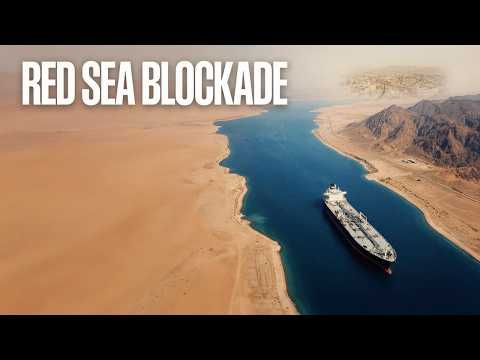 Update 3Eleven Hurt in Najran, Eight Tankers Claimed: Houthis Push Blockade North to YanbuNewer
 Update 4Netanyahu Rejects 15-Point U.S. Gaza Plan as Houthis Hit Saudi TargetsNewer
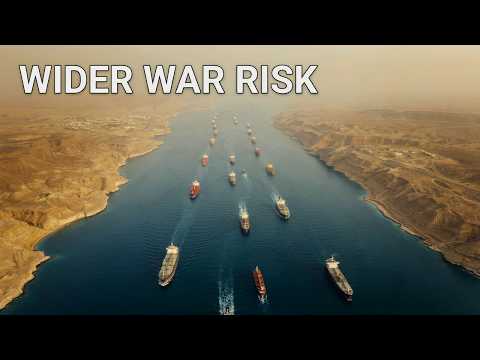 Update 5Eight Tankers Claimed Hit as UN Warns Houthi-Saudi Strikes Risk Wider WarNewer
What changed since our last report
5 days later
Then
A Quarter of the World's Oil Is One Strait Away from DisruptionStill open then
- The exact Houthi spokesperson quoted in some early coverage cannot be verified from the available reporting.
- Whether the Houthis have the maritime capacity to enforce a sustained blockade, or whether the declaration is primarily a signaling move.
- The true combined share of world oil transit exposed if both Hormuz and Bab el-Mandeb are simultaneously disrupted — sources cite figures between roughly seventeen and twenty-five percent.
We said we'd watch for
- Whether more tankers reroute in the next forty-eight hours, and whether Saudi Arabia secures alternative shipping arrangements before Yanbu-bound traffic is meaningfully throttled.
- Whether U.S. or coalition naval forces in the region are repositioned to escort commercial traffic through the southern Red Sea.
Now
Houthi missiles hit Aramco sites in Jizan and Yanbu as Washington held fire for the first time in two weeks, driving Bab al-Mandeb oil exports to near zero.
Now established
- Houthis fired on Aramco sites in Jizan and Yanbu on July 25 while the U.S. paused strikes on Iran.
- Saudi Arabia rerouted Asia-bound crude via Suez after Bab al-Mandeb exports fell to near zero.
- Washington cited talks for the pause and Tehran linked its restraint to a continued U.S. halt.
Near zero is the number that defines this moment. Saudi oil exports through the Bab al-Mandeb Strait have fallen to near zero after Houthi attacks, forcing the kingdom to shift all Asia-bound crude exports to the Suez Canal route 4. The strait off Yemen is the southern gate to the Red Sea, the narrow passage every tanker must clear to move between the Indian Ocean and the Suez. When that flow effectively stops, distance grows, voyages lengthen, insurance hardens, and a war centered on the United States and Iran suddenly lives in the shipping schedules the rest of the world depends on.
On Saturday, July 25, 2026, Iran-aligned Houthi forces in Yemen fired missiles and drones at two Saudi Red Sea oil facilities, Saudi Aramco sites in Jizan and Yanbu 2368911. The attack opened what regional reporting described as a new front in the U.S.-Iran war, striking the energy infrastructure of a U.S. partner while the two principal combatants held their fire 23. It was a deliberate expansion, not spillover, aimed at the intersection of oil, shipping and alliance pressure.
The timing mattered as much as the targets. For the first time in roughly two weeks, the United States held off on strikes against Iran overnight, ending a run described in one report as 13 days of nightly strikes 236811. Iran paused its retaliatory attacks in parallel 236. The pause came without announcement or explanation from Washington 6, and Tehran reciprocated only conditionally, signaling restraint rather than settlement.
Inside Saudi Arabia, the attack registered first as sirens. Civil defense authorities said alerts sounded multiple times early Saturday in both Jizan and Yanbu, but the kingdom did not comment further on damage or operations 9. Air defenses intercepted some of the incoming missiles 711. The limited official account left the scale of impact unclear, even as the Houthis claimed success and Riyadh stayed largely silent beyond the warnings to residents.
Houthi claim meets Saudi response
Houthi military spokesperson Yahya Saree said the group had struck Aramco facilities in Jizan and Yanbu, with the Jizan claim reported as a successful strike on sites belonging to the Saudi state oil company 7811. Saudi-backed forces answered by bombing Houthi positions and striking a Yemeni port in response 7. The exchange followed a familiar pattern in Yemen, retaliation meeting retaliation, except now it was explicitly tied to the wider U.S.-Iran confrontation and to Red Sea shipping.
The Houthis also declared a maritime embargo and blockade on Saudi-linked shipping 4. Saudi Arabia responded operationally rather than rhetorically, rerouting all Asia-bound crude exports through the Suez Canal as Houthi pressure drove Bab al-Mandeb oil exports to near zero 4. The decision treats the Red Sea passage as unsafe for normal commercial planning and accepts the longer, costlier northern route as the price of keeping crude moving to Asian buyers.
Diplomacy hovered behind the quiet. U.S. Ambassador to the United Nations Mike Waltz said on NBC that the pause in U.S. strikes was due to ongoing talks between the two countries 3. An Iranian source said Iran will halt attacks as long as the United States maintains its bombing pause 5. Put together, those statements describe a tacit, conditional de-escalation, talks sustaining restraint and restraint sustaining talks, with neither side announcing a ceasefire or accepting an obligation beyond the next night.
had targeted and successfully struck sites belonging to Saudi state oil giant Aramco in Jizan
The broader war did not actually grow quieter. The conflict is nearing its fifth month 310, and Iran passed another night without U.S. strikes on Sunday only while friction built elsewhere 10. Separately, Iran accused Ukraine of a deadly attack on an Iranian vessel in the Caspian Sea, extending the conflict to a second front far from the Red Sea 23. The map now stretches from the Persian Gulf to the Red Sea to the Caspian, with different actors striking different targets under the same strategic umbrella.
That diffusion is the danger. A bilateral U.S.-Iran exchange can be paused by mutual calculation, as this weekend showed, but a Houthi campaign against Saudi oil and shipping follows its own logic and timetable 247. Even if Washington and Tehran hold their fire, attacks on Jizan, Yanbu and Bab al-Mandeb traffic keep energy markets on edge and keep Riyadh inside the line of fire. Saudi silence on damage 9 and Washington silence on the pause 6 leave the public record thin, filled mainly by Houthi claims and shipping data.
Known
Unknown
- No verified account of damage at Jizan or Yanbu, or of how long Suez rerouting will last.
- No confirmed terms, timeline or venue for the talks described as behind the pause.
Next
- Whether the U.S.-Iran pause survives a second week and whether Red Sea shipping resumes.
- Whether Saudi Arabia details interception results, damage, or further retaliation in Yemen.
Sources
11 sources11 outlets1 video
Al Jazeeraaljazeera.com1
Baird Maritime / Work Boat Worldbairdmaritime.com1
HeyDay News11 video
nationalpostnationalpost.com1
NBC Newsnbcnews.com1
The Nationalthenationalnews.com1
The New Indian Expressnewindianexpress.com1
ThePrinttheprint.in1
Source map
Follow the evidence behind this report. The map shows its connections; the links below open the sources cited in this article.
Source map loads as you read.
Revision log
- r1First published.