
Conflict · Houthis hit Saudi portContinuing story · report 4 of 5
Netanyahu Rejects 15-Point U.S. Gaza Plan as Houthis Hit Saudi Targets
A 15-point U.S. plan agreed to by Hamas was rejected by Israel, and Houthi strikes on Saudi and Yemeni targets widened the crisis the same night.
Transcript · LOADING
Continuing storyDay 20
5 reports37 outlets54 sources5 videos
Full story- No dated events yet
 Update 1A Quarter of the World's Oil Is One Strait Away from Disruption
 Update 2Houthis hit Saudi oil sites as U.S. and Iran pause strikes
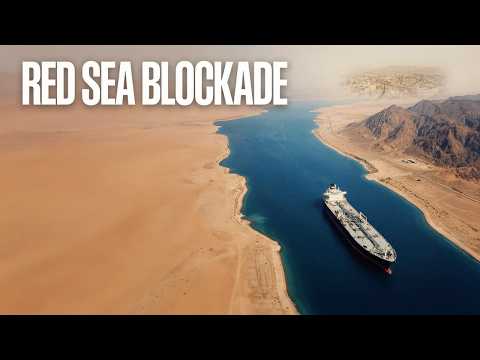 Update 3Eleven Hurt in Najran, Eight Tankers Claimed: Houthis Push Blockade North to Yanbu
 Update 4Netanyahu Rejects 15-Point U.S. Gaza Plan as Houthis Hit Saudi TargetsYou are here
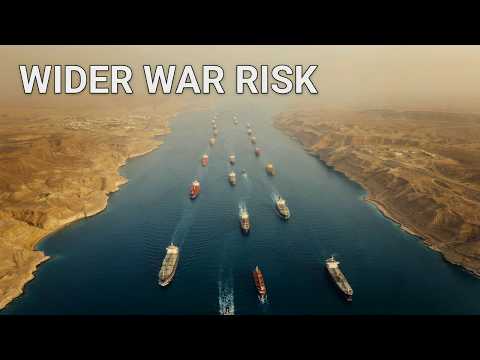 Update 5Eight Tankers Claimed Hit as UN Warns Houthi-Saudi Strikes Risk Wider WarNewer
What changed since our last report
48 hours later
Then
Eleven Hurt in Najran, Eight Tankers Claimed: Houthis Push Blockade North to YanbuStill open then
- No independent confirmation exists for the casualty tolls or the full eight-vessel claim.
- No verified Saudi retaliatory strikes inside Yemen are documented in the sources reviewed.
We said we'd watch for
- Whether Riyadh shifts from evaluating options to sustained strikes, and whether Red Sea traffic reroutes or halts.
Now
A 15-point U.S. plan agreed to by Hamas was rejected by Israel, and Houthi strikes on Saudi and Yemeni targets widened the crisis the same night.
Now established
- Netanyahu rejected the 15-point US-backed Gaza plan on August 9 and refused withdrawal before genuine Hamas disarmament.
- Hamas had agreed to the plan and reiterated its commitment, according to multiple reports.
- Houthi strikes hit a Saudi oil facility and a Yemeni port late the same night.
Fifteen points were supposed to end the war in Gaza. On Sunday, August 9, 2026, one man said no to all of them, and within hours the wider war threatened to get bigger anyway. 8 3 5 9
The document at the center of the day was a 15-point plan issued by President Donald Trump's so-called Board of Peace, the latest American attempt to trade Hamas disarmament for an Israeli withdrawal from Gaza. 8 9 6 It was not an obscure draft or a trial balloon. It had the weight of Washington behind it, it had been presented as a path to wind down nearly two years of war, and according to multiple reports, it had already been accepted on one side. 9 2 6
Then, at a cabinet meeting in Jerusalem on Sunday, Israeli Prime Minister Benjamin Netanyahu rejected it outright. 8 3 5 9 His condition was blunt and familiar: Israeli forces would not pull back from Gaza until Hamas was disarmed for real. Other accounts rendered his formulation as no withdrawal until Hamas fully disarms or before the full disarmament of Hamas, but the meaning did not vary. 9 3 6 7 4 The plan as drafted would have seen Israeli forces pull back as Hamas disarms, a sequencing Netanyahu described as unacceptable without what he called genuine disarmament. 9 6
What makes the rejection striking is not only the substance but the alignment it broke. The 15-point document was agreed to by Hamas, according to France 24, and Hamas reiterated its commitment to the plan in other reporting. 9 2 6 In other words, the group Israel says must disarm had endorsed the American roadmap, while the government being asked to withdraw had not. That inversion is the story of August 9: a US plan with Hamas assent and Israeli refusal, leaving Washington and Jerusalem publicly at odds.
Multiple outlets described the moment as a rare public break between Netanyahu and Trump. 5 9 It came after Trump had said the plan had Netanyahu's backing, a claim the Sunday decision directly contradicted. 10 The context inside Gaza added to the tension. Israel's military has effectively halted attacks in Gaza under US pressure, even as no political settlement has been reached. 7 A ceasefire in practice, in other words, without a deal on paper.
will not carry out any withdrawal until Hamas is genuinely disarmed
Domestic politics explains part of the calculation, though it does not settle it. Netanyahu faces an election on October 27, a date cited across American and British coverage as the hard clock behind his maneuvering. 7 11 Any agreement that looks like withdrawal before disarmament carries obvious cost with his base and his cabinet partners, and any agreement that looks like deference to Washington carries its own cost with voters who prize defiance. The White House had not officially commented in the immediate aftermath captured in the available reporting, and one account noted only truncated reporting about the American reaction. 11 Analysts quoted in that same coverage said the rejection is unlikely to be the final word, a reminder that public noes in this relationship have often been openings to further negotiation rather than endings. 11
Strikes add a second front
Late the same night, the crisis widened geographically. Headline reporting from the Los Angeles Times confirmed Houthis strike Saudi oil facility and Yemeni port, matching the core of the overnight accounts of coordinated attacks on Saudi energy infrastructure and a Yemeni port city. 2 That confirmation matters because it establishes two fronts at once: a diplomatic rupture over Gaza in Jerusalem, and kinetic escalation around the Red Sea and Saudi Arabia within hours.
What can be said beyond that headline is limited by what the available source texts actually contain. The provided excerpts do not include the Houthi military spokesman's statement, confirmation of specific site names, casualty or damage assessments, or the current operational status of the port or the refinery. The research file is explicit on this point: details such as the identity of the spokesperson, the naming of particular cities and facilities, and claims about damage remain outside the confirmable record in the excerpts supplied. The only additional fragment on the regional picture is a teaser noting that Iran and Oman advance a temporary plan to reopen the Strait of Hormuz. 2 That line hints at how sensitive energy markets and shipping lanes already were, but it does not by itself establish the authorization chain for the Houthi attacks or their precise effect.
The restraint in the sourcing should not obscure the risk. Strikes that touch Saudi energy infrastructure, Red Sea shipping and port operations inevitably raise the prospect of retaliation and of disruption to global energy markets already strained by tensions around the Strait of Hormuz. Even without confirmed damage figures, the signal is escalatory: as diplomacy over Gaza stalled in Jerusalem, force was being used elsewhere in the region. Whether the two developments were coordinated, opportunistic, or merely coincident in timing cannot be determined from the sources provided, and the specific authorization chain for the Houthi attacks remains unclear.
There is also an unresolved sequencing dispute at the heart of the Gaza impasse. The American design envisions Israeli pullback proceeding alongside Hamas disarmament. 9 6 Netanyahu insists withdrawal must wait until disarmament is genuine and complete. 9 3 6 7 Hamas, having endorsed the roadmap, has reiterated its commitment to the plan, which in practice puts the onus back on Israel to move. 2 6 9 Each side is effectively demanding the other move first, and the US is left trying to hold together a plan that one party has accepted and the other has rejected.
Known
Unknown
- No verified damage toll, operational status for the port or refinery, spokesperson statement, or authorization chain for the Houthi strikes is established in the available excerpts.
- No confirmed White House response or final status of US-Israel talks after the rejection is established in the available excerpts.
Next
- Whether Washington reworks the 15 points, pressures Jerusalem, or lets the rejection stand through the October 27 election.
- Whether the Houthi strikes draw Saudi or wider retaliation and affect Red Sea shipping and energy flows.
The honest reading is that August 9 produced stalemate, not settlement. Israel has paused major attacks without agreeing to withdraw. 7 Hamas has endorsed a plan without having disarmed. 9 2 Washington has a public break with an ally it claimed to have on board. 5 9 10 And the region has fresh strikes whose full scope is not yet documented but whose location alone is enough to alarm oil markets and port operators. 2
Sources
11 sources11 outlets1 video
ABC listenabc.net.au1
France 24france24.com1
HeyDay News11 video
Los Angeles Timeslatimes.com1
the Guardiantheguardian.com1
USA TODAYusatoday.com1
Source map
Follow the evidence behind this report. The map shows its connections; the links below open the sources cited in this article.
Source map loads as you read.
Revision log
- r1First published.