
Science · Maugean skate
Skate habitat decision could reshape salmon farming in Macquarie Harbour
Scientific advisers say the skate’s last confirmed refuge qualifies for protection. The boundary and management plan could reshape salmon farming—but no declaration has been made.
Transcript · LOADING
Story trackerDay 1
1 report13 outlets24 sources
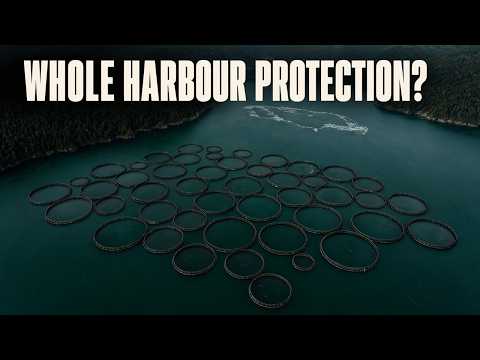
Salmon farmers in Tasmania’s Macquarie Harbour could be required to stock fewer fish—or potentially stop farming there—if proposed protections for the endangered Maugean skate lead to substantial new controls. For the skate, the stakes are its only confirmed surviving refuge. Neither outcome has been settled: scientific advisers have recommended critical-habitat protection, but the state has not declared it. 1
That gap between scientific advice and legal action is the central issue in government documents reported by ABC Tasmania on October 28. Tasmania’s Scientific Advisory Committee has concluded that Macquarie Harbour qualifies for protection. Department secretary Jason Jacobi must now decide, with no announced timetable or proposed boundary. Those boundaries, and the management measures that follow, will determine what protection actually requires of the salmon industry. 1
The harbour on Tasmania’s west coast is shared by three major aquaculture companies producing thousands of tonnes of salmon annually. A declaration would be the first critical-habitat designation since the state’s Threatened Species Protection Act came into force three decades ago. It would not, by itself, amount to an announcement that farms must close. 1
A refuge with little room for error
The skate’s predicament is unusually concentrated. A 2026 study in Endangered Species Research identifies Macquarie and Bathurst harbours as its two known population locations, but says the species has not been recorded in Bathurst since 1992. The paper describes a potential functional disappearance there—not proven extinction. Macquarie remains the only confirmed surviving population location. 24
In April, Tasmania’s Scientific Advisory Committee wrote to the environment department after receiving advice from four independent experts. They agreed that Macquarie Harbour was critical to the skate’s survival and recovery. They identified declining dissolved oxygen, aquaculture impacts and climate influences as interacting threats posing a high risk. Importantly, they also found that at least some threats could be managed through targeted human intervention across the harbour. 1
The committee’s conclusion was explicit: “Macquarie Harbour meets the criteria for designation as a critical habitat for the Maugean skate.” This is advice that intervention could help, not a finding that the species is beyond saving. 1
The historical warning is severe. An Institute for Marine and Antarctic Studies report, described by ABC, found that skate numbers fell 64 per cent between 2014 and 2021 as oxygen levels declined. Salmon farming expanded substantially over that period. That history establishes the urgency; it does not provide a population count for 2026 or isolate every contributing cause. 1
The department says recent monitoring has shown “encouraging signs” for the skate and harbour conditions, but supplied no new population count or measured trend with which to judge the improvement. Several captive-bred skates were released into the harbour in June 2026. Neither that intervention nor the department’s reassurance establishes that the remaining population is secure. 1
The boundary is a substantive decision
The legal responsibility rests with Jacobi, not the advisory committee. Section 23 of the state act says the secretary must determine habitat as critical if, after consulting the committee, the secretary is satisfied it is critical to a listed species’ survival. The scientific recommendation is therefore consequential, but it is not itself the legal determination. 2
In August, Jacobi approved A$12,800 for further independent advice on geographical boundaries. His request sought scientifically defensible options ranging from the “smallest ecologically meaningful area” to broader practical boundaries where supported by evidence. Whether protection would cover all of Macquarie Harbour remains unresolved. 1
According to ABC’s account, a declaration would require a management plan to be developed within 90 days, in consultation with affected landowners and leaseholders. That is a clock that starts after a declaration, not a deadline already running. University of Tasmania environmental law expert Jan McDonald says the plan could impose additional controls on farms. 1
The land management plan could potentially require significant destocking and potentially the cessation of salmon aquaculture in Macquarie Harbour.
McDonald also stressed that the outcome depends on the designated area and what conservation and management require. Compensation to affected parties could become an issue, she said. No entitlement, payment amount or public cost has been determined. Reduced stocking and cessation are possible consequences of later decisions, not measures already ordered. 1
Environment Tasmania, working with the Environmental Defenders Office, wants the entire harbour included: the salmon-farm areas as well as the section within the Tasmanian Wilderness World Heritage Area. Its representative Jess Coughlan argues that the skate’s whole remaining environment needs protection. The practical question is whether a smaller legal boundary could adequately protect a species exposed to interacting threats across the waterway. 1
Independent MP Peter George, whose Right to Information request exposed the deliberations, supports protection even if farming must shrink or end. His description of salmon farming as the harbour’s biggest problem is his assessment; the scientific advice identifies multiple interacting threats. Greens deputy leader Vica Bayley also wants urgent action, warning of summer heat risks. His warning is a call for precaution, not evidence that particular heatwaves or future population losses have been established. 1
Oxygen pumping is not proof of recovery
Salmon Tasmania has not directly said whether it supports the proposed designation. Its response instead emphasises research, oxygenation and reduced production. It says “aquaculture coexists with the Maugean skate in the Harbour” and that production has “significantly reduced”, without supplying a reduction figure or comparison period. Those assurances do not settle whether existing controls are sufficient—or whether a future management plan would permit farming to continue unchanged. 1
Mitigation is already underway. Salmon Business reported on September 8 that updated, EPA-approved plans require farms to offset 10.3 tonnes of oxygen consumption a day, with oxygenated water pumped at depths of 30 to 40 metres. The daily figure is consumption attributed to marine farming, not total oxygen demand throughout the harbour. A regulatory requirement and a description of pumping do not establish full delivery, a restored oxygen balance or skate recovery. 18
A Fisheries Research and Development Corporation project listing puts the budget expenditure for moving oxygenation from pilot scale to operational function at A$3.75 million. Led by Sean P. Riley through Salmon Tasmania, it lists dates from July 3, 2025, to June 29, 2026, yet remains labelled current. The listing supplies no final performance result. It demonstrates an investment in mitigation, not proof that the intervention provides enough protection. 20
A separate route to stronger protection
The state decision follows the narrowing of another protection route. Environmental groups sought reconsideration of the federal government’s 2012 approval for expanded salmon farming after the skate’s decline. Before the 2025 election, parliament barred reconsideration of approvals for industries operating for more than five years. 1
In February 2026, the federal environment minister also retained the skate’s endangered listing rather than changing it to critically endangered, following federal scientific advice. That federal species-listing decision is separate from Tasmania’s proposed protection of the habitat itself. Neither decision answers what management the harbour now needs. 1
The state department promises consultation but says it cannot comment on a decision’s timing, the potential area or implications for industries and licences. The scientific case for critical-habitat protection is on the table. What remains missing is the administrative decision that would begin turning it into obligations. The test will not be the label alone, but whether the boundary and management plan protect the skate’s remaining refuge. 1
As aired 20 lines
- Macquarie Harbour holds the Maugean skate's only confirmed surviving population.
- Tasmania's scientific advisers say the harbour qualifies for critical-habitat protection. That could bring new controls to salmon farms producing thousands of tonnes a year. Whether protection covers the whole harbour, and what it requires farmers to change, still needs deciding.
- Macquarie Harbour sits on Tasmania's west coast. The skate's other known population location is Bathurst Harbour, where it hasn't been recorded since 1992. Scientists describe a potential functional disappearance there. Macquarie remains its only confirmed surviving refuge.
- Four independent experts agreed that Macquarie Harbour is critical to the skate's survival and recovery. They identified interacting threats from falling dissolved oxygen, aquaculture and climate influences. They also found that targeted human intervention across the harbour could manage at least some of those threats.
- Tasmania's Scientific Advisory Committee sent that advice to the environment department in April 2026. It concluded the harbour meets the criteria for designation. A declaration would be Tasmania's first since its Threatened Species Protection Act took effect three decades ago.
- A declaration would require a management plan within 90 days, developed with affected landowners and leaseholders. That clock starts only after a declaration. The plan would set out how to protect the skate within the designated area.
- The decision belongs to department secretary Jason Jacobi. Under state law, he must determine habitat as critical if, after consulting the committee, he's satisfied it's critical to the species' survival. In August, he approved 12,800 Australian dollars for further independent advice on boundaries.
- Jacobi asked for scientifically defensible options, from the smallest ecologically meaningful area to broader practical boundaries. University of Tasmania environmental law expert Jan McDonald says the eventual plan could require substantial reductions in fish stocking, or potentially an end to salmon farming.
- McDonald says the necessary controls depend on the boundary and the conservation work required. She also says compensation for affected parties could become an issue. No compensation entitlement or amount has been decided. Salmon farms' operating conditions would depend on the decisions that follow.
- Skate numbers fell 64 per cent between 2014 and 2021 as oxygen levels declined. Salmon farming expanded substantially during that period. That historical decline explains the urgency, but it doesn't give us a population count for today.
- The department says recent monitoring shows encouraging signs for the skate and harbour conditions. It hasn't supplied a new population count or a measured trend. Several captive-bred skates were released into the harbour in June 2026 as part of efforts to protect the species.
- Environment Tasmania wants the entire harbour protected, including salmon-farm areas and the section within the Tasmanian Wilderness World Heritage Area. Working with the Environmental Defenders Office, its representative Jess Coughlan argues that the skate's whole remaining environment needs protection.
- Independent MP Peter George supports protection even if farming must shrink or end. He calls salmon farming the harbour's biggest problem. The scientific advice identifies several interacting threats. Greens deputy leader Vica Bayley wants urgent action, warning of an El Niño summer and heatwave risks.
- Salmon Tasmania says aquaculture can coexist with the skate. It points to research, oxygenation and significantly reduced production, without giving a reduction figure or comparison period. It hasn't directly said whether it supports the proposed designation. Three major aquaculture companies operate in the harbour.
- Updated mitigation plans approved by the environmental regulator require farms to offset 10.3 tonnes of oxygen consumption a day. That's the consumption attributed to marine farming. Oxygenated water is pumped at depths of 30 to 40 metres. Its effect on skate recovery remains unclear.
- An oxygenation project led by Sean Riley through Salmon Tasmania lists a budget of 3.75 million Australian dollars. Its purpose was to move oxygenation from a pilot to an operating system. The project listing gives no final performance result.
- The project ran on paper from July 2025 to June 2026, yet it's still labelled current despite that end date. The funding and pumping show mitigation efforts are underway. Whether those efforts provide enough protection is part of the decision facing the state.
- Another protection route has already narrowed. Environmental groups sought reconsideration of the federal government's 2012 approval for expanded salmon farming after the skate's decline. Before the 2025 election, parliament barred reconsideration of approvals for industries operating for more than five years.
- In February 2026, the federal environment minister kept the skate listed as endangered, following federal scientific advice. Tasmania's separate advisory committee is addressing the habitat itself. The state declaration would create its own process for deciding how that habitat should be managed.
- The department promises consultation with affected stakeholders. It hasn't announced when Jacobi will decide or how much of the harbour any designation would cover. Scientists have recommended protection. The boundary and management plan will determine what that protection requires of salmon farming.
Sources
24 sources13 outlets1 wire copy
austlii.edu.au6
- THREATENED SPECIES PROTECTION ACT 1995 - SECT 23 Determination of critical habitats
- THREATENED SPECIES PROTECTION ACT 1995 - SECT 29 Land management plans
- THREATENED SPECIES PROTECTION ACT 1995 - SECT 36 Notice to comply
- THREATENED SPECIES PROTECTION ACT 1995 - SECT 35 Recommendation by Resource Planning and Development Commission
- THREATENED SPECIES PROTECTION ACT 1995 - SECT 40 Issue of permits
- THREATENED SPECIES PROTECTION ACT 1995 - SECT 54 Requirement to carry out restoration work
environment.gov.au2
- Zearaja maugeana (Maugean skate) was listed in the Endangered category of the threatened species list under the (Cwth) (EPBC Act) effective from 4 March 2004. Zearaja maugeana was reassessed by the Threatened Species Scientific Committee to be eligible under Criterion 2 and should be retained in the Endangered category. The Committee’s assessment is at Attachment A. The Committee’s assessment Criterion 2: B1ab(i,ii,iii,iv)+B2ab(i,ii,iii,iv) for listing as
- Conservation Advice for Zearaja maugeana (Maugean skate)
ABC Tasmaniaabc.net.au1
David Moreno et al., Endangered Species Research, 2026doi.org1
Head Topicsheadtopics.com1
KhanListkhanlist.com1
Salmon Businesssalmonbusiness.com1First
salmontasmania.au1
The Australian Workers' Unionawu.net.au1
Source map
Follow the evidence behind this report. The map shows its connections; the links below open the sources cited in this article.
Source map loads as you read.
Revision log
- r1First published.