Justice · Pregnancy discrimination
Pregnancy complaints reach reported decade high as workers fight to keep jobs
Two disputed departures expose the stakes behind a reported decade high in pregnancy-discrimination complaints. A workplace review is under way, but the unpaid-leave threshold remains unchanged.
Transcript · LOADING
Story trackerDay 5
1 report30 outlets58 sources1 video

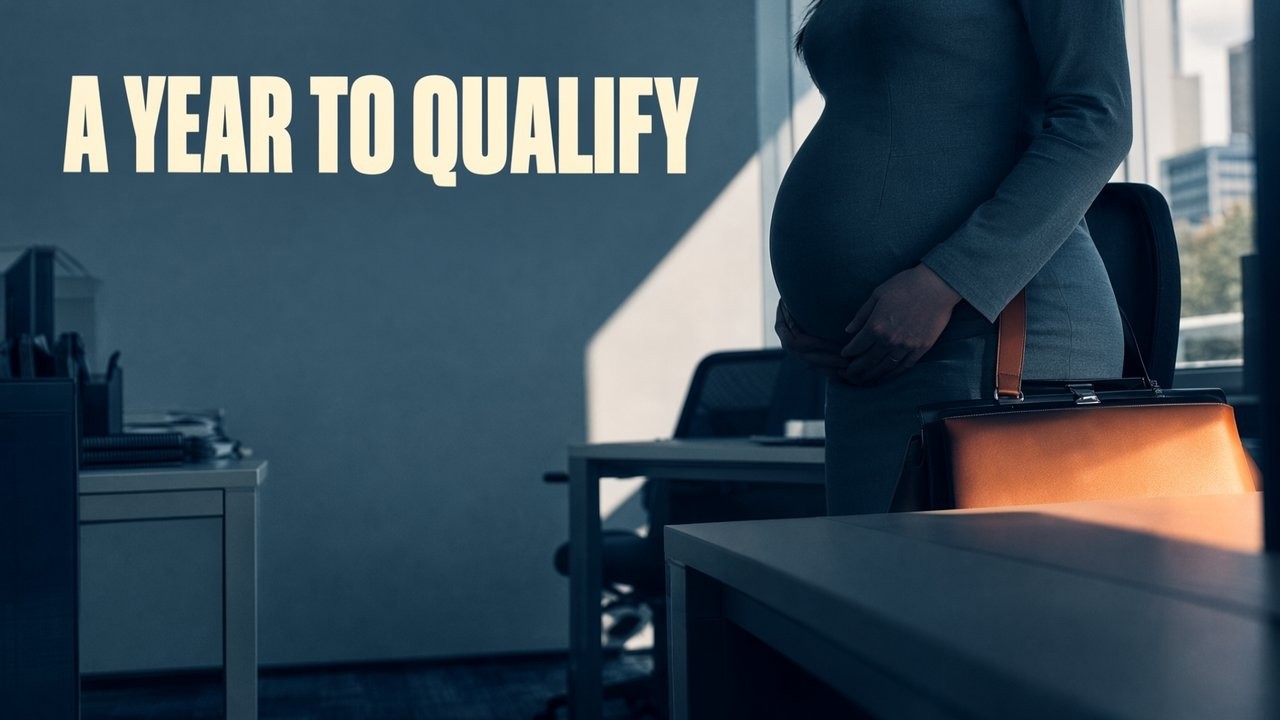
Abby McCawley returned to work after two days off with morning sickness and could not log into her computer. Moments later, her boss called her into his office and dismissed her. She was five months into a rental-property-manager job at Ray White Brunswick, in Melbourne’s inner north. 40
McCawley says she had disclosed her pregnancy and requested temporary flexibility to work from home. She alleges her dismissal was pregnancy-related. Ray White Brunswick disputes that explanation, saying it terminated her employment over reported and observed behaviour. Her case is before the Federal Court; the reason for her dismissal remains unresolved. 1
That contested sequence puts a concrete consequence behind a reported rise in pregnancy-discrimination complaints: the loss of a wage while preparing for a child. A Four Corners investigation has documented women’s accounts of losing jobs or leaving established careers when pregnancy and parental responsibilities collided with employers’ demands. ABC News Daily’s account of the investigation says Australian Human Rights Commission complaints reached their highest level in more than a decade. 1
The policy question is narrower than whether Australia should prohibit pregnancy discrimination. It already has discrimination protections. The immediate argument is over whether workplace entitlements give pregnant workers and returning parents enough practical room to remain employed—and whether a government review will change them.
Two disputes, different explanations for departure
McCawley’s account concerns a relatively new employee seeking a temporary adjustment. Alicia Warner’s concerns a senior public servant trying to resume an established career after parental leave. Warner says she proposed full-time compressed hours: the same total working time, arranged differently, rather than a reduction in hours. 1
Warner says the Department of Home Affairs rejected that arrangement and she accepted voluntary redundancy. Mediation ended without agreement. She connects her departure to the refusal of her proposed return-to-work schedule. 1
Home Affairs gives a different explanation. The department says Warner’s role changed after the Bondi terrorist attack and required sustained executive leadership. That response matters: the employer points to the demands of a changed position, while Warner describes an unsuccessful effort to combine that position with parental responsibilities. The available account does not establish whether the refusal met the department’s legal obligations or whether an alternative arrangement was feasible. 1
Neither dispute can responsibly be reduced to a finding of unlawful discrimination. McCawley’s allegation is contested in court; Warner’s unsuccessful mediation is not a legal determination. But both raise the same practical question: when a worker asks to organise work around pregnancy or parenthood, what must an employer accommodate before the job is lost?
What the complaint figures can show
The reported decade high is a warning about demand for redress, not a national rate of proven discrimination. The exact commission complaint total and reporting year have not been established in the available evidence. ABC’s account describes the period as “last year”, without resolving whether that means a calendar or financial year. Nor is there an established figure for the proportion of those complaints upheld. 1
JobWatch’s executive director, Zana Bytheway, separately reported more than 600 calls from working mothers concerning pregnancy and related discrimination in the period described as the last financial year. That financial year is also unconfirmed. JobWatch is an employment-rights community legal centre supporting workers in Victoria, Queensland and Tasmania—not a national census of workplace experiences. 1 49 50
Calls are not necessarily unique women or separate cases. A person may seek help more than once or approach both JobWatch and the commission. Adding the two measures together would manufacture a total the evidence cannot support.
A separately dated JobWatch finding provides clearer evidence of growing pressure on its service. On 12 December 2025, it reported that pregnancy and breastfeeding discrimination enquiries had doubled over three years. That category includes breastfeeding; it does not establish the financial year behind the separate 600-plus call figure or provide a national discrimination rate. 51
The broader prevalence evidence is much older. The 2014 Supporting Working Parents national review found that 49 percent of mothers—approximately one in two—reported workplace discrimination connected with pregnancy, parental leave or returning to work. It describes reported experiences across those stages, not just pregnancy, and is neither a current estimate nor a count of employers found to have broken the law. 15 20
ABC’s account of that historical study says 91 percent of mothers who reported discrimination did not lodge a formal complaint. The denominator is affected mothers, not all mothers. The precise survey definition of a formal complaint has not been established here, but the finding illustrates why complaint totals and reported experience are different measures. It cannot be used to multiply today’s complaints into a current victim estimate. 1
Confidential settlements further restrict what becomes public. Fifteen women interviewed in the investigation said they had signed settlement confidentiality clauses. That is a finding about those interviewees, not a representative national rate—and neither a settlement nor a confidentiality clause establishes an employer’s admission of liability. 1
The entitlement gap under review
The clearest rule in dispute is the service threshold for statutory unpaid parental leave. Employees need 12 months of continuous service with their employer to qualify. That includes eligible regular casuals, whom the Fair Work Ombudsman describes as employed on a regular and systematic basis. 22
The distinction is important. This is an unpaid-leave eligibility rule, not the eligibility test for the separate government paid-parental-leave scheme. Nor does it remove an employer’s discrimination obligations toward newer employees. Australia’s federal framework includes the Sex Discrimination Act 1984; access to a particular leave entitlement and protection against discrimination are separate questions. 22 46
There is also an existing right for eligible pregnant employees to request flexible working arrangements. Employers may refuse requests covered by that framework only on reasonable business grounds. A right to request is not an automatic right to the exact schedule or working location sought, and these general rules do not settle either woman’s dispute. 13
Sex Discrimination Commissioner Anna Cody wants the one-year unpaid-leave threshold reconsidered. She has also identified workplace policies that can disadvantage pregnant workers or parents, including indirect discrimination, as an area needing reform. Employment Minister Amanda Rishworth says the government is considering the issues through its review of the National Employment Standards, Australia’s minimum employment entitlements. 1
There is a documented parliamentary process behind that response. Rishworth referred an inquiry into the operation and adequacy of the standards on 27 November 2025. A parliamentary release dated 25 March 2026 announced a public hearing for the following day. The announcement established a scheduled hearing, not proof it occurred, a reform deadline or an enacted change. 45
Known
- The statutory unpaid-parental-leave entitlement still requires 12 months of continuous service with the employer, including for eligible regular casuals. 22
Unknown
- No final reporting deadline or enacted change addressing the proposed reforms has been established in the available evidence. No judgment or next hearing date has been established for McCawley’s case.
Next
- Watch for a concrete government proposal on leave eligibility and workplace obligations, and a court determination of the competing explanations for McCawley’s dismissal.
The distinction between a review and a changed entitlement is not bureaucratic fine print. A worker preparing for a child needs to know what leave she can take and whether she can keep her job—not simply that those questions are under consideration. The complaint figures cannot settle how widespread unlawful discrimination is today. The workers’ accounts make the cost of leaving the practical questions unresolved unmistakable.
As aired 17 lines
- Australian workers need twelve months with their employer to qualify for statutory unpaid parental leave. Pregnancy-discrimination complaints have reportedly reached their highest level in more than a decade. Workers describe losing wages and careers while preparing for a child or returning from leave. Will the government's workplace review change the rules that leave newer employees without that entitlement?
- Abby McCawley was five months into a rental-property-manager job at Ray White Brunswick, in Melbourne's inner north. She says she disclosed her pregnancy and requested temporary flexibility to work from home. Her employment ended soon afterward.
- McCawley says she took two days off to manage morning sickness. When she returned, she couldn't log into her computer. Her boss called her into his office and dismissed her. She alleges pregnancy-related dismissal. Ray White Brunswick says it terminated her employment over reported and observed behaviour. Her case is before the Federal Court.
- Alicia Warner says she accepted voluntary redundancy after Home Affairs rejected her proposed return from parental leave. The former senior executive wanted to work full-time compressed hours, fitting the same total hours into a different schedule. Mediation ended without agreement.
- Home Affairs says Warner's role changed after the Bondi terrorist attack and required sustained executive leadership. Warner connects her departure to the rejected working arrangement. The department points to the demands of the changed role. Those competing explanations leave a dispute over whether she could combine her established public-service career with parental responsibilities.
- The Australian Human Rights Commission's pregnancy-discrimination complaints reportedly reached their highest level in more than a decade. JobWatch received more than 600 calls from working mothers about pregnancy and related discrimination in the period described as the last financial year.
- The exact commission total and its reporting year aren't clear. Complaints record allegations, so the increase alone can't tell us how much discrimination has changed. JobWatch's calls can include repeat callers and people who also complain elsewhere. The two measures can't be added together to produce a count of affected women.
- JobWatch says pregnancy and breastfeeding discrimination enquiries doubled over three years. It published that finding on December twelfth, twenty twenty-five. The community legal centre supports workers in Victoria, Queensland and Tasmania, giving it a three-state view of demand for help.
- That trend includes breastfeeding enquiries. It doesn't identify the financial year behind the separate 600-plus call figure. And JobWatch's service figures describe people seeking its help across those three states. They don't measure discrimination across every Australian workplace.
- In 2014, 49 percent of mothers reported discrimination connected with pregnancy, parental leave or returning to work. That's approximately one in two. Among mothers who reported discrimination, 91 percent didn't lodge a formal complaint.
- Those figures describe experiences reported in an older survey. They can't tell us today's prevalence or how many employers broke the law. But they show why complaint totals can capture only part of workers' experiences. Confidential settlements also limit public scrutiny. Fifteen women interviewed about these disputes said they'd signed confidentiality clauses in settlements.
- Employees need twelve months of continuous service with their employer to qualify for statutory unpaid parental leave. That includes eligible regular casuals, meaning casual employees working on a regular and systematic basis. Sex Discrimination Commissioner Anna Cody wants that threshold reconsidered.
- The service requirement applies to unpaid parental leave. Eligibility for the government's paid-parental-leave scheme is assessed separately. Australia also has workplace discrimination protections and the federal Sex Discrimination Act, introduced in 1984. A worker's access to leave and an employer's legal obligations over discrimination are separate issues.
- Zana Bytheway leads JobWatch as its executive director. Anna Cody is pressing for reform of workplace policies and leave eligibility. Employment Minister Amanda Rishworth says the government is considering these issues through its review of the National Employment Standards, Australia's minimum employment entitlements.
- Cody's concerns include indirect discrimination, where a workplace rule can disadvantage pregnant workers or parents. Existing law already lets eligible pregnant employees request flexible working arrangements. Employers can refuse requests covered by that framework only on reasonable business grounds. Employees have a right to request flexibility, while approval depends on the circumstances.
- Rishworth referred the inquiry into the operation and adequacy of the standards on November twenty-seventh, twenty twenty-five. A parliamentary announcement on March twenty-fifth, twenty twenty-six, scheduled a public hearing for the following day. That announcement gave a hearing date, without setting a deadline for reform.
- A settlement's confidentiality clause doesn't tell us whether an employer admitted liability. McCawley's employer disputes her allegation, and her court case has yet to resolve why she was dismissed. The government is considering the eligibility concerns, but there's no confirmed timetable for changing the threshold. Employees still need twelve months of continuous service to qualify for statutory unpaid parental leave.
Sources
58 sources30 outlets1 video4 wire copies
JobWatchjobwatch.org.au9
- First reported
- Empowering Women: Pregnancy and Beyond
- Our Team
- Celebrating 45 years of legacy & 25 years of leadership by CEO Zana Bytheway
- Pregnancy Discrimination: Calls Double Over Three Years
- Press and Media Inquiries
- workplace rights: Our Stories Behind the Numbers Report
- Fighting for a just workplace
- Referrals to JobWatch
- Pregnancy rights at work: Leave, protections & rights
fairwork.gov.au8
- Parental leave best practice guide - Fair Work Ombudsman
- Parental leave & continuous service - Fair Work Ombudsman
- Flexible working arrangements - Fair Work Ombudsman
- Parental leave and related entitlements fact sheet - Fair Work Ombudsman
- Entitlements while pregnant - Fair Work Ombudsman
- Flexible work after parental leave - Fair Work Ombudsman
- Before parental leave - Fair Work Ombudsman
- Unpaid leave & continuous service - Fair Work Ombudsman
ABC listenabc.net.au6First
- First reported
- How pregnancy discrimination is pushing Australian women out of the workforce - ABC News
- Human Rights Commission study finds widespread discrimination against pregnant women - ABC News
- Pregnant women report discrimination - AM Archive
- Four women share their stories of pregnancy discrimination - ABC News
- The Pregnancy Penalty - ABC News
- Pregnant women and parents allege discrimination inside Australia's public service - ABC News
humanrights.gov.au4
Victorian Responsible Gambling Foundationvic.gov.au2
ABC News (Australia)11 video
- First reported
- Why pregnancy is still costing women their jobs | ABC News Daily podcast · video
Allensallens.com.au1
aph.gov.au1
Australian Women Lawyers Ltdaustralianwomenlawyers.com.au1
Cuppadailycuppa.com.au1
daily8.com1
- First reported
- Being pregnant can still cost women their jobs in Australia
Human Resources Directorhcamag.com1
- First reported
- Horrible bosses: Women denied parental leave
InSnipinsnip.com1
KhanListkhanlist.com1
- First reported
- Being pregnant can still cost women their jobs in Australia
legislation.gov.au1
LinkedInlinkedin.com1
Oxford Law Blogsox.ac.uk1
Power to Persuadepowertopersuade.org.au1
Sovereign News Stationsnslive.uk1
The Conversationtheconversation.com1
the Guardiantheguardian.com1
TV Blackboxtvblackbox.com.au1
- First reported
- Why pregnancy still costs women their jobs on FOUR CORNERS
Women's Agendawomensagenda.com.au1
- First reported
- Curb your discrimination against working parents
Source map
Follow the evidence behind this report. The map shows its connections; the links below open the sources cited in this article.
Source map loads as you read.
Revision log
- r1First published.