
انرژی · Hormuz blockadeخبر دنبالهدار · گزارش 4 از 8
180 Days: World's Oil Chokepoint Still Shut
Traffic through Hormuz has fallen 95% to about five vessels a day six months into the war, with a brief June reopening collapsed and Washington and Tehran disputing whether the strait is open at all.
به زبان انگلیسی در دسترس است
آنچه از گزارش قبلی ما تغییر کرده است
۱۱ روز بعد
آن زمان
Hormuz Goes Quiet: 10 Crossings a Day as U.S.-Iran Truce Expiresآنچه آن زمان روشن نبود
- No verified pre-war Hormuz flow total, largest-disruption ranking, Saudi pipeline volumes, China import change, or clean-energy policy effects are established in these sources.
- No durable arrangement for safe passage is in place beyond Iran’s proposed joint statement with Oman.
آنچه گفتیم پیگیری میکنیم
- Whether the Oman channel produces a shipping management plan or the ceasefire simply lapses into open confrontation.
- Whether bypass volumes hold and Red Sea and Bab el-Mandeb routes absorb the diverted risk.
اکنون
Traffic through Hormuz has fallen 95% to about five vessels a day six months into the war, with a brief June reopening collapsed and Washington and Tehran disputing whether the strait is open at all.
آنچه اکنون قطعی است
- Traffic collapsed from more than 100 vessels a day to just five, among the worst shipping disruptions in decades.
- A post-deal peak of 275 weekly crossings in late June fell 64% to 98 by early August, then to single digits.
- Some vessels switch off transponders in transit, making exact flow counts uncertain.
- Mediators are pressing Tehran for conditions to restore normal traffic as Iran-Oman route talks advance.
Five. That is how many vessels a day were moving through the Strait of Hormuz after six months of war, down from more than 100 vessels a day before2. Al Jazeera describes the closure as continuing to drive "one of the worst maritime shipping disruptions in decades"2. It is not an abstraction about tankers on a map. It is a chokepoint that normally breathes in and out a hundred times a day reduced to a trickle you could count on one hand.
As of August 28, the strait remains largely shut six months into the U.S.-Israel war on Iran, which began roughly in late February 202623. Iran International, citing Kpler data, counted five commodity vessels transiting on Thursday, down from 17 the day before and below the 10-day average of 156. The National reported more than 500 commercial vessels stranded as traffic fell to single digits around the expiration of a diplomatic deadline in mid-August10. Attacks on commercial vessels continue3.
The exact volume of oil still moving is harder to establish than the vessel count. Some ships "switch off their transponders during transit"6. That sailing-dark practice means trackers see hulls disappear and reappear, and public tallies of crossings do not translate neatly into barrels. This is the "hard to pin down" problem at the center of the story: the direction is clear — collapse — but the precise flow is not verifiable from vessel counts alone67.
The June opening that collapsed
There was a brief break in the blockade. Crossings peaked at 275 in the week of June 24, "days after the interim deal was signed," then fell 64% to 98 by early August10. That arc matches the video's description of a short-lived June reopening that did not hold. The 60-day deadline for that U.S.-Iran memorandum of understanding expired in mid-August as traffic fell to single digits10.
What undid the June arrangement is less documented than its effect. After the interim period lapsed, diplomacy shifted to trying to restore normal traffic rather than defending a ceasefire that had already thinned to almost nothing410. EL PAÍS notes that Iran and Oman are finalizing negotiations over a new shipping route even as attacks continue3. The search for a workaround route is itself evidence that no one with ships at risk expects the old pattern to snap back.
Open, closed, or something in between
Washington and Tehran do not agree on what the trickle means. President Donald Trump claims the United States is in "tota[l] control" and that the strait is open79. Iran's Islamic Revolutionary Guard Corps Navy said Friday the strait "remained closed to any ships attempting to transit without coordination with the Islamic Republic" and called U.S. claims "an obvious lie" aimed at controlling oil prices8. Gulf News frames the impasse as a "Hormuz paradox": the U.S. keeps some oil moving while Iran retains deterrent leverage11.
The data favor skepticism about any claim of normalcy. Traffic falling "from more than 100 vessels a day to just five" is not an open strait in any commercial sense, even if a handful of coordinated or escorted transits get through2. The day-to-day volatility — 17 transits one day, five the next, against a 10-day average of 15 — shows a corridor operating by exception rather than by routine6. The June peak and August trough tell the same story at longer scale: 275 weekly crossings collapsing to 98, then to single digits10. If this is control, it is control of a largely empty waterway.
Diplomacy is now explicitly about the strait itself. Iranian Foreign Minister Abbas Araghchi said Friday that "putting diplomacy back on track isn't impossible," but warned that the current U.S. approach of seeking to apply economic pressure will not work4. Mediators, including a Qatari emissary, pressed Tehran to draw up conditions to restore normal traffic4. Separately, CNBC describes a U.S. naval blockade slashing Iran's crude exports as Trump shifts to "economic warfare"5. In other words, the two tracks — talk about reopening and squeeze Iran's exports — are running at the same time.
Prices confirm strain without settling the argument. Sources confirm the disruption "sent prices sharply higher"9. But none of the reporting provided here gives a verifiable pre-war Brent baseline, a peak price, or a current trading range. The same gap applies to other widely repeated measures of pain: barrel-per-day flow estimates, war-risk insurance multiples, emergency stockpile releases, and claims about escorted tonnage are not established in the sources supplied for this story. Vessel counts, stranded hulls, and the failed diplomatic calendar are what can be counted. The rest, for now, is noise around a signal that is already stark.
دانستهها
- Traffic collapsed from more than 100 vessels a day to just five, among the worst shipping disruptions in decades. 2
- A post-deal peak of 275 weekly crossings in late June fell 64% to 98 by early August, then to single digits. 10
- Some vessels switch off transponders in transit, making exact flow counts uncertain. 6
- Mediators are pressing Tehran for conditions to restore normal traffic as Iran-Oman route talks advance. 4
نادانستهها
- No verified barrel-per-day flow, insurance rate, reserve-release total, or reopening date can be established from these sources.
- No confirmed count of how many transits are coordinated, escorted, or shadow-fleet movements.
در ادامه
- Whether Tehran's conditions for normal traffic become a negotiable offer.
- Whether the Iran-Oman shipping-route talks produce a corridor insurers and owners will use.
خط زمانی
روز 15 · 8 گزارش
آنچه پخش کردیم · بهروزرسانی 4شما اینجا هستید
180 Days: World's Oil Chokepoint Still Shut۵۱ روز بعد
نخستین گزارشگر
۱۰ روز بعد
آنچه پخش کردیم · بهروزرسانی 5جدیدتر
Vessel reported on fire in Hormuz. Are the people aboard safe?آنچه پخش کردیم · بهروزرسانی 6جدیدتر
Hormuz tanker resumes voyage after explosive attack; crew reported safeآنچه پخش کردیم · بهروزرسانی 7جدیدتر
A tanker strike tests U.S. assurances of safe passage through Hormuz۶ روز بعد
آنچه پخش کردیم · بهروزرسانی 8جدیدتر
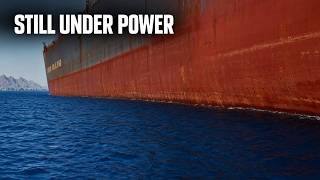
Tanker keeps sailing after waterline explosion near Oman; crew safe
منابع9
۱۱ منبع از ۹ رسانه· پراستنادترینها نخست
Iran International | Iran Internationaliranintl.com2
HeyDay News۱ ویدئو1
NBC Newsnbcnews.com1
The Nationalthenationalnews.com1
تازه پخششده

به زبان انگلیسی در دسترس است
Heroin in Pringles cans passed a jail checkpoint. The deputy got 67 months.

به زبان انگلیسی در دسترس است
From the family shed to Ceduna’s main street, two brothers build a barber business

به زبان انگلیسی در دسترس است
Man and dog seriously injured in Toronto hit-and-run; police seek black F-150

به زبان انگلیسی در دسترس است
Route 322 crash draws more than a dozen emergency units in Clay Township

به زبان انگلیسی در دسترس است
Man critically wounded outside Lakewood pool hall; SUV escapes
به زبان انگلیسی در دسترس است
Tanker keeps sailing after waterline explosion near Oman; crew safe