科学 · Crew-13が到着継続報道 · 全2件中1件目のレポート
Crew-13が8時間未満でISSに到着。次の段階はCrew-12の帰還だ。
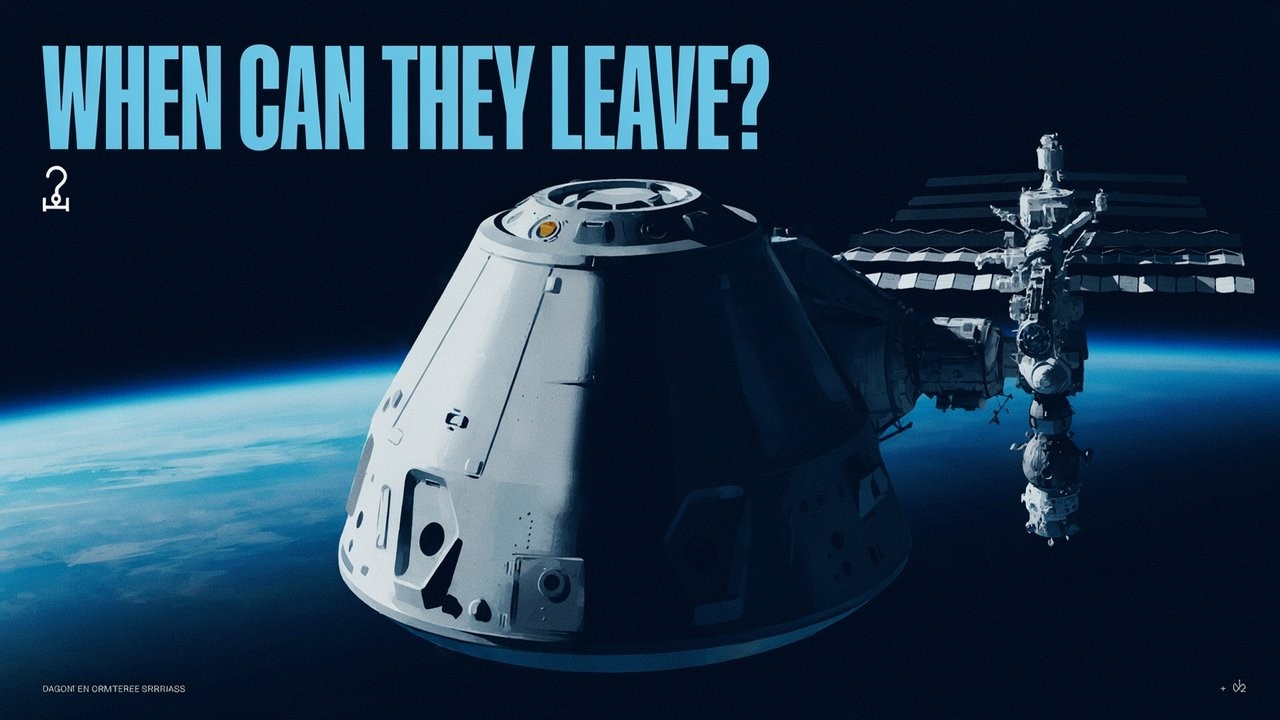
Dragon Graceの7時間55分の飛行により、次の科学クルーがステーションに到着した。Crew-12が最も早く出発する可能性があると報じられた日は10月5日で、天候次第だ。
原語の動画
文字起こし · 読み込み中
英語の原文から翻訳されています。
継続報道3日目
2 件のレポート28 社のメディア69 件の情報源7 本の動画
ニュースの全体

国際宇宙ステーションの運用は、交代で乗り込むクルーが実験室の稼働を維持することで成り立っている。NASAのCrew-13が新たな交代要員としてステーションに到着した。4人の宇宙飛行士が長期科学ミッションのために到着した一方、NASAはステーションを2030年末に退役させる計画を進めている。到着により交代が始まるが、Crew-12の退任する宇宙飛行士たちはなお帰還を待っている。 18 1 2
Dragon Graceは2026年10月1日、米東部夏時間午後7時5分にハーモニー・モジュールの前方ポートにドッキングした。同日午前11時10分(EDT)に打ち上げられ、飛行時間は7時間55分だった。その後NASAは、4人全員がステーションに入り、第75次長期滞在クルーに加わったと確認した。打ち上げ当日の報道で予定とされていたランデブーは、これで到着完了となった。 7 8 18
主な事実
飛行はNASAの「8時間未満」という移動時間の予測を満たしたが、ドッキングは午後7時という予想時刻より5分遅かった。この2つの比較は異なることを測っている。カプセルは予測された時刻よりわずかに遅れて到着した一方、飛行は8時間未満で完了した。 2 7 8
C-SPANのNPRアカウントは約8時間の飛行と伝えていた一方、AP通信の打ち上げ報道は、NASAによる「8時間未満」という、より具体的な予測を伝えていた。どちらも実際の結果と合致する。軌道条件が良好で、最速に近い飛行が可能だったというNASAの説明は、迅速な移動と呼ぶ根拠になるが、独立して検証された史上最速記録と断定する根拠にはならない。 1 2 7
4人、帰還する宇宙船は2機
NASAの宇宙飛行士ジェシカ・ワトキンスがCrew-13の船長を務め、同じくNASAの宇宙飛行士ルーク・デラニーがパイロットを務める。カナダ宇宙庁の宇宙飛行士ジョシュア・クトリクとロスコスモスの宇宙飛行士セルゲイ・テテリャトニコフはミッションスペシャリストだ。これが、打ち上げ報道で聞かれたジェシカ、ルーク、ジョシュ、セルゲイというファーストネームの完全な氏名である。 6 2
ワトキンスは2017年にNASAの宇宙飛行士に選ばれ、今回が2回目の宇宙ステーション飛行となる。公開されている経歴情報からは、デラニー、クトリク、テテリャトニコフが過去に宇宙飛行をしたことがあるかどうかは分からない。船長、パイロット、ミッションスペシャリストという肩書きは飛行上の役割を示すものであり、個々の実験や修理の担当を示すものではない。 6
宇宙船にも飛行実績がある。Graceはこの個体のDragonカプセルの名称で、NASAが打ち上げ前に発表したハッチ閉鎖の告知では、国際宇宙ステーションへの飛行は今回が2回目とされている。この再利用は、カプセルを軌道へ運んだロケットブースターの回収とは別の話だ。 22
SpaceXのFalcon 9は、フロリダ州ケープ・カナベラル宇宙軍施設の宇宙発射施設40から打ち上げられた。ABCニュースの打ち上げ解説によると、第1段のマーリンエンジン9基が合計で最大170万ポンドの推力を生み出した。第2段エンジンの燃焼停止後、クルーは予定された軌道に到達し、Dragonは第2段から分離した。 8 3
ABCはまた、第1段ブースターがケープ・カナベラルのランディングゾーン40に着陸したことも報じた。同じ番号は重要な違いを見えにくくすることがある。打ち上げ施設は出発地点であり、ランディングゾーンは帰還するブースターの目的地だ。ブースター回収、軌道投入、ドッキングはそれぞれ別の成果である。ここで確認できるNASAの発表は打ち上げと到着を裏付けているが、着陸を独立して確認するものではない。 3 5 7
飛行中、ミッション管制は宇宙飛行士が安全に軌道へ入り、打ち上げ用宇宙服を脱いだと報告した。これは移動中の健康状態についての安心材料であり、ステーションに到着したことの確認ではない。NASAのその後のドッキングと入室に関する発表はそれらの結果を確認しているが、ハッチ開放とステーション入室の正確な時刻は明らかになっていない。 2 7 18
4月23日と5月1日に発表された初期の割り当てでは、打ち上げは早くても9月中旬とされていた。その後、具体的な打ち上げ日は10月1日となり、ロケットはその日に飛行した。計画上の最も早い時期は期限ではない。この経緯から、9月に打ち上げるという約束が破られたとは言えない。 16 21 8
ここから始まる実験室での作業
Crew-13はステーションで最長6カ月間、生活しながら作業する予定だった。これは計画上の滞在期間であり、固定された帰還日程ではない。日数で示した正確な期間も、Crew-13の帰還日も確定していない。NASAはこのミッションを長期科学探査と説明している。 1 16
研究課題には、乗組員の健康、宇宙での安定した食料生産、深宇宙探査の技術が含まれる。ISSナショナル・ラボは、宇宙飛行士が支援する研究としてバイオ製造も挙げている。いずれも実質的な研究分野だが、完了した実験や実証済みの効果ではなく、今後取り組む予定の研究である。 14 17
具体的な実験名、手順、機器、宇宙飛行士個人ごとの科学上の担当は明らかになっていない。特定の点検、整備、修理、機器交換についても同様だ。到着によって作業にあたる人員がそろったが、特定の科学的成果がすでに得られたことを示すものではない。 14 17 6
ステーションの最終的な退役により、研究には期限が設けられている。C-SPANによると、NASA高官のロリ・グレイズ氏は9月30日の記者会見で、軌道離脱と廃棄を2030年末に計画していると述べた。これは依然としてNASAの計画であり、完了した運用終了でも、12月31日に正確に実施されると決まった作業でもない。また、Crew-13の予定滞在期間が保証された日程になるわけでもない。 1
到着は確定、出発はなお条件付き
直近の影響はクルーの交代だ。NASAによると、Crew-13は、7カ月間のミッションを終えるCrew-12の帰還準備を支援する。短期間の引き継ぎが予定されているが、個々の詳細な担当は明らかになっていない。 2 19
SpacePolicyOnlineは、引き継ぎ後、天候が許せばCrew-12は早ければ10月5日に出発する可能性があると報じている。これは二次報道に基づく条件付きの出発可能性であり、NASAが確認したドッキング解除の予定、地球帰還日、着水時刻ではない。帰還の全日程はまだ確認されていない。 19
運用上の状況はここまで進んでいる。交代要員は職場に到着したが、退任するクルーはまだ帰路を終えていない。次の節目は新たな打ち上げではない。出発許可が下り、適切な天候のもとで帰還することだ。
情報源
C-SPAN — 『ワシントン・トゥデイ』、2026年10月1日。 1
AP通信 — SpaceX、国際宇宙ステーションに宇宙飛行士4人を打ち上げ。 2
ABCニュース — NASAのSpaceX Crew-13ミッションが打ち上げ。 3
NASA — NASAのSpaceX Crew-13ミッションページ。 4
NASA — NASAのSpaceX Crew-13、軌道に到達;米東部夏時間午後1時10分に記者会見。 5
NASA — NASAのSpaceX Crew-13のクルーを紹介。 6
NASA — Dragonがドッキングし、SpaceX Crew-13をステーションへ。 7
NASA — NASAのSpaceX Crew-13が打ち上げ。 8
UPI — 記録的な速さの飛行を経てNASAのCrew-13がISSにドッキング。 9
NASA — NASAのSpaceX Crew-13ミッションブログ。 10
ロイター — SpaceX、国際宇宙ステーションに長期滞在する宇宙飛行士クルー第13陣を打ち上げ。 11
ウィキペディア — SpaceX Crew-13。 12
Spaceflight Now — 新クルーが宇宙ステーションでの6カ月滞在に向けて出発。 13
NASA — Crew-13の研究、健康、食料、深宇宙科学を前進させる。 14
NASA — NASAのSpaceX Crew-13ミッションのライブ配信が開始。 15
NASA — NASA、宇宙ステーション・ミッションに向けたSpaceX Crew-13の割り当てを発表、ニュースリリース。 16
ISSナショナル・ラボ — NASAのSpaceX Crew-13で打ち上げられる宇宙飛行士は… 17
NASA — Crew-13のメンバーがステーションに入り、第75次長期滞在クルーに加わる。 18
SpacePolicyOnline — Crew-12が出発準備を進めるなか、Crew-13がISSに到着。 19
SpaceX — Crew-13ミッション。 20
NASA — NASA、宇宙ステーション・ミッションに向けたSpaceX Crew-13の割り当てを発表、5月1日の発表。 21
NASA — Crew-13のSpaceX Dragon宇宙船のハッチが閉鎖。 22
Space.com — SpaceX Crew-13、NASA打ち上げのライブ更新。 23
NASA — Dragonに乗ったSpaceX Crew-13、ステーションに接近。 24
Space.com — SpaceX Crew-13の宇宙飛行士、打ち上げから8時間未満でISSにドッキング、米国史上最速の飛行。 25
放送時の内容 10行
- Dragon Grace carried four astronauts to the space station in under eight hours.
- The replacement crew is now aboard, preparing for a long-duration science mission and helping the outgoing astronauts finish a seven-month stay. What does their arrival settle, and what still stands between Crew-12 and its journey home?
- Dragon Grace docked at the International Space Station’s Harmony module forward port at 7:05 p.m. Eastern Daylight Time on October 1, 2026. Liftoff was at 11:10 that morning, making the journey seven hours and 55 minutes. All four crew members subsequently entered the station and joined Expedition 75. Docking and entry are completed milestones, not expectations. The exact times of hatch opening and station entry remain unavailable. An earlier in-flight update that the astronauts were safely in orbit and had removed their launch suits described their condition during the journey—not their arrival.
- Jessica Watkins commands the four-person crew. Luke Delaney is the pilot; both are NASA astronauts. Canadian Space Agency astronaut Joshua Kutryk and Roscosmos cosmonaut Sergey Teteryatnikov are mission specialists. Those are the full identities behind the first names Jessica, Luke, Josh and Sergey used during launch coverage. Watkins was selected as a NASA astronaut in 2017, and this is her second flight to the station. The other three astronauts’ prior-flight histories are not established, so they cannot be described as first-time space fliers. Their flight roles also do not establish which experiments or maintenance jobs each will perform.
- Nine Merlin engines powered Falcon 9’s first stage with a combined maximum thrust of 1.7 million pounds—not that amount from each engine. The rocket launched from Space Launch Complex 40 at Cape Canaveral Space Force Station in Florida. After the second-stage engine shut down, the crew reached its expected orbit and Dragon separated from that stage. The first stage completed a landing at Landing Zone 40 at Cape Canaveral. Despite the shared number, the launch complex and landing zone are different sites. Booster recovery, the astronauts’ orbital insertion and their later docking are three distinct milestones. Grace is this individual Dragon spacecraft’s name, and this was its second flight to the station.
- October 1 became the specific launch date after earlier planning placed the mission no earlier than mid-September. Assignment announcements on April 23 and May 1 used that earlier window. “No earlier than” sets an earliest possibility, not a deadline; the October launch does not establish that a promised September deadline was missed.
- The flight met the under-eight-hour transit forecast, even though docking happened five minutes after the expected clock time. The estimates of about eight hours and under eight hours fit the completed journey; they are not conflicting accounts of the arrival. The orbital conditions allowed a trip close to the fastest possible for this launch. That establishes a rapid transit, not an independently verified all-time speed record.
- Crew-13’s planned stay is up to six months, but there is no fixed return date or exact mission length in days. The work ahead includes investigations concerning crew health, reliable food production in space, technologies for deep-space exploration and biomanufacturing. These are prospective research areas, not completed experiments or demonstrated benefits. Specific experiment names, protocols, equipment and individual scientific assignments have not been established. Nor have particular inspections, repairs, servicing or equipment replacements. The station provides a working orbital laboratory; getting the crew there does not prove that any particular research result has already been achieved.
- The station itself is planned for decommissioning and removal from orbit at the end of 2030. That remains an agency plan, not a completed shutdown or deorbit, and it does not establish a precise December 31 operation. The longer-term plan also does not turn Crew-13’s intended six-month stay into a guaranteed schedule.
- Crew-12 could depart as soon as October 5, weather permitting, after a short handover. Crew-13 will help prepare that return as the outgoing crew wraps up its seven-month mission, but individual handover responsibilities have not been established. October 5 is a conditional departure possibility—not a confirmed undocking appointment, landing date or splashdown time. Arrival and station entry are settled; the full return timetable is not. Crew-13’s arrival puts the replacement team aboard, while Crew-12’s journey home still depends on the handover, departure clearance and suitable weather.
情報源
25 件の情報源12 社のメディア3 本の動画
nasa.gov13
- NASA's SpaceX Crew-13
- NASA’s SpaceX Crew-13 Reaches Orbit, News Conference at 1:10 p.m. EDT - NASA
- Meet the Crew of NASA’s SpaceX Crew-13 - NASA
- Dragon Docks Bringing SpaceX Crew-13 to Station - NASA
- NASA’s SpaceX Crew-13 Launches - NASA
- NASA's SpaceX Crew-13 Mission
- Crew-13 Research Advances Health, Food, and Deep‑Space Science - NASA
- Live Streaming Coverage of NASA’s SpaceX Crew-13 Mission Begins - NASA
- NASA Shares SpaceX Crew-13 Assignments for Space Station Mission - NASA
- Crew-13 Members Enter Station, Join Expedition 75 - NASA
- NASA Shares SpaceX Crew-13 Assignments for Space Station Mission - NASA
- Hatch Closed on Crew-13 SpaceX Dragon Spacecraft - NASA
- SpaceX Crew-13 Approaching Station Aboard Dragon - NASA
ABC News1動画1本
- 最初の報道
- NASA’s SpaceX Crew-13 mission launches · 動画
Associated Press1動画1本
ISS National Labissnationallab.org1
spacepolicyonline.com1
SpaceXspacex.com1
UPIupi.com1
wikipedia.org1最初
- 最初の報道
- SpaceX Crew-13
情報源マップ
この報道の根拠をたどります。マップで情報のつながりを確認し、下のリンクから記事で引用された情報源を開けます。
記事を読む間に情報源マップを読み込みます。
翻訳更新:
改訂履歴
- r1初公開。