エネルギー · 核廃棄物
フィンランドのオンカロに運転許可、処分開始はまだ先
建設許可の申請から約14年。フィンランドが先駆ける処分場に運転許可が下りた。オンカロで使用済み燃料の恒久処分が始まるには、試運転と規制当局の承認がなお必要だ。
原語の動画
文字起こし · 読み込み中
英語の原文から翻訳されています。
ニュースの経過2日目
1 件のレポート22 社のメディア50 件の情報源
Posivaがフィンランドの使用済み核燃料の最終処分場建設許可を申請してから約14年。計画は新たな節目を迎えた。運転許可である。同社によると、フィンランド政府は2026年10月22日、オンカロに運転許可を付与した。これは、核燃料の恒久的な行き先を確保する長年の取り組みを前進させるものだが、処分が始まったことを意味するわけではない。18 2
使用済み燃料を地下に恒久的に処分する前に、Posivaは試運転試験と検査を完了し、フィンランド放射線・原子力安全庁(STUK)がその作業を検証・承認しなければならない。アルジャジーラは10月23日、運営会社の話として、開業日はまだ決まっていないと報じた。次の節目は、意向を示す新たな発表ではない。施設と運営に携わる人々の準備が整ったと規制当局が認めることだ。1
オンカロは、商業用原子力発電所の使用済み燃料を処分する、世界初の恒久的な地下処分場となることを目指している。この表現は「世界初の放射性廃棄物処分場」と呼ぶより範囲が狭く、より正確な意味を持つ。低レベル・中レベル放射性廃棄物の最終処分施設は、すでに他国にある。フィンランドが解決に取り組んでいるのは、原子炉の使用済み燃料という特有の課題だ。6 29 41
フィンランドの原子炉群の地下に設ける処分先
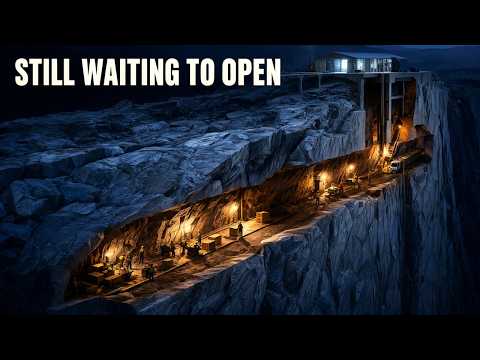
施設はフィンランド西部、エウラヨキのオルキルオトにある。地上のキャニスター封入施設は地下の処分施設につながっている。STUKが2021年9月に示した説明によると、キャニスター巻き上げシャフトを通じて地下に運ばれるキャニスターの処分予定場所は深さ420メートルだ。これは確認されている処分場の深さであり、複合施設内のすべてのトンネルの深さを測定したものではない。6 29
オンカロは当初、地下研究施設として始まり、研究者たちはオルキルオトの岩盤が最終処分に適しているかを調べた。研究、建設、試験はいずれも、最終的な同じ目的に向けて行われてきた。しかし、岩盤を掘削すること、処分設備を組み立てること、その使用をリハーサルすることは、放射性使用済み燃料を恒久的に処分することとは異なる成果だ。30
Posivaの所有者は、TVOとして知られるTeollisuuden VoimaとFortum Power and Heatだ。同社の処分計画は、オルキルオト原子力発電所とロビーサ原子力発電所の使用済み燃料を対象とし、フィンランドの5基の原子炉に対応すると説明されている。ロビーサは予定されている計画の一部だが、Fortumは同発電所と関連する廃棄物管理施設について別個の許可を保有している。オンカロの最終運転許可における原子炉ごとの正確な条件は、本報道のために独自に確認されていない。17 6 1 12
設計上の処理容量はウラン6,500トンだ。この単位は重要で、燃料に含まれるウランの量を示すものであり、燃料、キャニスター、その他の包装材を合わせた重量ではない。また、これは設計値であり、最終運転許可に基づく拘束力のある上限として独自に確認されたものではない。1
運転許可に至る長い道のり
設備だけでなく、システム全体を試験
試運転とは、個々の機械の電源が入るかを確認するだけではない。Posivaの総合試験は、設備、システム、工程、組織を一体として検証するよう設計されており、実際に運転を担う予定の人員も対象に含まれていた。処分場は、完成した部品を寄せ集めたものではなく、連携した運用として機能しなければならない。35
すでに相当量の準備作業が進められている。Posivaは2024年5月3日、地下の換気設備と配管が試運転に必要な範囲まで完成し、試運転を終えたと発表した。これは、定められた試験段階への準備が整ったということであり、すべての試運転が完了したとの宣言ではない。36
試運転は2024年8月30日、放射性物質を含まない模擬燃料集合体を使って始まった。12月16日の更新情報は、総合試験が8月末に始まり、使用済み核燃料を使わずに試験を行ったことを確認した。これらの説明から確認できるのはリハーサルが始まったことまでであり、試験計画全体が完了し、最終承認されたことではない。34 35
その後の承認も、対象を限定したものだった。Posivaは2025年11月25日、処分用キャニスターの銅製外殻の一部を成す押出銅管について、STUKが製造計画を承認したと発表した。これは部品の製造計画に対する承認であり、完成したキャニスター全体の承認でも、処分場の運転開始許可でもない。また、製造承認を長期的な封じ込め性能が実証されたことと取り違えてはならない。39
10月の許可発表は、より重大な一歩だが、法的な詳細についてはなお慎重さが必要だ。許可の付与はPosivaの発表で確認できるものの、政府の最終決定文書は本報道のために独自に入手できていない。そのため、許可の有効期間、拘束力のある数量、詳細な条件はここでは確認できず、以前の申請書類を最終決定の代わりにすることもできない。2 14
建設費だけでは全体像は見えない
費用の数字にも、比較可能性への慎重な配慮が必要だ。アルジャジーラは施設の推定費用を$1.16 billionとした。一方、フランスの報道は10月23日、建設費を約€1 billionと伝えた。いずれも同じ計画を対象としており、合算すべきではない。また、両推定額を正確に換算できることも確認されていない。どちらも、施設の運用期間全体にかかる費用の検証済み総額ではない。1 23
国際原子力情報システムに登録された、Posivaに関連する処分施設の費用記録は、より広範な責務を示している。地下岩盤の特性調査、地上・地下の投資、運転、キャニスター封入施設の廃止措置、処分場の閉鎖が含まれる。オンカロの建設は、恒久処分に必要な費用の一部にすぎない。これらすべての責務を報道で示された建設費の推定額と結びつける、日付の明記された運営者側の基準額は、依然として確認できていない。21
未解決なのは、今後の時期だ。試験ごとの完了予定、STUKによる運転開始前の最終承認日、開業日は、いずれも確認されていない。最高経営責任者のイルッカ・ポイコライネンが率いるPosivaは、試運転作業を完了し、規制当局の承認を得なければならない。10月の許可でオンカロは目的の実現に近づいた。しかし、放射性使用済み燃料がすでに恒久処分されたことを示すものではない。1
放送時の内容 17行
- Finland is preparing to bury spent nuclear fuel 420 metres underground. Posiva says the government has granted Onkalo an operating licence. The project would create the world's first permanent underground disposal route for spent fuel from commercial reactors. When can Finland turn that permission into permanent disposal?
- Onkalo is at Olkiluoto in Eurajoki, western Finland. Its disposal programme serves fuel from the Olkiluoto and Loviisa nuclear power plants. Those plants belong to TVO and Fortum, the companies that own Posiva.
- The programme is intended to serve Finland's five reactors. Its practical purpose is to give their spent fuel a permanent destination. Other countries already have disposal facilities for low- and intermediate-level radioactive waste. Onkalo's first-of-its-kind role concerns spent fuel from commercial nuclear power plants.
- The government granted the licence on October 22, Posiva says. Before disposal begins, the company must complete commissioning tests and inspections. Finland's Radiation and Nuclear Safety Authority, known as STUK, must verify and approve that work.
- Commissioning means checking that the facility and its organisation can carry out their jobs together. Posiva has already tested equipment and procedures using dummy fuel. That work prepares the route for spent fuel, with regulatory acceptance still ahead.
- Posiva, led by chief executive Ilkka Poikolainen, links an above-ground encapsulation plant with an underground disposal facility. A canister-hoist shaft is designed to take disposal canisters down to the repository level, documented at 420 metres.
- That depth describes the planned destination of the canisters. Onkalo began as an underground research facility, where investigators studied whether Olkiluoto's bedrock was suitable for final disposal. The investigation, construction and testing have built toward the same goal: placing spent fuel underground permanently.
- Onkalo's stated design capacity is 6,500 tonnes of uranium. That measures the uranium associated with the fuel. The canisters and other packaging add mass of their own. The figure describes the facility's design capacity.
- Posiva's preparations stretch back well over a decade. The company applied for a construction licence on December 31, 2012. By January 2018, Finland was the only country that had begun building a repository for final disposal of its spent nuclear fuel.
- Posiva submitted its operating-licence application on December 30, 2021, while construction was still under way. That began the request for operating permission. The government grant announced this October came almost five years later.
- Underground ventilation and piping reached the readiness needed for a trial run, Posiva announced on May 3, 2024. The systems had been completed and commissioned far enough to support that test phase. The trial would then bring equipment and people together.
- Test operation began on August 30, 2024, using non-radioactive dummy fuel elements. The integrated trial tested how equipment, systems and processes worked together, alongside the organisation and personnel expected to run them.
- A December 16 update confirmed that the trial had begun at the end of August and used no spent nuclear fuel. Further approvals followed. On November 25, 2025, Posiva announced STUK's approval of a construction plan for an extruded copper tube used in the disposal canister's copper shell.
- The copper approval covered that component's construction plan. STUK's safety assessment was published on August 4, 2026, moving the operating licence into government preparation. October's grant advanced the project again, while leaving commissioning approval as the next gate.
- The site's estimated cost is 1.16 billion dollars. A separate construction estimate puts the building cost at about one billion euros. Both figures concern Onkalo, and they shouldn't be added together. The broader financial commitment continues through operation and eventual closure.
- A disposal facility's lifetime costs can cover underground characterisation, investment above and below ground, and operations. They can also include decommissioning the encapsulation plant and closing the repository. Those obligations extend beyond the work of building it.
- Posiva still has to finish commissioning tests and inspections, and STUK must accept that work before permanent disposal begins. Nobody has set an opening date.
情報源
50 件の情報源22 社のメディア
posiva.fi10
- Posiva - Historic decision: Finnish Government grants operating licence to Posiva
- Posiva - STUK’s safety assessment takes the world’s first final disposal facility closer to an operating licence
- Introducing ONKALO and its principle of operation
- ANNUAL REPORT
- Posiva - Introducing ONKALO and its principle of operation
- Posiva - Test operation – Countdown to starting final disposal
- Posiva - Trial Run ensures safety of final disposal
- Posiva - Underground final disposal facilities achieve readiness for Trial Run of Final Disposal
- Posiva - Posiva yet another step closer to start of final disposal - STUK approves construction plan for Posiva’s extruded copper tube
- Posiva - Final disposal
iaea.org7
- Cost estimate of Olkiluoto disposal facility for spent nuclear fuel | INIS – International Nuclear Information System
- Experiences from 40 Years of Safeguards-by-Design to the Operation of the Deep Geological Repository in Finland
- SRIS - Spent Fuel and Radioactive Waste Information System
- A sustainable solution for spent fuel and high level waste disposal | IAEA
- Solving the Back End: Finland's Key to the Final Disposal of Spent Nuclear Fuel
- Joint Convention on the Safety of Spent Fuel Management and on the Safety of Radioactive Waste Management. 8th Finnish National Report as referred to in Article 32 of the Convention
- Solving the back end: Finland’s key to the final disposal of spent nuclear fuel
tem.fi5
- MEAE to prepare operating licence for spent nuclear fuel disposal facility of Posiva, taking into account Radiation and Nuclear Safety Authority's safety assessment - Ministry of Economic Affairs and Employment
- DECISION VN/7906/2022
- OPERATING LICENCE APPLICATION
- UNOFFICIAL TRANSLATION
- Posiva to apply for an operating licence for a spent nuclear ...
stuk.fi4
- Oversight reports of final disposal facility | Säteilyturvakeskus STUK
- Encapsulation and final disposal facility | Säteilyturvakeskus STUK
- Säteilyturvakeskuksen turvallisuusarvio Posivan käyttölupahakemuksesta
- Kysymyksiä ja vastauksia Posivan käyttölupahakemuksesta, STUKin lausunnosta ja loppusijoituksesta muutenkin
BBC Newsbbc.com1
dailyfinlanddailyfinland.fi1
France 24france24.com1
Interesting Engineeringinterestingengineering.com1
POWER Magazinepowermag.com1
Site Selection Magazinesiteselection.com1
- 最初の報道
- Hiding Place
The Independent Global Nuclear News Agencynucnet.org1
valtioneuvosto.fi1
wikipedia.org1最初
情報源マップ
この報道の根拠をたどります。マップで情報のつながりを確認し、下のリンクから記事で引用された情報源を開けます。
記事を読む間に情報源マップを読み込みます。
翻訳更新:
改訂履歴
- r1初公開。