科学 · 島のバイオセキュリティ
ルーゼー島で2匹目のオコジョを捕獲、侵入者は1匹だけとの期待に終止符
罠猟師とボランティアが、オークニーの島から捕食者2匹を駆除した。2匹目の捕獲により、侵入者は1匹だけだったという期待は終わったが、侵入経路も、ほかに残る個体の有無も未解決のままだ。
原語の動画
文字起こし · 読み込み中
英語の原文から翻訳されています。
ニュースの経過3日目
1 件のレポート7 社のメディア21 件の情報源
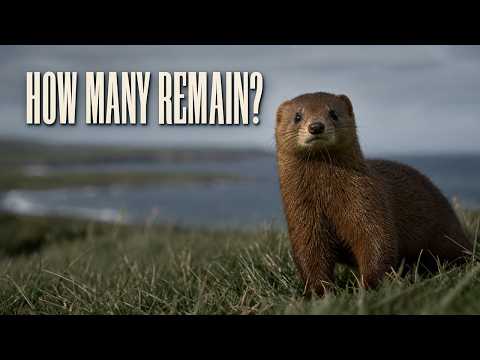
何か月もルーゼー島を捜索してきた罠猟師やボランティアにとって、島で初めてオコジョを捕獲したことは成果だったが、作業の終わりではなかった。2匹目が新たに罠にかかって殺処分され、捕食者を1匹取り除けば、オークニー諸島の島に生息する在来野生生物への脅威は解消されるという期待は覆された。12 13 1
2026年10月21日、ルーマカン湖の近くでトレイルカメラが2匹目のオコジョを検知した。『オーカディアン』によると、2日後に近くで捕獲された。BBCスコットランドは10月23日の報道で、罠にかかり殺処分されたことを確認した。これまでに2匹が取り除かれたが、ほかにも残っているかどうかは分かっていない。7 1
2匹目が検知される前、オークニー在来野生生物プロジェクトは、10月9日に捕獲された個体がルーゼー島で唯一のオコジョである可能性が「ますます高まっている」と述べていた。これは留保付きの評価であり、島からオコジョがいなくなったという宣言ではなかった。それでも、2匹目の捕獲により、今回の侵入が1匹だけだったという説明は決定的に覆された。1
最初の報告から2匹目の捕獲まで
目撃と捕獲の違いは、ここでは重要だ。2匹目の個体は10月21日に検知されたのであり、その日に捕獲されたと確認されたわけではない。同様に、10月の最初の捕獲は、ルーゼー島でオコジョが確認された最初の事例ではなかった。対応は4月の目撃された可能性のある事例から始まり、5月に存在が確認された。罠猟師、地元のボランティア、島の住民が皆、この捜索に協力した。7 12 13
プロジェクトマネジャーのサラ・サンキーは、2匹目の目撃を「非常に懸念される展開」と表現し、最初の個体を駆除した直後だっただけに、とりわけ残念だと付け加えた。『オーカディアン』は、検知後に駆除活動が強化されたと報じた。入手可能な報道では、追加で何個の罠やカメラを設置したのか、捕獲後の監視日程は明らかにされていない。1 17
本来いるべきでない場所にいる捕食者
捜索の目的は、ほかの場所で簡単に補えるわけではない野生生物を守ることだ。オコジョは、地上に巣を作る鳥やオークニーハタネズミを捕食する。この亜種は世界のほかのどこにも生息していない。オークニーハタネズミは一般的なハタネズミより大きく重く、その自然生息域はこの諸島全域に限られる。1
オークニーは、タゲリ、アビ、ハリアー、コミミズクにとっても重要な繁殖地だ。こうした鳥は、より広い自然保護上の利害を示すものであり、ルーゼー島の2匹がもたらした被害を測定したものではない。入手可能な証拠からは、島ごとの捕食数や、この2匹に起因する個体数の減少は確認されていない。1
オコジョはスコットランド本土や英国のほかの地域に在来する。イタチやカワウソの仲間で、通常はウサギやネズミなどの小型げっ歯類を狩る。この種がどこでも本質的に有害なのではない。効率的な捕食者が、本来は生息していない島の生態系に入り込んだことが問題なのだ。雌は年に6~12匹の子を産むことがあり、対応の遅れはリスクとなる。ただし、ルーゼー島でオコジョが繁殖したという確立された証拠はない。1
より広範な取り組みは、この島での捜索よりずっと前に始まった。オコジョがオークニーで初めて記録されたのは2010年で、その後、オークニー本島、バーリー島、サウス・ロナルドセー島に定着した。ネイチャースコットは、これらの定着した個体群が諸島全域での駆除活動の背景にあると説明している。10
プロジェクトによると、2019年以降、オークニー全域で9,100匹を超えるオコジョが駆除された。この累計数はBBCが10月23日に報じたものだ。ルーゼー島での捕獲数でも、残っている個体数の推定値でもない。作戦では、トレイルカメラや罠、オコジョの糞を検知するよう訓練された犬を活用している。明示された目標は最後の1匹まで駆除することで、計画上の目標は2030年までにオークニーをオコジョのいない地域にすることだ。ルーゼー島の駆除完了日を約束するものではない。1 4
BBCは、より広範な計画を1,500万ポンドのプロジェクトと説明している。この報告された費用は、支出を完全に監査した記録ではない。これとは別に、RSPBは2024年8月14日の発表で、ナショナル・ロッタリー・ヘリテージ・ファンドからの追加250万ポンドと、ネイチャースコットが管理するスコットランド政府のネイチャー・レストレーション・ファンドからの150万ポンド超の拠出を明らかにした。これらは資金拠出の約束であり、2026年10月の新たな助成金でも、支出済み資金の累計額でもない。1 5
侵入経路は依然として不明
2匹が同じ湖の近くで見つかったことだけでは、どのように到達したかは分からない。自然保護活動家によると、オコジョは泳ぎが得意で、オークニー本島からエインハロウ・サウンドを渡った可能性がある。しかし、それは考えられる経路にすぎず、渡るところが目撃されたわけでも、どちらかの個体について確定した説明でもない。2匹が一緒に到着したのか、別々に渡ったのか、あるいは別の手段でルーゼー島に来たのかは、捕獲からは分からない。1
この不確実さから、バイオセキュリティは駆除と切り離せない。プロジェクトの活動は、オコジョがほかの島に広がるのを防ぐことと、根絶後の再侵入を防ぐことの両方を目指している。すでにいる個体を見つけることと、新たな侵入を検知することはつながった課題であり、前者の成功によって後者の必要がなくなるわけではない。14
住民からの目撃情報は、監視機器や犬による捜索、罠のネットワークから得られる情報とともに、対応の方向づけに役立つ。プロジェクトでは、電話、ウェブサイト、「Stoats in Orkney」Facebookグループを通じて情報を受け付けている。詳しい朝の報告を受けて昼までに罠を設置し、一晩で個体を捕獲できた例もあるという。これは有用な情報がもたらしうる成果の一例であり、対応時間を保証するものではない。11
ルーゼー島をオコジョのいない島と宣言する日程は発表されておらず、入手可能な情報にも確立された駆除完了の基準はない。2匹目の捕獲で1つの問いには答えが出た。今回の侵入で、最初の個体は単独ではなかった。今後を左右する問い、すなわち、ほかにも残っているのか、新たな侵入をどう防げるのかは、依然として未解決だ。
放送時の内容 18行
- Trappers have caught and killed a second stoat on Rousay. Two predators have now been removed from an island where conservationists had hoped there was only one. They're protecting ground-nesting birds and a vole found nowhere else in the world. They still have to work out whether more stoats remain and how the animals reached the island.
- A trail camera picked up the second animal near Loch of Loomachun on October twenty-first. Trappers caught it nearby two days later, on October twenty-third. The first animal had been caught near the same loch on October ninth.
- The Orkney Native Wildlife Project had said it was increasingly confident that the first animal was the only stoat on Rousay. The second capture overturned that hope. Removing the first animal had ended a months-long search, but another predator was still there.
- The project confirmed a stoat's presence on May seventh, after potential sightings in April. October ninth brought the first capture. October twenty-first brought the second detection, followed by capture on October twenty-third. Trappers, local volunteers and the island community have all helped the response.
- Project manager Sarah Sankey called the second sighting deeply concerning, especially so soon after the first removal. The project stepped up eradication efforts after the detection. Two animals have been caught, but nobody has announced that Rousay is clear.
- Stoats prey on ground-nesting birds and the Orkney vole. On these islands, that puts an introduced predator alongside wildlife with particular conservation value. The vole is a subspecies found only in Orkney, and it's larger and heavier than the common vole.
- Orkney is an important breeding area for curlews, red-throated divers, hen harriers and short-eared owls. Across the archipelago, protecting those birds and the vole is a central reason for removing stoats before they spread further.
- Stoats are native to mainland Scotland and other parts of the United Kingdom. They're related to weasels and otters, and usually hunt rabbits and small rodents such as mice. Their arrival puts that hunting ability into an island ecosystem where they aren't native.
- Female stoats can produce litters of six to twelve kits a year. That capacity to multiply explains the urgency of finding every animal. Whether any have bred on Rousay is unknown.
- Stoats were first recorded in Orkney in twenty-ten. They became established on Mainland Orkney, Burray and South Ronaldsay. The wider removal operation now stretches far beyond the two animals found on Rousay.
- The project says it has removed more than nine thousand one hundred stoats across Orkney since twenty-nineteen. Each removal takes out a predator, but even that cumulative total can't tell conservationists whether another animal is still hiding on Rousay.
- The operation uses trail cameras, traps and dogs trained to detect stoat droppings. Its aim is to remove every last stoat. The project targets a stoat-free Orkney by twenty-thirty, though Rousay has no announced clearance date.
- The National Lottery Heritage Fund committed another two point five million pounds in August twenty-twenty-four. More than one point five million pounds also came through the Scottish Government's Nature Restoration Fund, managed by NatureScot. Those were commitments to support the work.
- The wider programme reportedly costs fifteen million pounds. That figure isn't a complete audited spending total. The earlier funding awards describe money committed, so they can't be treated as a running account of what has already been spent.
- Stoats are strong swimmers. Conservationists say a crossing from Mainland Orkney through Eynhallow Sound is one possible explanation for their arrival on Rousay. But nobody knows how either animal got there. Finding both near the same loch doesn't reveal their route.
- The project's biosecurity work aims to stop stoats spreading to more islands and prevent their return after removal. That means an island's protection depends both on finding animals already there and detecting fresh arrivals.
- Public sightings help direct the search alongside cameras, dog searches and information from the trap network. People can report sightings by phone, through the project's website or through the Stoats in Orkney Facebook group.
- In some previous responses, detailed morning sightings have led to traps being installed by lunchtime and an animal caught overnight. That shows how quickly a useful sighting can lead to removal, though response times vary. Rousay's second capture proves the first animal wasn't alone. Whether more remain, and how to prevent another arrival, are still unresolved.
情報源
21 件の情報源7 社のメディア
Orkney Native Wildlife Projectorkneynativewildlife.org.uk8
NatureScotnature.scot4最初
- 最初の報道
- Freedom of Information Request - Eradication of Stoats on Orkney
- Orkney Native Wildlife Project
- Operational Plan for the eradication of stoat Mustela erminea from Orkney Mainland and linked isles, Scotland
- SNH Commissioned Report 871: Stoat (Mustela erminea) on the Orkney Islands – assessing risks to native species
BBC Scotlandbbc.co.uk1
The Telegraphtelegraph.co.uk1
情報源マップ
この報道の根拠をたどります。マップで情報のつながりを確認し、下のリンクから記事で引用された情報源を開けます。
記事を読む間に情報源マップを読み込みます。
翻訳更新:
改訂履歴
- r1初公開。