紛争 · エネルギー停戦継続報道 · 全2件中2件目のレポート
トランプはエネルギー停戦を宣言。ウクライナはエネルギー施設6カ所が攻撃されたと報告。
トランプの宣言後、キーウでは送電網とガス施設が損傷したと報告されている。ロシアの同意は未確認で、米国との情報共有は続いており、欧州は追加制裁を承認した。
原語の動画

文字起こし · 読み込み中
英語の原文から翻訳されています。
継続報道8日目
2 件のレポート275 社のメディア517 件の情報源103 本の動画
ニュースの全体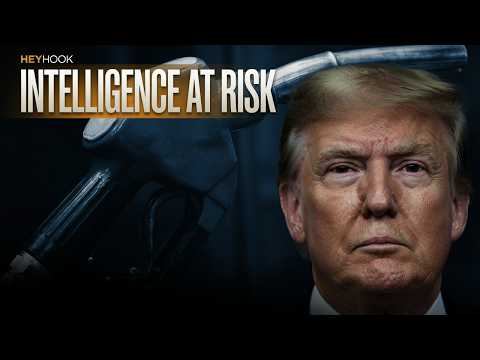

前回のレポートからの変化
2日後
今回
トランプの宣言後、キーウでは送電網とガス施設が損傷したと報告されている。ロシアの同意は未確認で、米国との情報共有は続いており、欧州は追加制裁を承認した。
ドナルド・トランプは、ウクライナのエネルギーインフラが即時停戦によって保護されると宣言した。その後、ウクライナはエネルギー施設6カ所が攻撃され、33人が負傷し、ガス施設と送電網が損傷したと報告した。10月13日になっても、より根本的な点が未解決のままだった。モスクワは、トランプがすでに発効していると述べた合意を受け入れたと、公に確認していなかった。 1 4
10月11日、HeyDay Newsは、トランプがウクライナに新たな大統領を求めたこと、製油所への攻撃を止めるよう圧力をかけたこと、そして米政府が情報共有を停止すると脅したとの報道を伝えた。実際に実施された情報共有の停止も、相互のエネルギー停戦も成立しておらず、欧州の制裁決定は保留中だった。それから2日後、欧州は追加制裁を承認し、ウクライナは米国との情報協力が続いていると述べている。実証されていないのは、エネルギーインフラの相互保護、あるいは消費者に継続的な節約をもたらすロシア産ディーゼルの供給だ。
トランプが10月11日にTruth Socialで発表した内容は断定的だった。保存された投稿の公開メタデータには14:16:38 UTCと記録されているが、表示時刻にタイムゾーンの指定はない。 476
即時発効。ロシアとウクライナの戦争において、エネルギー停戦が成立する。両当事者が合意した。破ってはならない!この件にご留意いただき、ありがとうございます。ドナルド・J・トランプ大統領
誰も成立を実証していない合意
ウォロディミル・ゼレンスキー大統領は、事前に相談を受けておらず、発表をメディアで知ったと述べた。ウクライナの立場は相互的なものだった。ロシアがウクライナのエネルギーインフラへの攻撃をやめ、確かな保証を示すなら、ウクライナはロシアの製油所への攻撃をやめるというものだ。その保護を歓迎することと、トランプが発表した合意を交渉または承認したことは同じではない。 34 26 6
クレムリンのドミトリー・ペスコフ報道官は、協議が続いていると述べ、「言うことは何もない」と語った。これは合意の確認ではなく、受け入れの証拠でもない。ただし、それだけで明確な拒否を意味するわけでもない。セルゲイ・ラブロフ外相が提案を退けたとする報道も、同氏の正確な立場を示す完全な発言を提示していない。 479 88
その後トランプは、「私が、彼らは合意したと言ったからだ」という報道された発言で、自身の主張を擁護した。質問と回答の全容は確認できていない。10月13日に伝えられたホワイトハウスでの発言では、両国が合意に違反したことを認め、ゼレンスキーとウラジーミル・プーチンが戦争を終わらせる必要があると述べた。これにより順守状況についての説明は変わったが、どちらの側が何に合意したのか、どの攻撃を指していたのかは解決しなかった。 465 9
発表では、期間、保護対象施設の明確な一覧、監視体制、執行の仕組みが示されなかった。停戦を破るなという指示だけでは、両軍に同じ命令が伝達されたと証明できない。こうした基盤がなければ、攻撃を違反と呼ぶことは、存在自体が確認されていない合意の成立を前提にする危険がある。 476 35
それでもウクライナ側の報告は、約束された保護が具体的に機能しなかったことを描いている。SBSは、エネルギー施設6カ所が攻撃され、33人が負傷したとのゼレンスキー大統領の説明を伝えた。Global Newsは、少なくとも6施設が攻撃されたと報じた。ガスインフラと送電網が損傷し、停電や電力の割り当て制限が起きた。これらの数は当事者に帰属する説明であり、施設ごとに独立検証された一覧ではない。 1 15 17
トランプの発表後、ハルキウの発電所が攻撃を受けたと報じられた。ゼレンスキー大統領はまた、キーウの広い範囲で水道と電気が止まり、復旧作業が進められていると述べた。損傷した施設のすべてや、影響を受けた顧客数、完全復旧までの予定を、証拠から確定することはできない。家庭にとって、外交上の不確実さは、利用できない公共サービスとともに訪れた。 11 486
10月13日、ゼレンスキー大統領は、トランプの要請を受けてウクライナは2日間、ロシアの製油所やその他のエネルギー施設への攻撃を控えた一方、ロシアはエネルギーインフラや重要インフラへの攻撃を続けたと述べた。ウクライナの19州が攻撃を受けたという。これは自制と攻撃範囲についてのウクライナ側の説明であり、双方の作戦すべてを独立して監視した結果ではない。 2 488
また、攻撃で住宅が破壊された後、ハルキウで4人が死亡、41人が負傷したと報告した。さらに、攻撃は10月12日から13日にかけての夜間に起きたとする報道もある。同氏によれば、事前にパートナー国から警告がないまま、弾道ミサイル5発がキーウの民間インフラに着弾した。これらの数字を、先に報じられた負傷者33人に単純に加えることはできない。事案ごとの重複は整理されていない。いずれにせよ、エネルギー施設だけを対象とする攻撃停止では、すべての民間人の標的を守れない。 2 485
停止ではなく、警告の欠如
キーウへの警告がなかったことを受け、前回の報道で取り上げた情報共有の問題が再び浮上した。しかし、アンドリー・シビハ外相は10月13日、ウクライナは米国から情報データを引き続き受け取っていると述べた。ワルシャワ安全保障フォーラムで同氏は、警報が遅れたのはロシアが使用した兵器が特殊な種類だったためだと説明した。同氏の発言が示すのは、協力が続いているというウクライナの現時点での説明であり、遅延に関する技術的説明が独立して検証されたということではない。 2
CBSはまた、ロシアの弾道ミサイル攻撃に関する情報を提供しないことや、ウクライナを支援するパトリオット迎撃ミサイルを含む欧州の兵器購入を停止するとの脅しを報じた。他の報道では、NATOが管理する調達ルートへの圧力が伝えられている。そうした脅しが実行されたことを示す、確認済みの停止命令や納入の中断はない。特定の攻撃について事前警告がなかったからといって、情報共有がすべて停止したことにはならない。 18 74
燃料供給の約束は未履行
ディーゼル政策が重要なのは、米政府がウクライナに燃料を生産する製油所への攻撃停止を求める一方で、ロシアへの経済的圧力を緩和したためだ。米財務省は10月9日、米国への輸入を含む、条件を満たすロシア産ディーゼル取引を認める一般許可135号を発行した。許可証は購入契約ではなく、貨物が到着した証拠でもない。また、ロシアに対するすべての制裁を撤廃するものでもない。 139 472
トランプが10月9日に示した約束は、製油所の状況を条件として、直ちに30万トン超、11月に50万トン、その直後に100万トン、さらに短期間のうちに300万トンを供給するというものだった。割り当て量は合計480万トンを超える。今回の更新時点で、供給完了、購入者の特定、支払い済みの契約、消費者が入手できる時期の予定は確認されていない。 174
数量についての報道には大きな食い違いがある。10月13日付の報道で、ロイターの話者は当初30万バレル、後に50万バレルと暫定的に述べた。ABC Newsは当初の放出量を200万バレル超とし、DWは30万トンと報じた。発表で使われた単位はトンだった。約30万トンは約225万バレルに相当し、暫定的なロイターの数字ではなく、ABCの報道と一致する。 3 10 8 504
価格に関する報道でも、集計時点を区別する必要がある。ABC Newsは10月13日付の記事で米国のディーゼル平均価格を1ガロン当たり$6.26と伝え、同日付のCBSの記事は$6.28とした。これは同時刻に測定された価格ではなく、政策によって2セント節約できた証拠でもない。より新しい数字を確定できる日付入りの公式AAAデータ系列は確認できなかった。 10 18
GasBuddyのアナリスト、パトリック・デ・ハーンは、燃料がどこから来るのか、誰が購入するのかを疑問視した。同氏は、すでに6セントの下落が起きていると述べ、11月3日も価格は依然として$6を上回ると予測し、さらに10~20セント下がる可能性も示した。実際に観測された下落も予測も、ロシアとの取り決めの影響だけを切り分けたものではない。供給の有無は依然不確かであり、約束された燃料は米国だけでなく世界の市場向けだ。 16 174
欧州は決定を下した
10月12日に予定されていた欧州の決定は、現在では採択済みの措置となっている。欧州理事会は、ロシアの軍産複合体に関わる約1,600人・団体を対象とする、過去最大の指定リストを含むとする措置を承認した。理事会決定(CFSP)2026/2279は同日、採択・公表された。 469 470
Agence Europeは、企業826社と幹部743人、合計1,569件と報じており、SOFXもその合計を裏付けている。内訳の正確な数字は公式発表の抜粋では確認できなかったが、「約1,600」という丸めた表現の説明にはなる。対象にはドローンやミサイルの供給網が含まれる。リストに載ったのは人や団体であり、破壊された兵器や閉鎖された生産ラインの数ではない。 471 474
ドイツのフリードリヒ・メルツ首相は、ドイツや欧州がディーゼル取り決めに追随することを否定し、ロシアへの圧力を維持すべきだと主張した。ワシントンでは、ブライアン・フィッツパトリック下院議員が、超党派のロシア産石油購入禁止法案「ロナルド・レーガン平和力による強さ法」を計画していると発表した。10月13日時点で、法案が提出されたことを裏付ける記録、法案番号、議会での審議日程は確認されていなかった。 8 11
批判者による法的な異議は、裁判所の判断ではない。彼らは2022年のロシア産エネルギー輸入規制を根拠に挙げている。別のグラハム制裁法は2026年9月18日に署名された。あるアナリストは、新しい法律の実施上の節目として10月19日を挙げたが、実際の期限や必要な措置は確認されていない。これは調査すべき日付であり、すでに法的義務への違反が示された日付ではない。 39 349 8
トランプは保護がすでに実現した事実であるかのように宣言した。報道から確認できるのは、より限定的な事柄だ。ウクライナ側が自制し、ロシアの攻撃が続いているとの説明、情報協力が続いていること、そして欧州の制裁拡大が承認されたことだ。差し迫った焦点は、双方による実施だ。それが実証されるまでは、次の攻撃を受けても電気や水道が使えるという確かな安心を、発表は家庭に与えない。
放送時の内容 46行
- On October 11, we reported no mutual energy ceasefire. Trump declared one; Ukraine says attacks continued. Ukraine says energy strikes injured 33 people and cut electricity. Whether Washington can secure reciprocal restraint is still unresolved.
- Large parts of Kyiv lost water and electricity, and a power plant in Kharkiv came under attack. Gas infrastructure and power grids were damaged. Residents faced blackouts and electricity rationing while crews worked to restore service.
- Zelenskyy says Russia struck six energy facilities within hours of Trump's announcement. His initial account put injuries at 33. Those injuries belong to that early account; later casualty figures cover other attacks and can't simply be added.
- Trump made the declaration on October 11. He said the ceasefire took effect immediately and that both countries had agreed. Ukraine's president says he hadn't been consulted beforehand and learned about the announcement through the media.
- Trump's announcement said, “Both parties have agreed. Do not break it!” Zelenskyy offered reciprocal restraint: Ukraine would stop striking Russian refineries if Russia stopped attacking Ukrainian energy infrastructure. He also wanted real guarantees that the protection would hold.
- Ukraine welcomed the prospect of protecting its electricity and gas systems. But Zelenskyy says Kyiv hadn't approved the arrangement Trump announced. Supporting a reciprocal halt and consenting to that particular agreement are two separate decisions.
- Kremlin spokesman Dmitry Peskov said contacts were continuing and there was “nothing to say.” Moscow still hadn't publicly confirmed acceptance by October 13. That leaves Trump's claim of Russian consent unsupported by a matching public commitment from the Kremlin.
- Trump later defended his assertion with the reported phrase, “because I said they agreed.” He subsequently acknowledged violations by both Russia and Ukraine. He said Zelenskyy and Vladimir Putin needed to end the war, and said Putin wanted a deal.
- Trump hasn't publicly explained how the halt would be monitored or enforced. His announcement gave no duration or defined list of protected facilities. His later allegation of violations doesn't tell either military what matching orders the other side accepted.
- Zelenskyy says Ukraine stopped attacking Russian refineries and other energy facilities for two days after Trump's appeal. During that period, he says Russia attacked 19 Ukrainian regions and continued hitting energy and critical infrastructure. Ukraine is asking Washington to secure Russian compliance.
- Zelenskyy says a Russian strike destroyed a Kharkiv residential building, killing four people and injuring 41 overnight October 12–13. He also says five ballistic missiles struck civilian infrastructure in Kyiv. These are Ukraine's official accounts of the attacks.
- Other overnight reporting describes two women killed in Kyiv, without tying their deaths to a particular missile. An energy-only halt would still leave homes and other civilian targets outside the protection Trump described.
- A separate Sunday attack on a Kharkiv grocery store killed three people and injured 20. Another Kharkiv drone-attack account put injuries at 12, including a child. Those incidents don't provide a single final toll for the energy strikes.
- Zelenskyy says partners gave Ukraine no early warning before the Kyiv missile attack. That brought renewed attention to Washington's earlier reported threat to restrict intelligence sharing if Ukraine kept striking Russian refineries.
- Ukraine's foreign minister Andrii Sybiha says American intelligence data is still being shared. Speaking at the Warsaw Security Forum, he blamed the delayed air alert on the type of weapon Russia used. That's his explanation for the missed warning.
- Washington has also reportedly threatened to suspend a NATO-managed channel for European purchases of American weapons for Ukraine, including Patriot interceptors. No implemented suspension has been confirmed. Sybiha's statement says the broader intelligence cooperation continues despite that particular attack arriving without advance warning.
- Former ambassador Bill Taylor says American support has fallen almost to zero in most areas, while military intelligence continues. He argues Washington should increase pressure on Putin. His assessment covers weapons and financial support as well as political leadership.
- The diesel policy pulls in the opposite direction. Washington eased restrictions on a Russian export while pressing Ukraine to stop attacking the refineries that produce it. On October 11, we reported Trump's demand for a new Ukrainian president and his pressure to halt those strikes.
- Treasury issued the temporary diesel authorization on October 9, including qualifying U.S. imports. It runs through April 7, 2027. The authorization opens a legal route for transactions, but nobody has confirmed a completed delivery under the arrangement.
- Trump promised more than 300,000 tons initially and another 500,000 tons in November. He promised one million tons immediately afterward. A further three million tons depended on the condition of Russia's refineries. Together, those announced allocations exceed 4.8 million tons.
- Russian Deputy Prime Minister Alexander Novak described about 300,000 tons in October, 500,000 in November and one million in December. He also projected possible future exports approaching three million tons monthly. That projection doesn't create a recurring delivery commitment.
- The initial quantity has also been confused with barrels. About 300,000 tons of diesel converts to roughly 2.25 million barrels. The announcement used tons, so the tentative 300,000-barrel figure substantially understates the initial allocation.
- The quantities range from a tentative 300,000 barrels to more than two million barrels, or 300,000 tons. The larger barrel figure fits the approximate conversion. These are descriptions of promised supply; a purchaser and delivery schedule still haven't been publicly settled.
- The promised supply also serves American and global markets. Trump hasn't required every barrel to stay in the United States. That affects how much fuel could reach American buyers and how much relief drivers might see.
- Diesel price accounts give six dollars 26 cents and six dollars 28 cents per gallon at different cutoffs. The six-dollar-26-cent account puts prices about two dollars 60 cents above a year earlier. Those observations don't show savings caused by Russian fuel.
- Earlier October 9 and October 10 price snapshots both rounded to six dollars 28 cents. A wholesale diesel refining premium also fell six dollars 45 cents per barrel on October 9. That measures a refining spread, rather than what a driver saves per gallon.
- American transportation uses nearly three million barrels of diesel a day. The initial allocation is smaller than that daily use. The United States also exports diesel, with one estimate putting last year's exports above 1.2 million barrels a day.
- Analysts use different comparisons. One estimates the initial allocation at slightly more than half a day of diesel demand. Another puts it below about two days of normal American production. Consumption and production measure different things, so those estimates shouldn't be treated as competing answers.
- GasBuddy analyst Patrick De Haan questions where the fuel will come from and who will buy it. He cites exports of about 1.5 million barrels daily, using a different reference period from the previous year's figure.
- De Haan says diesel had already fallen six cents per gallon. He expects prices to remain above six dollars on November 3, while allowing another 10-to-20-cent decline. He hasn't isolated those movements as a benefit from the Russian deal.
- Energy expert Clayton Seigle also expects little effect on American prices and a benefit to Russia. He is a nonresident senior associate at the Center for Strategic and International Studies and leads Beacon Global Strategies' energy practice.
- Zelenskyy's objection is that renewed fuel sales put money into the state waging the war. Analyst Olga Khakova argues coordinated sanctions enforcement matters more than the initial diesel volume. Her estimate that Ukraine attacked 60 to 70 percent of Russian refineries measures sites attacked, without measuring destroyed output.
- The European Union approved its expansion on October 12. Detailed reporting puts the additions at 826 companies and 743 executives, totaling 1,569. The Council calls it its largest-ever package of listings, targeting almost 1,600 people and entities in Russia's military-industrial complex.
- That answers the pending European decision from our October 11 report. The new listings target drone and missile production and supply chains. The reported cumulative total now exceeds 4,500 sanctioned officials and entities.
- A Ukrainian analyst argues sanctions make foreign components harder for Russia to acquire, while intermediaries route purchases through Turkey, Central Asia and the Middle East. He also points to increased trade with Kyrgyzstan as a possible route around restrictions.
- His argument is that restrictions reduce production compared with unrestricted access. They don't stop every weapon from being built. Published estimates differ over how many new listings concern ballistic missiles; the Council hasn't supplied a precise percentage in its public announcement.
- German Chancellor Friedrich Merz says Germany and Europe won't follow the Russian diesel arrangement. He wants sanctions maintained, arguing Russia negotiates seriously under pressure. Britain has also said it wants stronger sanctions, while Poland is urging Western unity with Ukraine.
- Polish Foreign Minister Radosław Sikorski argues peace efforts need pressure on Russia rather than Ukraine. Former U.S. envoy Keith Kellogg says Ukraine should decide how to conduct its military operations. Both are urging continued pressure on Putin.
- Republicans and Democrats are challenging the American policy too. Senator Jerry Moran wants tighter sanctions. Representative Don Bacon criticizes Trump's approach to Putin. Senator Thom Tillis argues there's a legitimate legal case against the move and warns that reduced pressure could have deadly consequences.
- One account puts the senators urging reversal at seven, including four Republicans. Another describes four Republicans and two Democrats. The membership hasn't been reconciled. Their objection concerns Russia's war and the restrictions Congress placed on Russian energy imports.
- Brian Fitzpatrick says he will introduce bipartisan legislation to block Russian oil purchases. He calls it the Ronald Reagan Peace Through Strength Act. Bacon is willing to co-sponsor it, and Fitzpatrick predicts it would pass overwhelmingly.
- Fitzpatrick's plan could use a House discharge process, which requires 218 signatures to force a vote. He has announced his intention to pursue legislation. A completed introduction or scheduled floor vote hasn't been confirmed.
- Critics invoke the 2022 restrictions on Russian energy imports against Treasury's authorization. A separate Graham sanctions law, signed September 18, expands sanctions and tariff powers. The lawmakers' objections are legal arguments; no court has ruled the diesel license unlawful.
- Khakova identifies October 19 as an implementation benchmark for parts of the new sanctions law. The precise required action and legal deadline haven't been confirmed. That date is something to check, rather than a deadline already shown to have been missed.
- Europe has approved more sanctions, and Ukraine says American intelligence cooperation continues. Russian acceptance of the energy halt is still not yet confirmed. Ukraine describes two days of restraint and continued Russian strikes. Promised diesel deliveries and lasting consumer savings remain unresolved.
- Washington still has to secure the reciprocal protection Trump said was already in force. For residents, the consequence so far is damaged energy infrastructure and lost electricity and water. Nobody has given a restoration timetable for all the affected services.
情報源
517 件の情報源275 社のメディア103 本の動画13 件の配信記事
X (formerly Twitter)x.com15
- 最初の報道
- Trump on Truth Social: I have just concluded a highly successful discussion with President Vladimir Putin, of Russia, wherein it was agreed that Russia will immediately supply over 300,000 Tons of Diesel Fuel to the American and Global Marketplace, another 500,000 Tons during the month of November, and 1,000,000 Tons immediately thereafter. Additionally, based on the condition of their Diesel Refineries, Russia will then deliver, within a short period of time, 3,000,000 Tons of Diesel Fuel. Between our TOTAL CONTROL of the Strait of Hormuz, and this great announcement on Russian Energy, Diesel Prices for Americans and, indeed, the World, will be COMING DOWN, IN RECORD NUMBERS, AND FAST! Lower prices for Americans, especially our Great Farmers, Ranchers, and Truckers, is my Greatest Priority. This is a very big and important announcement. Additionally, it must be understood, that Iran will not have a Nuclear Weapon!
- 🇺🇸🇺🇦 President Volodymyr Zelenskyy just called Trump’s diesel deal with Putin an investment in the war. Trump says Friday’s call lets Russia release 300,000 tons of diesel now, 500,000 in November, and another million after that. Treasury issued a temporary license. Zelensky’s reply: "easing sanctions without a real de-escalation deal is obvious weakness. Gifts to Putin will not bring peace. Russia will repay the diesel with more terror." He also stated Ukraine will stop hitting Russian refineries if Russia stops destroying Ukraine’s energy system.
- ⛽ GAS AND DIESEL BOTH MOVE LOWER AGAIN AAA’s October 8, 2026 national averages show regular gasoline at $4.3612 per gallon and diesel at $6.2847. Yesterday, regular was $4.3667 and diesel was $6.3015. AAA Fuel Prices That means regular fell about 0.6 cents, while diesel dropped about 1.7 cents overnight. Diesel is also now more than 24 cents below its September 22 record high of $6.5276. AAA Fuel Prices Source: AAA Fuel Prices #GasPrices #Diesel #Economy #FuelPrices | The Dupree Report
- In 2020, Presidents Putin and Trump jointly stabilized oil prices and markets. Today, they continue their work. The diesel supply agreement showcases the power of economic cooperation between Russia and the US and its benefits to people and the world. Cooperation will prevail.
- BREAKING: New York Harbor wholesale diesel fell approximately 4.5% following the diesel supply agreement between Presidents Putin and Trump. The power of working together to stabilize markets and benefit the people. 🇷🇺🤝🇺🇸
- Historic. 🇷🇺🤝🇺🇸
- Kirill, everyone is obsessing over the diesel. That’s precisely why they’re missing the bigger story. 36 million barrels are the headline. Putin’s leverage over Washington is the story. For years, Washington has lectured the world about sanctions, maximum pressure on Moscow and American energy dominance. Now Russian energy is back in the equation, and Washington has a direct interest in keeping those barrels flowing. Let that contradiction sink in. Putin doesn’t need to outshout Trump, compete with every American oil producer or win a press conference. He needs Russian supply to matter when American economic and political interests are under pressure. The real flex isn’t selling diesel to America. It’s making the self-proclaimed energy superpower confront the limits of its own leverage. So stop looking at the fuel, Kirill. Focus at the strategic calculation. The diesel is what changes hands. The leverage is what matters. And the question is what Putin intends to extract ...
- 🇺🇸 🤝 🇷🇺 = 💪
- PUTIN'S ENVOY DMITRIEV ON X: RUSSIA-US COOPERATION ON DIESEL AND ENERGY WILL BENEFIT THE WORLD
- 🇺🇸✨️🇷🇺 🐇
- Миру завдяки слабкості ніколи не буває. Сьогодні в Києві були представники Конгресу США – двопартійна делегація, і я вдячний їм за візит в Україну в такий складний час. Вони запитали: «Що потрібно, щоб закінчити війну?» Відповідь має бути сильною. Мають бути санкції за законом Ліндсі Грема, має бути підтримка для України у захисті життя, і має бути тиск на Росію за війну. І сьогодні була розмова лідерів Америки та Росії. Розмова, яка веде до іншого. Нещодавно було європейське рішення про зняття санкцій з російських олігархів. Після нього росі...
- Not going to happen Diesel refining is down 30% in Russia https://www.iea.org/commentaries/russian-refining-sector-struggles-amid-intensifying-ukrainian-attacks
- And the Russian sanctions from 2022?
- Today, at President Trump’s direction, the U.S. Treasury’s OFAC issued an immediate temporary general license authorizing the supply of Russian diesel to the global market through April 7, 2027.
- ⭕️ Russia’s diesel exports collapse under Ukraine’s aerial campaign ➤ In normal conditions Russia exported roughly 800,000–900,000 barrels per day of diesel and gasoil, around 15–17% of the roughly 5–5.5 million b/d global seaborne market, according to Kpler data. ➤ By August, Kpler shows Russian net exports had fallen to around 100,000 b/d, roughly 2% of global seaborne trade. ➤ Combined net gasoil/diesel exports from Russia, Saudi Arabia, the UAE and other Middle East producers fell from about 2.2 million b/d in January to under 500,000 b/d by August, per Kpler. Global seaborne diesel exports were running around 4.5 million b/d, roughly 1 million below the 2022–25 norm. ➤ Ukraine struck Russian refineries at least 21 times in August alone, the most in any month of the war, Bloomberg reported. Russian refining averaged about 3.8 million b/d, near its lowest level in more than two decades, versus a normal summer 5.3–5.5 million b/d. ➤ Moscow has banned di...
congress.gov14
- www.congress.gov
- Actions - H.R.5334 - 119th Congress (2025-2026): Lindsey O. Graham Sanctioning Russia and Iran Act of 2026 | Congress.gov | Library of Congress
- Committees - H.R.5334 - 119th Congress (2025-2026): Lindsey O. Graham Sanctioning Russia and Iran Act of 2026 | Congress.gov | Library of Congress
- One Hundred Nineteenth Congress
- Text - H.R.5334 - 119th Congress (2025-2026): Lindsey O. Graham Sanctioning Russia and Iran Act of 2026 | Congress.gov | Library of Congress
- H.R.5334 - 119th Congress (2025-2026): Lindsey O. Graham Sanctioning Russia and Iran Act of 2026 | Congress.gov | Library of Congress
- H.R.5334 - 119th Congress (2025-2026): Lindsey O. Graham Sanctioning Russia and Iran Act of 2026 | Congress.gov | Library of Congress
- Text - H.R.5334 - 119th Congress (2025-2026): Lindsey O. Graham Sanctioning Russia and Iran Act of 2026 | Congress.gov | Library of Congress
- All Info - H.R.5334 - 119th Congress (2025-2026): Lindsey O. Graham Sanctioning Russia and Iran Act of 2026 | Congress.gov | Library of Congress
- Titles - H.R.5334 - 119th Congress (2025-2026): Lindsey O. Graham Sanctioning Russia and Iran Act of 2026 | Congress.gov | Library of Congress
- Text - H.R.5334 - 119th Congress (2025-2026): Lindsey O. Graham Sanctioning Russia and Iran Act of 2026 | Congress.gov | Library of Congress
- Text - S.4668 - 119th Congress (2025-2026): Protect College Sports Act of 2026 | Congress.gov | Library of Congress
- Text - H.R.1 - 119th Congress (2025-2026): An act to provide for reconciliation pursuant to title II of H. Con. Res. 14. | Congress.gov | Library of Congress
- www.congress.gov
ABC Newsabcnews.com12動画10本
- 最初の報道
- Boosting US oil supplies with Russian diesel unlikely to have much impact on prices, experts say
- Trump says 'I think it's time for Ukraine to get a new president'
- ABC News Live Prime: October 12, 2026 · 動画
- Breaking down Trump’s energy deal · 動画
- ABC World News Tonight with David Muir Full Broadcast - Oct. 12, 2026 · 動画
- Zelenskyy criticizes Trump's diesel deal; Trump suggests elections in Ukraine · 動画
- Good Morning America Full Broadcast — Sunday, October 11, 2026 · 動画
- This Week with George Stephanopoulos Full Broadcast - Sunday, October 11, 2026 · 動画
- Trump calls for new president in Ukraine · 動画
- ABC World News Tonight with David Muir Full Broadcast - Oct. 11, 2026 · 動画
- At Least 4 Dead as Hurricane Isaias Bashes Florida and Alabama. What You Need to Know - October 12 · 動画
- Good Morning America Full Broadcast — Saturday, October 10, 2026 · 動画
reuters.com12
- Trump says Russia to supply diesel to US and global markets | Reuters
- Trump says US to import Russian diesel, reversing pressure on Moscow | Bradenton Herald
- Trump says Russia to immediately supply 300,000 tons of diesel fuel
- Zelenskiy says letting Russia sell diesel to US is 'investment in war' | Reuters
- IEA further cuts Russian oil output forecasts on Ukrainian attacks | Reuters
- Ukrainian attacks push Russian oil output 10% below target in May, IEA says | Reuters
- Russia extends diesel export ban until end of October | Reuters
- Russia set to extend diesel export ban until end of October, Vedomosti reports | Reuters
- EXCLUSIVE: Half of Russia's top diesel-producing refineries cut back output after drone strikes | Reuters
- Russia's western oil exports hit record in June due to refinery outages, sources say | Reuters
- Russia will consider partial lifting of diesel export ban in case of overproduction, Novak says | Reuters
- Can Ukraine hold elections while at war? | Reuters
BBC Newsbbc.com10動画6本
- 最初の報道
- energy ceasefire coverage
- Trump and Russia diesel deal: Ukraine President Zelensky kick against move, call am 'gift to Putin' - BBC News Pidgin
- 'Time for Ukraine to get new president,' says Trump after Zelensky condemns diesel deal
- Trump announces deal for Russian diesel as Zelensky calls it a 'gift to Putin'
- Why did Trump just call for a 'new president of Ukraine'? · 動画
- Zelensky says Ukraine supports 'energy ceasefire' announced by Trump · 動画
- Why is Trump calling for Zelensky to go? | BBC Newscast · 動画
- Trump says it’s “time for Ukraine to get new President” as Zelensky condemns diesel deal · 動画
- Russian glide bomb attack on Zaporizhzhia kills at least 15 people · 動画
- Donald Trump does deal with Russia to release diesel to global market · 動画
GovInfogovinfo.gov8
- Public Law 119 - 111 - Lindsey O. Graham Sanctioning Russia and Iran Act of 2026 - PLAW-119publ111 | Related Documents
- H.R. 5334 (EAS) - Lindsey O. Graham Sanctioning Russia and Iran Act of 2026 - BILLS-119hr5334eas | Content Details
- www.govinfo.gov
- www.govinfo.gov
- H.R. 5334 (ENR) - An Act To impose sanctions and other measures with respect to the Russian Federation, as championed by the late Senator Lindsey O. Graham, and for other purposes. - BILLS-119hr5334enr | Content Details
- www.govinfo.gov
- govinfo.gov
- www.govinfo.gov
The Kyiv Independentkyivindependent.com8
- 最初の報道
- Russia partially lifts ban on diesel exports after Trump-Putin deal
- 'Will only lead to more slaughter' — bipartisan backlash erupts in US over Trump-Russia diesel deal
- 'He better damn well stop' — Trump slams Zelensky for attacking Russian refineries, says Ukraine should get 'new president'
- Fedorov broke Ukraine's wartime election taboo. What happens next?
- Putin shouldn't decide when Ukraine votes — but political ambition shouldn't either
- Trump says Ukraine, Russia agree to energy strike ceasefire 'because I said they agreed'
- Kremlin has nothing to say on Trump's energy ceasefire, rejects Zelensky's truce proposal
- Russian attacks kill at least 10, injure 80 across Ukraine over past day as Moscow hits homes, railway infrastructure
ABC News (Australia)7動画7本
- 最初の報道
- Trump lashes out at Zelenskyy over rising diesel prices in the US | ABC NEWS · 動画
- Trump announces Russia-Ukraine 'energy ceasefire', catching Zelenskyy by surprise | ABC NEWS · 動画
- Trump's Russian diesel deal 'probably illegal': fmr ambassador | ABC NEWS · 動画
- Russia strikes Kharkiv as Trump's 'energy ceasefire' raises eybrows | ABC NEWS · 動画
- What Trump diplomacy means for oil prices | The Business | ABC NEWS · 動画
- Trump calls for new Ukrainian president following Russian diesel deal | ABC NEWS · 動画
- Trump strikes deal with Putin for Russia to supply diesel to US | ABC NEWS · 動画
OilPrice.comoilprice.com7
- 最初の報道
- Why Record Crude Output Can’t Solve America’s Diesel Crisis
- Russia Extends Diesel Export Ban Through Oct. 31
- Russia Extends Diesel Export Ban Through October
- Russia’s Diesel Exports Crash to Multiyear-Low amid Tight Global Market
- Russia, Germany Add Diesel Supply as Fuel Market Scrambles for Barrels
- Drone Strikes Cripple Half of Russia's Top Diesel Refineries
- IEA Cuts Russia's Oil Production Forecast Due to Ukrainian Attacks
The Hillthehill.com7動画3本
- 最初の報道
- Russia will supply US and global markets with diesel, Trump says
- Democratic lawmakers slam Donald Trump's diesel fuel deal with Russia
- Donald Trump says Ukraine should 'get a new leader' after Volodymyr Zelensky's criticism on Russia diesel deal
- Zelenskyy says Ukraine received no intelligence from partners on incoming missile strike on Kyiv
- TX Agriculture Commissioner Sid Miller breaks with Trump on beef imports | The Hill Sunday · 動画
- DHS agents RAID Ilhan Omar's DC home (Plus: Trump says Zelensky should be replaced) | RISING · 動画
- Putin strikes Ukraine despite Trump's 'energy ceasefire' announcement · 動画
BBC Newsbbc.co.uk6
- 最初の報道
- UK does not support Trump's Russia diesel deal, says Streeting
- Trump's 'energy ceasefire' claim welcomed by Zelensky but Russia silent
- strikes continue after the announced ceasefire
- 'Time for Ukraine to get new president,' says Trump after Zelensky condemns diesel deal
- Trump announces deal for Russian diesel as Zelensky criticises 'gift to Putin'
- Analysis: Trump's shock Russia deal highlights mounting pressure to curb fuel prices
Bloomberg Television6動画6本
- 最初の報道
- Meta's New Muse Wonder AI Model; LVMH Slumps After China Backlash · 動画
- Saudi Arabia Reports Fresh Attacks as Wider Conflict Could Push Oil to $120 · 動画
- Trump Claims Russia-Ukraine Agree to ‘Energy’ Truce, Houthi Attacks on Saudi Airports Escalate · 動画
- Riyadh Airport Hit Again After Deadly Houthi Attack Leaves People Killed, Hundreds Injured · 動画
- Deadly Houthi Attacks on Saudi Arabia; EU Caps Chinese Hybrid Car Imports · 動画
- Trump Says Putin to Supply US With Diesel · 動画
Bloomberg.combloomberg.com6
- 最初の報道
- US Sees Diesel Stocks Falling to 2003 Low Ahead of Peak Demand - Bloomberg
- Russia Lifts Diesel Export Ban After Trump-Putin Agreement Allows 500,000 Tons - Bloomberg
- Russia’s Oil-Export Boom Undercut by Payouts, Diesel Sales Ban - Bloomberg
- Russia Extends Diesel-Export Ban as Global Supply Squeezed - Bloomberg
- Russia Set to Extend Diesel Export Ban as Ukraine Attacks Refineries Persist - Bloomberg
- Russia's Oil Exports Near-Record Pace as Ukraine's Drones Target its Refineries - Bloomberg
CBS Newscbsnews.com6動画3本
- 最初の報道
- Trump says Ukraine needs a new president, blames Zelenskyy's strikes on Russian refineries for high diesel prices - CBS New York
- Trump announces Russia will release millions of tons of diesel to help with skyrocketing costs - CBS Chicago
- Would access to Russian diesel help drive down prices in the U.S.?
- Will Trump's Russia diesel deal actually bring down prices? · 動画
- Trump lashes out at Ukraine amid Russian diesel deal, Ilhan Omar's home raided, more | The Takeout · 動画
- Ukraine's Zelenskyy pushes back against Trump's Russian diesel deal · 動画
DW News6動画6本
- 最初の報道
- How does Russia keep evading sanctions? · 動画
- Germany's Merz rejects Trump’s Russian diesel deal: How deep is the split? · 動画
- Ukraine rejects Trump's call for new leadership · 動画
- Trump's 'energy ceasefire' announcement catches Kyiv by surprise · 動画
- Trump's diesel deal with Putin sparks new clash with Zelenskyy · 動画
- How Russia turned sanctions into a diesel deal · 動画
FRANCE 24 English6動画6本
- 最初の報道
- Trump, Zelensky clash over diesel deal as Russian strikes kill 21 • FRANCE 24 English · 動画
- Trump says Ukraine needs new president who will agree to end war • FRANCE 24 English · 動画
- Trump's energy ceasefire announcement was 'news for me' (Zelensky) • FRANCE 24 English · 動画
- Trump touts surprise 'energy ceasefire' – Zelensky says he hasn't seen details, Moscow silent · 動画
- 'It's clear that Moscow is just playing with Washington', analyst says • FRANCE 24 English · 動画
- Trump hails Russia deal to release diesel as midterms loom • FRANCE 24 English · 動画
Kyiv Postkyivpost.com6
- 最初の報道
- Ukraine Ready to Halt Refinery Strikes for Energy Truce, Zelensky Says
- Zaporizhzhia Bombing Death Toll Reaches 20 as Rescue Ends
- Zelensky Slams Trump-Putin Diesel Deal as Betrayal of Ukraine Peace Talks
- US Envoys Pressure Kyiv on Refinery Strikes
- US Republicans, Democrats Criticize Trump’s Russia Diesel Deal
- Russia Strikes Kyiv, Lviv and Kharkiv With Missiles and Drones
SBS News6動画6本
- 最初の報道
- Russia attacks Ukraine despite Trump's ceasefire | Morning News Bulletin 13 October 2026 · 動画
- Blackouts in Ukraine as Russia strikes six energy facilities | EU announces sanction on Russia · 動画
- Deadly strike on Saudi Arabia's Riyadh airport | Trump calls for Ukraine elections · 動画
- Another missile attack on Riyadh airport | Morning News Bulletin 12 October 2026 · 動画
- Russian drones hit Ukraine power station after 'energy ceasefire' | SBS speaks to Estonia diplomat · 動画
- Ukraine condemn US move to import Russian diesel | ICC reject US sanctions: an attack on rule of law · 動画
The Guardiantheguardian.com6
- 最初の報道
- Zelenskyy says Russia ‘did not heed’ Trump’s call for energy ceasefire and gave ‘no early warning’ before strikes on Kyiv – Europe live
- Trump announces partial ceasefire in Ukraine war as Zelenskyy says deal is ‘news to me’
- Ukraine says Russia violated Trump’s ‘energy ceasefire’ – Europe live
- Trump says Ukraine needs a new leader after diesel deal with Russia
- Zelenskyy furious as Trump announces deal to buy Russian diesel
- Trump signs bill imposing sanctions on Russia and giving him more power to levy tariffs | Donald Trump
CTV News5動画5本
- 最初の報道
- Trump says Russia and Ukraine have agreed to ‘energy ceasefire’, no confirmation from either country · 動画
- OSAP freeze worries career college health care students | CTV National News for Sun., Oct. 11, 2026 · 動画
- Trump saying Ukraine needs a new leader is ‘almost irrelevant’: former ambassador · 動画
- Economists react to weak September jobs report | CTV National News for Oct. 9, 2026 · 動画
- ‘The U.S. is quite firmly on the side of Russia’: Ambassador on diesel deal, Trump’s rhetoric · 動画
Fox Newsfoxnews.com5動画4本
- 最初の報道
- Zelenskyy says Russia attacked energy grid after Trump ceasefire call
- NEW: Trump announces IMMEDIATE energy ceasefire between Russia, Ukraine · 動画
- DETAILS: Trump, Putin STRIKE DEAL over Russian diesel · 動画
- NEW: Saudi Arabia confirms THIRD ATTACK on major airport, Houthis claim responsibility · 動画
- Trump SLAMS Zelenskyy: 'Time for Ukraine to get a new president' · 動画
MS NOW5動画5本
- 最初の報道
- Trump campaigns in Ohio to half-packed arena as pushback to his Russian diesel deal grows · 動画
- Lawrence: ‘Pathological liar’ Trump pretends Ukraine and Russia agreed to ceasefire · 動画
- ‘REMOVE Trump from office!’: Top Armed Services Dem says Trump lives in ‘un-reality’ · 動画
- GOP Senator: Trump’s Russia diesel deal ‘legitimate case’ of him BREAKING the law · 動画
- Trump backstabs allies, breaks sanctions for sudden Russian diesel deal · 動画
Sky News5動画5本
- 最初の報道
- Russia and Ukraine have agreed 'energy ceasefire', says Trump · 動画
- Trump blames Zelenskyy for rise in fuel costs ahead of midterm elections · 動画
- Trump says Ukraine should 'get a new leader' as Zelenskyy slams US diesel deal with Putin · 動画
- Shock as Trump announces deal that will see Russia supply the US with diesel · 動画
- Bill Browder 'appalled on so many levels' over diesel deal between US and Russia' · 動画
euronewseuronews.com4動画2本
- 最初の報道
- Trump's announced Russia-Ukraine energy ceasefire faces doubts as strikes continue
- Trump insists Russia-Ukraine energy ceasefire is in place, drone strike kills woman in Kyiv
- Trump says Ukraine needs new president after Zelenskyy condemns Russia fuel deal · 動画
- Europe Today: Trump claims Ukraine-Russia energy ceasefire as Baltics stay on alert · 動画
Global News4動画4本
- 最初の報道
- Global National: Oct. 12, 2026 | Russia strikes Ukraine despite Trump's "energy ceasefire" · 動画
- Global National: Oct. 11, 2026 | Trump claims Russia-Ukraine ceasefire brokered · 動画
- Global National: Oct. 10, 2026 | At least 4 dead after Hurricane Isaias makes landfall · 動画
- Trump responds after Ukraine’s Zelenskyy calls him “weak” amid diesel deal with Putin · 動画
NBC Newsnbcnews.com4動画2本
- 最初の報道
- Trump says Russia and Ukraine agree to energy ceasefire
- Zelenskyy says Ukraine received no intelligence from partners on incoming missile strike on Kyiv
- Thom Tillis says Trump’s Russia deal may be illegal, will put American lives at risk: Full interview · 動画
- NBC Nightly News with Tom Llamas Full Episode - Oct. 9 · 動画
Scripps News4動画4本
- 最初の報道
- Today: A raid on Ilhan Omar's home and Trump's diesel deal with Russia under the microscope · 動画
- Afternoon headlines: Judge halts Trump's golf course changes, and Ilhan Omar's DC home raided · 動画
- Today: Bracing for Hurricane Isaias, and Trump announces a plan to buy Russian diesel · 動画
- Trump appears with Mike Tyson, takes questions on firing squad execution, Iran and Russia · 動画
Ukrainska Pravdapravda.com.ua4
- 最初の報道
- Zelenskyy: Ukraine will stop refinery strikes if Russia halts energy attacks
- Ukrainian drone strikes cut output at half of Russia’s top diesel refineries
- Top EU diplomat Kaja Kallas says this is not the time to ease pressure on Russia
- Zelenskyy: Ukraine halted strikes on Russian oil refineries, but Kremlin ignored Trump
Clarity UPSCclarityupsc.com3
Federal Registerfederalregister.gov3
intellinews.com3
- 最初の報道
- bne IntelliNews - Trump's Russian diesel deal splits Washington from Kyiv as he calls for a new Ukrainian president
- bne IntelliNews - Trump strikes Russian diesel deal with Putin as Zelenskiy says Ukraine's negotiators were used as a "smokescreen"
- bne IntelliNews - Russian refining down to record lows, LNG exports to Europe at record highs
Meduzameduza.io3
- 最初の報道
- ‘We’re being used as a front,’ Zelensky says of Trump’s diesel deal with Putin
- Trump says he reached a deal with Putin to supply Russian diesel to U.S. and global markets, breaking with years of American sanctions policy
- Trump signs Washington’s long-awaited ‘sanctions from hell’ law against Russia. It gives him 30 days to act and broad authority to suspend the restrictions.
The Independentindependent.co.uk3動画1本
Associated Press2動画2本
Crypto Briefingcryptobriefing.com2
Energy Intelligenceenergyintel.com2
markitdigital.com2
PBS NewsHour2動画2本
RadioFreeEurope/RadioLibertyrferl.org2
SmarTradethompsonhinesmartrade.com2最初
The Korea Timeskoreatimes.co.kr2
The Straits Timesstraitstimes.com2
ucsb.edu2
- Executive Order 14066—Prohibiting Certain Imports and New Investments With Respect to Continued Russian Federation Efforts To Undermine the Sovereignty and Territorial Integrity of Ukraine | The American Presidency Project
- Congressional Bill H.R. 5334 Signed into Law | The American Presidency Project
World Energy Newsworldenergynews.com2
aaa.com1
AAFamericanactionforum.org1
adsrvr.org1
Agence Europeagenceurope.eu1
anewsanews.com.tr1
Archdiocese of Maltachurch.mt1
Asia Maritime Transparency Initiativecsis.org1
Australian Financial Reviewafr.com1
Báo Công Giáo và Sự Thậtcgvst.com1
bbcstreaming.pages.dev1未確認のサイト
Big Country Newsbigcountrynewsconnection.com1
Big News Network.combignewsnetwork.com1
blaisdellcenter.com1
BostonGlobe.combostonglobe.com1
Bracewell LLPbracewell.com1
brunel.ac.uk1
Business Todaybusinesstoday.in1
C-SPAN1動画1本
- 最初の報道
- Trump thanks Putin for oil deal · 動画
Carscoopscarscoops.com1
CBC News1動画1本
CDL Transportation Groupcdltransportationgroup.com1
Civic Intelligencecivicintelligence.news1
Clash Reportclashreport.com1
Congress Receiptscongressreceipts.com1
CTOL Digital Solutionsctol.digital1
CubaHeadlinescubaheadlines.com1
Daily Maverickdailymaverick.co.za1
Davis Polkdavispolk.com1
DCReport.orgdcreport.org1
Devdiscoursedevdiscourse.com1
Diplomacy and Lawdiplomacyandlaw.com1
Discovery Alertdiscoveryalert.com1
Economic Vectorseconomicvectors.com1
edmlife.com1
Energy Connectsenergyconnects.com1
exportcompliancedaily.com1
Foreign Policyforeignpolicy.com1
Fortunefortune.com1
Freedomuatv.ua1
Gasolyticsgasolytics.com1
glatkistan.com1
Global Sanctions and Export Controls Blogbakermckenzie.com1
Ground Newsground.news1
gulfnews.com1
https://www.hawaiinewsnow.comhawaiinewsnow.com1
HuffPosthuffpost.com1
Hydrocarbons and Geothermal Energy Officegovdelivery.com1
IFC Marketsifcmarkets.hk1
India Todayindiatoday.in1
InfoBuz.roinfobuz.ro1
Information Overloadin4mationoverld.com1
International Affairsinteraffairs.ru1
International Business Times, Singapore Editionibtimes.sg1
Investing.com 香港investing.com1
Karmactivekarmactive.com1
Keystone Dailykeystonedaily.com1
KSE Institutekse.ua1
KTVZktvz.com1
Kursiv.mediakursiv.media1
LBClbc.co.uk1
LegalClaritylegalclarity.org1
livecharts.co.uk1
MacroMicromacromicro.me1
Marist Premier Catholic College Prep Coed Chicagomarist.net1
MarketScreenermarketscreener.com1
MEAWW Newsmeaww.com1
Mezhamezha.net1
Middle East Monitormiddleeastmonitor.com1
MPR Newsmprnews.org1
nationthailandnationthailand.com1
NavilinkGlobalnavilinkglobal.com1
NewKerala.comnewkerala.com1
Newsquawknewsquawk.com1
Nikkei Asianikkei.com1
Outlook Indiaoutlookindia.com1
Paul, Weisspaulweiss.com1
Pelosi Trackerpelositracker.app1
PIER20pier20.com1
POLITICOpolitico.eu1
PS Newspsnews.com.au1
Radio Shomaradioshoma934.ae1
Raw Storyrawstory.com1
Rediffrediff.com1
Reuters via Yahooyahoo.com1
Rīga TVrigatv.com1
RT Balkanrt.rs1
Russia Heraldrussiaherald.com1
Sanctions Law Centersanctionslawcenter.com1
SBS World Newssbs.co.kr1
Ship & Bunkershipandbunker.com1
SquawkNewssquawknews.com1
substack.com1
Sullivan and Cromwell LLCsullcrom.com1
The Australian Newstheaustraliannews.com.au1
The Express Tribunetribune.com.pk1
The Globe and Mailtheglobeandmail.com1
The Hans Indiathehansindia.com1
The Hayridethehayride.com1
The Herald Businessheraldcorp.com1
The Inner Circle Ledgerinnercircleledger.com1
The Jerusalem Post | JPost.comjpost.com1
The Moscow Timesthemoscowtimes.com1
The Star News Network | On Point. Politics, Law, and Sportsthestarnewsnetwork.com1
The Statesmanthestatesman.com1
The Telegraphtelegraph.co.uk1
The Vault Reportthevaultreport.com1
theaa.com1
thefederalregister.org1
TheGlobalEconomy.comtheglobaleconomy.com1
Threadsthreads.com1
TIMEtime.com1
tovima.com1
Trade Finance Globaltradefinanceglobal.com1
tradingeconomics.com1
Transport Topicsttnews.com1
TrenBuzztrenbuzz.com1
Trend & Tickertrendandticker.com1
Trump Archivetrump-archive.com1
trump.fm1
Trump’s Truthtrumpstruth.org1
tvpworld.com1
Ukraine Top News | Ukraine news todayin.ua1
ukrinform.net1
UkrMedia Newsukrmedia.news1
US Gas Gaugeusgasgauge.com1
WatchfulEyewatchfuleye.us1
wikipedia.org1
WTOP Newswtop.com1
Yorkshire Liveexaminerlive.co.uk1
Газета Дейкомdaycom.com.ua1
Надмитов, Иванов и Партнёрыnplaw.ru1
Радио Свободаsvoboda.org1
РИА Новостиria.ru1
- 最初の報道
- ria.ru
Российская газетаrg.ru1
Українські Новиниukranews.com1
情報源マップ
この報道の根拠をたどります。マップで情報のつながりを確認し、下のリンクから記事で引用された情報源を開けます。
記事を読む間に情報源マップを読み込みます。
翻訳更新:
改訂履歴
- r1初公開。