政治 · 艾伯塔省公投持续报道 · 第 1 篇,共 2 篇
艾伯塔省的投票无法带来独立,但投票率仍可能影响其未来。
分离程序问题不具约束力,但其政治利害关系是真实的。民调支持留在加拿大;投票渠道、投票率以及迫在眉睫的邮寄选票截止日期,将决定谁能发声。
原语言视频

文字实录 · 正在加载
译自英文原文。
持续报道第 7 天
2 篇报道158 家媒体392 个来源40 个视频
完整报道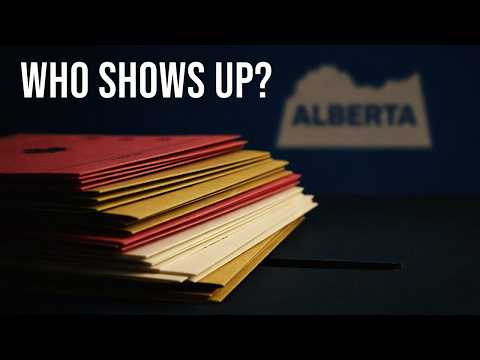

艾伯塔省正在就一个无法让该省脱离加拿大、且投票结果在法律上不约束省政府的问题进行投票。然而,政治后果可能相当重大。随着提前投票站开放,眼下的较量在于:艾伯塔省民众是否希望推动再次举行分离公投,以及民调中测得的支持是否会转化为被正式接纳的选票。287 16
投票于周二,即2026年10月13日开始,选举日为10月19日星期一。选民会收到10张以颜色区分的选票。最后一张让选民选择留在加拿大,或启动法律程序,以便日后举行具有约束力的公投。将这次投票称为独立公投,忽略了最重要的区别。16 72
关键事实
获得授权不等于独立
问题10的内容是:“艾伯塔省应继续作为加拿大的一个省,还是艾伯塔省政府应启动《加拿大宪法》规定的法律程序,以举行具有约束力的省级公投,决定艾伯塔省是否应脱离加拿大?”5月28日的枢密令明确规定,投票结果不具约束力。若选择启动程序,将带来政治压力,但不会自动安排另一场投票,也不会改变边界。27 287
即使日后举行分离公投,投票本身也不会直接带来独立。最高法院在1998年8月20日就魁北克脱离加拿大问题作出的咨询意见确立:若选民以明确的问题表达明确多数支持脱离,便会产生互负的宪法义务,要求各方本着诚意谈判,而非赋予任何一方单方面离开的权利。24
2000年的《清晰法案》没有设定固定的数字门槛。加拿大下议院须评估问题;投票结束后,还须考虑多数规模、投票率和其他相关情况。若下议院认定问题或多数不明确,联邦政府便不能展开谈判。仍须进行宪法修正并达成协议;原住民和条约权利、少数群体权利、边界、债务与资产都需要考虑。这些条件都没有预先确定。196 24
第一民族的权利已经对请愿程序构成限制。5月13日,法官沙伊娜·伦纳德撤销了对一项较早分离倡议请愿的批准,理由包括有义务就条约影响进行协商。此前并未征询第一民族意见。6月29日的部分暂缓令允许核验签名并公布结果,但不允许将请愿全面转交后续处理;9月4日的命令允许第六号条约邦联发展基金会介入。这些程序性裁决并未解决关于实体问题的上诉。291 26 308
其他9个问题涉及移民、省级公共服务、临时居民的等待期或费用、选民身份证明和公民身份证明,以及宪法变更。问题七提议与愿意参与的省份合作,废除未经选举产生的参议院。根据最高法院2014年4月25日就参议院改革作出的咨询意见,废除参议院需要采用一致同意修宪程序,须涉及联邦议会机构和全部10个省的立法机构。艾伯塔省无法独自完成这一目标。72 285
参议员斯科特·坦纳斯怀疑艾伯塔省能否促成这项协议。维多利亚大学法律系荣休教授、前院长杰里米·韦伯质疑选票是否给出了清晰指示;参议员保拉·西蒙斯则为参议院的立法复审作用辩护。这些宪法问题正式约束艾伯塔省政府,而问题10并不具此效力,但它们仍不能取代实施所需的宪法协议。1 55 188
选票必须实际获接纳
提前投票将持续至10月17日星期六,通常开放时间为上午9时至晚上8时,但不同地点和日期的开放时间可能有所不同。选民可前往所属选区内任何一个提前投票站投票,而不是艾伯塔省内的任何地点。选举日当天,选民必须前往指定投票站。请查阅邮寄给您的《投票地点》卡,或使用艾伯塔省选举局的投票地点查询服务。16 19
特别选票包必须在10月16日星期五下午5时前送达艾伯塔省选举局;此处时间为艾伯塔夏令时。当天寄出并不足够;迟到的选票包会被拒收。加拿大邮政建议在10月9日前寄出。选票包必须附有签名声明和获认可的身份证明;缺少信息或信息不符可能导致选票无效,但官员会在可能的情况下尝试纠正。289 22
改为现场投票前,请查看申请确认信息中提供的追踪资料。选票包尚未获接纳时,可选择提前投票作为替代方案。如果截至10月18日下午5时,选票包仍未标记为已收到并已投票,选民可以在选举日现场投票。现场投票意味着之后才送达的特别选票会被拒收;已经核验的特别选票则会使选民从选民名册中移除。这是为了保障投票机会,并非让两张选票都计入结果。289 22
投票资格要求选民为加拿大公民、在选举日年满18岁,并通常居住在艾伯塔省。现场投票时,选民可以出示一份由政府签发、带照片并显示全名和当前实际住址的证件,或出示两份显示姓名的文件,其中至少一份须显示住址。获认可的文件类型超过50种。《投票地点》卡不是身份证件,也不再接受担保人作证。有限的住址证明方式和在特定机构内提供的流动投票是其他选择,但并不保证每家养老院都会设有投票站。14 23 215
这一限制是实际问题,并非抽象担忧。埃德蒙顿斯特拉斯科纳选区的新民主党国会议员希瑟·麦克弗森表示,一些长者在得知原本预期会设于居住机构内的投票站不会开放后联系了她。自由党国会议员科里·霍根讲述了在演示10张选票的系统时发生的颜色标记错误;这并不能证明已完成的选票遭到误计。分析人士约翰·桑托斯援引城市地区排队和交通障碍的个别说法,他认为这些因素可能不成比例地打击联邦主义者的投票意愿。他将这些限制归因于资源和筹备时间,而非阴谋;尚无证据证实其对不同群体的投票率产生了不同影响。8 4
大量邮寄投票数据也被误当成实际参与人数。艾伯塔省选举局10月1日发布的公告报告了截至9月29日的数据:已完成处理的申请略多于658,000份,已获批准并寄出的选票包超过652,000份,遭拒的申请超过5,700份。已退回并完成核验的选票包超过131,000份。申请遭拒不等于已填妥的选票遭拒,而且这些数字并非10月14日的投票率统计。18
CTV在10月11日的报道提到,此前收到的申请超过600,000份。10月13日,CBC记者朱莉娅·黄给出的约数是寄出650,000份选票包,这与官方数字相符;麦克弗森则另称数量为680,000份。经核实的时间或类别差异尚无法解释较大的数字。这些数字都不能证明当前投票率或存在舞弊。官员按约85%参与率进行准备,这只是规划假设,而非实际观测到的比例。13 9 8 18
民调领先不能代替选票
Leger于10月2日至4日对1,001人开展的在线调查显示,70%选择留在加拿大,22%选择启动程序,7%尚未决定。Ipsos于9月18日至22日对600人进行的在线抽样调查,结果分别为70%、20%和10%。珍妮特·布朗于9月8日至21日进行的电话与在线调查,样本为1,200人,结果分别为72%、23%和4%;Research Co.于8月24日至26日对750名可能投票者进行的在线调查,结果分别为74%、22%和4%。这些是各自独立的民意快照,数字经过四舍五入,并非选票,也不是一条单一的趋势线。144 242 204 226
前省长杰森·肯尼在10月11日的采访中警告说,如果投票率为40%或更低,分离主义者可能获胜。这是他带有条件的政治判断,并非预测或选举门槛。西蒙斯表示,一些进步派人士告诉她,他们宁愿弃权,也不愿让这场公投显得获得正当性。他们的反对并不能取消选民面临的选择:决定权将留给参与投票的人。104 7
肯尼和前新民主党省长瑞秋·诺特利如今已一同现身埃德蒙顿,呼吁团结。马克·卡尼在10月12日的感恩节呼吁中表示:“你无法在裂痕之上建设宏大的事业。”总理计划于10月15日在卡尔加里的BMO中心、10月16日在埃德蒙顿世博中心参加“永远是加拿大人”集会;皮埃尔·波利耶夫计划在卡尔加里开展团结宣传,并于10月16日在一场会议上发表主旨演讲。截至10月14日,这些活动都尚未举行,其对选举的影响也尚未测量。2 95 123 138
即使没有量化损失,经济上的不确定性也很具体。麦克劳德堡农民斯蒂芬·范德瓦尔克质疑未来经由不列颠哥伦比亚省使用港口的通道。农业政策专家曼努埃尔·华雷斯·达维拉警告,跨省一体化可能受到干扰。前联邦部长詹姆斯·摩尔警告,资本可能外流,投资者可能犹豫不决,即便留在加拿大一方获胜也可能如此。这些是风险和评估,并非已敲定的贸易条款、经过衡量的公投损失,或出口路线确定关闭的证据。34 36 12
另一场竞选争议涉及美国方面的支持。《环球邮报》报道了涉及水资源、石油特许权使用费和铁路用地的提议,这些内容与分离主义者会见美国官员有关。律师杰夫·拉斯和组织者米奇·西尔维斯特否认曾讨论提供资源;拉斯称这种说法是“彻头彻尾的虚构”。尚无证据证实存在任何协议或经独立核实的利益交换。152 153 158
省长丹妮尔·史密斯表示,只要她仍担任省长,若留在加拿大一方获胜,就不会举行具有约束力的分离公投——“只要我还是省长”。这是一项受她任期限制的政治承诺,并非禁止未来政府采取行动。西尔维斯特表示,接受结果并不意味着必须结束竞选活动,并鼓励支持者购买联合保守党党员资格。外界讨论的11月行动,包括试图影响该党的董事会、提名和领导权,仍属可能情境,并非已经通过的变更。114 9
10月19日的投票将揭晓参与投票的艾伯塔省民众如何选择,但不会解决宪法谈判,也不会让一场运动销声匿迹。在任何一方宣称获得授权之前,更迫切的考验是:符合资格的选民能否让自己的选择获接纳。
播出原貌 61 行
- Albertans are casting ten colour-coded ballots on choices that include a path toward separation.
- The final question offers a choice between staying in Canada and pursuing another referendum. Its result is non-binding, while voting arrangements and a fast-approaching mail deadline could determine who gets heard.
- How far can this vote take Alberta, and who can get a ballot accepted before voting closes?
- Alberta has opened 310 advance voting locations. Voting began October 13 and runs through October 17, generally from nine in the morning until eight at night. Some locations and days have different hours.
- Advance voters can use any station within their own electoral division. On Election Day, Monday, October 19, they must use their assigned station. The mailed Where to Vote card and Elections Alberta's voting-location service identify the locations.
- Question ten asks voters whether to remain or begin the legal process for a later binding separation referendum. The government has made this preliminary result non-binding. A process win would give supporters a political mandate to press for another vote.
- The government would still have to decide its next steps. This ballot doesn't automatically schedule another referendum or change Alberta's borders. Even a later vote favouring separation would face a separate constitutional test.
- A later referendum needs a clear question and a clear majority. The House of Commons assesses both. If those conditions are met, Canada and the other provinces have a reciprocal duty to negotiate constitutional change in good faith.
- The Supreme Court set out that duty in its 1998 Quebec secession ruling. The Clarity Act, passed in 2000, sets no fixed numerical threshold. The Commons considers the size of the majority, turnout and other relevant circumstances. Ottawa cannot enter negotiations if the Commons finds the question or majority unclear.
- Any negotiated separation would need constitutional amendment and agreement involving Ottawa and other provinces. Indigenous and treaty rights, minority rights, borders, debts and assets would require attention. Negotiations could fail, leaving Alberta without an agreement to separate.
- First Nations consultation already changed the petition route. Justice Shaina Leonard quashed approval of an earlier separation petition on May 13. First Nations hadn't been consulted about treaty impacts. Errors involving transitional rules and an earlier decision also formed part of her reasons.
- On June 29, appeal judge Alice Woolley allowed signature verification and public reporting to continue. Restrictions on sending the petition onward remained. A September 4 order allowed the Treaty Six Confederacy Development Foundation to intervene. The merits appeals are still unresolved.
- Question seven asks Alberta to work with willing provinces toward abolishing the unelected Senate. Abolition requires the unanimity procedure, involving the Senate, House of Commons and all ten provincial legislatures. Alberta would have to assemble agreement far beyond its own electorate.
- The other questions address immigration control and priorities, access to provincial services, and waiting periods or fees for temporary residents. They also cover voter identification and citizenship proof, judicial appointments and provincial opt-outs. The constitutional questions formally bind the provincial government, but implementation still depends on the constitutional agreement required.
- Senator Scott Tannas doubts Alberta can secure the necessary agreement. University of Victoria law professor emeritus Jeremy Webber questions whether the wording gives a clear directive. Senator Paula Simons defends the Senate's second review of legislation and says premiers could pursue abolition without this referendum.
- Jason Kenney warns that separatists could win if turnout falls to forty per cent or below. He worries motivated separatists and frustrated federalists will vote, while complacent remain supporters stay home. That's his conditional assessment of who might participate.
- Kenney estimates a hard-core separatist constituency at about ten per cent. He thinks mobilizing twenty per cent of eligible voters could be enough in a low-turnout contest. Those are his political estimates. Election officials prepared for about eighty-five per cent participation, a planning assumption rather than actual turnout.
- The October survey found seventy per cent choosing remain, twenty-two per cent choosing the process, and seven per cent undecided. Three earlier surveys also put remain well ahead. They asked separate groups at different times, so they don't form one continuous trend.
- The October online sample included 1,001 people. A September online survey of 600 found seventy per cent remain and twenty per cent process. A telephone-and-online sample of 1,200 found seventy-two per cent remain and twenty-three per cent process.
- The August online survey of 750 likely voters found seventy-four per cent remain, twenty-two per cent process and four per cent unsure. The September surveys had ten and four per cent undecided respectively. Rounding leaves two surveys' listed categories totaling ninety-nine per cent.
- In the October survey, seventy-seven per cent rated their voting likelihood eight to ten out of ten, up from sixty-eight in August. Reported certainty was ninety-one per cent among remain voters and seventy-one among process supporters. Participation still depends on people actually voting.
- Earlier estimates of opposition to independence, support for remaining, and lack of interest in separatism describe different things. Simons put lack of interest at seventy-five to eighty per cent without naming a poll. She says some progressives plan to abstain because they oppose legitimizing the referendum, and warns that abstention leaves the decision to others.
- By September 29, Elections Alberta had processed just over 658,000 special-ballot applications and sent over 652,000 packages. It rejected over 5,700 applications. More than 131,000 completed packages had been returned and validated, with those electors marked as having voted.
- Application rejections include ineligibility, duplicates and invalid addresses or information. They happen before a completed vote is assessed. These figures describe an earlier snapshot, and their rounded totals can't be reconciled by exact subtraction.
- The rounded estimate of 650,000 sent is compatible with the earlier official figure and was described as eleven times the 2023 election number. Heather McPherson put the number sent at 680,000. That larger figure hasn't been explained.
- The earlier figure above 600,000 concerned requests. Issued packages show unusual demand for mail voting. Only returned and validated packages show accepted participation, and none of these dated figures supplies today's turnout.
- Completed special-ballot packages must reach Elections Alberta by five p.m. Alberta time on October 16. Mailing them that day won't meet the deadline. Late arrivals are rejected. Canada Post recommended mailing by October 9, before advance voting even opened.
- Special-ballot applications opened July 20 without requiring voters to give a reason, and mailing began September 1. Completed packages need a signed declaration and accepted identification. Missing, incomplete or mismatching information can invalidate a package. Officials try to contact voters to fix deficiencies where possible.
- A voter whose package hasn't been marked received and voted by five p.m. October 18 can vote in person on Election Day. An advance-voting fallback is also available for an unaccepted package. Tracking supplied with the application confirmation lets voters check their status.
- Once a special ballot is verified and the voter marked voted, that person is removed from the voters list. If an in-person vote happens first, a later-arriving special ballot is rejected. The fallback preserves the opportunity to vote while keeping one accepted vote per elector.
- Eligible voters must be Canadian citizens, eighteen or older on Election Day, and ordinarily resident in Alberta. In person, one government-issued photo document can qualify if it shows the voter's full name, current physical address and photograph.
- Alternatively, two documents can both show the full name, with at least one showing the current physical address. A photo document showing only a mailing address can qualify when the voter is already registered at the physical address.
- More than fifty document types are accepted, including utility bills, bank statements, leases and library or hunting cards. Expired identification can qualify if the identifying information remains correct. The Where to Vote card isn't identification, and vouching is no longer accepted.
- Limited attestation arrangements offer alternatives in some cases. Mobile voting at supportive-living facilities, long-term-care homes and shelters can also use facility confirmation of residence. Availability varies by facility.
- Heather McPherson says seniors contacted her office after learning expected polling stations in their residences wouldn't be available. She fears long lines could keep some from voting. Cory Hogan says administering ten ballots makes him nervous and describes colour-coding mistakes during a demonstration.
- Hogan's example concerned a demonstration, before completed election ballots were counted. Polling analyst John Santos says anecdotal reports of lines in Calgary and Edmonton, plus an out-of-city station serving southern Calgary ridings, could make urban participation harder.
- Santos thinks those barriers could affect federalist voters more, potentially helping separatists outperform the polls. He attributes the constraints to resources and preparation time. Elections Alberta also says logistics prevented it accommodating scrutineers from registered third-party advertisers.
- The actual turnout effect isn't clear yet. Parkland Conservative MP Dane Lloyd says Conservatives for Canada is knocking on more than ten thousand doors weekly, as campaigns try to turn support into participation.
- Jason Kenney and Rachel Notley have appeared together at a Canadian Chamber of Commerce event in Edmonton. The former premiers, once political rivals, urged Canadian unity and warned of economic consequences if the separatist process advances.
- Mark Carney urged unity in his October 12 Thanksgiving message, filmed at his former Edmonton school, St. Francis Xavier. He said, “We have to be strong and we are stronger together,” and, “You can’t build big things on fault lines.”
- Carney cited high-speed rail, new homes and a West Coast pipeline in his argument for building together. He told Albertans they helped build Canada and that it's worth fighting for. His public Thanksgiving statement stressed the rights, freedoms and opportunities of Canadian citizenship. A federal unity advertisement followed the video.
- Carney is scheduled to attend Forever Canadian rallies at Calgary's BMO Centre on October 15 and Edmonton EXPO Centre on October 16. Doors open at five p.m. both days. Founder Thomas Lukaszuk invited him, and his office confirmed the plans.
- Pierre Poilievre is scheduled to campaign for remaining in Canada in Calgary on October 16. He'll deliver the Canada Strong and Free Network keynote. A Danielle Smith address and fireside discussion are expected afterward. These appearances are still ahead.
- Simons described Ottawa's earlier approach as “quiet competence.” Advertising and scheduled rallies now make the appeal more visible. Its effect on voters hasn't been measured.
- Alberta's farm exports depend on transportation through other jurisdictions. Fort Macleod farmer Stephen Vandervalk questions whether an independent Alberta would retain port access, and whether British Columbia would cooperate. Some of his durum wheat and canola go to export markets.
- Most of his malt barley stays in Alberta. Vandervalk, president of Vandervalk Farms and a Wheat Growers Association vice-president, doesn't consider separation realistic. He says fertilizer prices doubled, sometimes tripled, over five years, while diesel costs nearly two and a half times what it did a year earlier.
- Those are Vandervalk's existing cost pressures. Manuel Juárez Davila, director of the University of Calgary's Simpson Centre for Food and Agricultural Policy, warns that disrupting agriculture's integration across provincial boundaries could have a large impact and require new arrangements.
- Separation would raise questions about border controls, trade barriers, export markets and international agreements. Former federal minister James Moore warns of capital flight and says uncertainty is already chilling investment. There's no measured loss attached to that warning.
- Moore thinks support above thirty per cent, approaching forty, for another referendum could unsettle investors even if remain wins. He urges continued federal commitments after the vote. At the Edmonton event, one speaker said a new border would cut off TMX pipeline access. Access would have to be addressed through negotiations.
- Separatist figures reportedly met U.S. State Department officials in April, September and December 2025. A disputed allegation says proposals involved fresh water, oil royalties and land for a railway to Alaska, seeking American help with a transition to sovereignty.
- Alberta Prosperity Project co-founder Dennis Modry described a document outlining possible benefits and transition support. Lawyer Jeff Rath organized the meetings, and Mitch Sylvestre attended one. Both deny offers of oil, water or royalties were discussed, describing talks about aspirations and pipelines.
- Rath called the characterization “complete fiction.” Smith called such offers “absurd” and “ridiculous.” No agreement has emerged from these allegations. The dispute concerns what separatist organizers discussed with American officials and what they sought in return.
- Smith says a remain win would mean no binding separation referendum while she's premier. Asked about another vote, she said, “Not as long as I’m premier.” She also described remain as rejecting the option to begin the legal process.
- Her earlier promise was to listen to the people's will. That commitment lasts through her premiership; future governments would retain their own decisions. Smith has cited four hundred thousand remain petition signatures and three hundred thousand seeking a separation vote. Those claimed totals haven't been audited as unique electors.
- Sylvestre says he'll accept the referendum result but may keep campaigning if dissatisfied. He expects support could reach forty to sixty-five per cent, citing two hundred town halls and a winter Edmonton petition queue of four thousand. Those are his expectations and activity claims.
- He says a ten-to-twelve-per-cent result would change his view. He's encouraged supporters to buy United Conservative Party memberships to increase their influence. His questions about mail ballots have produced no proof of misconduct.
- UCP member Michael Solberg describes a possible November annual-meeting push for separatist influence over the party board and nominations. One idea would move interim-leader appointment power from caucus to the board. These are organizing scenarios, still awaiting party decisions.
- Other organizers discuss leadership reviews or a special general meeting through support from about twenty-two of eighty-seven constituency associations. University of Alberta political scientist Clark Banack has examined the rural and party divisions involved. Earlier party-meeting accounts described applause for separatist questions and boos for Smith's vision of an independent Alberta within a united Canada.
- Kenney now wants the UCP to choose its federalist roots and remove separatist elements after the vote. October 19 can decide how participating Albertans answer the questions. The separatist movement's future inside the governing party will also depend on organizing after the ballots are counted.
- A remain win would test Smith's promise to stop a binding separation referendum while she's premier. A process win would leave government decisions, another possible vote and constitutional requirements ahead. Either outcome leaves future trade terms to negotiations, rather than changing them through this preliminary ballot.
- The immediate uncertainty is how many eligible voters get an accepted ballot. Mail packages must arrive by October 16, advance voting ends October 17, and Election Day is October 19. A voter whose special ballot remains unaccepted can still use the in-person fallback.
来源
331 个来源140 家媒体13 个视频17 篇通稿
cbc.ca21
- Q&A: Elections Alberta on special ballots, polling security and voting integrity | CBC News
- The biggest issues rural farmers can't control
- Michael Solberg - Freelance contributor | CBC
- Everything you need to know about the 10 questions in Alberta's Oct. 19 referendum | CBC News
- Albertans are voting on Oct. 19. Here’s the simple version of what you need to know | CBC News
- 'Ridiculous, racist' remark leads to member’s exit from Alberta Prosperity Project events | CBC News
- Carney’s Thanksgiving message directed at Alberta ahead of separation referendum | CBC News
- The National | Carney’s Thanksgiving message to Albertans
- ‘Not as long as I’m premier’: Danielle Smith rules out 2nd separation referendum if Albertans vote to remain | CBC News
- Danielle Smith shuts door on 2nd referendum if Albertans reject separation
- Prime Minister Carney to attend 2 Forever Canadian rallies in Alberta ahead of Oct. 19 referendum | CBC News
- Alberta premier says ‘ridiculous’ for separatists to offer royalties, water to Americans | CBC News
- The Alberta question: How separatists took hold of the province’s governing party | CBC News
- 'Rock solid' majority opposed to Alberta independence: Abacus Data poll | CBC News
- Vote on Alberta’s future brings together former premiers who once sparred in legislature | CBC News
- With time running out, new poll suggests Alberta separatism support is slipping | CBC News
- Alberta separatists remain motivated in face of poll suggesting dip in support | CBC News
- Poll suggests slight majority of UCP voters favours separation as party stares down ‘tough days’ ahead | CBC News
- More than 650,000 requests to vote by mail in referendum: Elections Alberta | CBC News
- Alberta Referendum special ballots are processed and in the mail
- Alberta Court of Appeal says Ottawa's Impact Assessment Act is still unconstitutional | CBC News
Unnamed channel15
- Prime Minister focuses on Alberta in Thanksgiving message
- Low voter turn out could swing Alberta referendum to separatists: Former premier
- Danielle Smith rules out 2nd separation referendum if Albertans vote to remain
- Smith Vows No Further Referendum if Remain Side Wins | Your Morning
- Will There Be ANOTHER Referendum? Danielle Smith Responds
- Danielle Smith shuts door on 2nd referendum if Albertans reject separation
- Western Standard News Update | Alberta independence plan outlines path to nationhood | 18 Sep 2026
- The Alberta question: The road to referendum | the fifth estate
- Danielle Smith takes questions after Alberta separation referendum announced
- Separatist group pitches independence vision | CTV News Calgary at 6 for August 21, 2026
- Alberta referendum: What happens next?
- New poll suggests 'softening' of separatist sentiment ahead of Alberta's referendum
- Premier Kenney discusses referendum results – October 26, 2021
- As referendum looms, 70% of Albertans want the province to remain in Canada
- Danielle Smith is ready for Alberta’s referendum — no matter the result
X (formerly Twitter)x.com14
- 首次报道于
- That headline is a little torqued out of context. Here's the actual exchange: Vassy: "Just over a week away from this, what's keeping up at night? My answer: "Concern about turnout, because the lower the turnout, the better for the separatist side. If turnout is forty percent or below, I think they could actually win, because it's not impossible for them to get twenty percent of the eligible population out, partly because there's more intensity on the separatist side. "The hard core separatists, which I estimate are about ten per cent of the population, will crawl over broken glass to vote. Plus there are some frustrated federalists who want to use this to 'send a message.' "On the other hand a lot of federalists see the polls and think, 'well, this isn't really a competition, it's three or four to one against separation.' "Also, the ten complex questions on the ballot may mean long wait times, which will disadvantage federalists. Their support tends to be in the most densely popula...
- Alberta’s strongest future is within Canada. Join Forever Canadian in Calgary on October 15 and Edmonton on October 16 to show Prime Minister Mark Carney that we are proud Albertans—and forever Canadians. We hope to see you there! Learn more and register: https://t.co/SydyLBZQzX
- I invited Prime Minister, Mark Carney to our #ForeverCanadian rallies. I can’t wait to receive his RSVP. I know he’s a busy guy, but I also know that you would love to see him. Join us in Calgary on October 15, and in Edmonton on October 16. Please register. #cdnpoli #ableg
- 🚨 BREAKING: Pierre Poilievre is heading to Calgary on October 16 to make the case for Canadian unity ahead of the referendum.
- https://x.com/MarkJCarney/status/2109633871923019924?s=20
- Thanksgiving is a chance to pause and give thanks for who and what we value most. It’s a chance to give thanks for our country — for the rights, freedoms, and opportunities we enjoy because we are Canadian. Happy Thanksgiving, Canada. My statement: https://www.pm.gc.ca/en/news/statements/2026/10/12/statement-prime-minister-carney-thanksgiving
- On that note, here’s a little satire…. https://x.com/markjcarney/status/2109633871923019924?s=46&t=Q5Llke59MTPfOPr3xQemcw
- Prime Minister Carney announces landmark investment to retrofit one million homes, cutting energy costs and emissions: https://www.pm.gc.ca/en/news/news-releases/2026/10/08/prime-minister-carney-announces-landmark-investment-retrofit-one
- X User @CanadianPM
- Learn more about our new $1.2 billion investment to protect our oceans: https://www.pm.gc.ca/en/news/news-releases/2026/09/29/prime-minister-carney-announces-historic-investment-protect-canadas
- Live from Sherbrooke, Québec: Prime Minister Carney announces new measures to deliver clean, affordable, and reliable energy to more Canadians. Tune in: https://ow.ly/i0g750ZVWTM
- Can a province vote to leave Canada? In the 1998 Reference re Quebec Secession, the Supreme Court said that a referendum does not, by itself, make a province independent. But a clear majority voting on a clear question for secession creates a constitutional duty to negotiate.
- Do not let the U.S. sway you. The Oct. 19 vote will not automatically make Alberta leave Canada. It is only the first step in determining whether Alberta wants to hold a binding referendum on separation. Justice Shaina Leonard tossed out Stay Free Alberta’s separation petition earlier this year. She ruled that the chief electoral officer erred in approving it and that splitting off would violate First Nations treaty. #Unity #CanadaStrong
- 5. How is ballot secrecy maintained while all of that identity verification is taking place? At what point are the voter’s name, identification and declaration separated from the sealed envelope containing the actual ballots? Elections Alberta says the accepted inner ballot envelope contains the electoral-division number but no information identifying the elector. A: The steps involved in the special ballot process can be found here: https://t.co/oWynZqchzI For accepted special ballots, the elector’s electoral division number is written on Envelope A (the smaller sealed envelope containing the ballots) and the envelope is placed in a separate container for collection by ballot box clerks. (There is no information on this envelope identifying the elector). This ensures that no vote can be linked to a specific elector.
Elections Albertaab.ca12
- 首次报道于
- 2026 Provincial Referendum
- Important Referendum Information – May 2026
- Referendum Advance Voting Now Open
- Referendum
- Referendum Information Updates
- Where Do I Vote?
- Special Ballot Requests Now Open for October 19 Referendum
- Voters Reminded of Changes to the Voting Experience as Referendum Special Ballot Mailing Begins
- Alberta Colleges Athletic Conference
- Special Ballots
- Deadline to Apply for Special Ballots Changed to September 25, 2026
- www.elections.ab.ca
The Globe and Mailtheglobeandmail.com10
- 首次报道于
- Advance polls open for Alberta’s separation referendum
- What about Alberta’s nine other referendum questions?
- Alberta referendum campaigns enter homestretch with speeches and rallies
- How some Alberta separatists are courting U.S. support for independence
- Alberta separatists’ talks with GOP spark outcry, call for legislative change
- Alberta’s separatists would sell us out to the Americans
- The Alberta referendum: a pointless, futile stunt, just like the last one
- Alberta Next Panel recommends referendums on leaving Canada Pension Plan, immigration
- Alberta judge throws out petition for separation referendum
- Elections Alberta notifies thousands of referendum voters about invalid mail-in ballot packs
Western Standardwesternstandard.news9
- 首次报道于
- Sylvestre endorses Calgary-Shaw UCP nomination candidate
- Pierre Poilievre
- Poll shows 70% of Albertans oppose independence, 22% support
- Nenshi vows no more Alberta independence referendums, accusing Smith of changing the law
- MACLEOD: A new independence party — or a fight inside the UCP
- Binding referendums and official independence position: Interesting policy resolutions proposed for UCP AGM
- UCP MLA confirms support for binding Alberta independence referendum
- UCP AGM 2026
- More than 652,000 special ballots approved for Alberta referendum
CTVNewsctvnews.ca8
- 首次报道于
- Alberta separation: Concerns rise over agricultural exports, trade
- What could Alberta independence mean for the province’s agricultural industry?
- From soggy fields to skyrocketing diesel, Prairie farmers ...
- Alberta referendum: Carney urges unity in Thanksgiving message
- Alberta referendum: Low Turnout may favour separatists, Kenney says
- Low voter turn out could swing Alberta referendum to separatists: Former premier
- Smith won't hold separation referendum if remain side wins fall vote
- Edmonton infill: Smith defends policy roll backs
scc-csc.ca7
- Reference re Secession of Quebec
- IN THE MATTER OF Section 53 of the DANS L’AFFAIRE DE l’article 53 de la Loi
- Reference re Senate Reform - SCC Cases
- News release of August 20, 1998 - SCC Cases
- Reference re Senate Reform - SCC Cases
- News release of August 20, 1998 - SCC Cases
- Reference re Senate Reform - SCC Cases
calgaryheraldcalgaryherald.com6
- 首次报道于
- Over 300 advance polls open across Alberta ahead of referendum | Calgary Herald
- Could Albertans return to polls next spring for separation referendum? | Calgary Herald
- Bell: Separatist leader says fight not over with referendum vote | Edmonton Journal
- Alberta referendum: A breakdown of all 10 questions and what you need to know before voting | Edmonton Journal
- Poll suggests remain campaigns gaining traction as referendum nears | Calgary Sun
- Alberta separatists' blueprint for independent nation draws scrutiny | Toronto Sun
Canada News Mediacanadanewsmedia.ca6
- 首次报道于
- How to vote in Alberta's Oct. 19 referendum
- Alberta polls put separation support at 20 to 26 per cent
- Alberta separatists dispute U.S. meeting report before vote
- Alberta Referendum Oct. 19: How and Where to Vote
- Alberta court says Impact Assessment Act still invalid
- Elections Alberta Apologizes for Special Ballot Errors With 19 Days Left to Apply for a Mail-In Referendum Package
CTV News66 个视频
- 首次报道于
- Advance voting now open for Alberta referendum | CTV Your Morning Calgary for Oct. 13, 2026 · 视频
- Albertans begin casting ballots in historic separation vote · 视频
- Separatists will 'not be placated by anything': senator | Alberta Primetime · 视频
- Federal leaders make case for Alberta to stay in Canada |CTV National News for Monday, Oct. 12, 2026 · 视频
- ‘There would be real consequence to Alberta leaving’: Moore as Alta. referendum vote nears · 视频
- OSAP freeze worries career college health care students | CTV National News for Sun., Oct. 11, 2026 · 视频
globalnews.ca6
- Carney addresses Alberta separation referendum in Thanksgiving message
- Mark Carney to attend ‘Forever Canadian’ rallies ahead of Alberta referendum
- Pierre Poilievre | News, Videos & Articles
- Poilievre to campaign for Canadian unity in Alberta next week ahead of referendum
- Read the full transcript of Poilievre’s speech to Conservative convention
- Alberta Premier Smith calls out federal interference in Edmonton housing rules
CBC News55 个视频
- 首次报道于
- 'It's important that citizens remain vigilant' on foreign interference: minister | Power & Politics · 视频
- What does Alberta’s referendum separation question even mean? | About That · 视频
- What does Alberta’s referendum separation question even mean? | About That · 视频
- Why some Alberta MPs are 'nervous' about the referendum vote | The House · 视频
- Win or lose, is Alberta separatism here to stay? | West of Centre · 视频
CityNews Torontocitynews.ca5
- 首次报道于
- Alberta separation petition quashed in favour of First Nations
- More than 300 advance polls open across Alberta in historic referendum on separation
- Carney to attend 'Forever Canadian' rallies in Alberta days before referendum
- Alberta is to vote on holding a separation referendum. A timeline on how we got here
- What Albertans need to know before advance referendum voting locations open this week
edmontonjournaledmontonjournal.com5
- 首次报道于
- Brace for lineups, Alberta referendum advance voting begins Tuesday | Edmonton Journal
- 'Canada can work': Premier Smith pushes 'remain' in Alberta referendum | Edmonton Journal
- Gunter: Alberta separatists, premier, take biggest hits in latest poll | Edmonton Journal
- Lorne Gunter: Alberta separatists seek help from south of border | Edmonton Journal
- How some UCP members are seeking to oust Alberta's premier | Edmonton Journal
Yahoo Newsyahoo.com5
- 首次报道于
- Carney to attend 'Forever Canadian' rallies in Alberta days before referendum - Yahoo News Canada
- Two-thirds of Albertans would vote to stay in Canada or lean that way, new survey suggests - Yahoo News Canada
- More than 650,000 requests to vote by mail in referendum: Elections Alberta - Yahoo News Canada
- Two sides in Alberta separation debate entrenched, with majority wanting to remain in Canada: poll - Yahoo News Canada
- Ipsos poll on Alberta referendum initiatives shows the majority plan to vote to remain - Yahoo News Canada
canlii.org4
- Reference re Secession of Quebec, 1998 CanLII 793 (SCC), [1998] 2 SCR 217
- Reference re Senate Reform, 2014 SCC 32 (CanLII), [2014] 1 SCR 704
- An Act to Give Effect to the Requirement for Clarity as Set out in the Opinion of the Supreme Court of Canada in the Quebec Secession Reference, SC 2000, c 26
- 2014 SCC 32 (CanLII) | Reference re Senate Reform | CanLII
Centre for Constitutional Studiesconstitutionalstudies.ca4
nationalpostnationalpost.com4
- 首次报道于
- Poilievre appoints Edmonton MP to lead party's pro-unity campaign ahead of Alberta separatism referendum | Edmonton Journal
- Canada 'stronger together' than apart, Carney says in Thanksgiving message ahead of Alberta visit | The Province
- Danielle Smith's dream: A post-uncertainty Alberta - Yahoo News Canada
- Clarity Act will not apply to Alberta referendum question, says Carney | Fort Saskatchewan Record
uaconnect.ca4
- 首次报道于
- Advance Polls Open Across Alberta as Voters Prepare for Key Referendum on Provincial Separation | Calgary News
- Alberta's Separation Referendum Vote Set for October 2026: A Closer Look at the Road to this Decision | Calgary News
- Surge in Mail-in Ballot Applications for Alberta Referendum Hits 658,000 | Calgary News
- Alberta Sets Date for Separation Referendum Vote: Key Events Leading to October 2026 Decision | Edmonton News
Alberta Civil Liberties Research Centre (ACLRC)aclrc.com2
cba-alberta.org2
Dane Lloyd, MPdanelloyd.ca2
School of Public Policyucalgary.ca2
vLexvlex.com2
- 首次报道于
- Reference Re Secession of Quebec ((1998), 228 N.R. 203 (SCC),228 NR 203,1998 CanLII 793 (SCC),[1998] ACS no 61,JE 98-1716,161 DLR (4th) 385,[1998] 2 SCR 217,[1998] SCJ No 61 (QL),55 CRR (2d) 1,81 ACWS (3d) 798) - vLex Canada
- Athabasca Chipewyan First Nation v. Alberta (Chief Electoral Officer) (2026 ABKB 375) - vLex Canada
ACIC-CACIacic-caci.org1
Airdrie City Viewairdriecityview.com1
Alberta Constitution Projectalbertaconstitution.org1
albertareferendum2026.ca1
APTN Newsaptnnews.ca1
Australiaeuropesays.com1
Before You Votebeforevoting.ca1
Beritajaberitaja.com1
Budget Reality Checkalbertataxpayers.ca1
C.D. Howe Institutecdhowe.org1
calgarychamber.com1
canadashaws.ca1
canliiconnects.org1
Cedar Newscedarnews.net1
Centre for Media, Technology and Democracymediatechdemocracy.com1
CFJC Today Kamloopscfjctoday.com1
CourtDocketcourtdocket.org1
CP24cp24.com1
EBSCOebsco.com1
Ecojusticeecojustice.ca1
El-Balad.comel-balad.com1
EverythingGPeverythinggp.com1
federalcorporation.ca1
Forever Canadianforever-canadian.ca1
Gauntletthegauntlet.ca1
globalhire.ca1
imdb.com1
Internet Archivearchive.org1
Ipsosipsos.com1
JSS Barristersjssbarristers.ca1
LawyerInfo.calawyerinfo.ca1
legal500.com1
LegalClaritylegalclarity.org1
legalviews.com1
Legerleger360.com1
Lethbridge News Nowlethbridgenewsnow.com1
Loonie Politicslooniepolitics.com1
McGill Law Journalmcgill.ca1
mitchsylvestre.com1
My Lethbridge Nowmylethbridgenow.com1
New West Public Affairsnewwestpublicaffairs.ca1
newswire.ca1
Open Data Canadaopendatacanada.ca1
parklandconference.ca1
Penticton Heraldpentictonherald.ca1
play 103.7 | Harvard Mediaplay1037.ca1
reddeeradvocate.com1
RTE.ierte.ie1
seniorcarepath.ca1
separationfacts.ca1
SHIFT Media Strategiesshiftmedia.co1
South China Morning Postscmp.com1
StayOrGoABstayorgoab.ca1
The Hubthehub.ca1
The Immanent Framessrc.org1
The Walrusthewalrus.ca1
- 首次报道于
- thewalrus.ca
thewrit.ca1
TopNation Immigration Servicestopnation.ca1
Toronto Starthestar.com1
torontosuntorontosun.com1
unimelb.edu.au1
UVic.cauvic.ca1
VOR Newsvornews.com1
westlawcanada.com1
WestNet Newswestnet.ca1
Wild Mountain Immigrationwildmountainimmigration.com1
yorku.ca1
Your Sunset Countryyoursunsetcountry.ca1
来源地图
追溯本篇报道的依据。图谱展示其关联;下方链接可打开本文引用的来源。
来源图谱将在您阅读时加载。
译文更新于
修订记录
- r1首次发布。