نزاعات · وقف إطلاق النار على منشآت الطاقةقصة متواصلة · التقرير 2 من 2
أعلن ترامب وقفًا لإطلاق النار على منشآت الطاقة. وأفادت أوكرانيا بتعرض ستة مواقع للطاقة للقصف.
تفيد كييف بتضرر شبكات الكهرباء ومنشآت الغاز بعد إعلان ترامب. ولم يتأكد قبول روسيا، فيما يستمر تبادل المعلومات الاستخباراتية الأمريكية، وأقرت أوروبا مزيدًا من العقوبات.
الفيديو بلغته الأصلية

النص المفرّغ · جارٍ التحميل
مترجم عن الأصل الإنجليزي.
قصة متواصلةاليوم 8
2 تقريران275 وسيلة إعلامية517 مصدرًا103 فيديوهات
القصة كاملة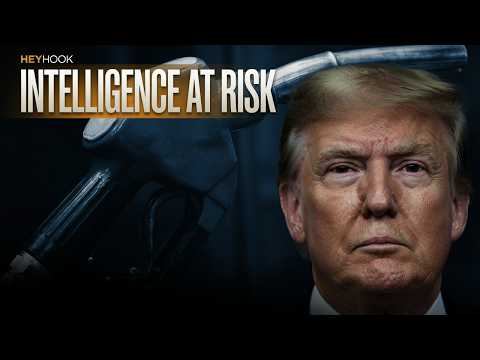

ما تغير منذ تقريرنا الأخير
بعد يومين
حينها
ترامب يطالب برئيس أوكراني جديد مقابل ديزل تقل كميته عن الطلب الأمريكي ليوم واحدما قلنا إنه لا يزال مفتوحًا
لم يثبت حدوث تسليم مكتمل، أو وفورات مستدامة للمستهلكين، أو تعليق مطبق لتبادل المعلومات الاستخباراتية، أو وقف متبادل لإطلاق النار على منشآت الطاقة.
لا يزال مفتوحًايمثل 12 أكتوبر الاختبار المقبل المؤرخ: هل تقر أوروبا العقوبات المقترحة، بينما تنفذ واشنطن شرطها المعلن بشأن المعلومات الاستخباراتية أو تعدله أو تتخلى عنه؟
لا يزال مفتوحًا
الآن
تفيد كييف بتضرر شبكات الكهرباء ومنشآت الغاز بعد إعلان ترامب. ولم يتأكد قبول روسيا، فيما يستمر تبادل المعلومات الاستخباراتية الأمريكية، وأقرت أوروبا مزيدًا من العقوبات.
أعلن دونالد ترامب أن البنية التحتية للطاقة في أوكرانيا محمية بموجب وقف فوري لإطلاق النار. ثم أفادت أوكرانيا بتعرض ستة منشآت للطاقة للقصف، وإصابة 33 شخصًا، وتضرر منشآت الغاز وشبكات الكهرباء. وبحلول 13 أكتوبر، كان العنصر المفقود أكثر أساسية من مسألة التنفيذ: إذ لم تكن موسكو قد أكدت علنًا بعد قبولها الاتفاق الذي قال ترامب إنه دخل حيز التنفيذ بالفعل. 1 4
في 11 أكتوبر، أفادت HeyDay News بأن ترامب طالب بانتخاب رئيس أوكراني جديد، وضغط لوقف الهجمات على المصافي، وهدد واشنطن، وفق تقارير، بوقف تبادل المعلومات الاستخباراتية. ولم يكن قد أُقر أي وقف مطبق لتبادل المعلومات أو وقف متبادل لإطلاق النار على منشآت الطاقة؛ كما كان قرار أوروبا بشأن العقوبات لا يزال معلقًا. بعد يومين، أقرت أوروبا عقوبات إضافية، وتقول أوكرانيا إن التعاون الاستخباراتي الأمريكي مستمر. لكن لم يظهر ما يثبت حماية متبادلة للبنية التحتية للطاقة، أو تسليمًا موثقًا للديزل الروسي أدى إلى وفورات مستدامة للمستهلكين.
كان إعلان ترامب على Truth Social في 11 أكتوبر جازمًا. وتسجل بيانات النشر المؤرشفة توقيت 14:16:38 UTC؛ لكن الوقت المعروض لا يحدد منطقة زمنية. 476
اعتبارًا من الآن، هناك وقف لإطلاق النار على الطاقة في الحرب بين روسيا وأوكرانيا. وقد وافق الطرفان. لا تخرقوه! شكرًا لاهتمامكم بهذا الأمر. الرئيس دونالد ج. ترامب
اتفاق لم يثبت أحد وجوده
قال فولوديمير زيلينسكي إنه لم يُستشر، وإنه علم بالإعلان عبر وسائل الإعلام. وكان موقف أوكرانيا قائمًا على المعاملة بالمثل: ستتوقف عن ضرب المصافي الروسية إذا توقفت روسيا عن مهاجمة البنية التحتية للطاقة الأوكرانية، مع ضمانات حقيقية. والترحيب بتلك الحماية لا يعني أن أوكرانيا تفاوضت على الاتفاق الذي أعلنه ترامب أو وافقت عليه. 34 26 6
وصف المتحدث باسم الكرملين دميتري بيسكوف الاتصالات بأنها مستمرة، وقال إنه «لا شيء يقال». وهذا عدم تأكيد، لا دليل على القبول، ولا يشكل بحد ذاته رفضًا قاطعًا. كما أن التقارير التي تصف وزير الخارجية سيرغي لافروف بأنه رفض المقترح لا تقدم تصريحًا كاملًا يحدد موقفه بدقة. 479 88
دافع ترامب لاحقًا عن تأكيده مستخدمًا، وفقًا للتقارير، عبارة «لأنني قلت إنهم وافقوا». ولم يُستعد السؤال والجواب كاملين. ووفقًا لرواية 13 أكتوبر عن تصريحاته في البيت الأبيض، أقر بوقوع انتهاكات من كلا البلدين، وقال إن على زيلينسكي وفلاديمير بوتين إنهاء الحرب. وقد غيّر ذلك روايته بشأن الامتثال، من دون أن يحسم ما وافق عليه أي من الطرفين أو الهجمات التي كان يقصدها. 465 9
لم يحدد الإعلان مدة، أو قائمة واضحة بالمنشآت المحمية، أو ترتيبات للمراقبة، أو آلية للتنفيذ. ولا يمكن لأمر بعدم خرق وقف إطلاق النار أن يثبت أن الجيشين تلقيا أوامر متطابقة. ومن دون هذه الأسس، فإن وصف هجوم بأنه خرق ينطوي على افتراض وجود اتفاق لم يتأكد بعد. 476 35
ومع ذلك، تصف التقارير الأوكرانية إخفاقًا ملموسًا في الحماية الموعودة. فقد نقلت SBS رواية زيلينسكي عن تعرض ستة منشآت للطاقة للقصف وإصابة 33 شخصًا؛ وأفادت Global News بمهاجمة ستة منشآت على الأقل. وتضررت البنية التحتية للغاز وشبكات الكهرباء، مع انقطاعات للتيار وتقنين للكهرباء. وتظل هذه الأرقام روايات منسوبة إلى مصادرها، لا جردًا مستقلًا وموثقًا لكل موقع على حدة. 1 15 17
أُفيد بأن محطة كهرباء في خاركيف تعرضت للقصف بعد إعلان ترامب. كما قال زيلينسكي إن أجزاء واسعة من كييف بلا ماء أو كهرباء، فيما عملت فرق على إعادة الخدمة. ولا تثبت الأدلة هوية كل منشأة تضررت، أو عدد المتضررين، أو جدولًا زمنيًا كاملًا لإعادة الخدمة. وبالنسبة إلى الأسر، جاءت الضبابية الدبلوماسية بالتزامن مع تعذر الحصول على الخدمات الأساسية. 11 486
في 13 أكتوبر، قال زيلينسكي إن أوكرانيا امتنعت عن ضرب المصافي الروسية ومنشآت الطاقة الأخرى لمدة يومين بعد مناشدة ترامب، بينما واصلت روسيا مهاجمة البنية التحتية للطاقة والبنية التحتية الحيوية. وقال إن 19 منطقة أوكرانية تعرضت لهجمات. وهذا رواية أوكرانيا عن ضبط النفس واتساع النطاق الجغرافي، وليس رصدًا مستقلًا لكل عملية نفذها أي من الطرفين. 2 488
كما أفاد بمقتل أربعة أشخاص وإصابة 41 في خاركيف، بعد أن دمر قصف مبنى سكنيًا؛ وتحدد تقارير أخرى توقيت الهجوم بأنه وقع خلال ليلة 12–13 أكتوبر. وقال إن خمسة صواريخ باليستية أصابت بنية تحتية مدنية في كييف، من دون تحذير مسبق من الشركاء. ولا يمكن ببساطة جمع هذه الأرقام مع الإصابات الـ33 المذكورة سابقًا؛ إذ لم تُحسم احتمالات التداخل بين الحوادث. وعلى أي حال، فإن وقفًا يقتصر على الطاقة لن يحمي جميع الأهداف المدنية. 2 485
تحذير غائب، لا قطع للتعاون
أعاد غياب التحذير في كييف مسألة تبادل المعلومات الاستخباراتية التي تناولها تقريرنا السابق إلى الواجهة. لكن وزير الخارجية أندريه سيبيها قال في 13 أكتوبر إن أوكرانيا ما زالت تتلقى بيانات استخباراتية من الولايات المتحدة. وفي حديثه في منتدى وارسو الأمني، عزا تأخر التحذير إلى النوع الخاص من السلاح الذي استخدمته روسيا. ويثبت تصريحه الرواية الأوكرانية الحالية عن استمرار التعاون، لا تفسيرًا تقنيًا مستقلًا ومتحققًا منه للتأخير. 2
كما أفادت CBS بتهديدات بحجب المعلومات الاستخباراتية المتعلقة بهجمات الصواريخ الباليستية الروسية وتعليق مشتريات الأسلحة الأوروبية الداعمة لأوكرانيا، بما في ذلك صواريخ الاعتراض Patriot. ووصفت تقارير أخرى ضغوطًا على قناة مشتريات تديرها NATO. ولا يوجد أمر تعليق موثق أو تسليم منقطع يثبت تنفيذ تلك التهديدات. كما أن وقوع هجوم بعينه من دون تحذير لا يثبت توقف تبادل المعلومات الاستخباراتية كله. 18 74
وعد الوقود لا يزال بلا تنفيذ
تكتسب سياسة الديزل أهمية لأن واشنطن خففت الضغط الاقتصادي على روسيا، فيما طلبت من أوكرانيا التوقف عن مهاجمة المصافي التي تنتج ذلك الوقود. وأصدرت وزارة الخزانة الترخيص العام 135 في 9 أكتوبر، الذي يسمح بمعاملات مؤهلة للديزل الروسي المنشأ، بما فيها الواردات الأمريكية. والترخيص ليس عقد شراء ولا دليلًا على وصول شحنة؛ كما أنه لا يلغي كل العقوبات المفروضة على روسيا. 139 472
تضمن وعد ترامب في 9 أكتوبر أكثر من 300,000 طن فورًا، و500,000 خلال نوفمبر، ومليونًا فورًا بعد ذلك، وثلاثة ملايين أخرى خلال فترة قصيرة، رهناً بحالة المصافي. ويتجاوز مجموع الكميات 4.8 مليون طن. ولا يثبت هذا التحديث تسليمًا مكتملًا، أو هوية مشترٍ، أو عقدًا مدفوعًا، أو جدولًا زمنيًا لإتاحة الوقود للمستهلكين. 174
تختلف تقديرات الكميات اختلافًا جوهريًا. ففي تقرير نشرته Reuters في 13 أكتوبر، ذكر متحدث على نحو مبدئي 300,000 برميل مبدئيًا و500,000 لاحقًا؛ فيما وصفت ABC News الإفراج الأولي بأنه يتجاوز مليوني برميل، واستخدمت DW مقدار 300,000 طن. وقد استخدم الإعلان وحدة الأطنان. ويعادل نحو 300,000 طن قرابة 2.25 مليون برميل، بما يتفق مع رواية ABC، لا الرقم المبدئي الذي أوردته Reuters. 3 10 8 504
وينبغي أيضًا الحفاظ على توقيت بيانات الأسعار. فقد أوردت ABC News في منشورها بتاريخ 13 أكتوبر متوسطًا أمريكيًا للديزل بلغ $6.26 للغالون؛ بينما أوردت CBS في منشورها في اليوم نفسه $6.28. وهذه ليست قياسات متزامنة، ولا تثبت توفيرًا قدره سنتان نتيجة السياسة. ولم يُعثر على سلسلة رسمية مؤرخة من AAA تحسم الأرقام الأحدث. 10 18
تساءل المحلل باتريك دي هان من GasBuddy عن مصدر الوقود ومن سيشتريه. وقال إن انخفاضًا قدره ستة سنتات كان يحدث بالفعل، وتوقع أن تظل الأسعار أعلى من $6 في 3 نوفمبر، مع احتمال انخفاضها 10–20 سنتًا أخرى. ولا يعزل الانخفاض المرصود ولا التوقع أثر الترتيب الروسي. ولا يزال توافر الإمدادات غير مؤكد، والوقود الموعود مخصص للأسواق الأمريكية والعالمية، لا للمشترين الأمريكيين وحدهم. 16 174
أوروبا اتخذت قرارها
تحول القرار الأوروبي الذي كان منتظرًا في 12 أكتوبر إلى إجراء مُعتمد. وأقر المجلس ما وصفه بأنه أكبر حزمة إدراجات على الإطلاق، تستهدف ما يقرب من 1,600 فرد وكيان في المجمع الصناعي العسكري الروسي. وقد اعتُمد قرار المجلس (CFSP) 2026/2279 ونُشر في ذلك اليوم. 469 470
أفادت Agence Europe بوجود 826 شركة و743 مسؤولًا تنفيذيًا، ليبلغ المجموع 1,569؛ وأكدت SOFX هذا الإجمالي. ولم يكن التفصيل الدقيق ظاهرًا في المقتطف الرسمي، لكنه يفسر التقريب إلى «ما يقرب من 1,600». وتشمل الأهداف سلاسل إمداد الطائرات المسيّرة والصواريخ. وعدّ الأفراد والكيانات المدرجة لا يعني عدّ الأسلحة المدمرة أو خطوط الإنتاج المغلقة. 471 474
رفض المستشار الألماني فريدريش ميرتس أن تحذو ألمانيا أو أوروبا حذو ترتيب الديزل، ودعا إلى مواصلة الضغط على روسيا. وفي واشنطن، أعلن النائب براين فيتزباتريك خططًا لحظر شراء النفط الروسي بموجب مشروع قانون يحظى بتأييد الحزبين، اسمه قانون رونالد ريغان للسلام من خلال القوة. ولم يكن قد ثبت بحلول 13 أكتوبر وجود سجل موثق لتقديم المشروع، أو رقم له، أو موعد لطرحه على المجلس. 8 11
اعتراضات النقاد القانونية ليست حكمًا قضائيًا. وهي تستند إلى قيود استيراد الطاقة الروسية لعام 2022؛ وقد وُقّع قانون عقوبات منفصل قدمه غراهام في 18 سبتمبر 2026. وحدد محلل يوم 19 أكتوبر موعدًا مرجعيًا لتنفيذ هذا القانون الأحدث، لكن لم يُتحقق من المهلة الملزمة ولا من الإجراء المطلوب. إنه تاريخ يستحق التحقق، لا واجب قانوني ثبت بالفعل الإخلال به. 39 349 8
أعلن ترامب أن الحماية تحققت بالفعل. لكن ما تثبته التقارير أضيق نطاقًا: روايات أوكرانية عن ضبط النفس واستمرار الهجمات الروسية، وتواصل التعاون الاستخباراتي، وإقرار توسيع العقوبات الأوروبية. والاختبار الفوري هو التنفيذ المتبادل. وإلى أن يثبت ذلك، لا يمنح الإعلان الأسر أي ضمان موثوق بأن الكهرباء والمياه ستصمدان أمام الهجوم المقبل.
كما بُثّ 46 سطرًا
- On October 11, we reported no mutual energy ceasefire. Trump declared one; Ukraine says attacks continued. Ukraine says energy strikes injured 33 people and cut electricity. Whether Washington can secure reciprocal restraint is still unresolved.
- Large parts of Kyiv lost water and electricity, and a power plant in Kharkiv came under attack. Gas infrastructure and power grids were damaged. Residents faced blackouts and electricity rationing while crews worked to restore service.
- Zelenskyy says Russia struck six energy facilities within hours of Trump's announcement. His initial account put injuries at 33. Those injuries belong to that early account; later casualty figures cover other attacks and can't simply be added.
- Trump made the declaration on October 11. He said the ceasefire took effect immediately and that both countries had agreed. Ukraine's president says he hadn't been consulted beforehand and learned about the announcement through the media.
- Trump's announcement said, “Both parties have agreed. Do not break it!” Zelenskyy offered reciprocal restraint: Ukraine would stop striking Russian refineries if Russia stopped attacking Ukrainian energy infrastructure. He also wanted real guarantees that the protection would hold.
- Ukraine welcomed the prospect of protecting its electricity and gas systems. But Zelenskyy says Kyiv hadn't approved the arrangement Trump announced. Supporting a reciprocal halt and consenting to that particular agreement are two separate decisions.
- Kremlin spokesman Dmitry Peskov said contacts were continuing and there was “nothing to say.” Moscow still hadn't publicly confirmed acceptance by October 13. That leaves Trump's claim of Russian consent unsupported by a matching public commitment from the Kremlin.
- Trump later defended his assertion with the reported phrase, “because I said they agreed.” He subsequently acknowledged violations by both Russia and Ukraine. He said Zelenskyy and Vladimir Putin needed to end the war, and said Putin wanted a deal.
- Trump hasn't publicly explained how the halt would be monitored or enforced. His announcement gave no duration or defined list of protected facilities. His later allegation of violations doesn't tell either military what matching orders the other side accepted.
- Zelenskyy says Ukraine stopped attacking Russian refineries and other energy facilities for two days after Trump's appeal. During that period, he says Russia attacked 19 Ukrainian regions and continued hitting energy and critical infrastructure. Ukraine is asking Washington to secure Russian compliance.
- Zelenskyy says a Russian strike destroyed a Kharkiv residential building, killing four people and injuring 41 overnight October 12–13. He also says five ballistic missiles struck civilian infrastructure in Kyiv. These are Ukraine's official accounts of the attacks.
- Other overnight reporting describes two women killed in Kyiv, without tying their deaths to a particular missile. An energy-only halt would still leave homes and other civilian targets outside the protection Trump described.
- A separate Sunday attack on a Kharkiv grocery store killed three people and injured 20. Another Kharkiv drone-attack account put injuries at 12, including a child. Those incidents don't provide a single final toll for the energy strikes.
- Zelenskyy says partners gave Ukraine no early warning before the Kyiv missile attack. That brought renewed attention to Washington's earlier reported threat to restrict intelligence sharing if Ukraine kept striking Russian refineries.
- Ukraine's foreign minister Andrii Sybiha says American intelligence data is still being shared. Speaking at the Warsaw Security Forum, he blamed the delayed air alert on the type of weapon Russia used. That's his explanation for the missed warning.
- Washington has also reportedly threatened to suspend a NATO-managed channel for European purchases of American weapons for Ukraine, including Patriot interceptors. No implemented suspension has been confirmed. Sybiha's statement says the broader intelligence cooperation continues despite that particular attack arriving without advance warning.
- Former ambassador Bill Taylor says American support has fallen almost to zero in most areas, while military intelligence continues. He argues Washington should increase pressure on Putin. His assessment covers weapons and financial support as well as political leadership.
- The diesel policy pulls in the opposite direction. Washington eased restrictions on a Russian export while pressing Ukraine to stop attacking the refineries that produce it. On October 11, we reported Trump's demand for a new Ukrainian president and his pressure to halt those strikes.
- Treasury issued the temporary diesel authorization on October 9, including qualifying U.S. imports. It runs through April 7, 2027. The authorization opens a legal route for transactions, but nobody has confirmed a completed delivery under the arrangement.
- Trump promised more than 300,000 tons initially and another 500,000 tons in November. He promised one million tons immediately afterward. A further three million tons depended on the condition of Russia's refineries. Together, those announced allocations exceed 4.8 million tons.
- Russian Deputy Prime Minister Alexander Novak described about 300,000 tons in October, 500,000 in November and one million in December. He also projected possible future exports approaching three million tons monthly. That projection doesn't create a recurring delivery commitment.
- The initial quantity has also been confused with barrels. About 300,000 tons of diesel converts to roughly 2.25 million barrels. The announcement used tons, so the tentative 300,000-barrel figure substantially understates the initial allocation.
- The quantities range from a tentative 300,000 barrels to more than two million barrels, or 300,000 tons. The larger barrel figure fits the approximate conversion. These are descriptions of promised supply; a purchaser and delivery schedule still haven't been publicly settled.
- The promised supply also serves American and global markets. Trump hasn't required every barrel to stay in the United States. That affects how much fuel could reach American buyers and how much relief drivers might see.
- Diesel price accounts give six dollars 26 cents and six dollars 28 cents per gallon at different cutoffs. The six-dollar-26-cent account puts prices about two dollars 60 cents above a year earlier. Those observations don't show savings caused by Russian fuel.
- Earlier October 9 and October 10 price snapshots both rounded to six dollars 28 cents. A wholesale diesel refining premium also fell six dollars 45 cents per barrel on October 9. That measures a refining spread, rather than what a driver saves per gallon.
- American transportation uses nearly three million barrels of diesel a day. The initial allocation is smaller than that daily use. The United States also exports diesel, with one estimate putting last year's exports above 1.2 million barrels a day.
- Analysts use different comparisons. One estimates the initial allocation at slightly more than half a day of diesel demand. Another puts it below about two days of normal American production. Consumption and production measure different things, so those estimates shouldn't be treated as competing answers.
- GasBuddy analyst Patrick De Haan questions where the fuel will come from and who will buy it. He cites exports of about 1.5 million barrels daily, using a different reference period from the previous year's figure.
- De Haan says diesel had already fallen six cents per gallon. He expects prices to remain above six dollars on November 3, while allowing another 10-to-20-cent decline. He hasn't isolated those movements as a benefit from the Russian deal.
- Energy expert Clayton Seigle also expects little effect on American prices and a benefit to Russia. He is a nonresident senior associate at the Center for Strategic and International Studies and leads Beacon Global Strategies' energy practice.
- Zelenskyy's objection is that renewed fuel sales put money into the state waging the war. Analyst Olga Khakova argues coordinated sanctions enforcement matters more than the initial diesel volume. Her estimate that Ukraine attacked 60 to 70 percent of Russian refineries measures sites attacked, without measuring destroyed output.
- The European Union approved its expansion on October 12. Detailed reporting puts the additions at 826 companies and 743 executives, totaling 1,569. The Council calls it its largest-ever package of listings, targeting almost 1,600 people and entities in Russia's military-industrial complex.
- That answers the pending European decision from our October 11 report. The new listings target drone and missile production and supply chains. The reported cumulative total now exceeds 4,500 sanctioned officials and entities.
- A Ukrainian analyst argues sanctions make foreign components harder for Russia to acquire, while intermediaries route purchases through Turkey, Central Asia and the Middle East. He also points to increased trade with Kyrgyzstan as a possible route around restrictions.
- His argument is that restrictions reduce production compared with unrestricted access. They don't stop every weapon from being built. Published estimates differ over how many new listings concern ballistic missiles; the Council hasn't supplied a precise percentage in its public announcement.
- German Chancellor Friedrich Merz says Germany and Europe won't follow the Russian diesel arrangement. He wants sanctions maintained, arguing Russia negotiates seriously under pressure. Britain has also said it wants stronger sanctions, while Poland is urging Western unity with Ukraine.
- Polish Foreign Minister Radosław Sikorski argues peace efforts need pressure on Russia rather than Ukraine. Former U.S. envoy Keith Kellogg says Ukraine should decide how to conduct its military operations. Both are urging continued pressure on Putin.
- Republicans and Democrats are challenging the American policy too. Senator Jerry Moran wants tighter sanctions. Representative Don Bacon criticizes Trump's approach to Putin. Senator Thom Tillis argues there's a legitimate legal case against the move and warns that reduced pressure could have deadly consequences.
- One account puts the senators urging reversal at seven, including four Republicans. Another describes four Republicans and two Democrats. The membership hasn't been reconciled. Their objection concerns Russia's war and the restrictions Congress placed on Russian energy imports.
- Brian Fitzpatrick says he will introduce bipartisan legislation to block Russian oil purchases. He calls it the Ronald Reagan Peace Through Strength Act. Bacon is willing to co-sponsor it, and Fitzpatrick predicts it would pass overwhelmingly.
- Fitzpatrick's plan could use a House discharge process, which requires 218 signatures to force a vote. He has announced his intention to pursue legislation. A completed introduction or scheduled floor vote hasn't been confirmed.
- Critics invoke the 2022 restrictions on Russian energy imports against Treasury's authorization. A separate Graham sanctions law, signed September 18, expands sanctions and tariff powers. The lawmakers' objections are legal arguments; no court has ruled the diesel license unlawful.
- Khakova identifies October 19 as an implementation benchmark for parts of the new sanctions law. The precise required action and legal deadline haven't been confirmed. That date is something to check, rather than a deadline already shown to have been missed.
- Europe has approved more sanctions, and Ukraine says American intelligence cooperation continues. Russian acceptance of the energy halt is still not yet confirmed. Ukraine describes two days of restraint and continued Russian strikes. Promised diesel deliveries and lasting consumer savings remain unresolved.
- Washington still has to secure the reciprocal protection Trump said was already in force. For residents, the consequence so far is damaged energy infrastructure and lost electricity and water. Nobody has given a restoration timetable for all the affected services.
المصادر
517 مصدرًا275 وسيلة إعلامية103 فيديوهات13 نص وكالة
X (formerly Twitter)x.com15
- أول نقل
- Trump on Truth Social: I have just concluded a highly successful discussion with President Vladimir Putin, of Russia, wherein it was agreed that Russia will immediately supply over 300,000 Tons of Diesel Fuel to the American and Global Marketplace, another 500,000 Tons during the month of November, and 1,000,000 Tons immediately thereafter. Additionally, based on the condition of their Diesel Refineries, Russia will then deliver, within a short period of time, 3,000,000 Tons of Diesel Fuel. Between our TOTAL CONTROL of the Strait of Hormuz, and this great announcement on Russian Energy, Diesel Prices for Americans and, indeed, the World, will be COMING DOWN, IN RECORD NUMBERS, AND FAST! Lower prices for Americans, especially our Great Farmers, Ranchers, and Truckers, is my Greatest Priority. This is a very big and important announcement. Additionally, it must be understood, that Iran will not have a Nuclear Weapon!
- 🇺🇸🇺🇦 President Volodymyr Zelenskyy just called Trump’s diesel deal with Putin an investment in the war. Trump says Friday’s call lets Russia release 300,000 tons of diesel now, 500,000 in November, and another million after that. Treasury issued a temporary license. Zelensky’s reply: "easing sanctions without a real de-escalation deal is obvious weakness. Gifts to Putin will not bring peace. Russia will repay the diesel with more terror." He also stated Ukraine will stop hitting Russian refineries if Russia stops destroying Ukraine’s energy system.
- ⛽ GAS AND DIESEL BOTH MOVE LOWER AGAIN AAA’s October 8, 2026 national averages show regular gasoline at $4.3612 per gallon and diesel at $6.2847. Yesterday, regular was $4.3667 and diesel was $6.3015. AAA Fuel Prices That means regular fell about 0.6 cents, while diesel dropped about 1.7 cents overnight. Diesel is also now more than 24 cents below its September 22 record high of $6.5276. AAA Fuel Prices Source: AAA Fuel Prices #GasPrices #Diesel #Economy #FuelPrices | The Dupree Report
- In 2020, Presidents Putin and Trump jointly stabilized oil prices and markets. Today, they continue their work. The diesel supply agreement showcases the power of economic cooperation between Russia and the US and its benefits to people and the world. Cooperation will prevail.
- BREAKING: New York Harbor wholesale diesel fell approximately 4.5% following the diesel supply agreement between Presidents Putin and Trump. The power of working together to stabilize markets and benefit the people. 🇷🇺🤝🇺🇸
- Historic. 🇷🇺🤝🇺🇸
- Kirill, everyone is obsessing over the diesel. That’s precisely why they’re missing the bigger story. 36 million barrels are the headline. Putin’s leverage over Washington is the story. For years, Washington has lectured the world about sanctions, maximum pressure on Moscow and American energy dominance. Now Russian energy is back in the equation, and Washington has a direct interest in keeping those barrels flowing. Let that contradiction sink in. Putin doesn’t need to outshout Trump, compete with every American oil producer or win a press conference. He needs Russian supply to matter when American economic and political interests are under pressure. The real flex isn’t selling diesel to America. It’s making the self-proclaimed energy superpower confront the limits of its own leverage. So stop looking at the fuel, Kirill. Focus at the strategic calculation. The diesel is what changes hands. The leverage is what matters. And the question is what Putin intends to extract ...
- 🇺🇸 🤝 🇷🇺 = 💪
- PUTIN'S ENVOY DMITRIEV ON X: RUSSIA-US COOPERATION ON DIESEL AND ENERGY WILL BENEFIT THE WORLD
- 🇺🇸✨️🇷🇺 🐇
- Миру завдяки слабкості ніколи не буває. Сьогодні в Києві були представники Конгресу США – двопартійна делегація, і я вдячний їм за візит в Україну в такий складний час. Вони запитали: «Що потрібно, щоб закінчити війну?» Відповідь має бути сильною. Мають бути санкції за законом Ліндсі Грема, має бути підтримка для України у захисті життя, і має бути тиск на Росію за війну. І сьогодні була розмова лідерів Америки та Росії. Розмова, яка веде до іншого. Нещодавно було європейське рішення про зняття санкцій з російських олігархів. Після нього росі...
- Not going to happen Diesel refining is down 30% in Russia https://www.iea.org/commentaries/russian-refining-sector-struggles-amid-intensifying-ukrainian-attacks
- And the Russian sanctions from 2022?
- Today, at President Trump’s direction, the U.S. Treasury’s OFAC issued an immediate temporary general license authorizing the supply of Russian diesel to the global market through April 7, 2027.
- ⭕️ Russia’s diesel exports collapse under Ukraine’s aerial campaign ➤ In normal conditions Russia exported roughly 800,000–900,000 barrels per day of diesel and gasoil, around 15–17% of the roughly 5–5.5 million b/d global seaborne market, according to Kpler data. ➤ By August, Kpler shows Russian net exports had fallen to around 100,000 b/d, roughly 2% of global seaborne trade. ➤ Combined net gasoil/diesel exports from Russia, Saudi Arabia, the UAE and other Middle East producers fell from about 2.2 million b/d in January to under 500,000 b/d by August, per Kpler. Global seaborne diesel exports were running around 4.5 million b/d, roughly 1 million below the 2022–25 norm. ➤ Ukraine struck Russian refineries at least 21 times in August alone, the most in any month of the war, Bloomberg reported. Russian refining averaged about 3.8 million b/d, near its lowest level in more than two decades, versus a normal summer 5.3–5.5 million b/d. ➤ Moscow has banned di...
congress.gov14
- www.congress.gov
- Actions - H.R.5334 - 119th Congress (2025-2026): Lindsey O. Graham Sanctioning Russia and Iran Act of 2026 | Congress.gov | Library of Congress
- Committees - H.R.5334 - 119th Congress (2025-2026): Lindsey O. Graham Sanctioning Russia and Iran Act of 2026 | Congress.gov | Library of Congress
- One Hundred Nineteenth Congress
- Text - H.R.5334 - 119th Congress (2025-2026): Lindsey O. Graham Sanctioning Russia and Iran Act of 2026 | Congress.gov | Library of Congress
- H.R.5334 - 119th Congress (2025-2026): Lindsey O. Graham Sanctioning Russia and Iran Act of 2026 | Congress.gov | Library of Congress
- H.R.5334 - 119th Congress (2025-2026): Lindsey O. Graham Sanctioning Russia and Iran Act of 2026 | Congress.gov | Library of Congress
- Text - H.R.5334 - 119th Congress (2025-2026): Lindsey O. Graham Sanctioning Russia and Iran Act of 2026 | Congress.gov | Library of Congress
- All Info - H.R.5334 - 119th Congress (2025-2026): Lindsey O. Graham Sanctioning Russia and Iran Act of 2026 | Congress.gov | Library of Congress
- Titles - H.R.5334 - 119th Congress (2025-2026): Lindsey O. Graham Sanctioning Russia and Iran Act of 2026 | Congress.gov | Library of Congress
- Text - H.R.5334 - 119th Congress (2025-2026): Lindsey O. Graham Sanctioning Russia and Iran Act of 2026 | Congress.gov | Library of Congress
- Text - S.4668 - 119th Congress (2025-2026): Protect College Sports Act of 2026 | Congress.gov | Library of Congress
- Text - H.R.1 - 119th Congress (2025-2026): An act to provide for reconciliation pursuant to title II of H. Con. Res. 14. | Congress.gov | Library of Congress
- www.congress.gov
ABC Newsabcnews.com1210 فيديوهات
- أول نقل
- Boosting US oil supplies with Russian diesel unlikely to have much impact on prices, experts say
- Trump says 'I think it's time for Ukraine to get a new president'
- ABC News Live Prime: October 12, 2026 · فيديو
- Breaking down Trump’s energy deal · فيديو
- ABC World News Tonight with David Muir Full Broadcast - Oct. 12, 2026 · فيديو
- Zelenskyy criticizes Trump's diesel deal; Trump suggests elections in Ukraine · فيديو
- Good Morning America Full Broadcast — Sunday, October 11, 2026 · فيديو
- This Week with George Stephanopoulos Full Broadcast - Sunday, October 11, 2026 · فيديو
- Trump calls for new president in Ukraine · فيديو
- ABC World News Tonight with David Muir Full Broadcast - Oct. 11, 2026 · فيديو
- At Least 4 Dead as Hurricane Isaias Bashes Florida and Alabama. What You Need to Know - October 12 · فيديو
- Good Morning America Full Broadcast — Saturday, October 10, 2026 · فيديو
reuters.com12
- Trump says Russia to supply diesel to US and global markets | Reuters
- Trump says US to import Russian diesel, reversing pressure on Moscow | Bradenton Herald
- Trump says Russia to immediately supply 300,000 tons of diesel fuel
- Zelenskiy says letting Russia sell diesel to US is 'investment in war' | Reuters
- IEA further cuts Russian oil output forecasts on Ukrainian attacks | Reuters
- Ukrainian attacks push Russian oil output 10% below target in May, IEA says | Reuters
- Russia extends diesel export ban until end of October | Reuters
- Russia set to extend diesel export ban until end of October, Vedomosti reports | Reuters
- EXCLUSIVE: Half of Russia's top diesel-producing refineries cut back output after drone strikes | Reuters
- Russia's western oil exports hit record in June due to refinery outages, sources say | Reuters
- Russia will consider partial lifting of diesel export ban in case of overproduction, Novak says | Reuters
- Can Ukraine hold elections while at war? | Reuters
BBC Newsbbc.com106 فيديوهات
- أول نقل
- energy ceasefire coverage
- Trump and Russia diesel deal: Ukraine President Zelensky kick against move, call am 'gift to Putin' - BBC News Pidgin
- 'Time for Ukraine to get new president,' says Trump after Zelensky condemns diesel deal
- Trump announces deal for Russian diesel as Zelensky calls it a 'gift to Putin'
- Why did Trump just call for a 'new president of Ukraine'? · فيديو
- Zelensky says Ukraine supports 'energy ceasefire' announced by Trump · فيديو
- Why is Trump calling for Zelensky to go? | BBC Newscast · فيديو
- Trump says it’s “time for Ukraine to get new President” as Zelensky condemns diesel deal · فيديو
- Russian glide bomb attack on Zaporizhzhia kills at least 15 people · فيديو
- Donald Trump does deal with Russia to release diesel to global market · فيديو
GovInfogovinfo.gov8
- Public Law 119 - 111 - Lindsey O. Graham Sanctioning Russia and Iran Act of 2026 - PLAW-119publ111 | Related Documents
- H.R. 5334 (EAS) - Lindsey O. Graham Sanctioning Russia and Iran Act of 2026 - BILLS-119hr5334eas | Content Details
- www.govinfo.gov
- www.govinfo.gov
- H.R. 5334 (ENR) - An Act To impose sanctions and other measures with respect to the Russian Federation, as championed by the late Senator Lindsey O. Graham, and for other purposes. - BILLS-119hr5334enr | Content Details
- www.govinfo.gov
- govinfo.gov
- www.govinfo.gov
The Kyiv Independentkyivindependent.com8
- أول نقل
- Russia partially lifts ban on diesel exports after Trump-Putin deal
- 'Will only lead to more slaughter' — bipartisan backlash erupts in US over Trump-Russia diesel deal
- 'He better damn well stop' — Trump slams Zelensky for attacking Russian refineries, says Ukraine should get 'new president'
- Fedorov broke Ukraine's wartime election taboo. What happens next?
- Putin shouldn't decide when Ukraine votes — but political ambition shouldn't either
- Trump says Ukraine, Russia agree to energy strike ceasefire 'because I said they agreed'
- Kremlin has nothing to say on Trump's energy ceasefire, rejects Zelensky's truce proposal
- Russian attacks kill at least 10, injure 80 across Ukraine over past day as Moscow hits homes, railway infrastructure
ABC News (Australia)77 فيديوهات
- أول نقل
- Trump lashes out at Zelenskyy over rising diesel prices in the US | ABC NEWS · فيديو
- Trump announces Russia-Ukraine 'energy ceasefire', catching Zelenskyy by surprise | ABC NEWS · فيديو
- Trump's Russian diesel deal 'probably illegal': fmr ambassador | ABC NEWS · فيديو
- Russia strikes Kharkiv as Trump's 'energy ceasefire' raises eybrows | ABC NEWS · فيديو
- What Trump diplomacy means for oil prices | The Business | ABC NEWS · فيديو
- Trump calls for new Ukrainian president following Russian diesel deal | ABC NEWS · فيديو
- Trump strikes deal with Putin for Russia to supply diesel to US | ABC NEWS · فيديو
OilPrice.comoilprice.com7
- أول نقل
- Why Record Crude Output Can’t Solve America’s Diesel Crisis
- Russia Extends Diesel Export Ban Through Oct. 31
- Russia Extends Diesel Export Ban Through October
- Russia’s Diesel Exports Crash to Multiyear-Low amid Tight Global Market
- Russia, Germany Add Diesel Supply as Fuel Market Scrambles for Barrels
- Drone Strikes Cripple Half of Russia's Top Diesel Refineries
- IEA Cuts Russia's Oil Production Forecast Due to Ukrainian Attacks
The Hillthehill.com73 فيديوهات
- أول نقل
- Russia will supply US and global markets with diesel, Trump says
- Democratic lawmakers slam Donald Trump's diesel fuel deal with Russia
- Donald Trump says Ukraine should 'get a new leader' after Volodymyr Zelensky's criticism on Russia diesel deal
- Zelenskyy says Ukraine received no intelligence from partners on incoming missile strike on Kyiv
- TX Agriculture Commissioner Sid Miller breaks with Trump on beef imports | The Hill Sunday · فيديو
- DHS agents RAID Ilhan Omar's DC home (Plus: Trump says Zelensky should be replaced) | RISING · فيديو
- Putin strikes Ukraine despite Trump's 'energy ceasefire' announcement · فيديو
BBC Newsbbc.co.uk6
- أول نقل
- UK does not support Trump's Russia diesel deal, says Streeting
- Trump's 'energy ceasefire' claim welcomed by Zelensky but Russia silent
- strikes continue after the announced ceasefire
- 'Time for Ukraine to get new president,' says Trump after Zelensky condemns diesel deal
- Trump announces deal for Russian diesel as Zelensky criticises 'gift to Putin'
- Analysis: Trump's shock Russia deal highlights mounting pressure to curb fuel prices
Bloomberg Television66 فيديوهات
- أول نقل
- Meta's New Muse Wonder AI Model; LVMH Slumps After China Backlash · فيديو
- Saudi Arabia Reports Fresh Attacks as Wider Conflict Could Push Oil to $120 · فيديو
- Trump Claims Russia-Ukraine Agree to ‘Energy’ Truce, Houthi Attacks on Saudi Airports Escalate · فيديو
- Riyadh Airport Hit Again After Deadly Houthi Attack Leaves People Killed, Hundreds Injured · فيديو
- Deadly Houthi Attacks on Saudi Arabia; EU Caps Chinese Hybrid Car Imports · فيديو
- Trump Says Putin to Supply US With Diesel · فيديو
Bloomberg.combloomberg.com6
- أول نقل
- US Sees Diesel Stocks Falling to 2003 Low Ahead of Peak Demand - Bloomberg
- Russia Lifts Diesel Export Ban After Trump-Putin Agreement Allows 500,000 Tons - Bloomberg
- Russia’s Oil-Export Boom Undercut by Payouts, Diesel Sales Ban - Bloomberg
- Russia Extends Diesel-Export Ban as Global Supply Squeezed - Bloomberg
- Russia Set to Extend Diesel Export Ban as Ukraine Attacks Refineries Persist - Bloomberg
- Russia's Oil Exports Near-Record Pace as Ukraine's Drones Target its Refineries - Bloomberg
CBS Newscbsnews.com63 فيديوهات
- أول نقل
- Trump says Ukraine needs a new president, blames Zelenskyy's strikes on Russian refineries for high diesel prices - CBS New York
- Trump announces Russia will release millions of tons of diesel to help with skyrocketing costs - CBS Chicago
- Would access to Russian diesel help drive down prices in the U.S.?
- Will Trump's Russia diesel deal actually bring down prices? · فيديو
- Trump lashes out at Ukraine amid Russian diesel deal, Ilhan Omar's home raided, more | The Takeout · فيديو
- Ukraine's Zelenskyy pushes back against Trump's Russian diesel deal · فيديو
DW News66 فيديوهات
- أول نقل
- How does Russia keep evading sanctions? · فيديو
- Germany's Merz rejects Trump’s Russian diesel deal: How deep is the split? · فيديو
- Ukraine rejects Trump's call for new leadership · فيديو
- Trump's 'energy ceasefire' announcement catches Kyiv by surprise · فيديو
- Trump's diesel deal with Putin sparks new clash with Zelenskyy · فيديو
- How Russia turned sanctions into a diesel deal · فيديو
FRANCE 24 English66 فيديوهات
- أول نقل
- Trump, Zelensky clash over diesel deal as Russian strikes kill 21 • FRANCE 24 English · فيديو
- Trump says Ukraine needs new president who will agree to end war • FRANCE 24 English · فيديو
- Trump's energy ceasefire announcement was 'news for me' (Zelensky) • FRANCE 24 English · فيديو
- Trump touts surprise 'energy ceasefire' – Zelensky says he hasn't seen details, Moscow silent · فيديو
- 'It's clear that Moscow is just playing with Washington', analyst says • FRANCE 24 English · فيديو
- Trump hails Russia deal to release diesel as midterms loom • FRANCE 24 English · فيديو
Kyiv Postkyivpost.com6
- أول نقل
- Ukraine Ready to Halt Refinery Strikes for Energy Truce, Zelensky Says
- Zaporizhzhia Bombing Death Toll Reaches 20 as Rescue Ends
- Zelensky Slams Trump-Putin Diesel Deal as Betrayal of Ukraine Peace Talks
- US Envoys Pressure Kyiv on Refinery Strikes
- US Republicans, Democrats Criticize Trump’s Russia Diesel Deal
- Russia Strikes Kyiv, Lviv and Kharkiv With Missiles and Drones
SBS News66 فيديوهات
- أول نقل
- Russia attacks Ukraine despite Trump's ceasefire | Morning News Bulletin 13 October 2026 · فيديو
- Blackouts in Ukraine as Russia strikes six energy facilities | EU announces sanction on Russia · فيديو
- Deadly strike on Saudi Arabia's Riyadh airport | Trump calls for Ukraine elections · فيديو
- Another missile attack on Riyadh airport | Morning News Bulletin 12 October 2026 · فيديو
- Russian drones hit Ukraine power station after 'energy ceasefire' | SBS speaks to Estonia diplomat · فيديو
- Ukraine condemn US move to import Russian diesel | ICC reject US sanctions: an attack on rule of law · فيديو
The Guardiantheguardian.com6
- أول نقل
- Zelenskyy says Russia ‘did not heed’ Trump’s call for energy ceasefire and gave ‘no early warning’ before strikes on Kyiv – Europe live
- Trump announces partial ceasefire in Ukraine war as Zelenskyy says deal is ‘news to me’
- Ukraine says Russia violated Trump’s ‘energy ceasefire’ – Europe live
- Trump says Ukraine needs a new leader after diesel deal with Russia
- Zelenskyy furious as Trump announces deal to buy Russian diesel
- Trump signs bill imposing sanctions on Russia and giving him more power to levy tariffs | Donald Trump
CTV News55 فيديوهات
- أول نقل
- Trump says Russia and Ukraine have agreed to ‘energy ceasefire’, no confirmation from either country · فيديو
- OSAP freeze worries career college health care students | CTV National News for Sun., Oct. 11, 2026 · فيديو
- Trump saying Ukraine needs a new leader is ‘almost irrelevant’: former ambassador · فيديو
- Economists react to weak September jobs report | CTV National News for Oct. 9, 2026 · فيديو
- ‘The U.S. is quite firmly on the side of Russia’: Ambassador on diesel deal, Trump’s rhetoric · فيديو
Fox Newsfoxnews.com54 فيديوهات
- أول نقل
- Zelenskyy says Russia attacked energy grid after Trump ceasefire call
- NEW: Trump announces IMMEDIATE energy ceasefire between Russia, Ukraine · فيديو
- DETAILS: Trump, Putin STRIKE DEAL over Russian diesel · فيديو
- NEW: Saudi Arabia confirms THIRD ATTACK on major airport, Houthis claim responsibility · فيديو
- Trump SLAMS Zelenskyy: 'Time for Ukraine to get a new president' · فيديو
MS NOW55 فيديوهات
- أول نقل
- Trump campaigns in Ohio to half-packed arena as pushback to his Russian diesel deal grows · فيديو
- Lawrence: ‘Pathological liar’ Trump pretends Ukraine and Russia agreed to ceasefire · فيديو
- ‘REMOVE Trump from office!’: Top Armed Services Dem says Trump lives in ‘un-reality’ · فيديو
- GOP Senator: Trump’s Russia diesel deal ‘legitimate case’ of him BREAKING the law · فيديو
- Trump backstabs allies, breaks sanctions for sudden Russian diesel deal · فيديو
Sky News55 فيديوهات
- أول نقل
- Russia and Ukraine have agreed 'energy ceasefire', says Trump · فيديو
- Trump blames Zelenskyy for rise in fuel costs ahead of midterm elections · فيديو
- Trump says Ukraine should 'get a new leader' as Zelenskyy slams US diesel deal with Putin · فيديو
- Shock as Trump announces deal that will see Russia supply the US with diesel · فيديو
- Bill Browder 'appalled on so many levels' over diesel deal between US and Russia' · فيديو
euronewseuronews.com4فيديوهان
- أول نقل
- Trump's announced Russia-Ukraine energy ceasefire faces doubts as strikes continue
- Trump insists Russia-Ukraine energy ceasefire is in place, drone strike kills woman in Kyiv
- Trump says Ukraine needs new president after Zelenskyy condemns Russia fuel deal · فيديو
- Europe Today: Trump claims Ukraine-Russia energy ceasefire as Baltics stay on alert · فيديو
Global News44 فيديوهات
- أول نقل
- Global National: Oct. 12, 2026 | Russia strikes Ukraine despite Trump's "energy ceasefire" · فيديو
- Global National: Oct. 11, 2026 | Trump claims Russia-Ukraine ceasefire brokered · فيديو
- Global National: Oct. 10, 2026 | At least 4 dead after Hurricane Isaias makes landfall · فيديو
- Trump responds after Ukraine’s Zelenskyy calls him “weak” amid diesel deal with Putin · فيديو
NBC Newsnbcnews.com4فيديوهان
- أول نقل
- Trump says Russia and Ukraine agree to energy ceasefire
- Zelenskyy says Ukraine received no intelligence from partners on incoming missile strike on Kyiv
- Thom Tillis says Trump’s Russia deal may be illegal, will put American lives at risk: Full interview · فيديو
- NBC Nightly News with Tom Llamas Full Episode - Oct. 9 · فيديو
Scripps News44 فيديوهات
- أول نقل
- Today: A raid on Ilhan Omar's home and Trump's diesel deal with Russia under the microscope · فيديو
- Afternoon headlines: Judge halts Trump's golf course changes, and Ilhan Omar's DC home raided · فيديو
- Today: Bracing for Hurricane Isaias, and Trump announces a plan to buy Russian diesel · فيديو
- Trump appears with Mike Tyson, takes questions on firing squad execution, Iran and Russia · فيديو
Ukrainska Pravdapravda.com.ua4
- أول نقل
- Zelenskyy: Ukraine will stop refinery strikes if Russia halts energy attacks
- Ukrainian drone strikes cut output at half of Russia’s top diesel refineries
- Top EU diplomat Kaja Kallas says this is not the time to ease pressure on Russia
- Zelenskyy: Ukraine halted strikes on Russian oil refineries, but Kremlin ignored Trump
Channel 4 Newschannel4.com3فيديوهان
Clarity UPSCclarityupsc.com3
Federal Registerfederalregister.gov3
intellinews.com3
- أول نقل
- bne IntelliNews - Trump's Russian diesel deal splits Washington from Kyiv as he calls for a new Ukrainian president
- bne IntelliNews - Trump strikes Russian diesel deal with Putin as Zelenskiy says Ukraine's negotiators were used as a "smokescreen"
- bne IntelliNews - Russian refining down to record lows, LNG exports to Europe at record highs
ITV News33 فيديوهات
Meduzameduza.io3
- أول نقل
- ‘We’re being used as a front,’ Zelensky says of Trump’s diesel deal with Putin
- Trump says he reached a deal with Putin to supply Russian diesel to U.S. and global markets, breaking with years of American sanctions policy
- Trump signs Washington’s long-awaited ‘sanctions from hell’ law against Russia. It gives him 30 days to act and broad authority to suspend the restrictions.
Reuters33 فيديوهات
The Independentindependent.co.uk3فيديو واحد
Associated Press2فيديوهان
Crypto Briefingcryptobriefing.com2
Energy Intelligenceenergyintel.com2
markitdigital.com2
PBS NewsHour2فيديوهان
RadioFreeEurope/RadioLibertyrferl.org2
Senator Jon Hustedsenate.gov2
SmarTradethompsonhinesmartrade.com2الأول
The Korea Timeskoreatimes.co.kr2
The Straits Timesstraitstimes.com2
ucsb.edu2
- Executive Order 14066—Prohibiting Certain Imports and New Investments With Respect to Continued Russian Federation Efforts To Undermine the Sovereignty and Territorial Integrity of Ukraine | The American Presidency Project
- Congressional Bill H.R. 5334 Signed into Law | The American Presidency Project
World Energy Newsworldenergynews.com2
WRAL2فيديوهان
aaa.com1
AAFamericanactionforum.org1
adsrvr.org1
Agence Europeagenceurope.eu1
anewsanews.com.tr1
Archdiocese of Maltachurch.mt1
Asia Maritime Transparency Initiativecsis.org1
Australian Financial Reviewafr.com1
Báo Công Giáo và Sự Thậtcgvst.com1
bbcstreaming.pages.dev1موقع غير موثق
Big Country Newsbigcountrynewsconnection.com1
Big News Network.combignewsnetwork.com1
blaisdellcenter.com1
BostonGlobe.combostonglobe.com1
Bracewell LLPbracewell.com1
brunel.ac.uk1
Business Todaybusinesstoday.in1
C-SPAN1فيديو واحد
- أول نقل
- Trump thanks Putin for oil deal · فيديو
Carscoopscarscoops.com1
CBC News1فيديو واحد
CDL Transportation Groupcdltransportationgroup.com1
Civic Intelligencecivicintelligence.news1
Clash Reportclashreport.com1
Congress Receiptscongressreceipts.com1
CTOL Digital Solutionsctol.digital1
CubaHeadlinescubaheadlines.com1
Daily Maverickdailymaverick.co.za1
Davis Polkdavispolk.com1
DCReport.orgdcreport.org1
Devdiscoursedevdiscourse.com1
Diplomacy and Lawdiplomacyandlaw.com1
Discovery Alertdiscoveryalert.com1
dknyt.dk1
Economic Vectorseconomicvectors.com1
edmlife.com1
Energy Connectsenergyconnects.com1
euronext.com1
exportcompliancedaily.com1
Foreign Policyforeignpolicy.com1
Fortunefortune.com1
Freedomuatv.ua1
Gasolyticsgasolytics.com1
glatkistan.com1
Global Sanctions and Export Controls Blogbakermckenzie.com1
Ground Newsground.news1
gulfnews.com1
https://www.hawaiinewsnow.comhawaiinewsnow.com1
HuffPosthuffpost.com1
Hydrocarbons and Geothermal Energy Officegovdelivery.com1
IFC Marketsifcmarkets.hk1
India Todayindiatoday.in1
InfoBuz.roinfobuz.ro1
Information Overloadin4mationoverld.com1
International Affairsinteraffairs.ru1
International Business Times, Singapore Editionibtimes.sg1
Investing.com 香港investing.com1
- أول نقل
- 倫敦布倫特原油期貨 歷史價格 - Investing.com
Karmactivekarmactive.com1
Keystone Dailykeystonedaily.com1
KSE Institutekse.ua1
KTVZktvz.com1
Kursiv.mediakursiv.media1
LBClbc.co.uk1
LegalClaritylegalclarity.org1
livecharts.co.uk1
MacroMicromacromicro.me1
Marist Premier Catholic College Prep Coed Chicagomarist.net1
MarketScreenermarketscreener.com1
MEAWW Newsmeaww.com1
Mezhamezha.net1
Middle East Monitormiddleeastmonitor.com1
MPR Newsmprnews.org1
nationthailandnationthailand.com1
NavilinkGlobalnavilinkglobal.com1
NewKerala.comnewkerala.com1
Newsquawknewsquawk.com1
Nikkei Asianikkei.com1
Outlook Indiaoutlookindia.com1
Paul, Weisspaulweiss.com1
Pelosi Trackerpelositracker.app1
PIER20pier20.com1
POLITICOpolitico.eu1
PS Newspsnews.com.au1
Radio Shomaradioshoma934.ae1
Raw Storyrawstory.com1
Rediffrediff.com1
Reuters via Yahooyahoo.com1
Rīga TVrigatv.com1
RT Balkanrt.rs1
Russia Heraldrussiaherald.com1
Sanctions Law Centersanctionslawcenter.com1
SBS World Newssbs.co.kr1
Ship & Bunkershipandbunker.com1
SquawkNewssquawknews.com1
substack.com1
Sullivan and Cromwell LLCsullcrom.com1
TASStass.com1
The Australian Newstheaustraliannews.com.au1
The Express Tribunetribune.com.pk1
The Globe and Mailtheglobeandmail.com1
The Hans Indiathehansindia.com1
The Hayridethehayride.com1
The Herald Businessheraldcorp.com1
The Inner Circle Ledgerinnercircleledger.com1
The Jerusalem Post | JPost.comjpost.com1
The Moscow Timesthemoscowtimes.com1
The Star News Network | On Point. Politics, Law, and Sportsthestarnewsnetwork.com1
The Statesmanthestatesman.com1
The Telegraphtelegraph.co.uk1
The Vault Reportthevaultreport.com1
theaa.com1
thefederalregister.org1
TheGlobalEconomy.comtheglobaleconomy.com1
Threadsthreads.com1
TIMEtime.com1
tovima.com1
Trade Finance Globaltradefinanceglobal.com1
tradingeconomics.com1
Transport Topicsttnews.com1
TrenBuzztrenbuzz.com1
Trend & Tickertrendandticker.com1
Trump Archivetrump-archive.com1
trump.fm1
Trump’s Truthtrumpstruth.org1
tvpworld.com1
Ukraine Top News | Ukraine news todayin.ua1
ukrinform.net1
UkrMedia Newsukrmedia.news1
US Gas Gaugeusgasgauge.com1
WatchfulEyewatchfuleye.us1
wikipedia.org1
WTOP Newswtop.com1
Yorkshire Liveexaminerlive.co.uk1
Газета Дейкомdaycom.com.ua1
Надмитов, Иванов и Партнёрыnplaw.ru1
Радио Свободаsvoboda.org1
РИА Новостиria.ru1
- أول نقل
- ria.ru
Российская газетаrg.ru1
Українські Новиниukranews.com1
خريطة المصادر
تتبّع الأدلة التي يستند إليها هذا التقرير. تعرض الخريطة صلاته، وتفتح الروابط أدناه المصادر المذكورة في المقال.
تُحمّل خريطة المصادر أثناء قراءتك.
حُدّثت الترجمة في
سجل التعديلات
- r1نُشر للمرة الأولى.