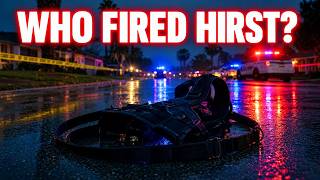
災害 · ビスケーン湾の墜落事故継続報道 · 全5件中5件目のレポート
キー・ビスケーンのヘリコプター墜落事故:ローターが水面に当たる前に機械的故障なしとNTSB
連邦政府の予備報告書は、11月4日にビスケーン湾へ墜落したロビンソンR44 IIのエンジンや飛行制御系統に問題がなかったとした。報告書によると、パワーボートの撮影中、水面すれすれで45度傾いて飛行していた。
執筆 7分で読めます · 13件の情報源
原語の動画
英語の原文から翻訳されています。
前回のレポートからの変化
14日後
今回
連邦政府の予備報告書は、11月4日にビスケーン湾へ墜落したロビンソンR44 IIのエンジンや飛行制御系統に問題がなかったとした。報告書によると、パワーボートの撮影中、水面すれすれで45度傾いて飛行していた。
動いたこと
- NTSBが予備報告書を公表し、衝突前に操縦系統またはエンジンに故障があった証拠はないとする。
これまでの報道と、その後明らかになったこと
飛行の状況
点検から予備報告書まで
残骸が示したこと
機械系統に関する所見は詳しく記されており、いずれも同じ結論を示している。捜査官は、操縦装置、サーボ、アクチュエーター、リンケージ、プッシュロッドを通じて飛行制御系統の連続性を確認した。3基あるメインローター油圧サーボのうち1基は墜落時に外れ、3基すべてに軽微な衝突損傷があったが、手で動かすといずれも正常に作動した。ブレードはシーソー式ヒンジ上で自由に動き、マストバンピングの兆候もなかった。マストバンピングはロビンソン機のような2枚ブレードのシーソー式ローターに知られる故障モードであり、別の有力な説明になり得たはずだ。2
エンジンも同じ検査に合格した。捜査官がクランクシャフトを手で回すと、クランクシャフトとバルブトレインの連続性が確認され、6気筒すべてで正常な圧縮と吸引があった。12本のスパークプラグはいずれも正常な摩耗を示していた。機体が湾内に沈んでいた後、捜査官はエンジンから約3ガロンの塩水とオイルを抜き取った。整備記録には8月5日の点検が記載されている。2
損傷は、水面への高エネルギー衝突と一致している。メインローターブレード1枚は外側の6フィートを失い、反対側のブレードも大きく損傷していた。メインローターギアボックスのケースは割れて開き、ギアが露出していた。テールローターシャフトはメイン・トランスミッションからちぎれていたが、密閉されたテールローターギアボックスは正常に回転した。胴体は裂けて後方にめくれ、操縦席と座席が露出していた。機内のカメラと映像機材は投げ出され、回収されていない。その映像があれば、客室内から見た最後の数秒を記録していた可能性がある。航空機追跡サイトによると、ヘリコプターの登録記号はN272JW、NTSBの事故番号はERA27FA034。2712
生存者の負傷はどれほど深刻だったのか?
これらの報道は必ずしも互いに矛盾するわけではない。「重傷」は連邦政府の事故記録における分類で、必ずしも長期入院を意味しない。しかし、「重篤」という表現は、約1日以内に帰宅した男性2人の状況とはそぐわない。確認できた情報源の中に、男性らが再入院したとするものはない。最後に確かな報道があった時点で2人とも退院しており、それ以降、その情報に反する報道はない。
不明な点
- 墜落時刻、操縦士の飛行経験、Poker Runの正式名称と主催者。
- イベントが航空機に最低高度を定めていたかどうか、また、どれほど近くを飛ぶかを誰が決めたのか。
- 生存者の負傷の実際の程度。
今後の展開
- NTSBの公開記録と、事故番号ERA27FA034に関する追加の事実資料。推定原因を記した最終報告書の公表には、通常1年以上かかる。
タイムライン
16日目 · 5 件のレポート
操縦士の身元が判明。生存者2人は軽傷で退院したと報じられる。
当社の放送 · 第4報
ビスケーン湾のヘリコプター墜落、生存者2人が退院 パイロットの身元判明5 日後
NTSBが予備報告書を公表し、衝突前に操縦系統またはエンジンに故障があった証拠はないとする。
当社の放送 · 第5報現在地
キー・ビスケーンのヘリコプター墜落事故:ローターが水面に当たる前に機械的故障なしとNTSB
情報源10
背景情報として過去の3件の記事を参照しました。日付のない3媒体:
媒体別の全情報源
10媒体の13件の情報源· 引用の多い順
NBC 6 South Floridanbcmiami.com最初2
ABC Newsabcnews.com1
AeroCorneraerocorner.com1
Biscayne Bay Beaconbiscaynebaybeacon.com1
ntsb.gov1
The Independentindependent.co.uk1
放送時の内容
- A working helicopter dipped its rotor into Biscayne Bay during a low turn, and its pilot died.
- Federal investigators found no sign that the engine or flight controls failed. That puts the focus on how the flight was flown, low and banking hard beside a racing powerboat.
- Nobody has said yet who decided how close to the water to fly, or how badly the two survivors were really hurt.
- On November 5 we reported that the pilot, sixty-three-year-old Tomas Pendas, had died, and that the survivors, Ryan McCoy and Ryan Ferraro, had left the hospital with injuries then described as minor. On Wednesday the National Transportation Safety Board released its preliminary report.
- The helicopter went down near Bill Baggs State Park, at the southern tip of Key Biscayne. It was a chartered Robinson R44 II, there to photograph boats in a high-performance Poker Run powerboat event offshore. Pendas owned an aerial media and photography company based at North Perry Airport in Pembroke Pines.
- Several of the helicopter's doors had been taken off so the photographer and the videographer could shoot.
- The photographer told investigators the helicopter flew low and parallel to a boat's right side, then turned to get ahead of it for a good shot as the boat passed underneath. Witnesses on two nearby boats said it was turning extremely close to the surface.
- Then came the bank.
- Witnesses and the men aboard put the bank toward the boat at about forty-five degrees. The videographer saw the rotor blades strike the water. The helicopter hit the bay, its emergency floats deployed, and it rolled upside down in about ten feet of water.
- Television footage showed it inverted underwater, with two yellow floats still fixed beneath the landing skids. People on nearby boats made distress calls, and Miami-Dade Sheriff Rosie Cordero-Stutz said a good Samaritan tried to help one of the victims. Crews from several local agencies, the Coast Guard and Customs and Border Protection responded.
- The wreckage is still in federal hands, and we'll keep following this investigation. Subscribe to this channel, and find more at heyday dot news.
- Investigators took the wreckage apart and found the machine still connected end to end.
- The flight controls were connected through the servos, linkages and pushrods. All three rotor servos still worked by hand, though one broke loose in the crash. There was no sign of mast bumping, a known failure in two-bladed rotors like this one. The engine showed normal compression on all six cylinders. Probable cause hasn't been determined.
- All twelve spark plugs showed normal wear. Investigators drained about three gallons of saltwater and oil from the engine after it sat in the bay.
- The damage fits a hard, fast hit on the water. One main rotor blade lost its outer six feet, and the opposite blade was badly damaged. The main gearbox case cracked open, exposing the gears, and the tail rotor shaft tore away from the transmission.
- The fuselage split and peeled backward, exposing the cockpit and seats. The camera and video gear aboard was thrown out, and it hasn't been recovered.
- The helicopter passed a 100-hour inspection on August 5, when it had about 2,500 hours on the airframe and about 400 hours on the engine since its last overhaul.
- The survivors' injuries are now described in different ways.
- Some accounts of the report call the two men critically injured. Others say seriously, and published summaries of the federal case file list two serious injuries. Both labels sit awkwardly beside what we reported on November 5, that both men were home from hospital within about a day.
- Nothing newer has contradicted their release.
- Flying low with the doors off beside fast boats is routine work in event filming. The report doesn't say whether the Poker Run set any minimum altitude for aircraft, or who decided how close to fly.
- The safety board is keeping the wreckage for more examination, and a final report naming a probable cause typically takes a year or more.
翻訳更新: