健康 · 麻疹の流行継続報道 · 全3件中2件目のレポート
流行が拡大する中、ペンシルベニア州で麻疹関連の死亡者が5人に
ランカスター郡の未接種の住民が麻疹検査で陽性となり、流行の拡大中に死亡した。認定された死因は確認されておらず、州と連邦の死亡者数の整合も取れていない。
原語の動画
文字起こし · 読み込み中
英語の原文から翻訳されています。
継続報道18日目
3 件のレポート67 社のメディア114 件の情報源13 本の動画
ニュースの全体- 日付のある出来事はまだありません

前回のレポートからの変化
16日後
前回
ペンシルベニア州で3人死亡、麻疹が猛威を振るい再拡大未解明としていた点
流行の拡大に伴い、肺炎、脳の腫れ、難聴などの重い合併症が増えているのか、病院ではどう見られているのか。
未解明その後の報道で少なくとも173人が入院したとされており、相当な医療負担が生じていることが記録されている。しかし、肺炎、脳炎、難聴が増加したことを示すものではなく、これらの確認済みの症例数は入手できない。 8
今回
ランカスター郡の未接種の住民が麻疹検査で陽性となり、流行の拡大中に死亡した。認定された死因は確認されておらず、州と連邦の死亡者数の整合も取れていない。
9月15日、HeyDay Newsは、ペンシルベニア州の麻疹流行で3人目の死亡が確認され、症例数が670件超、入院者数が120人超に達したと報じた。その2週間後も流行は拡大を続けている。州保健当局は2026年9月30日、麻疹ウイルスの陽性反応が出たランカスター郡在住の未接種者が死亡し、麻疹関連の死亡者が5人になったと発表した。NBC Newsによると、5人の死亡はいずれも8月以降に報告された。2 3
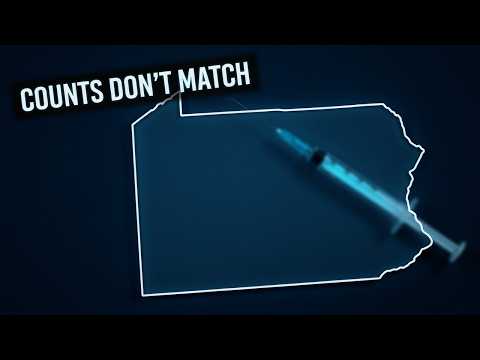
今回の発表により、拡大する流行でさらに1人が死亡したが、ペンシルベニア州の発表と連邦政府の集計の食い違いは解消されていない。9月29~30日の報道で示された最新のCDC集計では、全米の死亡者は2人だった一方、ペンシルベニア州は麻疹関連の死亡者5人を発表していた。連邦政府の集計に含まれる人の身元も、両者の数を整合させる公式説明も、確認されていない。16 17
主な事実
今回の死亡発表から分かることには重要な限界がある。住民は麻疹の検査で陽性だったが、その検査結果も「麻疹関連」という位置づけも、認定された死因を示すものではない。本人の年齢と正確な死亡日も確認されておらず、9月30日は発表日である。麻疹だけが死因だったと証明する死亡診断書はなく、ここで確認された情報からは、別の死因も特定されていない。2 3
この区別は、当社が以前使った「麻疹による死亡」という簡略な表現を見直す必要性も明確にする。今回の発表で裏付けられているのは、流行との関連であり、死因に関する新たに認証された医学的判断ではない。正確に表現しても、死亡の深刻さが損なわれるわけではない。入手できる医療記録が示せる範囲を超えて公の説明が断定しないためのものだ。
断片的な時点の数字の一方で、流行は拡大
ペンシルベニア州保健局が9月23日に発表した資料では、39郡で835件の症例が記録されていた。日付を確認できる次の正確な州全体の更新では、9月28日時点で同じ39郡の症例数が903件となり、金曜日以降に13件増えたとされた。9月29日の報道はこの数字を再掲したもので、9月29日に別途確認された数字ではない。日付のあるこれらの更新により、当社の以前の報道で中心的な問いだった症例数が増え続けているかどうかに答えが出た。21 37 6 35
他の公表数値には、より慎重な扱いが必要だ。NationofChangeの9月29日の報道では、確認症例890件、麻疹関連死亡4人、入院者少なくとも173人とされたが、元となる集計がいつ行われたのかは明らかにされていない。掲載日が後だからといって、890件が日付の確定した9月28日の更新より新しい観測値になるわけではない。この低い数字は、症例数が減少した証拠ではない。8 35
The New Republicは9月30日、症例数が少なくとも943件に達したと報じた。これは後日の下限値であり、州全体の整合が取れた正確な総数ではない。別の報道では、月曜日以降に43件増えたとされたが、必要な基準値とその結果の総数は明らかにされていない。903件に43件を足せば計算上は946件になるが、確認済みの症例数ではない。妥当な結論は、症例数が900件を超えて増え続けているということであり、9月30日の正確な総数ではない。14 1
入院者数にも同様の限界がある。NationofChangeの報道では少なくとも173人が入院したとされるが、集計の締め切り時点は不明だ。9月15日の当社報道で示した120人超という基準値と比べると、入院による負担が相当な規模で続いていることは分かるものの、正確な増加数は測定できない。肺炎、脳炎、難聴が増加したかを示す確認済みの数値はなく、入院者数だけでは答えられない。8
郡に関する情報も、日付や対象と切り離さずに扱う必要がある。ランカスター郡は流行の発生地とされ、5人目の死亡者の居住地でもあるが、その人が感染した場所と確認されたわけではない。9月29日の報道では、その時点でフィラデルフィア地域において感染拡大が続いていたのはチェスター郡だけとされた。これは州全体で影響を受けた郡が同郡だけだったことを意味せず、翌日の感染状況を示すものでもない。2 15
州発表の死亡者5人、連邦集計は2人
連邦政府の集計は変わったものの、ペンシルベニア州の発表との整合は取れていない。The Philadelphia Inquirerは9月24日、CDCが1人の死亡を認めたと報じたが、その場所は明らかにされなかった。それまで何週間にもわたり、ペンシルベニア州の麻疹関連死亡者は全米ダッシュボードに反映されていなかった。9月29日の同紙の報道によると、この1人という従来の説明は、CDCが9月28日深夜に2人目の死亡を追加したことで更新された。PennLiveも9月30日の記事で、連邦政府の最新集計は2人と伝えた。9 17 16
これらの報道からは、2人の集計が誰の死亡を指すのか、どちらかがペンシルベニア州で起きたのか、連邦政府の監視データの正確な締め切り時点がいつなのかは分からない。数字を足し合わせることはできず、この不一致から意図的な除外、遅れの特定の理由、あるいは認定基準の違いがあったとは断定できない。各集計がどの死亡を含むのか、読者が理解できる説明が欠けている。 16 17
全米の症例報告も、ダッシュボードの数字が示すほど正確とは限らない。Daily Mailは9月30日、米国で3,600件超の症例があったと報じたが、この下限値は、基準日が確定したCDCの正確な公式集計ではない。9月15日に当社が報じた3,000件超という数字は、当時報告された基準値であり、現在の総数ではない。19
当社の以前の報道では、ロバート・F・ケネディ・ジュニア保健福祉長官が死亡者数に異議を唱えていたことも指摘した。ペンシルベニア州で5人目の死亡が発表されたことについて、同長官の新たな発言や説明は確認されていない。入手可能な報道では、先の意見の相違は未解決のままだ。ただし、同長官が何も発言していないと証明されたわけではない。14
ワクチン接種の実績は流行の抑制を意味しない
対応には、ワクチンの提供実績が記録されている。ペンシルベニア州保健局が9月23日に発表した資料によると、臨時診療所でMMRワクチンが5,000回分超接種された。Ars Technicaは9月30日、当局が8,500回分超のワクチンを接種したと報じた。後者の数字が同じ診療所を対象としているか、別の集計時点によるものかは確認できないため、2つの数字を差し引いて同じ条件での増加分を算出するのは適切でない。どちらも接種回数であり、接種を完了した個人の数ではない。21 1
CDCの指針では、小児の通常のMMRワクチン接種スケジュールは、初回が生後12–15か月、2回目が4–6歳となっている。例外として、海外渡航者など感染リスクの高い乳児は生後6か月から接種できるが、これはペンシルベニア州の流行に特化した接種対象の規則として確認されたものではない。死亡した住民が未接種だったという事実だけでは、接種拒否、接種へのアクセス障壁、病歴は分からない。29 30
CDCの一般的な臨床指針では、感染者は発疹が出てから4日間隔離し、医療機関では空気感染対策を講じ、疑い例は地域の保健当局に報告することが推奨されている。4日間の隔離推奨は、感染性が続く期間をすべて説明するものではなく、この指針は州が新たに発表した政策でもない。25
この記事の出典
Ars Technica 1; The Philadelphia Inquirer、9月30日の死亡発表 2; NBC News 3; CNN 4; Pennsylvania Capital-Star 5; ペンシルベニア州保健局、903件の症例に関する発表 6; International Business Times Australia 7; NationofChange 8。
The Philadelphia Inquirer、9月24日の連邦集計報道 9; ArcaMax、開示に関する報道 10; NBC10 Philadelphia 11; Reuters 12; The Insight Post 13; The New Republic 14; Star News 15; PennLive 16; The Philadelphia Inquirer、9月29日の連邦集計報道 17; The Hill、連邦集計に初めて計上された死亡 18; Daily Mail 19。
放送時の内容 15行
- On September 15 we reported three measles deaths. Pennsylvania has now announced five associated deaths. The outbreak has spread across thirty-nine counties, with a later case figure of at least nine hundred forty-three and a hospitalization figure of at least one hundred seventy-three. Why does the national death tally still stand below Pennsylvania’s, and what can actually be established about the outbreak’s latest toll?
- An unvaccinated Lancaster County resident tested positive for measles and died. Pennsylvania announced the fifth associated death on September 30, raising its reported count from four to five. All five have been reported since August.
- September 30 is the announcement date, not a verified date of death. The resident’s age and exact death date are not established. Neither a positive test nor the term measles-associated establishes measles as the certified cause of death. No death certificate or certified cause is established here, and neither is an alternative cause. That distinction also corrects the earlier shorthand, measles death: the supported finding is an association with the outbreak, not a newly authenticated determination that measles alone caused the death.
- Pennsylvania’s dated case updates rose from eight hundred thirty-five to nine hundred three. The September 23 state release recorded eight hundred thirty-five cases in thirty-nine counties, although a separate surveillance cutoff is not established. The September 28 update recorded nine hundred three in the same thirty-nine counties, including thirteen additions since the previous Friday. That number appeared again on September 29; it was not a separately established September 29 observation. A different September 29 account carried eight hundred ninety confirmed cases and four associated deaths, but its underlying observation date is unknown. A later publication can repeat an older tally. The lower number does not establish that cases declined. September 30 brought a case lower bound of at least nine hundred forty-three, not a reconciled exact total. A claimed increase of forty-three cases since Monday cannot be verified with its baseline and resulting total. Adding forty-three to nine hundred three would produce nine hundred forty-six mathematically, but not a verified case count. Continued growth is established. The exact September 30 statewide total is not.
- At least one hundred seventy-three people had been hospitalized in the September 29 account. Its observation date is unknown, so that is a lower bound, not an exact September 30 hospital count. The earlier September 15 figure was more than one hundred twenty. Those thresholds show a substantial continuing hospital burden, but they do not support calculating a precise increase.
- Hospitalizations also cannot establish whether pneumonia, encephalitis or hearing loss increased. No verified totals for those complications are established, and there is no complete county-by-county case or hospitalization ledger here.
- Lancaster County was the fifth deceased resident’s home, not an established place of infection. The outbreak was described as beginning there. Chester County was the only county in the Philadelphia region identified with active spread at the September 29 snapshot. That does not make Chester the only affected county statewide, or establish conditions on September 30. Another earlier uncertainty can now be partly resolved: the third deceased resident, the forty-year-old unvaccinated woman, lived in Jefferson County. A September 14 account named county Coroner Greg Furlong and described complications associated with measles. It said she died Saturday, without establishing an explicit calendar date or the death-certificate contents. Her county is identifiable; her certified cause and detailed medical history remain unresolved. None of those details can be transferred to the fifth resident.
- The state’s detailed explanation for limiting information about the deaths is also not established. A particular privacy rule or rationale cannot be assumed.
- The national death tally was two while Pennsylvania had announced five associated deaths. An earlier federal update, described on September 24, acknowledged one death without identifying its location, after weeks when Pennsylvania’s associated deaths had not appeared in the national dashboard. A second death was added late September 28. The latest federal tally described on September 29 and 30 remained two. Neither entry’s identity or location is established, so it is unknown whether either was among Pennsylvania’s five. The federal surveillance cutoff and an official reconciliation are also unavailable. These counts have different scopes and must not be added together. The mismatch is established. Deliberate exclusion, the reason for a delay, or different certification criteria have not been demonstrated.
- The national case figure available for September 30 is more than three thousand six hundred. That is a lower bound, not an authenticated exact federal count with an established as-of date. The more-than-three-thousand figure carried on September 15 was historical, not current. Health Secretary Robert F. Kennedy Jr. had disputed death counts earlier in the outbreak. No verified new quotation or explanation concerning the fifth Pennsylvania death is established here. That does not prove he made no statement, and the current tally does not demonstrate that the disagreement has been resolved. No next scheduled federal update date is established.
- More than five thousand MMR vaccine doses had been administered at pop-up clinics in the September 23 state release. By September 30, the vaccine-dose figure was more than eight thousand five hundred. The later figure does not establish the same clinic scope or a separate counting cutoff, so subtracting the two would not establish a comparable increase.
- Both figures count doses, not distinct people fully vaccinated. Neither establishes how many recipients completed two doses, and vaccination activity does not establish that transmission has stopped.
- Routine childhood MMR vaccination consists of a first dose at twelve to fifteen months and a second at four to six years. An early-vaccination exception allows MMR from six months for infants at higher risk, including international travelers. That is not the routine schedule or an established Pennsylvania-specific outbreak eligibility rule; subsequent dose requirements for those early-vaccinated infants are not established here. MMRV is a different combined vaccine option, licensed for children aged one through twelve, who may receive a two-dose MMRV course instead of MMR. Those distinctions do not establish the deceased resident’s eligibility for a particular product. Unvaccinated status alone does not establish refusal, access barriers or medical history.
- General clinical guidance recommends isolating infected patients for four days after rash onset, using airborne precautions in healthcare settings, and reporting suspected cases to local health departments. Four days after rash onset is an isolation recommendation, not a complete account of the contagious period. Individualized exceptions and newly announced Pennsylvania-specific dosing or patient pre-arrival instructions are not established.
- The earlier question about continued growth is answered: Pennsylvania’s caseload climbed. The question about the death-count mismatch is not: five state-announced associated deaths and two federal entries remain unreconciled. The fifth resident’s certified cause of death, the next exact state case-and-hospitalization count, and which deaths the federal tally includes remain unknown.
情報源
37 件の情報源24 社のメディア1 件の配信記事
Measles (Rubeola)cdc.gov10
- Measles Vaccine Recommendations | Measles (Rubeola) | CDC
- Clinical Overview of Measles | Measles (Rubeola) | CDC
- Clinical Questions about Measles | Measles (Rubeola) | CDC
- Measles Prevention and Treatment Overview
- Healthcare Providers: Stay Alert for Measles Cases | Measles (Rubeola) | CDC
- Measles, Mumps, and Rubella Vaccination: Information for Health Care Providers | Vaccines & Immunizations | CDC
- Measles-Mumps-Rubella (MMR) Vaccine: Recommendations Summary
- Interim Infection Prevention and Control Recommendations for Measles in Healthcare Settings
- Measles Vaccination | Measles (Rubeola) | CDC
- Preparing and Responding to Measles: Checklist for Healthcare Workers
pa.gov2
- Pennsylvania Department of Health Provides Statewide Update on Measles Outbreak as Cases Reach 903 in 39 Counties | Department of Health | Commonwealth of Pennsylvania
- Pennsylvania Department of Health Provides Statewide Update on Measles Outbreak as Cases Reach 835 in 39 Counties, Surpasses 5,000 MMR Vaccine Doses Given at Pop-Up Clinics | Department of Health | Commonwealth of Pennsylvania
Ars Technicaarstechnica.com1
inklinkl.com1最初
International Business Timesibtimes.com.au1
Medical Dailymedicaldaily.com1最初
nationofchange.org1
NBC Newsnbcnews.com1
NBC10 Philadelphianbcphiladelphia.com1
NorthcentralPA.comnorthcentralpa.com1
Northwest Newsradio 97.7 | AM 1000nwnewsradio.com1
Pennsylvania Capital-Starpenncapital-star.com1
Star Newsstarnewsphilly.com1
State Affairsstateaffairs.com1
The Insight Posttheinsightpost.com1
The New Republicnewrepublic.com1
WHPlocal21news.com1
情報源マップ
この報道の根拠をたどります。マップで情報のつながりを確認し、下のリンクから記事で引用された情報源を開けます。
記事を読む間に情報源マップを読み込みます。
翻訳更新:
改訂履歴
- r1初公開。