报道
市政府宣称空气安全之际,备忘录已在计算诉讼风险
原语言视频
译自英文原文。
170,000首批公开发布的档案页数 2
81,000患有与9·11相关疾病的人数 1
$34 million档案门户项目成本 2
人们生病了,因为他们信任的领导人撒了谎。
说过的话,以及被归档的文件
从安抚到档案
已知
未知
- 除所引用的两份文件外,目前尚无对全部170,000页档案的公开梳理。
- 目前尚无相关前任官员或机构就这段时期作出公开回应。
后续
- 记者和研究人员能否在全部档案中发现规律,或仅发现个别案例。
- 是否有前任官员会回应蓄意误导的指控。
来源38
ABC News
- HeyDay News
37家媒体未注明日期:
按媒体查看所有来源
来自 38 家媒体的 46 个来源· 引用最多的优先
The official website of the City of New Yorknyc.gov2
ABC7 New Yorkabc7ny.com1
Al Jazeeraaljazeera.com1
播出原貌
- 170,000 pages of 9/11 records are public, and the mayor says leaders knew the air was toxic. Roughly 81,000 people now live with 9/11-related illnesses, and the records that might explain why were hidden for 25 years. What else the 170,000 pages reveal, and whether any former official answers, is still open.
- At City Hall, Mayor Zohran Kwame Mamdani stood with survivors and Jon Stewart to open the city's first public portal for 9/11 records. The release landed just days before the 25th anniversary of the attacks.
- The portal is part of a $34 million effort. The documents span four mayoral administrations, from Rudy Giuliani through Michael Bloomberg and into Eric Adams's tenure.
- The records cover how city officials handled air quality, contamination, and health risk in the months after the towers collapsed. The first tranche includes the Harding Memo and the so-called 68 boxes of records.
- Mamdani went further at the same press conference, saying city leaders told New Yorkers they were safe to breathe toxic air near the World Trade Center.
- That is the sharpest contradiction in the files: one month after the attacks, senior city officials were pricing tens of thousands of lawsuits while the public was being told the air was safe and acceptable. The memo first surfaced in February, after an advocacy group obtained it, and city council members called for an investigation.
- Two and a half decades separate the attack from the release. In between, a July 2002 finding recorded asbestos on a building facade several blocks from Ground Zero, ten months after the attacks — well after the public had been told conditions were safe.
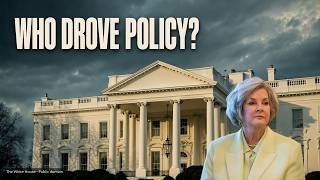
- The city's own files echo earlier federal findings. An EPA internal watchdog found the White House pressured the agency to delete cautionary information about the air, and a federal judge later blasted EPA chief Christine Todd Whitman for telling residents it was safe to return while toxic dust polluted the area.
- The pages and the memo are real and verified; what they show about the gap between what officials knew and what they said is the contested ground.
- Roughly 81,000 people are affected by 9/11-related health conditions tied to that toxic dust and smoke. First responders and recovery workers went into the pile, and thousands of survivors and lower Manhattan residents lived in the smoke for weeks.
- Those illnesses are the reason these files matter. The records were sought for years by first responders, survivors, and families concerned about Ground Zero health risks. The release settles those suits, but it doesn't settle the questions.
- Mamdani made the charge, Stewart has spent years pushing the fight, Nadler was there, and Whitman's assurances were part of the federal response that drew criticism. Stewart and other advocates expressed fury, contending the city covered it up to get back to business.
- The release settles the legal fight, but not the reckoning. What the remaining pages hold, and whether any former leader responds, remains unanswered as the city approaches the 25th anniversary.
译文更新于