विज्ञान · द्वीपीय जैव-सुरक्षा
रूसाय में दूसरा स्टोट पकड़ा गया, अकेले घुसपैठिए की उम्मीद खत्म
फंदा लगाने वालों और स्वयंसेवकों ने ऑर्कनी द्वीप से दो शिकारी हटाए हैं। दूसरे जानवर के पकड़े जाने से किसी अकेले घुसपैठिए की उम्मीद खत्म हो गई है, लेकिन उनके आने का रास्ता और बचे हुए जानवरों का सवाल अनसुलझा है।
मूल भाषा में वीडियो
प्रतिलेख · लोड हो रहा है
मूल अंग्रेज़ी से अनुवादित।
खबर ट्रैकरदिन 3
1 रिपोर्ट7 मीडिया संस्थान21 स्रोत
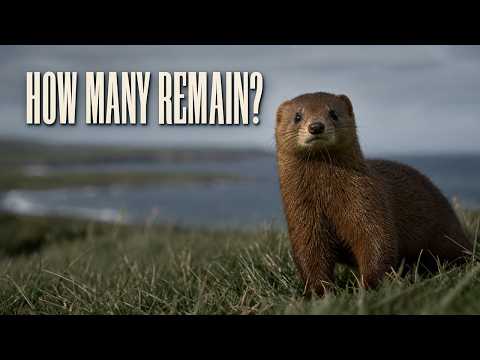
रूसाय में महीनों तक खोज करने वाले फंदा लगाने वालों और स्वयंसेवकों के लिए द्वीप का पहला स्टोट पकड़ना एक सफलता थी—लेकिन काम का अंत नहीं। अब दूसरे जानवर को भी फंदे में पकड़कर मार दिया गया है, जिससे वे उम्मीदें टूट गई हैं कि एक शिकारी को हटाने से ऑर्कनी द्वीप के मूल वन्यजीवों के लिए खतरा टल गया था। 12 13 1
21 October 2026 को एक ट्रेल कैमरे ने लोख ऑफ लूमाकुन के पास दूसरे स्टोट का पता लगाया। द ऑर्केडियन के अनुसार, दो दिन बाद उसे पास ही पकड़ लिया गया। 23 October की BBC Scotland की रिपोर्ट ने पुष्टि की कि उसे फंदे में पकड़कर मार दिया गया। दो जानवरों को हटाया जा चुका है; यह अज्ञात है कि और कितने बचे हैं। 7 1
दूसरे जानवर का पता चलने से पहले, ऑर्कनी नेटिव वाइल्डलाइफ प्रोजेक्ट ने कहा था कि वह इस बात को लेकर “लगातार अधिक आश्वस्त” हो रहा था कि 9 October को पकड़ा गया जानवर रूसाय का एकमात्र स्टोट था। यह एक सशर्त आकलन था, द्वीप को साफ घोषित करना नहीं। फिर भी, दूसरे जानवर के पकड़े जाने से इस बार के आगमन के लिए एक ही जानवर वाली व्याख्या निर्णायक रूप से समाप्त हो जाती है। 1
पहली रिपोर्टों से दूसरे जानवर के पकड़े जाने तक
- 7 May 202612
अप्रैल में संभावित रूप से देखे जाने की घटनाओं के बाद, परियोजना ने रूसाय पर स्टोट की मौजूदगी की पुष्टि की।
- 9 October 2026121
पहला स्टोट लोख ऑफ लूमाकुन के पास पकड़ा गया।
- 21 October 202671
एक ट्रेल कैमरे ने उसी झील के पास दूसरे जानवर का पता लगाया।
- 23 October 202671
दूसरा स्टोट पास के एक फंदे में पकड़ा गया; उसी दिन की खबरों में उसकी मौत की पुष्टि की गई।
यहां देखे जाने और पकड़े जाने के बीच का फर्क अहम है। दूसरे जानवर का पता 21 October को चला था; यह स्थापित नहीं है कि वह उसी दिन पकड़ा गया। इसी तरह, October में पहला जानवर पकड़ा जाना रूसाय पर स्टोट का पहला सबूत नहीं था: कार्रवाई अप्रैल में संभावित रूप से देखे जाने की खबरों से शुरू हुई थी और मई में इसकी पुष्टि हुई। फंदा लगाने वालों, स्थानीय स्वयंसेवकों और द्वीप समुदाय—सभी ने खोज में योगदान दिया। 7 12 13
परियोजना प्रबंधक सारा सैंकी ने दूसरी बार देखे जाने को “बेहद चिंताजनक घटनाक्रम” बताया और कहा कि पहले जानवर को हटाए जाने के तुरंत बाद ऐसा होना खास तौर पर दुर्भाग्यपूर्ण था। द ऑर्केडियन ने बताया कि जानवर का पता चलने के बाद उन्मूलन के प्रयास तेज कर दिए गए। उपलब्ध विवरण यह नहीं बताते कि कितने अतिरिक्त फंदे या कैमरे लगाए गए, या जानवर पकड़े जाने के बाद निगरानी का कार्यक्रम क्या था। 1 17
गलत जगह पर एक शिकारी
इस खोज का उद्देश्य ऐसे वन्यजीवों की रक्षा करना है जिन्हें कहीं और से लाकर आसानी से फिर बसाया नहीं जा सकता। स्टोट जमीन पर घोंसले बनाने वाले पक्षियों और ऑर्कनी वोल का शिकार करते हैं—यह वोल की एक उपप्रजाति है जो दुनिया में कहीं और नहीं पाई जाती। यह आम वोल से बड़ा और भारी है; इसका पूरा प्राकृतिक निवास यही द्वीपसमूह है। 1
ऑर्कनी कर्ल्यू, लाल-गले वाले गोताखोर पक्षियों, मादा हैरियर और छोटे कान वाले उल्लुओं के प्रजनन का भी एक अहम क्षेत्र है। ये पक्षी व्यापक संरक्षण-संबंधी दांव को दर्शाते हैं, रूसाय पर इन दो जानवरों से हुए किसी मापे गए नुकसान को नहीं। उपलब्ध साक्ष्यों में इन दोनों के कारण द्वीप पर शिकार की कोई गिनती या आबादी में गिरावट स्थापित नहीं हुई है। 1
स्टोट स्कॉटलैंड की मुख्यभूमि और यूनाइटेड किंगडम के अन्य हिस्सों के मूल निवासी हैं। नेवले और ऊदबिलाव से संबंधित ये जानवर आम तौर पर खरगोशों और चूहों जैसे छोटे कृंतकों का शिकार करते हैं। समस्या यह नहीं है कि यह प्रजाति हर जगह स्वभावतः नुकसानदेह है; समस्या यह है कि एक कुशल शिकारी ऐसे द्वीपीय पारिस्थितिकी तंत्र में पहुंच गया है जहां वह मूल निवासी नहीं है। मादाएं साल में छह से 12 बच्चों के झुंड को जन्म दे सकती हैं, इसलिए देरी जोखिम पैदा करती है—लेकिन यहां इस बात का कोई स्थापित सबूत नहीं है कि रूसाय पर स्टोट ने प्रजनन किया है। 1
इस द्वीप पर खोज शुरू होने से बहुत पहले ही व्यापक कार्य शुरू हो गया था। ऑर्कनी में स्टोट पहली बार 2010 में दर्ज किए गए और मुख्य ऑर्कनी द्वीप, बरे और साउथ रोनाल्डसे पर उनकी आबादियां स्थापित हो गईं। नेचरस्कॉट इन स्थापित आबादियों को द्वीपसमूह में स्टोट हटाने के प्रयास की पृष्ठभूमि बताता है। 10
परियोजना के अनुसार, 2019 से पूरे ऑर्कनी में 9,100 से अधिक स्टोट हटाए जा चुके हैं। यह संचयी आंकड़ा BBC ने 23 October को बताया था। यह न तो रूसाय की गिनती है और न ही बचे हुए जानवरों का अनुमान। इस अभियान में ट्रेल कैमरे, फंदे और स्टोट की बीट का पता लगाने के लिए प्रशिक्षित कुत्तों का इस्तेमाल होता है। इसका घोषित लक्ष्य एक-एक आखिरी स्टोट को हटाना है। कार्यक्रम का लक्ष्य 2030 तक ऑर्कनी को स्टोट-मुक्त करना है—यह रूसाय को उस तारीख तक साफ करने का वादा नहीं है। 1 4
BBC ने व्यापक कार्यक्रम को £15 million की परियोजना बताया है। यह रिपोर्ट की गई लागत खर्च का पूरा लेखापरीक्षित हिसाब नहीं है। अलग से, 14 August 2024 की RSPB घोषणा में नेशनल लॉटरी हेरिटेज फंड से अतिरिक्त £2.5 million और नेचरस्कॉट द्वारा प्रबंधित स्कॉटिश सरकार के नेचर रेस्टोरेशन फंड से £1.5 million से अधिक की प्रतिबद्धता बताई गई थी। ये वित्तपोषण की प्रतिबद्धताएं थीं, October 2026 में दिया गया नया अनुदान या खर्च की गई कुल रकम का चालू हिसाब नहीं। 1 5
आने का रास्ता अब भी एक खुला सवाल
दोनों जानवरों का उसी झील के पास मिलना यह नहीं बताता कि वे वहां कैसे पहुंचे। संरक्षणवादियों का कहना है कि स्टोट अच्छे तैराक होते हैं और मुख्य ऑर्कनी द्वीप से आइन्हैलो साउंड पार कर सकते थे। लेकिन यह एक संभावित रास्ता है, न कि देखा गया पार करना या दोनों में से किसी जानवर के लिए स्थापित स्पष्टीकरण। पकड़े जाने से यह पता नहीं चलता कि स्टोट साथ पहुंचे, अलग-अलग पार आए या किसी और तरीके से रूसाय पहुंचे। 1
यह अनिश्चितता जैव-सुरक्षा को स्टोट हटाने के काम से अलग नहीं रहने देती। परियोजना का काम स्टोट को दूसरे द्वीपों तक फैलने से रोकना और उन्मूलन के बाद उनकी वापसी रोकना—दोनों है। पहले से मौजूद जानवरों को ढूंढ़ना और नए आगमन का पता लगाना आपस में जुड़े काम हैं; पहले में सफलता से दूसरे की जरूरत खत्म नहीं होती। 14
निगरानी के साधनों, कुत्तों की खोज और फंदों के नेटवर्क से मिली जानकारी के साथ-साथ लोगों की देखी गई घटनाओं की खबरें भी कार्रवाई का रास्ता तय करने में मदद करती हैं। परियोजना फोन, अपनी वेबसाइट और “Stoats in Orkney” Facebook समूह के जरिए रिपोर्ट स्वीकार करती है। उसका कहना है कि सुबह मिली कुछ विस्तृत रिपोर्टों के बाद दोपहर के भोजन तक फंदे लगा दिए गए और रात में एक जानवर पकड़ा गया—यह उपयोगी जानकारी से क्या हासिल हो सकता है, इसका उदाहरण है, प्रतिक्रिया समय की गारंटी नहीं। 11
रूसाय को स्टोट-मुक्त घोषित करने की कोई तारीख घोषित नहीं की गई है, और उपलब्ध जानकारी में सफाई का कोई तय मानदंड भी नहीं है। दूसरे जानवर के पकड़े जाने से एक सवाल का जवाब मिला है: इस बार के आगमन में पहला जानवर अकेला नहीं था। आगे क्या होगा, यह तय करने वाले सवाल—क्या और जानवर बचे हैं और नए आगमन को कैसे रोका जा सकता है—अब भी खुले हैं।
जैसा प्रसारित हुआ 18 पंक्तियाँ
- Trappers have caught and killed a second stoat on Rousay. Two predators have now been removed from an island where conservationists had hoped there was only one. They're protecting ground-nesting birds and a vole found nowhere else in the world. They still have to work out whether more stoats remain and how the animals reached the island.
- A trail camera picked up the second animal near Loch of Loomachun on October twenty-first. Trappers caught it nearby two days later, on October twenty-third. The first animal had been caught near the same loch on October ninth.
- The Orkney Native Wildlife Project had said it was increasingly confident that the first animal was the only stoat on Rousay. The second capture overturned that hope. Removing the first animal had ended a months-long search, but another predator was still there.
- The project confirmed a stoat's presence on May seventh, after potential sightings in April. October ninth brought the first capture. October twenty-first brought the second detection, followed by capture on October twenty-third. Trappers, local volunteers and the island community have all helped the response.
- Project manager Sarah Sankey called the second sighting deeply concerning, especially so soon after the first removal. The project stepped up eradication efforts after the detection. Two animals have been caught, but nobody has announced that Rousay is clear.
- Stoats prey on ground-nesting birds and the Orkney vole. On these islands, that puts an introduced predator alongside wildlife with particular conservation value. The vole is a subspecies found only in Orkney, and it's larger and heavier than the common vole.
- Orkney is an important breeding area for curlews, red-throated divers, hen harriers and short-eared owls. Across the archipelago, protecting those birds and the vole is a central reason for removing stoats before they spread further.
- Stoats are native to mainland Scotland and other parts of the United Kingdom. They're related to weasels and otters, and usually hunt rabbits and small rodents such as mice. Their arrival puts that hunting ability into an island ecosystem where they aren't native.
- Female stoats can produce litters of six to twelve kits a year. That capacity to multiply explains the urgency of finding every animal. Whether any have bred on Rousay is unknown.
- Stoats were first recorded in Orkney in twenty-ten. They became established on Mainland Orkney, Burray and South Ronaldsay. The wider removal operation now stretches far beyond the two animals found on Rousay.
- The project says it has removed more than nine thousand one hundred stoats across Orkney since twenty-nineteen. Each removal takes out a predator, but even that cumulative total can't tell conservationists whether another animal is still hiding on Rousay.
- The operation uses trail cameras, traps and dogs trained to detect stoat droppings. Its aim is to remove every last stoat. The project targets a stoat-free Orkney by twenty-thirty, though Rousay has no announced clearance date.
- The National Lottery Heritage Fund committed another two point five million pounds in August twenty-twenty-four. More than one point five million pounds also came through the Scottish Government's Nature Restoration Fund, managed by NatureScot. Those were commitments to support the work.
- The wider programme reportedly costs fifteen million pounds. That figure isn't a complete audited spending total. The earlier funding awards describe money committed, so they can't be treated as a running account of what has already been spent.
- Stoats are strong swimmers. Conservationists say a crossing from Mainland Orkney through Eynhallow Sound is one possible explanation for their arrival on Rousay. But nobody knows how either animal got there. Finding both near the same loch doesn't reveal their route.
- The project's biosecurity work aims to stop stoats spreading to more islands and prevent their return after removal. That means an island's protection depends both on finding animals already there and detecting fresh arrivals.
- Public sightings help direct the search alongside cameras, dog searches and information from the trap network. People can report sightings by phone, through the project's website or through the Stoats in Orkney Facebook group.
- In some previous responses, detailed morning sightings have led to traps being installed by lunchtime and an animal caught overnight. That shows how quickly a useful sighting can lead to removal, though response times vary. Rousay's second capture proves the first animal wasn't alone. Whether more remain, and how to prevent another arrival, are still unresolved.
स्रोत
21 स्रोत7 मीडिया संस्थान
Orkney Native Wildlife Projectorkneynativewildlife.org.uk8
NatureScotnature.scot4सबसे पहले
- पहली बार बताया
- Freedom of Information Request - Eradication of Stoats on Orkney
- Orkney Native Wildlife Project
- Operational Plan for the eradication of stoat Mustela erminea from Orkney Mainland and linked isles, Scotland
- SNH Commissioned Report 871: Stoat (Mustela erminea) on the Orkney Islands – assessing risks to native species
The Orcadian Onlineorcadian.co.uk3
BBC Newsbbc.com2
rspb.org.uk2
BBC Scotlandbbc.co.uk1
- पहली बार बताया
- Orkney island's second recorded stoat trapped and killed
The Telegraphtelegraph.co.uk1
स्रोत मानचित्र
इस रिपोर्ट के पीछे के साक्ष्य देखें। मानचित्र उनके संबंध दिखाता है; नीचे दिए लिंक इस लेख में उद्धृत स्रोत खोलते हैं।
आपके पढ़ते समय स्रोत मानचित्र लोड होता है।
अनुवाद अपडेट किया गया
संशोधन विवरण
- r1पहली बार प्रकाशित।