
科学 · マウゲンエイ
エイの生息地をめぐる判断、マッコーリー・ハーバーのサケ養殖を大きく変える可能性
科学顧問は、最後に生存が確認された避難場所が保護の要件を満たすと述べている。境界と管理計画はサケ養殖を大きく変える可能性があるが、指定はまだ行われていない。
原語の動画
文字起こし · 読み込み中
英語の原文から翻訳されています。
ニュースの経過1日目
1 件のレポート13 社のメディア24 件の情報源
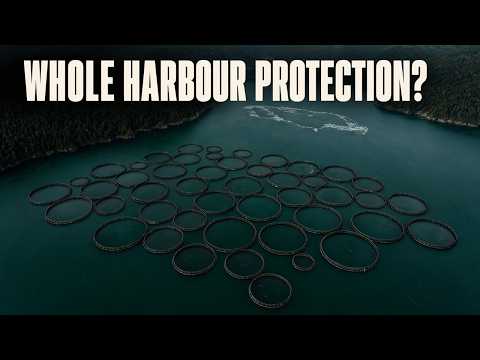
タスマニア州のマッコーリー・ハーバーでサケ養殖を営む事業者は、絶滅危惧種マウゲンエイを守るための保護措置が提案され、大幅な新規規制につながれば、飼育する魚の数を減らすか、場合によっては養殖をやめるよう求められる可能性がある。マウゲンエイにとって、ここは生存が確認されている唯一の避難場所だ。どちらの結果もまだ決まっていない。科学顧問は重要生息地としての保護を勧告したが、州はまだ指定していない。1
科学的助言と法的措置との隔たりが、10月28日にABCタスマニアが報じた政府文書の中心的な論点だ。タスマニア州科学諮問委員会は、マッコーリー・ハーバーが保護の要件を満たすと結論づけた。今後は、発表済みの期限も境界案もない中、局長のジェイソン・ジャコビが判断を下す。境界と、それに続く管理措置によって、保護のためにサケ養殖業が実際に何を求められるかが決まる。1
タスマニア州西岸のハーバーでは、年間数千トンのサケを生産する大手養殖企業3社が事業を行っている。指定が実現すれば、州の「絶滅危惧種保護法」が30年前に施行されて以来、初めての重要生息地指定となる。ただし、指定だけで養殖場の閉鎖が発表されるわけではない。1
誤りの許される余地がほとんどない避難場所
このエイの置かれた状況は、極めて限られた地域に集中している。学術誌Endangered Species Researchに掲載された2026年の研究は、マッコーリー・ハーバーとバサースト・ハーバーを既知の2つの生息地として挙げているが、バサーストでは1992年以来、種の記録がないとしている。論文は、同地で機能的に姿を消した可能性を記述しているが、絶滅が証明されたわけではない。マッコーリーは、生存個体群が確認されている唯一の場所である。24
4月、タスマニア州科学諮問委員会は、独立した専門家4人から助言を受けた後、環境担当部局に書簡を送った。専門家らは、マッコーリー・ハーバーがエイの生存と回復に不可欠だという点で一致した。溶存酸素の減少、養殖業の影響、気候の影響を相互に作用する脅威とし、高いリスクをもたらすと指摘した。重要なのは、少なくとも一部の脅威は、ハーバー全体で的を絞った人為的介入を行うことで管理できる可能性があるとも判断したことだ。1
委員会の結論は明確だった。「マッコーリー・ハーバーは、マウゲンエイの重要生息地に指定するための基準を満たしている」。これは介入が助けになりうるという助言であって、種が救えない状態にあるとの判断ではない。1
過去の警告は深刻だ。ABCが紹介した海洋南極研究所(Institute for Marine and Antarctic Studies)の報告書によると、酸素濃度が低下する中、エイの個体数は2014年から2021年にかけて64 per cent減少した。その期間にサケ養殖は大幅に拡大した。この経緯は緊急性を裏付けるが、2026年の個体数を示すものでも、寄与した原因をすべて特定するものでもない。1
担当部局は最近のモニタリングで、エイとハーバーの状況に「明るい兆し」が見られたと述べているが、改善を評価するための新たな個体数や測定された傾向は示していない。2026年6月には、飼育下で繁殖したエイ数匹がハーバーに放流された。この取り組みも、担当部局の安心させる説明も、残る個体群が安全だということを証明するものではない。1
境界は実質的な判断だ
法的責任を負うのは諮問委員会ではなく、ジャコビだ。州法第23条では、委員会と協議した後、局長が指定種の生存にとって重要だと判断した場合、その生息地を重要生息地と認定しなければならないと定めている。したがって、科学的勧告は重大な意味を持つが、それ自体が法的な認定となるわけではない。2
8月、ジャコビは地理的境界について追加の独立した助言を得るため、A$12,800を承認した。依頼では、科学的に正当化できる選択肢として、「生態学的に意味のある最小限の区域」から、証拠に裏付けられる場合には、より広い実務的な境界までを求めた。保護対象がマッコーリー・ハーバー全域となるかどうかは、まだ決まっていない。1
ABCの報道によると、指定が行われれば、影響を受ける土地所有者や借地権者と協議した上で、90日以内に管理計画を策定する必要がある。この期限は指定後に始まるもので、すでに進行中の期限ではない。タスマニア大学の環境法専門家、ジャン・マクドナルド氏は、計画によって養殖場への規制が追加される可能性があると述べている。1
土地管理計画によって、大幅な魚の減養殖、さらにはマッコーリー・ハーバーでのサケ養殖の中止が求められる可能性もある。
マクドナルド氏はまた、結果は指定区域と、保全・管理に必要とされる措置によって決まると強調した。影響を受ける当事者への補償が問題になる可能性もあるという。補償を受ける権利、支払額、公的負担額はいずれも決まっていない。減養殖や中止は、後の判断によって生じうる結果であり、すでに命じられた措置ではない。1
環境団体Environment TasmaniaはEnvironmental Defenders Officeと連携し、サケ養殖場がある区域と、タスマニア原生地域世界遺産地域に含まれる区域の両方を含む、ハーバー全域の指定を求めている。同団体の代表ジェス・コフラン氏は、エイが生き残るための環境全体を守る必要があると主張する。実際上の論点は、水路全体にまたがる複合的な脅威にさらされている種を、より狭い法的境界でも十分に守れるかどうかだ。1
情報公開請求によって審議内容を明らかにした無所属議員ピーター・ジョージ氏は、養殖の縮小や中止が必要になっても保護を支持している。サケ養殖をハーバー最大の問題とする彼の見解に対し、科学的助言は相互に作用する複数の脅威を指摘している。緑の党の副党首ヴィカ・ベイリー氏も緊急の対応を求め、夏の高温リスクに警鐘を鳴らしている。これは予防措置を求める警告であり、特定の熱波や将来の個体数減少が確認されたという証拠ではない。1
酸素供給は回復の証拠ではない
Salmon Tasmaniaは、提案されている指定を支持するかどうかを直接述べていない。その回答では、研究、酸素供給、生産量の削減を強調している。同団体は、「ハーバーでは養殖業とマウゲンエイが共存している」とし、生産量は「大幅に減少した」と述べたが、削減量や比較対象期間は示していない。こうした説明だけでは、現行の規制が十分か、あるいは将来の管理計画の下で養殖を従来どおり続けられるかは判断できない。1
影響を和らげる取り組みはすでに進んでいる。Salmon Businessは9月8日、環境保護庁(EPA)が承認した改定計画により、養殖場は1日あたり10.3トンの酸素消費を相殺することが義務づけられ、水深30〜40メートルで酸素を含ませた水がくみ上げられていると報じた。この1日あたりの数値は、海面養殖に起因する消費量であり、ハーバー全体の酸素需要量ではない。規制上の要件やくみ上げの説明だけでは、取り組みが完全に実施されたこと、酸素収支が回復したこと、あるいはエイが回復したことは証明されない。18
漁業研究開発公社(Fisheries Research and Development Corporation)のプロジェクト一覧によると、酸素供給を試験規模から実運用へ移行するための予算支出額はA$3.75 millionだ。Salmon Tasmaniaを通じてショーン・P・ライリー氏が主導するプロジェクトで、期間は2025年7月3日から2026年6月29日までと記載されているが、現在進行中と表示されている。一覧には最終的な実績結果は示されていない。これは影響緩和への投資を示すものであり、その取り組みが十分な保護をもたらす証拠ではない。20
より強い保護につながる別の道
州の判断は、別の保護手段が狭められた後に行われる。環境団体は、エイの減少を受け、サケ養殖の拡大を認めた連邦政府の2012年の承認を再検討するよう求めていた。2025年の選挙前、議会は、5年以上操業している産業に対する承認について再検討を認めないと定めた。1
2026年2月、連邦環境相は連邦科学顧問の助言を受け、エイの保全状況を「絶滅危惧」のままとし、「深刻な絶滅危惧」には変更しなかった。この連邦政府による種の指定は、タスマニア州が提案する生息地そのものの保護とは別の決定だ。どちらの決定も、現在ハーバーにどのような管理が必要かには答えていない。1
州の担当部局は協議を約束する一方、決定の時期、対象となる可能性のある区域、産業や許認可への影響についてはコメントできないとしている。重要生息地保護を支持する科学的根拠は提示されている。まだ欠けているのは、保護を義務へと移す手続きを始める行政上の決定だ。問われるのは指定という名称だけではなく、境界と管理計画がエイの最後の避難場所を守れるかどうかである。1
放送時の内容 20行
- Macquarie Harbour holds the Maugean skate's only confirmed surviving population.
- Tasmania's scientific advisers say the harbour qualifies for critical-habitat protection. That could bring new controls to salmon farms producing thousands of tonnes a year. Whether protection covers the whole harbour, and what it requires farmers to change, still needs deciding.
- Macquarie Harbour sits on Tasmania's west coast. The skate's other known population location is Bathurst Harbour, where it hasn't been recorded since 1992. Scientists describe a potential functional disappearance there. Macquarie remains its only confirmed surviving refuge.
- Four independent experts agreed that Macquarie Harbour is critical to the skate's survival and recovery. They identified interacting threats from falling dissolved oxygen, aquaculture and climate influences. They also found that targeted human intervention across the harbour could manage at least some of those threats.
- Tasmania's Scientific Advisory Committee sent that advice to the environment department in April 2026. It concluded the harbour meets the criteria for designation. A declaration would be Tasmania's first since its Threatened Species Protection Act took effect three decades ago.
- A declaration would require a management plan within 90 days, developed with affected landowners and leaseholders. That clock starts only after a declaration. The plan would set out how to protect the skate within the designated area.
- The decision belongs to department secretary Jason Jacobi. Under state law, he must determine habitat as critical if, after consulting the committee, he's satisfied it's critical to the species' survival. In August, he approved 12,800 Australian dollars for further independent advice on boundaries.
- Jacobi asked for scientifically defensible options, from the smallest ecologically meaningful area to broader practical boundaries. University of Tasmania environmental law expert Jan McDonald says the eventual plan could require substantial reductions in fish stocking, or potentially an end to salmon farming.
- McDonald says the necessary controls depend on the boundary and the conservation work required. She also says compensation for affected parties could become an issue. No compensation entitlement or amount has been decided. Salmon farms' operating conditions would depend on the decisions that follow.
- Skate numbers fell 64 per cent between 2014 and 2021 as oxygen levels declined. Salmon farming expanded substantially during that period. That historical decline explains the urgency, but it doesn't give us a population count for today.
- The department says recent monitoring shows encouraging signs for the skate and harbour conditions. It hasn't supplied a new population count or a measured trend. Several captive-bred skates were released into the harbour in June 2026 as part of efforts to protect the species.
- Environment Tasmania wants the entire harbour protected, including salmon-farm areas and the section within the Tasmanian Wilderness World Heritage Area. Working with the Environmental Defenders Office, its representative Jess Coughlan argues that the skate's whole remaining environment needs protection.
- Independent MP Peter George supports protection even if farming must shrink or end. He calls salmon farming the harbour's biggest problem. The scientific advice identifies several interacting threats. Greens deputy leader Vica Bayley wants urgent action, warning of an El Niño summer and heatwave risks.
- Salmon Tasmania says aquaculture can coexist with the skate. It points to research, oxygenation and significantly reduced production, without giving a reduction figure or comparison period. It hasn't directly said whether it supports the proposed designation. Three major aquaculture companies operate in the harbour.
- Updated mitigation plans approved by the environmental regulator require farms to offset 10.3 tonnes of oxygen consumption a day. That's the consumption attributed to marine farming. Oxygenated water is pumped at depths of 30 to 40 metres. Its effect on skate recovery remains unclear.
- An oxygenation project led by Sean Riley through Salmon Tasmania lists a budget of 3.75 million Australian dollars. Its purpose was to move oxygenation from a pilot to an operating system. The project listing gives no final performance result.
- The project ran on paper from July 2025 to June 2026, yet it's still labelled current despite that end date. The funding and pumping show mitigation efforts are underway. Whether those efforts provide enough protection is part of the decision facing the state.
- Another protection route has already narrowed. Environmental groups sought reconsideration of the federal government's 2012 approval for expanded salmon farming after the skate's decline. Before the 2025 election, parliament barred reconsideration of approvals for industries operating for more than five years.
- In February 2026, the federal environment minister kept the skate listed as endangered, following federal scientific advice. Tasmania's separate advisory committee is addressing the habitat itself. The state declaration would create its own process for deciding how that habitat should be managed.
- The department promises consultation with affected stakeholders. It hasn't announced when Jacobi will decide or how much of the harbour any designation would cover. Scientists have recommended protection. The boundary and management plan will determine what that protection requires of salmon farming.
情報源
24 件の情報源13 社のメディア1 件の配信記事
austlii.edu.au6
- THREATENED SPECIES PROTECTION ACT 1995 - SECT 23 Determination of critical habitats
- THREATENED SPECIES PROTECTION ACT 1995 - SECT 29 Land management plans
- THREATENED SPECIES PROTECTION ACT 1995 - SECT 36 Notice to comply
- THREATENED SPECIES PROTECTION ACT 1995 - SECT 35 Recommendation by Resource Planning and Development Commission
- THREATENED SPECIES PROTECTION ACT 1995 - SECT 40 Issue of permits
- THREATENED SPECIES PROTECTION ACT 1995 - SECT 54 Requirement to carry out restoration work
environment.gov.au2
- Zearaja maugeana (Maugean skate) was listed in the Endangered category of the threatened species list under the (Cwth) (EPBC Act) effective from 4 March 2004. Zearaja maugeana was reassessed by the Threatened Species Scientific Committee to be eligible under Criterion 2 and should be retained in the Endangered category. The Committee’s assessment is at Attachment A. The Committee’s assessment Criterion 2: B1ab(i,ii,iii,iv)+B2ab(i,ii,iii,iv) for listing as
- Conservation Advice for Zearaja maugeana (Maugean skate)
ABC Tasmaniaabc.net.au1
David Moreno et al., Endangered Species Research, 2026doi.org1
Head Topicsheadtopics.com1
KhanListkhanlist.com1
Salmon Businesssalmonbusiness.com1最初
salmontasmania.au1
The Australian Workers' Unionawu.net.au1
情報源マップ
この報道の根拠をたどります。マップで情報のつながりを確認し、下のリンクから記事で引用された情報源を開けます。
記事を読む間に情報源マップを読み込みます。
翻訳更新:
改訂履歴
- r1初公開。