
科学 · 玛冈鳐
玛冈鳐栖息地决定可能重塑麦夸里港鲑鱼养殖业
科学顾问认为,玛冈鳐最后一个经确认的避难所符合保护条件。边界和管理计划可能重塑鲑鱼养殖业,但目前尚未发布保护公告。
原语言视频
文字实录 · 正在加载
译自英文原文。
新闻追踪第 1 天
1 篇报道13 家媒体24 个来源
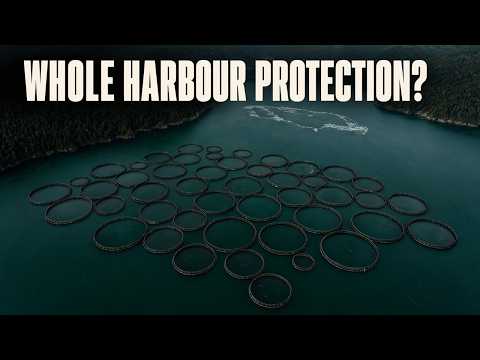
如果拟议中的濒危玛冈鳐保护措施带来大幅新增管控,塔斯马尼亚州麦夸里港的鲑鱼养殖户可能被要求减少放养鱼类,甚至可能停止在当地养殖。对玛冈鳐而言,利害攸关的是它唯一经确认仍有存续种群的避难所。两种结果目前都未定:科学顾问已建议保护其关键栖息地,但州政府尚未宣布相关保护措施。1
塔斯马尼亚州广播公司 ABC Tasmania 于 10 月 28 日报道的政府文件显示,科学建议与法律行动之间的落差是核心问题。塔斯马尼亚州科学咨询委员会已认定麦夸里港符合保护条件。如今须由部门秘书杰森·雅各比作出决定,但目前尚无公布的时间表或拟议边界。边界范围以及后续管理措施,将决定保护对鲑鱼养殖业的实际要求。1
塔斯马尼亚州西海岸的麦夸里港由三家大型水产养殖公司共同使用,每年生产数千吨鲑鱼。如果发布保护公告,这将是该州《濒危物种保护法》于 30 年前生效以来,首次指定关键栖息地。但这本身并不等于宣布养殖场必须关闭。1
容错空间极小的避难所
玛冈鳐的困境格外集中。一项发表于 2026 年《濒危物种研究》的研究指出,麦夸里港和巴瑟斯特港是该物种两个已知的种群所在地,但自 1992 年以来,巴瑟斯特港就没有记录到该物种。论文称其在那里可能已功能性消失,但这并不等于已证实灭绝。麦夸里港仍是唯一经确认有存续种群的地点。24
4 月,塔斯马尼亚州科学咨询委员会在收到四名独立专家的意见后,致函环境部门。专家们一致认为,麦夸里港对玛冈鳐的存续和恢复至关重要。他们指出,溶解氧下降、水产养殖的影响和气候因素是相互作用的威胁,构成高风险。重要的是,他们还发现,至少有部分威胁可以通过针对性的人工干预,在整个港湾范围内加以管理。1
委员会的结论明确指出:“麦夸里港符合指定为玛冈鳐关键栖息地的标准。”这是认为干预可能有所帮助的建议,并非认定该物种已无可挽救。1
历史警讯十分严峻。ABC 报道的一份海洋与南极研究所报告发现,随着氧气水平下降,玛冈鳐数量在 2014 年至 2021 年间减少了 64%。同期,鲑鱼养殖规模大幅扩大。这段历史说明了采取行动的紧迫性,但并未提供 2026 年的种群数量,也没有单独确定所有致因。1
该部门表示,近期监测显示玛冈鳐和港湾状况出现“令人鼓舞的迹象”,但没有提供新的种群数量或可用于评估改善情况的实测趋势。2026 年 6 月,数条人工繁育的玛冈鳐被放归港湾。这项干预和该部门的保证都不能证明剩余种群已摆脱风险。1
边界范围是一项实质性决定
法律责任在雅各比,而不在咨询委员会。州法第 23 条规定,秘书在咨询委员会后,如确信某栖息地对某个列入名录的物种的存续至关重要,就必须将其认定为关键栖息地。因此,这项科学建议影响重大,但它本身并非法律认定。2
8 月,雅各比批准拨款 A$12,800,用于就地理边界征求进一步的独立意见。他要求提供有科学依据的方案,范围从“生态意义上的最小区域”到有证据支持的、更广泛且切实可行的边界。保护措施是否会覆盖整个麦夸里港,仍未确定。1
据 ABC 报道,一旦发布保护公告,就必须在 90 天内制定管理计划,并与受影响的土地所有者和租赁权人协商。这一时限从公告发布后开始计算,并非已经开始倒计时。塔斯马尼亚大学环境法专家简·麦克唐纳表示,该计划可能对养殖场实施额外管控。1
土地管理计划可能要求大幅减少放养量,并可能要求停止在麦夸里港进行鲑鱼养殖。
麦克唐纳还强调,结果取决于指定区域的范围,以及保护和管理方面的要求。她表示,向受影响各方提供补偿也可能成为议题。目前尚未确定任何补偿权利、支付金额或公共成本。减少放养和停止养殖是后续决策可能带来的后果,并非已经下令实施的措施。1
塔斯马尼亚环境组织 Environment Tasmania 与环境维权办公室合作,要求将整个港湾纳入保护范围:既包括鲑鱼养殖场区域,也包括位于塔斯马尼亚荒野世界遗产地范围内的区域。该组织代表杰斯·考夫兰认为,玛冈鳐剩余的整个生存环境都需要保护。实际问题在于:面对遍布整个水道、相互作用的威胁,范围更小的法律边界能否充分保护该物种。1
独立议员彼得·乔治的知情权申请披露了相关审议内容;他支持采取保护措施,即使这意味着养殖规模必须缩小或停止。他称鲑鱼养殖是港湾最大的问题,这属于他的判断;科学建议指出的是多种相互作用的威胁。绿党副党魁维卡·贝利也要求紧急行动,并警告夏季高温带来的风险。他的警告是呼吁采取预防措施,并不意味着特定热浪或未来种群损失已得到证实。1
抽水增氧并不能证明种群已恢复
塔斯马尼亚鲑鱼养殖业组织 Salmon Tasmania 并未直接表明是否支持拟议的保护指定。其回应转而强调研究、增氧和减产。该组织表示“水产养殖与玛冈鳐在港湾共存”,且产量已“显著减少”,但没有提供减产数值或对比时段。这些保证并未解决现有管控是否充分,也没有说明未来的管理计划是否会允许养殖照常继续。1
缓解措施已在实施。行业媒体 Salmon Business 于 9 月 8 日报道,更新后的计划已获环保局批准,要求养殖场每天抵消 10.3 吨的耗氧量,并在 30 至 40 米深处抽送含氧水。这个日数值指归因于海洋养殖的耗氧量,而不是整个港湾的总耗氧需求。监管要求和抽水作业的描述,并不能证明措施已全面落实、氧平衡已恢复或玛冈鳐种群已恢复。18
渔业研究与发展公司的一项项目清单显示,将增氧从试点规模提升至运营规模的预算支出为 A$3.75 million。该项目由肖恩·P·赖利通过 Salmon Tasmania 牵头,列出的日期为 2025 年 7 月 3 日至 2026 年 6 月 29 日,但状态仍标为“进行中”。清单没有提供最终绩效结果。它证明的是对缓解措施的投入,而非干预措施已能提供充分保护。20
加强保护的另一条途径
州政府的决定是在另一条保护途径收窄后作出的。环境团体在玛冈鳐种群减少后,要求重新审议联邦政府 2012 年批准扩大鲑鱼养殖的决定。2025 年大选前,议会禁止重新审议已获批准、且相关行业运营超过五年的项目。1
2026 年 2 月,联邦环境部长在听取联邦科学建议后,也决定维持玛冈鳐的濒危物种名录等级,而不将其改列为极度濒危。联邦对物种名录的决定,与塔斯马尼亚拟议的栖息地保护是两回事。两项决定都没有回答麦夸里港目前需要何种管理措施。1
州政府部门承诺开展协商,但表示无法就决定时间、可能涉及的区域,以及对行业和许可证的影响发表评论。保护关键栖息地的科学依据已经摆在桌面上。仍然缺少的是启动落实保护义务的行政决定。检验成效的标准不只是保护名目,而是边界和管理计划能否保护玛冈鳐剩余的避难所。1
播出原貌 20 行
- Macquarie Harbour holds the Maugean skate's only confirmed surviving population.
- Tasmania's scientific advisers say the harbour qualifies for critical-habitat protection. That could bring new controls to salmon farms producing thousands of tonnes a year. Whether protection covers the whole harbour, and what it requires farmers to change, still needs deciding.
- Macquarie Harbour sits on Tasmania's west coast. The skate's other known population location is Bathurst Harbour, where it hasn't been recorded since 1992. Scientists describe a potential functional disappearance there. Macquarie remains its only confirmed surviving refuge.
- Four independent experts agreed that Macquarie Harbour is critical to the skate's survival and recovery. They identified interacting threats from falling dissolved oxygen, aquaculture and climate influences. They also found that targeted human intervention across the harbour could manage at least some of those threats.
- Tasmania's Scientific Advisory Committee sent that advice to the environment department in April 2026. It concluded the harbour meets the criteria for designation. A declaration would be Tasmania's first since its Threatened Species Protection Act took effect three decades ago.
- A declaration would require a management plan within 90 days, developed with affected landowners and leaseholders. That clock starts only after a declaration. The plan would set out how to protect the skate within the designated area.
- The decision belongs to department secretary Jason Jacobi. Under state law, he must determine habitat as critical if, after consulting the committee, he's satisfied it's critical to the species' survival. In August, he approved 12,800 Australian dollars for further independent advice on boundaries.
- Jacobi asked for scientifically defensible options, from the smallest ecologically meaningful area to broader practical boundaries. University of Tasmania environmental law expert Jan McDonald says the eventual plan could require substantial reductions in fish stocking, or potentially an end to salmon farming.
- McDonald says the necessary controls depend on the boundary and the conservation work required. She also says compensation for affected parties could become an issue. No compensation entitlement or amount has been decided. Salmon farms' operating conditions would depend on the decisions that follow.
- Skate numbers fell 64 per cent between 2014 and 2021 as oxygen levels declined. Salmon farming expanded substantially during that period. That historical decline explains the urgency, but it doesn't give us a population count for today.
- The department says recent monitoring shows encouraging signs for the skate and harbour conditions. It hasn't supplied a new population count or a measured trend. Several captive-bred skates were released into the harbour in June 2026 as part of efforts to protect the species.
- Environment Tasmania wants the entire harbour protected, including salmon-farm areas and the section within the Tasmanian Wilderness World Heritage Area. Working with the Environmental Defenders Office, its representative Jess Coughlan argues that the skate's whole remaining environment needs protection.
- Independent MP Peter George supports protection even if farming must shrink or end. He calls salmon farming the harbour's biggest problem. The scientific advice identifies several interacting threats. Greens deputy leader Vica Bayley wants urgent action, warning of an El Niño summer and heatwave risks.
- Salmon Tasmania says aquaculture can coexist with the skate. It points to research, oxygenation and significantly reduced production, without giving a reduction figure or comparison period. It hasn't directly said whether it supports the proposed designation. Three major aquaculture companies operate in the harbour.
- Updated mitigation plans approved by the environmental regulator require farms to offset 10.3 tonnes of oxygen consumption a day. That's the consumption attributed to marine farming. Oxygenated water is pumped at depths of 30 to 40 metres. Its effect on skate recovery remains unclear.
- An oxygenation project led by Sean Riley through Salmon Tasmania lists a budget of 3.75 million Australian dollars. Its purpose was to move oxygenation from a pilot to an operating system. The project listing gives no final performance result.
- The project ran on paper from July 2025 to June 2026, yet it's still labelled current despite that end date. The funding and pumping show mitigation efforts are underway. Whether those efforts provide enough protection is part of the decision facing the state.
- Another protection route has already narrowed. Environmental groups sought reconsideration of the federal government's 2012 approval for expanded salmon farming after the skate's decline. Before the 2025 election, parliament barred reconsideration of approvals for industries operating for more than five years.
- In February 2026, the federal environment minister kept the skate listed as endangered, following federal scientific advice. Tasmania's separate advisory committee is addressing the habitat itself. The state declaration would create its own process for deciding how that habitat should be managed.
- The department promises consultation with affected stakeholders. It hasn't announced when Jacobi will decide or how much of the harbour any designation would cover. Scientists have recommended protection. The boundary and management plan will determine what that protection requires of salmon farming.
来源
24 个来源13 家媒体1 篇通稿
austlii.edu.au6
- THREATENED SPECIES PROTECTION ACT 1995 - SECT 23 Determination of critical habitats
- THREATENED SPECIES PROTECTION ACT 1995 - SECT 29 Land management plans
- THREATENED SPECIES PROTECTION ACT 1995 - SECT 36 Notice to comply
- THREATENED SPECIES PROTECTION ACT 1995 - SECT 35 Recommendation by Resource Planning and Development Commission
- THREATENED SPECIES PROTECTION ACT 1995 - SECT 40 Issue of permits
- THREATENED SPECIES PROTECTION ACT 1995 - SECT 54 Requirement to carry out restoration work
environment.gov.au2
- Zearaja maugeana (Maugean skate) was listed in the Endangered category of the threatened species list under the (Cwth) (EPBC Act) effective from 4 March 2004. Zearaja maugeana was reassessed by the Threatened Species Scientific Committee to be eligible under Criterion 2 and should be retained in the Endangered category. The Committee’s assessment is at Attachment A. The Committee’s assessment Criterion 2: B1ab(i,ii,iii,iv)+B2ab(i,ii,iii,iv) for listing as
- Conservation Advice for Zearaja maugeana (Maugean skate)
ABC Tasmaniaabc.net.au1
David Moreno et al., Endangered Species Research, 2026doi.org1
Head Topicsheadtopics.com1
KhanListkhanlist.com1
Salmon Businesssalmonbusiness.com1最先
salmontasmania.au1
The Australian Workers' Unionawu.net.au1
来源地图
追溯本篇报道的依据。图谱展示其关联;下方链接可打开本文引用的来源。
来源图谱将在您阅读时加载。
译文更新于
修订记录
- r1首次发布。