
科技 · 宠物失踪诈骗
失踪的狗、一笔 $10,000 悬赏和一张疑似 AI 伪造图
一名陌生人承诺归还韦斯廷·鲁伊特的爱尔兰猎狼犬,随后发来一张据鲁伊特称重复使用了他自己寻宠启事照片的图片。目前没有证据证实发生过付款或寻回宠物。
原语言视频
文字实录 · 正在加载
译自英文原文。
新闻追踪第 2 天
1 篇报道15 家媒体28 个来源
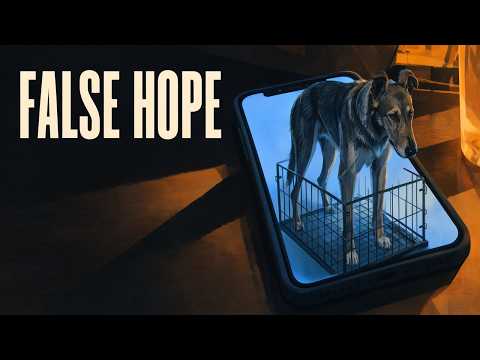
有那么一刻,韦斯廷·鲁伊特有理由相信自己就要找回邦迪了。一名陌生人说,他们找到了他失踪的爱尔兰猎狼犬,并提议在他家乡的一家杂货店见面。他在 Facebook 上悬赏 A$10,000 后,终于收到了自己梦寐以求的消息。可是,没有人带着狗出现。1
接下来等来的不是团聚,而是一张照片:邦迪似乎在一个笼子里。鲁伊特说,看起来有人拿了他为寻找爱犬而发布的那张照片,把狗放进了另一个场景。据他向 ABC 西澳大利亚频道讲述的情况,发信人随后不再回复;这篇报道于 2026 年 10 月 27 日发表。1
悬赏是一项承诺,并非有记录证实的损失。ABC 没有报道鲁伊特曾向陌生人付款,也没有报道陌生人索要钱款。他的讲述确实体现了那场从未发生的团聚所带来的情感代价。1
这给了我很大的希望。我当时兴奋极了。
提议见面的地点具体而熟悉:位于鲁伊特家乡巴林普的一家杂货店。巴林普在西澳大利亚州,位于珀斯以南 240 公里处。对方承诺的不只是邦迪还在某处,而是给出了一个鲁伊特据称可以去接他的地方。直到没人带着狗出现,他才起了疑心,并要求对方提供更多证据。1
鲁伊特告诉 ABC:“他们只是发来一张他在笼子里的照片,显然是 AI 做的。”他说,碗看起来是假的,狗脸前方的笼条模糊不清,而最重要的是,他认出了那张照片就是自己发在 Facebook 上的照片。“他们只是把他放进了一个箱子里,”他说。1
这是鲁伊特的判断,并非经过独立鉴定的图像制作方式结论。报道没有证实这张图是否由某种软件生成,也没有确认谁控制了该账号。但他的核心质疑不只是找出图像上的破绽:从他的寻宠启事中复制一张照片,固然能展示一只容易辨认的邦迪,却不能证明发信人真的找到了他。1
当寻宠启事成了诈骗素材
澳大利亚竞争与消费者委员会下属的国家反诈骗中心称,寻找失踪宠物的人正成为诈骗者的目标。ABC 报道的警告称,该中心指出,有人伪造图像,作为陌生人找到宠物的表面证据,随后索要钱款、礼品卡或加密货币,声称这是归还宠物的条件。1
该中心发言人说:“诈骗者会利用紧急或令人情绪痛苦的处境。”这描述了寻宠启事中可被利用之处:主人想尽快采取行动,而自称找到宠物的人则声称能结束这种不确定性。这张图像意在把这项承诺变成看起来可以核实的东西。1
不能把该中心对更广泛诈骗情况的描述,套用到鲁伊特的经历上。他的案例中并无证据表明有人索要这些形式的付款。现有官方数据也无法证明,涉及 AI 图像的宠物失踪诈骗具体有多少起,或造成了多少损失。更广泛的宠物诈骗总额或所有诈骗总额衡量的是其他情况。1 11 16
人们容易受骗,并不是因为宠物主人没能保守秘密。公开信息往往正是寻宠启事的目的。照片能帮助他人认出动物,地点能让邻居知道该去哪里寻找。但同样的信息也会让不怀好意的陌生人掌握细节,并能照搬这些细节,假装是他们自己独立发现的。
伊迪斯·考恩大学网络安全实践教授保罗·哈斯克尔-道兰德告诉 ABC,诈骗者会在社区群组中搜寻敏感信息。他称,过去三到四年里,AI 和自动化信息搜集工具让诈骗接触变得更有针对性,更能针对个人。这是他对能力变化的评估,并非对这一特定诈骗类别增长情况的量化结果。1
他说:“这些诈骗不再看起来与我们毫不相干——如今它们确实有一种真实可信的感觉。”他敦促人们在网上分享内容时更加谨慎,即使身处绝望之中也是如此。他的建议指出了一个艰难的平衡问题;这不是针对寻宠帖的具体核查清单,也不是要求人们放弃公开寻找宠物。1
熟悉的图像不等于核实
Scamwatch 的一般建议是,在交出钱款或个人信息之前先停下来想一想,并核实收款人确实是其所声称的身份。该机构关于 AI 的指南警告称,这项技术能让诈骗更具迷惑性、更个性化,包括定制看似可信的证据。这些都是一般性防范措施,并非针对宠物的核实流程。22 21 20
对于丢失宠物的主人来说,重要的区别在于认出动物和核实发信人的说法。照片里出现一只熟悉的狗,可能让信息显得格外贴近个人。但仅凭照片,无法证明发信人找到了这只狗,或能够把它送回来。
现有报道无法核实邦迪是否找回,也无法确认发信人此后是否又联系过。鲁伊特的讲述止于那张照片和随后的沉默,而不是找回了狗,也没有确认发生了金钱损失。那番承诺曾一度让团聚似乎成为可能,但照片并没有让它成为现实。1
播出原貌 15 行
- A stranger promised to return Bundy, but nobody arrived with the missing dog.
- Westyn Ruyter offered ten thousand Australian dollars to bring home his missing Irish wolfhound. Then someone sent a photograph he identified as an AI fake. Australia's anti-scam authorities warn that missing-pet appeals are giving scammers an opening.
- What made the stranger's promise believable, and what finally broke it?
- Balingup is 240 kilometres south of Perth. It's Ruyter's hometown, and the stranger proposed meeting at a general store there. The message offered something he desperately wanted: a chance to take Bundy home.
- Ruyter had put the reward on Facebook after Bundy disappeared. Someone soon contacted him, claiming to have found the dog. Ruyter described his reaction this way: “It gave me so much hope. I was that excited.” But nobody showed up with Bundy, and he asked for further proof.
- The Facebook reward brought a claimed discovery and a proposed meeting. The no-show prompted Ruyter to ask for proof. He says the stranger sent a picture apparently showing Bundy in a crate, then stopped replying. That photograph deepened his doubts.
- Ruyter recognised what he believed was his own Facebook photograph inside the new image. He said the bowl looked fake and the cage blurred across the dog's face. His conclusion was blunt: “They just sent me a photo of him in a crate, and it's obviously AI.” That's his assessment of the picture.
- He said the sender had taken the exact picture he'd shared to help find Bundy and put the dog inside a box. The familiar animal made the image personal. But recognising the dog didn't prove that the sender actually had him.
- The National Anti-Scam Centre says scammers are targeting people searching for missing pets. Its spokesperson described the pressure behind the approach: “Scammers exploit situations that are urgent or emotionally distressing.” A promised reunion gives the stranger a way to exploit that urgency.
- The centre says scammers use AI-generated pictures to claim they possess a missing pet. They then demand money, gift cards or cryptocurrency for its return. The picture supplies apparent proof, while the owner's desire to recover the animal supplies the pressure to act.
- Ruyter's ten thousand dollars was the reward he offered. We don't know whether the sender ever demanded money or received any. What he described was a surge of hope, a failed reunion and another painful setback. The wider warning explains how that same emotional pressure can become a demand for payment.
- Cybersecurity professor Paul Haskell-Dowland says scammers search community groups for sensitive information. At Edith Cowan University, he describes AI and automated information-gathering tools making approaches more personal over the last three to four years. Details people recognise can make a deception feel authentic.
- That's his assessment of how the tools are changing. He urges people to be more careful about what they share online, even when they're desperate. Owners face a difficult tension. A photograph and personal details can help a community recognise a missing animal. Those same details can help a stranger construct a believable message about it.
- General scam guidance is to pause before handing over money or personal information, and check who you're dealing with. Official AI guidance also warns about cloned voices, personalised messages and deepfake images. The National Anti-Scam Centre encourages people targeted by AI scams to report them.
- A familiar-looking photograph alone couldn't show that this stranger had Bundy. Ruyter's doubts grew when the promised reunion failed and the picture appeared to reuse his own appeal. We still don't know whether Bundy has since been found or whether the sender contacted Ruyter again.
来源
28 个来源15 家媒体1 篇通稿
Australian Competition and Consumer Commissionaccc.gov.au5
ABC Western Australiaabc.net.au2最先
animalcareaustralia.org.au1
AU Nowaunow.news1
Australiaeuropesays.com1
Bluesky Socialbsky.app1
Coast Heraldcoastherald.com1
Dagensnyttdagensnytt.com1
Green Adelaidesa.gov.au1
KhanListkhanlist.com1
KioskNewskiosknews.app1
UA.NEWSua.news1
来源地图
追溯本篇报道的依据。图谱展示其关联;下方链接可打开本文引用的来源。
来源图谱将在您阅读时加载。
译文更新于
修订记录
- r1首次发布。