报道
爱德华王子岛省的燃油税减免确实存在,但加油站价格能因此降低多少仍不明确。
爱德华王子岛省已暂停征收汽油和柴油税,期限至1月。税费减免额度明确;岛上加油站价格是否因此下降以及下降多少,则尚不清楚。
原语言视频
文字实录 · 正在加载
译自英文原文。
新闻追踪第 1 天
1 篇报道25 家媒体51 个来源2 个视频
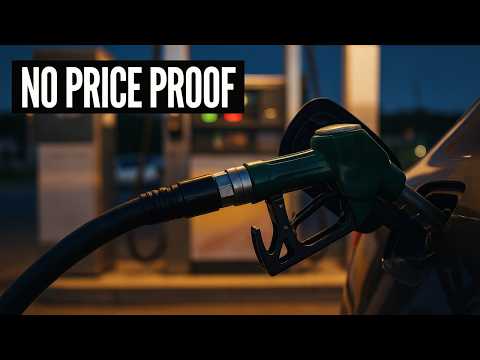
对于给汽车加油的岛民,或购买一罐柴油的卡车运营商来说,爱德华王子岛省新出台的燃油税减免取消了每升燃油的一项收费。但这项措施本身并不能说明两类消费者在加油站会少付多少钱。省长罗布·兰茨于2026年9月25日宣布暂停征税。措施于次日生效,计划持续至2027年1月31日。在此期间,省政府停止征收每升汽油8.47分、每升柴油14.15分的税款。3
关键事实
省级减税与已实施的联邦燃油消费税假期时间重叠。渥太华也将暂停征收每升10分的汽油税,直至1月。加上爱德华王子岛省的8.47分,两项暂停征收的汽油税合计每升18.47分。CTV新闻报道称,每升4分的联邦柴油税也暂停征收;将这一报道中的金额与爱德华王子岛省的柴油减税相加,每升合计18.15分。本报道核查的联邦政府摘录未能独立确认这项4分的柴油税,因此柴油税费合计部分依据CTV的报道。113
这些合计数是算术计算,并非收据。从每升燃油中取消一项税,不等于零售价格经独立测量后降幅恰好相同。燃油价格的其他组成部分可能发生变化,而这里的证据无法证明9月26日前后存在一组可比的岛上受监管价格。称每升汽油可保证节省18.47分,会把已知的税额计算变成一项未经核实的加油站价格变化说法。
加油站价格显示了什么
爱德华王子岛省的岛屿监管与上诉委员会负责监管石油价格。该委员会公布的9月19日自助加油价格区间为:普通汽油每升214.9至216.1分,柴油每升283.4至284.5分。但9月19日距省级暂停征税开始还有一周,并非减税前夕。若没有9月25日和26日可比的受监管价格,就无法据此判断有多少税额变化传递给了消费者。这些价格只能说明燃油此前有多贵,不能说明随后价格变化的幅度。428
即使高昂的柴油成本仍在影响卡车运输,暂停征收柴油税也为大量购买燃油的运营商带来了明确的减税价值。但这笔节省是否会沿货运链条传递,是另一个问题。商学教授伊恩·李告诉CTV新闻,他预计减税对消费者商品成本的影响微不足道。这是他的判断,并非对杂货店价格的测量,也不能证明没有任何企业会受益。12
相比每升税率,公共财政成本的确定性较低。二手报道估计,爱德华王子岛省放弃的收入最高可达1200万加元,但经核查的材料无法证实省政府的测算、这一估算涵盖的时期,或其是否计入之后降低税率的阶段。这是报道中的估算,不是已确认的最终账单。区别很重要:这项措施减轻了燃油购买者的税负,同时也放弃了原本会归省政府所有的收入。2643
减税有明确的结束日期
两项全面暂停征税措施都计划在1月31日之后结束。根据已公布的联邦计划,燃油消费税将于2027年2月1日至3月31日按正常税率的一半恢复征收。汽油税将因此恢复每升5分;按CTV报道的柴油正常税率计算,柴油税将恢复每升2分。如果计划不变,联邦正常税率定于4月1日恢复。这是分阶段恢复征税,并不意味着燃油价格会在这些日期恰好上涨相应金额。13139
爱德华王子岛省表示,2月将以此前税率的50%恢复征收省级燃油税。CTV新闻报道称,省级分阶段恢复征税从2月1日开始,但经核查的省政府公告摘录并未独立证实这一确切日期。现有材料也无法核实该省何时会恢复汽油和柴油的全部税率。岛民可以查到全面暂停征税计划何时结束,但目前还没有经核实的省级税率全面恢复时间表。31
联邦延期也有一项立法方面的限定。加拿大《燃油负担能力法案》(C-38号法案)于9月21日提出,并于9月22日在众议院通过二读。截至9月27日,该法案仍在委员会审议,尚未成为法律。这不应与已经实施的联邦燃油税假期混为一谈:此次核查未能确定授权现行税收假期的法律文书。岛民面临的即时省级减税是真实的;加油站价格究竟能因此降低多少,以及省级税率如何完整恢复,仍是未决问题。4513
未知
- 2026年9月25日至26日加油站价格的可比变化,以及爱德华王子岛省何时恢复全部税率,均未得到证实。
后续
- 请留意受监管的价格记录和完整的省级分阶段恢复征税时间表。
播出原貌 10 行
- Prince Edward Island has stopped collecting 8.47 cents a litre in gasoline tax. Its diesel tax is also suspended, and a federal fuel-tax holiday overlaps with both breaks. That matters to drivers filling cars and businesses buying diesel in large quantities. But how much of the removed tax has actually reached prices at Island pumps?
- The two suspended gasoline levies total 18.47 cents a litre: 8.47 cents provincial and 10 cents federal. For diesel, P.E.I. has removed 14.15 cents a litre. Adding the reported four-cent federal diesel levy gives 18.15 cents. That federal diesel amount was reported in coverage but was not independently confirmed in the federal-government material checked. These totals describe taxes kept off a litre of fuel—not a measured or guaranteed decline in the price a customer pays.
- Premier Rob Lantz announced the provincial suspension on September 25. It began September 26, 2026, and runs through January 31, 2027. The federal holiday was already operating when P.E.I. added its own break. For a driver, the distinction between a tax rate and a pump price matters: the two can change together, but one does not prove the size of the other.
- The Island Regulatory and Appeals Commission regulates petroleum prices. Its available September 19 self-serve ranges were 214.9 to 216.1 cents a litre for regular gasoline, and 283.4 to 284.5 cents for diesel. But September 19 is not the price immediately before the tax change. Without comparable regulated prices for September 25 and 26, there is no established before-and-after measure of how much relief appeared at pumps.
- The diesel break is particularly relevant to truck operators, whose fuel purchases can be large. Yet high diesel costs still affect trucking operations, and paying less tax on fuel does not automatically make groceries or other goods visibly cheaper. The assessed effect on consumers’ cost of goods is trivial; that is a business professor’s assessment, not an observed change in any store’s prices.
- There is a cost on the other side of the ledger. A reported estimate puts forgone provincial revenue at up to 12 million dollars. No verified provincial calculation establishes the estimate’s time period, how it was worked out, or whether it includes the later reduced-rate phase. The figure is therefore a possible revenue cost, not a confirmed final bill.
- The full suspensions are set to end after January 31. Under the federal plan, half the regular excise tax returns February 1 and remains through March 31. On the stated gasoline rate, that would put five cents a litre back on gasoline. On the reported diesel rate, it would be two cents a litre on diesel. The regular federal rates are scheduled to resume April 1 if the plan proceeds unchanged.
- P.E.I. also says its tax will return at 50 percent of its previous rate in February. February 1 has been reported as the start of that provincial phase-in, but the checked provincial announcement does not establish that exact day. Neither the duration of P.E.I.’s half-rate nor the date its full provincial rates return has been verified.
- The proposed federal extension is in Bill C-38, the Canadian Fuel Affordability Act. Introduced September 21, it passed second reading in the House of Commons on September 22 and was in committee as of September 27. It had not been enacted. That pending bill should not be mistaken for the federal holiday already operating; the legal instrument authorizing that existing holiday was not established in this check.
- So the answer to the pump-price question remains open. The provincial tax amounts are known, and the overlapping gasoline levies total 18.47 cents a litre. But without comparable regulated prices immediately before and after September 26, the amount of that relief that reached Island drivers at the pump has not been demonstrated.
来源
51 个来源25 家媒体2 个视频2 篇通稿
princeedwardisland.ca6
- Province suspends provincial fuel tax to ease cost of living | Government of Prince Edward Island
- Gasoline Tax Rates | Government of Prince Edward Island
- Year Date Gasoline Diesel 2026 01-Jan-20 8.47 14.15 2025 01-Jan-20 8.47 14.15 2024 01-Jan-20 8.47 14.15 2023 01-Jan-20 8.47 14.15 2022 01-Jan-20 8.47 14.15 2021 01-Jan-20 8.47 14.15 2020 01-Jan-20 8.47 14.15 2019 01-Jan-19 9.68 15.83 2018 01-Jan-18 13.1 20.2 2017 01-Jan-17 13.1 20.2 2016 01-Jan-16 13.1 20.2 2015 01-Jan-15 13.1 20.2 2014 01-Jan-14 13.1 20.2 2013 01-Apr-13 13.1 20.2 2013 01-Mar-13 15.8 20.2 2013 01-Feb-13 15.8 20.2 2013 01-Jan-13 15.8 20.2 2012 01-Dec-12 15.8 20.2 2012 01-Nov-12 15.8 20.2 2012 01-Oct-12 15.8 20.2 2012 01-Sep-12 15.8 20.2 2012 01-Aug-12 15.8 20.2 2012 01-Jul-12 15.8 20.2 2012 01-Jun-12 15.8 20.2 2012 01-May-12 15.8 20.2 2012 01-Apr-12 15.8 20.2 2012 01-Mar-12 15.8 20.2 2012 01-Feb-12 15.8 20.2 2012 01-Jan-12 15.8 20.2 2011 01-Dec-11 15.8 20.2 2011 01-Nov-11 15.8 20.2 2011 01-Oct-11 15.8 20.2 2011 01-Sep-11 15.8 20.2 2011 01-Aug-11 15.8 20.2 2011 01-Jul-11 15.8 20.2 2011 01-Jun-11 15.8 20.2 2011 01-May-11 15.8 20.2 2011 01-Apr-11 15.8 20.2 2011 01-Mar-11 15.8 20.2 2011 01-Feb-11 15.8 20.2 2011 01-Jan-11 15.8 20.2 2010 01-Dec-10 15.8 20.2 2010 01-Nov-10 15.8 20.2 2010 01-Oct-10 15.8 20.2 2010 01-Sep-10 15.8 20.2 2010 01-Aug-10 15.8 20.1
- Gasoline Tax Regulations
- Gasoline Tax Act
- News | Government of Prince Edward Island
cbc.ca5
- Islanders will pay less at the pump starting Saturday as ...
- Federal government will extend gas tax holiday into 2027
- P.E.I. is pausing its fuel tax. Here's what that means for Islanders and the province
- Islanders will pay less at the pump starting Saturday as P.E.I. suspends provincial fuel tax | CBC News
- P.E.I. government projects $410M deficit, warns of tough choices ahead
parl.ca4
- Government Bill (House of Commons) C-38 (45-1) - First Reading - Canadian Fuel Affordability Act - Parliament of Canada
- C-38 (45-1) - LEGISinfo - Parliament of Canada
- Government Bill (House of Commons) C-38 (45-1) - First Reading - Canadian Fuel Affordability Act - Parliament of Canada
- C-38 (45-1) - LEGISinfo - Parliament of Canada
CityNews Torontocitynews.ca1
CKPG Todayckpgtoday.ca1
ey.com1
National Newswatchnationalnewswatch.com1
nationalpostnationalpost.com1
Prime Minister of Canadagc.ca1
Regfollowerregfollower.com1
WTN Globalworld-today-news.com1

来源地图
追溯本篇报道的依据。图谱展示其关联;下方链接可打开本文引用的来源。
来源图谱将在您阅读时加载。
译文更新于
修订记录
- r1首次发布。