科学 · 岛屿生物安全
鲁西岛第二只白鼬被捕获,只有一只外来者的希望破灭
捕兽人员和志愿者已从奥克尼群岛的这座岛屿移除了两只捕食者。第二次捕获终结了只有一只外来白鼬的希望,但它们的迁入路线以及是否还有其他白鼬仍未有定论。
原语言视频
文字实录 · 正在加载
译自英文原文。
新闻追踪第 3 天
1 篇报道7 家媒体21 个来源
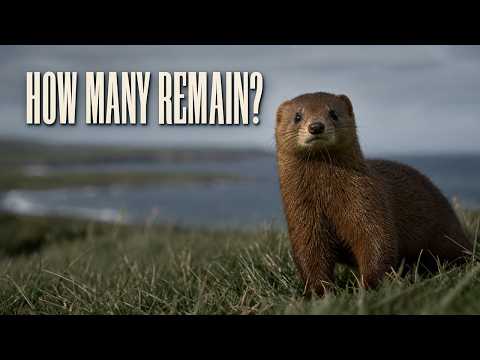
对于花了数月时间在鲁西岛搜寻的捕兽人员和志愿者来说,捕获该岛首只白鼬是一项成功——但并不意味着工作已经结束。如今,第二只白鼬也已被捕获并杀死,这打破了人们的希望:原以为除掉一只捕食者就能消除对奥克尼群岛这座岛屿本土野生动物的威胁。12 13 1
2026年10月21日,一台野外摄像机在卢马钦湖附近发现第二只白鼬。据《奥克尼人报》报道,两天后它在附近被捕获。BBC苏格兰频道10月23日的报道证实,该动物已被捕获并杀死。目前已有两只动物被移除;是否还有更多白鼬仍不得而知。7 1
在发现第二只白鼬之前,奥克尼本土野生动物项目曾表示,他们“越来越有信心”认为10月9日捕获的那只动物是鲁西岛唯一的白鼬。这是一项有所保留的评估,并非宣布该岛已无白鼬。尽管如此,第二次捕获明确终结了此次迁入事件中只有一只动物的说法。1
从首次报告到第二次捕获
在这里,目击与捕获的区别很重要。第二只动物是在10月21日被发现的,并没有证据表明它当天就被捕获。同样,10月首次捕获并非鲁西岛出现白鼬的首个证据:应对行动始于4月的疑似目击报告,并于5月得到确认。捕兽人员、当地志愿者和岛上社区都为这次搜寻作出了贡献。7 12 13
项目经理莎拉·桑基将第二次目击描述为“令人深感担忧的事态进展”,并补充说,在首次移除白鼬后不久就再次发现它,尤其令人遗憾。《奥克尼人报》报道称,发现第二只白鼬后,根除行动加大了力度。现有报道并未说明新增了多少陷阱或摄像机,也没有列出捕获后的监测时间表。1 17
出现在错误地点的捕食者
开展搜寻的目的是保护那些无法在别处轻易替代的野生动物。白鼬捕食地面筑巢的鸟类和奥克尼田鼠;这种田鼠亚种在世界其他地方都不存在。奥克尼田鼠体型和体重均大于普通田鼠;这座群岛是它们唯一的自然栖息地。1
奥克尼群岛也是欧亚杓鹬、红喉潜鸟、白尾鹞和短耳鸮的重要繁殖地。这些鸟类体现了更广泛的保护意义,并不代表这两只动物在鲁西岛造成了经测量确认的损失。现有证据尚未确定这对动物在岛上造成的捕食数量,也未确认它们导致了种群数量下降。1
白鼬原生于苏格兰本土及英国其他地区。它们与鼬和水獭有亲缘关系,通常捕食兔子和老鼠等小型啮齿动物。问题不在于这种动物在任何地方都具有危害性,而在于这种捕食能力强的动物进入了并非其原生栖息地的岛屿生态系统。雌性白鼬每年可产下6至12只幼崽,因此拖延会带来风险——但目前没有确凿证据表明白鼬已在鲁西岛繁殖。1
这项更广泛的工作,早在搜寻这座岛屿之前就已开始。2010年,奥克尼群岛首次记录到白鼬,之后它们在奥克尼本岛、布雷岛和南罗纳尔赛岛定居繁殖。NatureScot指出,这些已建立的种群是群岛开展清除行动的背景。10
该项目称,自2019年以来,奥克尼群岛已移除逾9,100只白鼬;这是BBC在10月23日报道的累计数字。它既不是鲁西岛的统计数量,也不是对尚存白鼬数量的估算。行动采用野外摄像机、陷阱和经过训练、能够探测白鼬粪便的犬只。项目的既定目标是移除所有白鼬,计划在2030年前让奥克尼群岛不再有白鼬——这并不是承诺鲁西岛届时一定清除完毕。1 4
BBC将这项更广泛的计划描述为一项耗资£15 million的项目。报道中的这一成本并非完整的经审计支出账目。另据皇家鸟类保护协会(RSPB)2024年8月14日发布的公告,国家彩票遗产基金另作出£2.5 million的资金承诺,苏格兰政府的自然恢复基金则承诺提供逾£1.5 million,该基金由NatureScot管理。这些是资金承诺,并非2026年10月新拨的款项,也不是已支出资金的累计总额。1 5
迁入路径仍是个未解之谜
在同一座湖附近发现两只白鼬,并不能解释它们是如何抵达的。自然保护人士称,白鼬擅长游泳,可能从奥克尼本岛游过艾恩霍洛海峡。但这只是一种可能的路线,并非有人目击它们横渡,也不是已确定的解释;无论是这两只动物中的哪一只,都尚无定论。此次捕获也无法说明它们是结伴而来、分别横渡,还是通过其他方式抵达鲁西岛。1
这种不确定性意味着,生物安全工作与清除行动密不可分。该项目既致力于阻止白鼬扩散到更多岛屿,也力图防止根除后它们再次出现。发现已经存在的白鼬与监测新近迁入的个体是相互关联的任务;做好前者,并不意味着可以省去后者。14
除了监测工具、犬只搜寻和陷阱网络提供的信息,公众目击报告也有助于指导应对行动。该项目通过电话、网站和“奥克尼白鼬”Facebook群组接收报告。项目称,有些内容详细的清晨报告促使工作人员在午餐时间前设置陷阱,并在当晚捕获白鼬——这说明有用的信息可以发挥什么作用,并不意味着响应时间有保证。11
目前尚未公布宣布鲁西岛已无白鼬的日期,现有信息中也没有明确的清除判定标准。第二次捕获回答了一个问题:在这次迁入事件中,第一只白鼬并非孤身一只。但决定接下来如何行动的问题——是否还有白鼬留存,以及如何防止新的白鼬迁入——仍未得到解答。
播出原貌 18 行
- Trappers have caught and killed a second stoat on Rousay. Two predators have now been removed from an island where conservationists had hoped there was only one. They're protecting ground-nesting birds and a vole found nowhere else in the world. They still have to work out whether more stoats remain and how the animals reached the island.
- A trail camera picked up the second animal near Loch of Loomachun on October twenty-first. Trappers caught it nearby two days later, on October twenty-third. The first animal had been caught near the same loch on October ninth.
- The Orkney Native Wildlife Project had said it was increasingly confident that the first animal was the only stoat on Rousay. The second capture overturned that hope. Removing the first animal had ended a months-long search, but another predator was still there.
- The project confirmed a stoat's presence on May seventh, after potential sightings in April. October ninth brought the first capture. October twenty-first brought the second detection, followed by capture on October twenty-third. Trappers, local volunteers and the island community have all helped the response.
- Project manager Sarah Sankey called the second sighting deeply concerning, especially so soon after the first removal. The project stepped up eradication efforts after the detection. Two animals have been caught, but nobody has announced that Rousay is clear.
- Stoats prey on ground-nesting birds and the Orkney vole. On these islands, that puts an introduced predator alongside wildlife with particular conservation value. The vole is a subspecies found only in Orkney, and it's larger and heavier than the common vole.
- Orkney is an important breeding area for curlews, red-throated divers, hen harriers and short-eared owls. Across the archipelago, protecting those birds and the vole is a central reason for removing stoats before they spread further.
- Stoats are native to mainland Scotland and other parts of the United Kingdom. They're related to weasels and otters, and usually hunt rabbits and small rodents such as mice. Their arrival puts that hunting ability into an island ecosystem where they aren't native.
- Female stoats can produce litters of six to twelve kits a year. That capacity to multiply explains the urgency of finding every animal. Whether any have bred on Rousay is unknown.
- Stoats were first recorded in Orkney in twenty-ten. They became established on Mainland Orkney, Burray and South Ronaldsay. The wider removal operation now stretches far beyond the two animals found on Rousay.
- The project says it has removed more than nine thousand one hundred stoats across Orkney since twenty-nineteen. Each removal takes out a predator, but even that cumulative total can't tell conservationists whether another animal is still hiding on Rousay.
- The operation uses trail cameras, traps and dogs trained to detect stoat droppings. Its aim is to remove every last stoat. The project targets a stoat-free Orkney by twenty-thirty, though Rousay has no announced clearance date.
- The National Lottery Heritage Fund committed another two point five million pounds in August twenty-twenty-four. More than one point five million pounds also came through the Scottish Government's Nature Restoration Fund, managed by NatureScot. Those were commitments to support the work.
- The wider programme reportedly costs fifteen million pounds. That figure isn't a complete audited spending total. The earlier funding awards describe money committed, so they can't be treated as a running account of what has already been spent.
- Stoats are strong swimmers. Conservationists say a crossing from Mainland Orkney through Eynhallow Sound is one possible explanation for their arrival on Rousay. But nobody knows how either animal got there. Finding both near the same loch doesn't reveal their route.
- The project's biosecurity work aims to stop stoats spreading to more islands and prevent their return after removal. That means an island's protection depends both on finding animals already there and detecting fresh arrivals.
- Public sightings help direct the search alongside cameras, dog searches and information from the trap network. People can report sightings by phone, through the project's website or through the Stoats in Orkney Facebook group.
- In some previous responses, detailed morning sightings have led to traps being installed by lunchtime and an animal caught overnight. That shows how quickly a useful sighting can lead to removal, though response times vary. Rousay's second capture proves the first animal wasn't alone. Whether more remain, and how to prevent another arrival, are still unresolved.
来源
21 个来源7 家媒体
Orkney Native Wildlife Projectorkneynativewildlife.org.uk8
NatureScotnature.scot4最先
- 首次报道于
- Freedom of Information Request - Eradication of Stoats on Orkney
- Orkney Native Wildlife Project
- Operational Plan for the eradication of stoat Mustela erminea from Orkney Mainland and linked isles, Scotland
- SNH Commissioned Report 871: Stoat (Mustela erminea) on the Orkney Islands – assessing risks to native species
BBC Scotlandbbc.co.uk1
The Telegraphtelegraph.co.uk1
来源地图
追溯本篇报道的依据。图谱展示其关联;下方链接可打开本文引用的来源。
来源图谱将在您阅读时加载。
译文更新于
修订记录
- r1首次发布。