
HealthContinuing story · report 8 of 15
Congo Ebola Nears 5,000 Cases as Attack Cripples Response Teams
Congo's Ebola outbreak has passed 5,000 cases and 2,300 deaths, centered in Ituri, as attacks on health workers and mistrust leave access — not medicine — as the limit.
Transcript · LOADING
Continuing storyDay 28
15 reports115 outlets215 sources14 videos
Full story- No dated events yet
 Update 11,000 Dead: DRC's Ebola Surge Outruns Any on Record
 Update 2Congo Opens Biggest Ebola Centre as Record Outbreak Nears 4,000 Cases
 Update 3Unpaid for Three Months as Ebola Deaths Pass 1,800
 Update 4DRC Ebola Surpasses 4,000 Cases as Virus Spreads to Five Provinces
 Update 5Ebola Spread Unseen for Months as Congo Deaths Pass 2,000
 Update 6Congo Ebola Surges Past 4,600 Cases at Record Pace
 Update 7Congo Ebola Is Now the Deadliest in Its History — and Still Growing
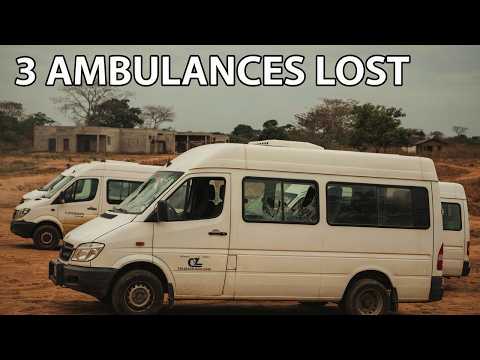 Update 8Congo Ebola Nears 5,000 Cases as Attack Cripples Response TeamsYou are here
 Update 9Congo Ebola Deaths Double Pace as Outbreak Outruns ResponseNewer
 Update 1016,000 Ebola Doses Land in Congo — For the Wrong StrainNewer
 Update 11Ebola Spreads to 60 Zones as Vaccine's Match QuestionedNewer
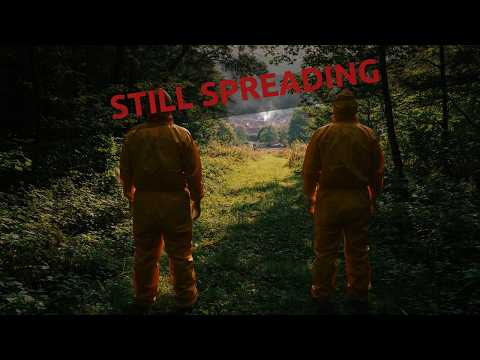 Update 123,000 Dead and No Vaccine: Ebola Outruns Help in Eastern CongoNewer
 Update 13Ebola fear keeps Congo families from maternity and child careNewer
 Update 14Two Ebola cases bring Congo’s outbreak to an eighth provinceNewer
 Update 15One nurse killed in attack on Congo Ebola respondersNewer
What changed since our last report
4 days later
Then
Congo Ebola Is Now the Deadliest in Its History — and Still GrowingStill open then
- No independently confirmed figures for Ituri's share of cases and deaths, treatment bed capacity, or contact-tracing coverage.
- No verified endpoint for geographic spread or final fatality rate as case counts continue to move.
We said we'd watch for
- Whether surveillance, isolation capacity and cross-border coordination can scale fast enough to bend the daily case count.
- Whether WHO's warning of surpassing the West Africa toll becomes a planning scenario or a revised forecast.
Now
Congo's Ebola outbreak has passed 5,000 cases and 2,300 deaths, centered in Ituri, as attacks on health workers and mistrust leave access — not medicine — as the limit.
Now established
- Outbreak reached 5,000 cases per government data reported August 19, 2026.
- Deaths were reported at 2,378 as cases crossed 5,000.
- 12 Red Cross volunteers injured and an ambulance burned across 11 incidents in 100 days.
5,000. That is the number Congo's health authorities reported this week, and it is the number that makes this Ebola outbreak different from every one that came before it in the country. Five thousand confirmed infections, with deaths now past 2,300, in an epidemic that is still accelerating three months after the World Health Organization declared it a global emergency. 2 9 10
The scale is hard to absorb until you place it against what containment is supposed to look like. Ebola is a virus that can be stopped with isolation beds, safe burials, contact tracing, and trust. In eastern Congo, all four are breaking down at once. The outbreak is outpacing response efforts at what the Associated Press describes as unprecedented speed, spreading into new areas even as the emergency designation remains in place and researchers chase experimental vaccines and treatments. 2 7 10
The death toll tells the second half of the story. One tracking report put fatalities at 2,378 as cases crossed the 5,000 mark, while other national and international updates put deaths at more than 2,300. 8 10 The difference is a matter of reporting cutoffs, not direction. Whichever count you use, this is now described as the deadliest Ebola outbreak in the Democratic Republic of Congo's history, driven by conflict, delayed detection, and mistrust in eastern Congo. 3
Ituri province is the epicenter, and Bunia is where the statistics acquire faces. On August 18, 2026, health workers buried 3-year-old Ebola victim Mave Mercienne there, one small grave in a province where field reporting has anchored the crisis for weeks. 2 4 9 Al Jazeera and CBC both identify the same pair of obstacles in that region: armed conflict and mistrust, forces that keep families away from clinics and keep teams from reaching villages. 3 5
An emergency that keeps spreading
On Tuesday, August 18, 2026, the WHO emergency committee met for the second time on this outbreak, three months after it was declared a public health emergency of international concern. 7 10 That designation, known as a PHEIC, is supposed to unlock money, attention, and coordination. It remains in place as cases surge and spread into new areas, with pursuit of experimental vaccines and treatments now part of the official response. 7 10
But the warning from the top of the organization was blunt. WHO Director-General Tedros Adhanom Ghebreyesus warned the outbreak is far from under control and spreading faster than any previous Ebola outbreak, with possible spillover into more countries. 11 The WHO describes the spread as moving at unprecedented speed, with armed conflict and lack of vaccines and treatment complicating the response. 5 In plain terms: the virus is moving faster than the system built to catch it.
What makes this emergency unusual is not just biology. Ebola in Congo has been seen before. What has not been seen at this tempo is the collision of a highly lethal pathogen with a war zone where health workers are treated as targets and where clinics themselves are feared. 3 5 Delayed detection allowed chains of transmission to grow unseen, and once they surfaced, containment ran into communities that had good reason to distrust outsiders in protective suits. 3
When responders become targets
The clearest measure of that breakdown comes from the Red Cross. In the 100 days since the outbreak was declared a global emergency, there were 11 violent incidents against Ebola responders, leaving 12 Red Cross volunteers injured and an ambulance set on fire, prompting condemnation from the organization. 6 Separately, doctors lit a fire outside the Ebola Treatment Centre in Ituri to protest delayed payment while treating patients without pay. 6
Those details matter because they explain why a case count keeps climbing even when the playbook is known. Losing vehicles, staff time, and safe access means fewer patients isolated, fewer samples transferred, and fewer contacts monitored. One analysis summarized the binding constraint as access, not the virus, pointing to attacks on ambulances, water shortages, and fear of clinics as the forces blocking the response. 8
Where
- 1Bunia, Ituri
- 2Ituri province, DR Congo
- 3Eastern DR Congo
The available reporting does not allow for precision about every reported roadside attack in Ituri in mid-August. What it does establish is a pattern, not a single incident: repeated strikes on people and vehicles that the response cannot afford to lose, in a province where insecurity already displaces farmers and severs the routes responders need. 6 8 The effect compounds. Each incident forces a recalculation about where teams can go, how long they can stay, and whether patients will come to them at all.
Known
Unknown
- Whether specific mid-August attacks in Aru and Mambasa territory occurred as described in early video narration, with exact numbers of ambulances, injuries, killings and abductions.
- The full extent of geographic spread beyond Ituri and the true infection toll given delayed detection and limited access.
Next
- Whether the second WHO emergency committee review unlocks vaccines, treatments and funding fast enough to match transmission.
- Whether protection and payment for front-line health workers stabilizes staffing at treatment centres.
The path forward, as outlined in the reporting, runs through the unglamorous work of emergency response: securing routes, paying staff, rebuilding trust so the sick seek care early, and testing new medical tools while the emergency remains in force. 6 7 10 None of that moves at unprecedented speed. The virus does. That mismatch is why 5,000 is not a peak to mark, but a warning to read.
Sources
11 sources10 outlets1 video1 wire copy
Al Jazeeraaljazeera.com1
Health Policy Watchhealthpolicy-watch.news1
HeyDay News11 video
KPCW | Listen Like a Localkpcw.org1
Medical Dailymedicaldaily.com1
The Monexusthemonexus.com1
Trending Newstvcnews.tv1
Source map
Follow the evidence behind this report. The map shows its connections; the links below open the sources cited in this article.
Source map loads as you read.
Revision log
- r1First published.