
テクノロジー · 行方不明ペットをめぐる詐欺
行方不明の犬、$10,000の懸賞金、そしてAI生成が疑われる偽画像
見知らぬ人物はWestyn Ruyterにアイリッシュ・ウルフハウンドの返還を約束し、その後、本人の話では、自身が捜索の呼びかけに使った写真を再利用した画像を送ってきた。支払いや犬の発見は確認されていない。
原語の動画
文字起こし · 読み込み中
英語の原文から翻訳されています。
ニュースの経過2日目
1 件のレポート15 社のメディア28 件の情報源
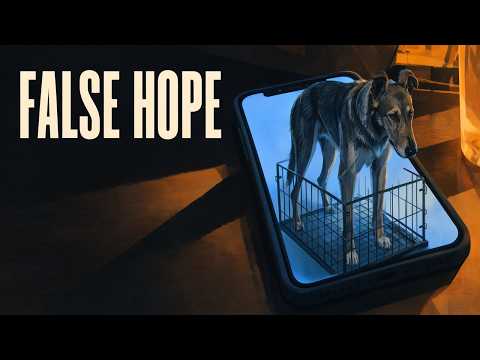
一瞬、Westyn RuyterはBundyが戻ってくるかもしれないと思った。見知らぬ人物が、行方不明になったアイリッシュ・ウルフハウンドを見つけたと言い、故郷の雑貨店で会うことを提案した。FacebookにA$10,000の懸賞金を掲示した後、彼は切望していたメッセージを受け取った。犬を連れて現れた人はいなかった。1
その後に届いたのは再会ではなく、写真だった。Bundyが檻の中にいるように見える写真だ。Ruyterによると、犬を探すために自分が投稿した写真そのものを誰かが使い、別の状況に置いたように見えたという。その後、送信者は返信をやめた。ABC Western Australiaが2026年10月27日に公開した記事で、Ruyterはそう語った。1
懸賞金は提示されたものであり、損失が発生したと記録されているわけではない。ABCは、Ruyterが見知らぬ人物に支払ったとも、その人物が金銭を要求したとも報じていない。彼の話から分かるのは、実現しなかった再会の約束がもたらした感情的な負担だ。1
「すごく希望が湧きました。本当に興奮していました」
提案された待ち合わせ場所は、具体的でなじみのある場所だった。西オーストラリア州のパースから南へ240キロにある、Ruyterの故郷Balingupの雑貨店だ。約束は、Bundyがどこかにいるというだけのものではなかった。Ruyterがそこへ行けば犬を受け取れるという話だった。犬を連れて誰も現れなかった後、彼は疑念を抱き、さらなる証拠を求めた。1
「檻の中にいる彼の写真を送ってきましたが、明らかにAIです」とRuyterはABCに語った。偽物に見えるボウル、犬の顔の前でぼやけた檻の格子、そして何より、自分がFacebookに投稿した写真だと気づいた点を挙げた。「ただ彼を箱の中に入れただけです」と述べた。1
これはRuyterの見立てであり、画像がどのように作られたかについて、独立した認証を経た判断ではない。どのソフトウェアが使われたのか、あるいは何らかのソフトウェアが使われたのか、また誰がアカウントを管理していたのかは、報道からは確認できない。しかし、彼の主な異議は、見た目の不自然さを見抜くことにとどまらない。呼びかけからコピーした写真なら、Bundyだと分かる姿を示すことはできても、送信者が実際に犬を保護していたことまでは示せない。1
捜索の呼びかけが詐欺の材料になるとき
オーストラリア競争・消費者委員会の全国詐欺対策センターは、行方不明のペットを捜している人々が詐欺師の標的になっていると述べている。ABCが報じた警告で、同センターは、見知らぬ人物が動物を保護した証拠のように見せるため、捏造した画像を使い、返還の見返りに金銭、ギフトカード、または暗号資産を要求する手口を説明した。1
「詐欺師は、緊急性が高い状況や精神的につらい状況につけ込みます」と同センターの広報担当者は述べた。これは、行方不明ペットの捜索につけ込む手段を表している。飼い主は急いで行動したいと考え、見つけたと主張する人物は不安を終わらせる方法を提示する。画像は、その約束を確認可能に見せるために使われる。1
より広範な詐欺について同センターが述べた内容を、Ruyterの体験に当てはめてはならない。彼のケースでは、そうした支払い方法を要求されたという事実は確認されていない。また、入手可能な公式統計から、AI画像を使った行方不明ペット詐欺に限定した件数や被害総額を明らかにすることもできない。ペット詐欺全般や詐欺全体の数字は、別の事柄を測るものだ。1 11 16
弱点は、飼い主が秘密を守れなかったことではない。情報を広めることは、呼びかけの目的である場合が多い。写真があれば、ほかの人も動物を見分けられる。場所が分かれば、近隣の人も捜索先を知ることができる。しかし、同じ情報があれば、悪意ある見知らぬ人物も詳細を繰り返し、あたかも自分で突き止めたかのように装うことができる。
エディス・コーワン大学のサイバーセキュリティ実務教授、Paul Haskell-DowlandはABCに、詐欺師はコミュニティーグループを検索して個人情報を集めると語った。同氏は、AIや自動情報収集ツールによって、過去3~4年で相手個人に合わせた接触が可能になってきたと述べた。これは能力の変化についての同氏の見解であり、この種の詐欺が実際に増加したことを測定したものではない。1
「詐欺はもはや私たちには無関係に見えるものではなくなり、今では本物らしさを強く感じさせる」と同氏は述べた。同氏は、切羽詰まった状況でも、オンラインで何を共有するかについて一層慎重になるよう呼びかけた。この助言は難しいバランスを示すもので、行方不明ペットの投稿向けの具体的なチェックリストでも、公開捜索をやめるよう求めるものでもない。1
見覚えのある画像は確認の証拠にならない
Scamwatchの一般的な指針は、送金や個人情報の提供の前に立ち止まり、支払いを受け取る相手が本当に名乗っている人物かどうかを確認することだ。同機関のAIに関する注意喚起では、技術によって詐欺がより説得力を持ち、個人に合わせたものになり得るとし、相手に合わせて作られたように見える証拠もその一例に挙げている。これらは一般的な予防策であり、ペットに特化した確認手順ではない。22 21 20
行方不明のペットを捜す飼い主にとって重要なのは、その動物を見分けることと、送信者の主張を確認することを区別する点だ。見覚えのある犬が写った写真は、メッセージを非常に個人的なものに感じさせる。しかし、それだけでは送信者が犬を見つけたことも、犬を返せることも証明できない。
入手可能な報道では、Bundyが見つかったかどうかは確認されておらず、送信者からその後連絡があったかどうかも分かっていない。Ruyterの話は写真と沈黙で終わっており、犬が戻ったことや金銭的な損失が確定したことでは終わっていない。その約束によって、一時は帰宅が実現するように思えた。写真はそれを現実にはしなかった。1
放送時の内容 15行
- A stranger promised to return Bundy, but nobody arrived with the missing dog.
- Westyn Ruyter offered ten thousand Australian dollars to bring home his missing Irish wolfhound. Then someone sent a photograph he identified as an AI fake. Australia's anti-scam authorities warn that missing-pet appeals are giving scammers an opening.
- What made the stranger's promise believable, and what finally broke it?
- Balingup is 240 kilometres south of Perth. It's Ruyter's hometown, and the stranger proposed meeting at a general store there. The message offered something he desperately wanted: a chance to take Bundy home.
- Ruyter had put the reward on Facebook after Bundy disappeared. Someone soon contacted him, claiming to have found the dog. Ruyter described his reaction this way: “It gave me so much hope. I was that excited.” But nobody showed up with Bundy, and he asked for further proof.
- The Facebook reward brought a claimed discovery and a proposed meeting. The no-show prompted Ruyter to ask for proof. He says the stranger sent a picture apparently showing Bundy in a crate, then stopped replying. That photograph deepened his doubts.
- Ruyter recognised what he believed was his own Facebook photograph inside the new image. He said the bowl looked fake and the cage blurred across the dog's face. His conclusion was blunt: “They just sent me a photo of him in a crate, and it's obviously AI.” That's his assessment of the picture.
- He said the sender had taken the exact picture he'd shared to help find Bundy and put the dog inside a box. The familiar animal made the image personal. But recognising the dog didn't prove that the sender actually had him.
- The National Anti-Scam Centre says scammers are targeting people searching for missing pets. Its spokesperson described the pressure behind the approach: “Scammers exploit situations that are urgent or emotionally distressing.” A promised reunion gives the stranger a way to exploit that urgency.
- The centre says scammers use AI-generated pictures to claim they possess a missing pet. They then demand money, gift cards or cryptocurrency for its return. The picture supplies apparent proof, while the owner's desire to recover the animal supplies the pressure to act.
- Ruyter's ten thousand dollars was the reward he offered. We don't know whether the sender ever demanded money or received any. What he described was a surge of hope, a failed reunion and another painful setback. The wider warning explains how that same emotional pressure can become a demand for payment.
- Cybersecurity professor Paul Haskell-Dowland says scammers search community groups for sensitive information. At Edith Cowan University, he describes AI and automated information-gathering tools making approaches more personal over the last three to four years. Details people recognise can make a deception feel authentic.
- That's his assessment of how the tools are changing. He urges people to be more careful about what they share online, even when they're desperate. Owners face a difficult tension. A photograph and personal details can help a community recognise a missing animal. Those same details can help a stranger construct a believable message about it.
- General scam guidance is to pause before handing over money or personal information, and check who you're dealing with. Official AI guidance also warns about cloned voices, personalised messages and deepfake images. The National Anti-Scam Centre encourages people targeted by AI scams to report them.
- A familiar-looking photograph alone couldn't show that this stranger had Bundy. Ruyter's doubts grew when the promised reunion failed and the picture appeared to reuse his own appeal. We still don't know whether Bundy has since been found or whether the sender contacted Ruyter again.
情報源
28 件の情報源15 社のメディア1 件の配信記事
Australian Competition and Consumer Commissionaccc.gov.au5
ABC Western Australiaabc.net.au2最初
animalcareaustralia.org.au1
AU Nowaunow.news1
Australiaeuropesays.com1
Bluesky Socialbsky.app1
Coast Heraldcoastherald.com1
Dagensnyttdagensnytt.com1
Green Adelaidesa.gov.au1
KhanListkhanlist.com1
KioskNewskiosknews.app1
UA.NEWSua.news1
情報源マップ
この報道の根拠をたどります。マップで情報のつながりを確認し、下のリンクから記事で引用された情報源を開けます。
記事を読む間に情報源マップを読み込みます。
翻訳更新:
改訂履歴
- r1初公開。