سياسة · الحقوق الانتخابية في الهندقصة متواصلة · التقرير 4 من 4
قادة احتجاجات الحقوق الانتخابية في الهند يواجهون الحبس خمسة أيام بانتظار نظر المحكمة
يسلط تجدد الاحتجاز في جانتار مانتار الضوء على الفجوة بين الحماية القضائية وإمكانية الاحتجاج عمليًا، فيما يستدعي العدد الهائل للأسماء المستبعدة من قوائم الناخبين صياغة حذرة.
الفيديو بلغته الأصلية
النص المفرّغ · جارٍ التحميل
مترجم عن الأصل الإنجليزي.
قصة متواصلةاليوم 88
4 تقارير117 وسيلة إعلامية290 مصدرًا15 فيديو
القصة كاملة- لا أحداث مؤرخة بعد
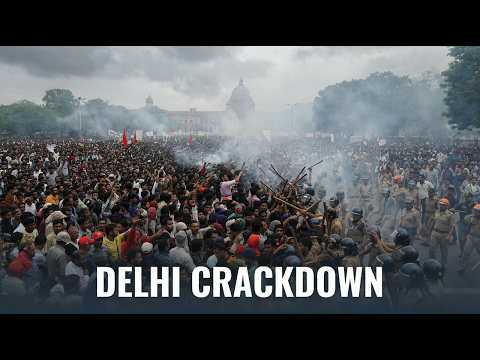 التحديث 1أكثر من 50 مصابًا و100 محتجز بعد أن سحقت شرطة دلهي مسيرة حزب كوكروتش جانتا إلى البرلمان
 التحديث 2156 حالة تسريب لأوراق امتحانات، و«صفر إدانات»: كيف وصل انتفاض طلابي إلى عتبة باب رئيس الوزراء
 التحديث 3أُعيد فتح مترو دلهي. لكن المحكمة العليا لا تزال تطالب بإجابات.
 التحديث 4قادة احتجاجات الحقوق الانتخابية في الهند يواجهون الحبس خمسة أيام بانتظار نظر المحكمةأنت هنا
ما تغير منذ تقريرنا الأخير
بعد 3 أيام
الآن
يسلط تجدد الاحتجاز في جانتار مانتار الضوء على الفجوة بين الحماية القضائية وإمكانية الاحتجاج عمليًا، فيما يستدعي العدد الهائل للأسماء المستبعدة من قوائم الناخبين صياغة حذرة.
ما ثبت الآن
- أُعيد تحديد جلسة النظر في حملة القمع للاحتجاجات إلى 15 أكتوبر؛ ولم يثبت صدور قرار نهائي بإدانة بازدراء المحكمة.
بدأت حركة «كوكروتش» الشبابية في الهند التعبئة بشأن التعليم وتسريبات الامتحانات والفساد، ثم وسّعت تحديها ليشمل النظام الانتخابي. والآن بات الصراع على حق التصويت مرتبطًا ارتباطًا لا ينفصم بالمكان الذي يُسمح للناس بالاحتجاج فيه: فقد أُودع زعيمان، هما سوراف داس وأشوتوش رانكا، الحبس القضائي خمسة أيام في 14 أكتوبر 2026، بعد دخولهما ساحة الاحتجاج في جانتار مانتار، نيودلهي. 56 245
في تقريرنا الصادر في 12 أكتوبر، وصفنا توجيهات المحكمة العليا التي تحمي التنقل القانوني وإمكانية الوصول إلى وسائل النقل والتجمع السلمي، إلى جانب إخطارات بازدراء المحكمة تطالب المسؤولين بتفسير حملة القمع خلال عطلة نهاية الأسبوع. وأُجّلت الجلسة اللاحقة التي كانت متوقعة في 13 أكتوبر بسبب وعكة صحية ألمّت بالقاضية في. موهانا. ومُنح المسؤولون مهلة حتى مساء 14 أكتوبر للرد، مع إرسال نسخ إلى محامي مقدمي الالتماسات؛ ونُقلت الجلسة إلى 15 أكتوبر. ولم تتأكد أي نتيجة لتلك الجلسة. 15 237 238
الحقائق الأساسية
احتجاز جديد، لا إدانة
يحتاج التسلسل الزمني إلى تصحيح. فقد استنتج تقرير أولي أن المحتجين دخلوا جانتار مانتار في 12 أكتوبر. لكن تقارير أكثر تحديدًا تضع الدخول والاحتجاز في 13 أكتوبر، أي بعد يوم من إلغاء الشرطة صفة الموقع كساحة للتجمعات. واحتُجز 14 شخصًا: داس ورانكا وأجينكيا شيندي، زعيم حزب «كوكروتش جانتا» الآخر، إضافة إلى 11 متطوعًا، وليس ثلاثة زعماء و14 متطوعًا. وتزعم الشرطة أنهم تسلقوا البوابات أو الحواجز ودخلوا من دون تصريح. 263 266 248
مثل داس ورانكا أمام قاضي الصلح التنفيذي الخاص في مركز شرطة ماندير مارغ قرابة الساعة 8:30 صباحًا في 14 أكتوبر. وأمر القاضي بإيداعهما الحبس القضائي خمسة أيام، مع تحديد سجن تيهار وجهةً لهما. وتعلل القرار بسلوك متوقع، وهو أن الإفراج عنهما قد يؤدي إلى مزيد من المخالفات وتحريض آخرين. وهذه إجراءات اعتقال وقائي وحبس على ذمة التحقيق، وليست إدانة مثبتة بعد محاكمة جنائية. ولم يُتحقق من الإفراج عنهما لاحقًا أو من تاريخ محدد لانتهاء فترة حبسهما. 264 246 243
لا يزال وضع شيندي موضع خلاف. فقد أفادت Moneycontrol بأن القادة الثلاثة جميعًا أُودعوا الحبس خمسة أيام، بينما وصف تقرير لهندوستان تايمز في 15 أكتوبر، على نحو عام، ثلاثة أعضاء بأنهم سُجنوا. أما تقارير تايمز أوف إنديا التي تناولت الأفراد على حدة في 14 و15 أكتوبر، فتميز بين شيندي الذي أُخلي سبيله بضمان، وداس ورانكا اللذين أُودعا الحبس القضائي. وفي غياب الأمر الكامل، لا تزال شروط ضمانه ومكان وجوده غير محسومين. 247 250 246 243
هذا احتجاز متجدد، وليس احتجازًا متواصلًا منذ عطلة نهاية الأسبوع. وكما أوردنا سابقًا، أُفرج عن داس ورانكا في 11 أكتوبر مع أبهجيت ديبكي بعد إجراءات في كانتونمنت دلهي. وذكرت الشرطة كفالة قدرها ₹50,000 وشرطًا لمدة عام بالحفاظ على السلام وحسن السلوك. ونفى ديبكي توقيع تعهد بعدم الاحتجاج، وهو نفي أضيق من رفض كل شروط الكفالة. وشيندي، لا ديبكي، هو الزعيم الثالث المذكور في الواقعة الجديدة. 163 166 248
حظرت توجيهات المحكمة العليا الصادرة في 11 أكتوبر الاحتجاز غير القانوني، وحمت التجمع السلمي غير المسلح خارج المناطق الخاضعة للقيود بموجب المادة 163. كما أوجبت التنقل القانوني، واستمرار عمل المترو والسكك الحديدية على نحو طبيعي مع مراعاة متطلبات النظام العام، وتشغيل خدمات الإنترنت وفقًا للقانون، ومراجعة الحواجز غير المبررة، وحماية الصحفيين والمحامين أثناء أداء عملهم. ولا تجعل تلك الحمايات كل احتجاز غير قانوني، ولا تثبت أن المسؤولين ازدروا المحكمة. 15 21
حق الاحتجاج يحتاج إلى مكان صالح للاستخدام
أدى إلغاء صفة موقع للتجمعات عن جانتار مانتار إلى تغيير الشروط العملية للتجمع. وأعلنت الشرطة ثلاثة مواقع بديلة، لكن أسماءها ومدى توافرها وشروط الحصول على التصاريح فيها لم يُتحقق منها، كما لم يُتحقق من الأداة القانونية الدقيقة التي تستند إليها هذه الخطوة. وتعهد راهول غاندي في 14 أكتوبر بـ«استعادة» جانتار مانتار. وهذا التزام سياسي، وليس قرارًا مثبتًا بإعادة الموقع إلى دوره الاحتجاجي. 1 251 268
ولا يزال السؤال المتعلق بالتصريح بلا إجابة. ففي 12 أكتوبر، قال حزب «كوكروتش جانتا» إنه سيسعى للحصول على موعد توافق عليه الشرطة، وسيعلن عن دعوة جديدة للاحتجاج إذا لم يُحدَّد موعد خلال 24 ساعة. ولم يثبت وجود موعد مؤكد أو تاريخ معتمد، ولا تنفيذ موثق بوضوح للتهديد المشروط. ولم يكن الإعلان نفسه عن تظاهرة مقررة. 10
أغلقت السلطات ست محطات مترو لأسباب أمنية قبل مسيرة المعارضة في 12 أكتوبر، وأعلنت قيودًا مرورية أو تحويلات في 20 موقعًا. وكانت إغلاقات المحطات الست قيدًا جديدًا، منفصلًا عن المحطات الـ45 التي تأثرت خلال عطلة نهاية الأسبوع السابقة. ولم يُتحقق من أسماء المحطات التي أُغلقت يوم الاثنين، أو مدة الإغلاق، أو أوقات إعادة فتحها. وبما أن المحكمة سمحت بفرض قيود قانونية لحفظ النظام العام، تثير الإغلاقات مسألة امتثال، لكنها لا تثبت وحدها وقوع ازدراء للمحكمة. 10 72 15
ولا يزال حجم المسيرة موضع خلاف. فقد أفادت NPR في 12 أكتوبر بأن آلافًا ساروا نحو المحكمة العليا؛ بينما وصف تقرير تلفزيوني لبلومبرغ في 13 أكتوبر مئات المشاركين في الموكب بوسط دلهي. ولم يحدد أي من التقريرين نطاقًا مشتركًا للعدّ يوفّق بين التقديرين. وطالب المشاركون بوقف المراجعة الخاصة المكثفة للقوائم الانتخابية، واستقالة رئيس مفوضية الانتخابات جيانش كومار. 1 8
تصف التقارير ما قدمته المعارضة بأنه التماس أو مذكرة، لكن لم يثبت إيداعه رسميًا لدى قلم المحكمة أو قبوله أو إدراجه على جدول الجلسات. ويقول رواية حزب المؤتمر، التي أوردتها صحيفة الغارديان، إن رئيس المحكمة العليا سوريا كانت رفض طلبًا للاجتماع ووجّه الوفد إلى اللجوء إلى الإجراءات القضائية. ورفض الاجتماع ليس حكمًا برفض الادعاءات الانتخابية؛ كما أن القضية المتعلقة بفرض قيود على الاحتجاجات ليست حكمًا بشأن صحة المراجعة. 1 10 241
ما الذي يقيسه رقم الناخبين الهائل؟
يستدعي الرقم الذي يؤجج المواجهة تمييزًا واضحًا بالقدر نفسه. ويسجل تجميع «أوف ذا رول» الصادر عن ImpactMojo في 14 أكتوبر 133,903,307 أسماء مستبعدة من مسودات القوائم في 31 ولاية وإقليمًا اتحاديًا. لكنه لا يثبت حذف 133.9 مليون اسم نهائيًا على نحو غير صحيح، ولا استبعاد هذا العدد من الأشخاص المؤهلين الفريدين، ولا الإدلاء بأصوات ثم إلغائها. وكانت الأوصاف السابقة التي تحدثت عن إزالة أكثر من 130 مليون ناخب من السجل قطعية أكثر مما ينبغي بشأن ما يقيسه هذا الرقم. 234 253
يجمع التقرير بيانات من تواريخ ومراحل مختلفة للمراجعة؛ و14 أكتوبر هو تاريخ صدوره، وليس تاريخًا موحدًا لنشر المسودات على مستوى البلاد. ولم يُعَد بناء المجموع الوطني أو التحقق مما إذا كان يحتسب كل شخص مرة واحدة فقط بصورة مستقلة. أما الأسباب المسجلة، ومنها الغياب والانتقال والوفاة وتعدد التسجيل، فهي تصنيفات إدارية وليست تحققًا مستقلًا من صحة كل حالة استبعاد. 234 255
تساعد العملية على فهم كل من دفاع السلطات ومكامن الخطر. إذ يجمع موظفو مستوى مراكز الاقتراع استمارات حصر الأسر؛ وتُدرج الاستمارات المعادة في مسودة القائمة، بينما تُحذف منها الأسماء المرتبطة باستمارات لم تُعَد. وتوفر الاستمارة 6 مسارًا للإدراج، والاستمارة 7 مسارًا للاعتراضات. وتنفي مفوضية الانتخابات وحزب رئيس الوزراء ناريندرا مودي، بهاراتيا جاناتا، التلاعب، ويقولان إن المراجعة تزيل الأسماء المكررة وغير المؤهلة. وتزعم أحزاب المعارضة أن الناخبين المؤهلين، ولا سيما المسلمين والأقليات الأخرى، يُستبعدون بنسب غير متكافئة. ولم يثبت إجمالي الاستبعادات الخاطئة أو وجود تفصيل ديموغرافي موثوق. 256 7 10
أُفيد بحلول 2 أكتوبر عن حملة خاصة للإدراج؛ ووصف تقرير منشور في 7 أكتوبر تنفيذها في 20 ولاية اكتملت فيها المراجعة، باستخدام الاستمارة العادية 6 من دون الإقرار الإضافي الخاص بالمراجعة المكثفة الخاصة. وقد يكون ذلك سبيلًا مهمًا للإنصاف، لكن لا تتوافر أرقام عن حالات إعادة الإدراج المكتملة. ووجود مسار لتقديم الطلبات لا يثبت أن المؤهلين استعادوا تسجيلهم في الوقت المناسب للتصويت. 257 258
يجب إبقاء أرقام المرحلة الثانية السابقة منفصلة: فقد تحدثت تقارير أبريل عن نحو 72 مليون حذف إجمالي وأكثر من 20 مليون حالة إدراج في 12 ولاية وإقليمًا، ما أسفر عن انخفاض صافٍ بنحو 52 مليونًا. وقد تشمل حالات الإدراج تسجيلات جديدة إلى جانب إعادة أسماء. ولا يجوز جمع هذه الأرقام مع إجمالي الأسماء المستبعدة من مسودات القوائم لشهر أكتوبر، الأوسع نطاقًا، أو اعتبارها استبعادات خاطئة مثبتة. 236 230
وثمة مخاوف محددة تتعلق بالحوكمة تتجاوز الرقم الرئيسي. فقد حدد تحقيق أجرته صحيفة إنديان إكسبرس 14 ملاحظة أو اعتراضًا مسجلًا على مدى عشرة أشهر من المفوضين سوخبير سينغ ساندو وفيڤيك جوشي. وقالت المفوضية إنها اقتراحات وإن القرارات اتُّخذت بالإجماع. ومن الممكن أن تتعايش المخاوف الداخلية والقرارات المتخذة رسميًا بالإجماع. ويترك غياب الملاحظات والسجلات الكاملة للقرارات أسئلة إجرائية بلا حسم؛ لكنه لا يثبت وجود توجيه سياسي لكل حذف محل نزاع. 229 227 233
ما نعرفه
ما لا نعرفه
- لا يزال لا يوجد سجل موحّد لاحتجازات عطلة نهاية الأسبوع أو إجمالي موثّق للمحتجزين في مراكز الاحتجاز.
- لم يثبت الامتثال الشامل بشأن الحواجز والخدمات وإمكانية وصول المهنيين. ولا يزال التوقيت المسجل لتقرير الصحفي الميداني السابق غير متحقق منه؛ كما لم يظهر أي استنتاج جديد مدعوم بأدلة بشأن مزاعم المضايقة.
ما يأتي لاحقًا
- ما إذا كانت تفسيرات المسؤولين ورقابة المحكمة ستؤديان إلى إتاحة قانونية عملية للنقل والاتصالات والتجمع السلمي.
يتطلب النزاعان إجابتين مختلفتين. فالتدقيق الانتخابي يجب أن يحدد من استُبعد خطأً وما إذا كانت سبل الإنصاف قد نجحت. أما التدقيق في الحريات المدنية فيجب أن يحدد ما إذا كان الناس قادرين على الاعتراض على العملية قانونيًا من دون عرقلة أو احتجاز غير مبرر. ولا يمكن حسم أي من السؤالين بالإشارة إلى ضمانات مكتوبة. فكلاهما يتوقف على ما إذا كانت تلك الضمانات تنجح في حماية من يحتاجون إليها.
كما بُثّ 43 سطرًا
- On October 12, we reported protest protections. Now two leaders face five days’ custody. India’s confrontation reaches both access to the ballot and the freedom to demonstrate. The unresolved question is whether the court’s protections give protesters usable access while the electoral dispute continues.
- Police removed Jantar Mantar’s designation as a rally venue on October 12. Protesters entered the following day, and police detained 14 people. Saurav Das and Ashutosh Ranka received their custody orders on October 14, with Tihar jail named as their destination.
- The entry and detentions happened on October 13. The earlier October 12 date needs correcting. The group included three Cockroach Janta Party leaders, Das, Ranka and Ajinkya Shinde, alongside 11 volunteers. Police allege they climbed gates or barricades and entered without permission.
- A Special Executive Magistrate at Mandir Marg Police Station ordered Das and Ranka held for five days. The stated concern was that release could lead to further violations and instigation of others. The proceedings concerned preventive detention and anticipated conduct.
- Shinde’s status is disputed. He’s been described both as jailed and as placed under a peace bond. His conditions and whereabouts haven’t been explained. Das and Ranka haven’t been reported released, and the five-day description doesn’t give a confirmed release date.
- Das and Ranka had already been released on October 11, alongside Abhijeet Dipke. That earlier proceeding took place before a magistrate at Delhi Cantonment. Shinde is the third leader named in the new incident. Dipke was the third in the earlier one.
- Police described the earlier release conditions as a 50,000-rupee surety and one year of peace and good behaviour. Dipke denied signing an undertaking not to protest. His denial leaves the separate police account of a peace bond unresolved.
- Opposition supporters marched toward the Supreme Court on October 12 demanding a halt to the voter-roll revision. Crowd estimates range from hundreds in the central-Delhi procession to thousands marching toward the court. There’s no common counting boundary that reconciles them.
- Protesters want Chief Election Commissioner Gyanesh Kumar to resign. Rahul Gandhi described the campaign as a defence of the constitution, while Congress called it a fight against “vote theft.” Opposition leaders sought to put alleged electoral irregularities before the court.
- Congress says Chief Justice Surya Kant declined its request for a meeting and directed the delegation toward judicial proceedings. The electoral allegations await judicial consideration. The court proceedings examining protest restrictions concern a separate issue.
- The Supreme Court’s October 11 directions protected lawful movement and peaceful, unarmed assembly outside restricted areas. They required normal Metro and rail operations, subject to lawful public-order needs, and internet services operating in accordance with law.
- The court also ordered authorities to prevent illegal detention, review barricades and protect journalists and lawyers doing their jobs. Those protections leave room for lawful restrictions. Judges still have to examine whether particular measures crossed the line.
- Authorities closed six Metro stations before Monday’s march and announced traffic restrictions or diversions at 20 locations. Police also announced three alternative rally sites after removing Jantar Mantar’s designation. Whether those alternatives offer protesters usable access still needs explaining.
- The six station closures were a fresh October 12 restriction. Over the preceding weekend, entry and exit restrictions had affected 45 of the Metro’s 303 stations for about 25 hours. Those stations reopened late on October 10, before Sunday’s court hearing.
- Weekend detention estimates ranged from around 2,000 to more than 7,000, without a reconciled roster. More than 20,000 police personnel were deployed in central Delhi. That deployment figure counts officers. It can’t resolve how many protesters were detained.
- The government said most detainees had been released by about six that Saturday evening. That left the status of others unclear. The separate claim of 45 detention centres remains unconfirmed; the established 45-location figure concerns affected Metro stations.
- A separate mobile-internet restriction was scheduled within four kilometres of the Janpath–Kartavya Path crossing. It ran from ten at night on October 9 until the same time on October 10. Its actual reach was disputed.
- The scheduled internet restriction and the district’s assembly restrictions covered different things. There’s no measured larger internet footprint, or confirmed fresh blackout after Sunday’s directions. Developer Rahul Kumar estimated that more than 200 protesters used a Bluetooth mesh messaging app.
- That app passes messages between nearby devices. Kumar’s user estimate hasn’t been independently measured, and it doesn’t show that the app maintained communications throughout the restricted area. Protesters’ practical ability to communicate remains part of the access dispute.
- The youth movement had mobilised by July over education, entrance-examination leaks and corruption. Its demands broadened to electoral reform. Organisers have sustained repeated demonstrations and say they’ll continue until the election chief resigns.
- Researcher Arushi Svasta estimated more than 450 demonstrations across 26 states and union territories since September 23. That estimate, and her description of the protests as peaceful, are disputed. It isn’t a settled national protest count.
- Across 31 states and union territories, the draft-roll tally reaches 133.9 million names. Claims and appeals can change those rolls. How many eligible people ultimately lost their place on the final register remains unknown.
- Earlier descriptions of 130 million people removed from the register overstated what that number tells us. It counts draft-stage omissions across different revision dates. It also remains unclear whether the total counts each person only once. The tally concerns registration entries before voting.
- Bihar’s draft record dates to August 1, 2025. It lists 78.9 million electors before revision and 6,559,626 draft-stage removals. October 14 is the national compilation’s report date. The states didn’t all publish their drafts together.
- Among entries classified by reason, 71.5 percent were marked shifted, absent or other. Another 20.9 percent were marked dead, and 7.6 percent enrolled more than once. Those are administrative labels. Their accuracy hasn’t been checked person by person.
- Those percentages cover reason-classified entries, rather than necessarily the entire national tally. The same compilation estimates that rolls previously covered 98.3 percent of adults in 19 states with population projections. That broad coverage estimate can’t decide any individual’s eligibility.
- Booth-level officers visit households and collect enumeration forms. Returned forms feed the draft roll, while names tied to unreturned forms are left off it. Voters can seek inclusion through Form 6. Form 7 is used for objections.
- The Election Commission and Narendra Modi’s BJP deny manipulation. They say revision removes duplicate and ineligible names, and wrongly deleted voters can re-enrol. Opposition parties allege eligible voters, especially Muslims and other minorities, are being removed to benefit the BJP.
- The number of eligible people wrongly excluded, and a reliable demographic breakdown, remain unresolved. A special inclusion drive was described by October 2. By October 7, it covered 20 states where revision was complete, using ordinary Form 6 without the extra revision declaration.
- The earlier Phase II exercise recorded about 72 million gross deletions and more than 20 million inclusions. Together, those changes produced a net reduction of about 52 million. Some inclusions may have been new enrolments, so they can’t all be counted as restorations.
- That phase began on October 27, 2025, across nine states and three union territories, with roughly 510 million electors. Its net reduction was 10.2 percent. Those figures describe a different stage and geography from October’s national draft tally.
- Uttar Pradesh’s Phase II net reduction was 20.4 million. A narrower category, removals following Form 7 objections and adjudication, totalled 6,316,000 across the phase. West Bengal accounted for 3,315,000 of those removals.
- Adding those measures to the national draft tally would mix different populations and stages. The inclusion drive offers a way back onto the rolls, but nobody has supplied a completed total showing how many eligible voters recovered access in time to vote.
- Inside the Election Commission, two commissioners recorded concerns 14 times over ten months. The Commission called those notes suggestions and said its decisions were unanimous. Recorded disagreement during deliberations can coexist with a formally unanimous final decision.
- Sukhbir Singh Sandhu and Vivek Joshi raised the concerns. The Commission initially didn’t dispute the notes’ existence, dates or contents. It later repeated that revision decisions were unanimous and said proposed digital initiatives would receive further discussion and checks.
- The Commission still faces questions about who changed Form 6 and who filed appeals in West Bengal. It also hasn’t explained why the full Commission didn’t meet from May to August. Those procedural questions remain separate from proving political direction of individual deletions.
- Svasta also cited 2.7 million West Bengal removals and said 90 percent of challengers were restored after the election. Those claims remain disputed, with the relevant dates and population unclear. The separate Form 7 total measures a specifically defined removal category.
- For Uttar Pradesh ahead of its 2027 election, she cited 8.8 million additions and 7.1 million online applications. She said information was unavailable for another 1.7 million additions. Those figures are disputed. Online applications alone don’t capture every possible route onto the rolls.
- Connaught Place reopened on October 12 after a weekend security closure. Traders said customers remained scarce. One complained about wasted time and a declining economy. That describes a trader’s experience; there’s no quantified sales loss attached to it.
- Members of Montreal’s Indian diaspora gathered at Norman Bethune Square in solidarity. They condemned what they called state violence and urged Canada to prioritise human rights in its dealings with India. A Canadian trade mission had been scheduled to begin October 12.
- Organisers in Delhi said they would seek a police-approved date for peaceful protest. Their October 12 warning promised another protest call if no date came within 24 hours. Police haven’t announced an approved date in these developments.
- Gandhi vowed on October 14 to “reclaim” Jantar Mantar. The venue’s protest designation hasn’t been restored. Protesters have judicial protections for lawful assembly, but they’re still confronting new closures, the loss of their established rally venue and renewed detention.
- Justice V. Mohana’s illness delayed the October 13 hearing. Officials received until the evening of October 14 to answer contempt notices, with copies going to petitioners’ lawyers. The court hasn’t issued a final contempt finding. Its follow-up hearing is scheduled for October 15.
المصادر
268 مصدرًا112 وسيلة إعلامية13 فيديو2 نصا وكالة
India Todayindiatoday.in13
- أول نقل
- Delhi metro shutdown protest: Supreme Court sees prima facie contempt, seeks replies
- Supreme Court Delhi protests: Keep Metro, internet normal, no illegal detentions
- SIR protests Delhi: CJP widens agitation after release, Supreme Court bars illegal detention
- CJP protest Delhi: Supreme Court warns against illegal detentions, keeps Metro open
- No barricades unless warranted, metro to run normally: SC to govt amid CJP stir
- Peaceful protesters shall not be illegally detained: Supreme Court’s big order amid Delhi protest curbs
- Supreme Court Delhi protests order: No illegal detention, Metro and internet normal
- Supreme Court march: Opposition protests vote theft, seeks Gyanesh Kumar resignation
- Supreme Court Delhi metro protest: contempt plea, habeas petition heard in special sitting
- Delhi metro shutdown protest: Supreme Court sees prima facie contempt, seeks replies
- Supreme Court Special Hearing Live: SC says barricades should be removed across Delhi, internet can't be shut
- Collegium recommends 4 chief justices, senior advocate V Mohana for elevation to Supreme Court
- SC notice to government, Delhi Police and DMRC over protest curbs, detentions
The Times of Indiaindiatimes.com12
- أول نقل
- From peaceful protests to free movement: 9 directions SC issued amid CJP stir in Delhi | India News
- Another showdown in Delhi? INDIA bloc to hold protest over CEC; CJP gives 24-hour ultimatum - Times of India
- Delhi Jantar Mantar protest: Section 163 in force, 11 Metro stations closed, traffic curbs announced; what commuters need to know - Times of India
- 'No illegal detentions, restore internet, metro services': Supreme Court after Delhi protest crackdown - top quotes | India News
- 'Not for snooping': Solicitor General Tushar Mehta defends Jantar Mantar videography in Delhi high court amid surveillance row | Delhi News
- Govt orders internet shutdown within 4-kilometer radius of Janpath–Kartavya Path ahead of anti-CEC protest - Times of India
- CJP's 'Jantar Mantar 2.0': Delhi Police releases all detainees except party leaders, legal process to follow - Times of India
- Under fire, EC orders special drive to add genuine electors 'left out' during SIR | India News
- Net deletions due to SIR 5.2cr (10%) in 12 states/UTs; 2 crore included in Phase 2 | India News
- Delhi Metro Curbs: Supreme Court Postpones Delhi Metro Hearing Amid Protests, ETGovernment
- Saurav Das, Ashutoh Ranka sent to 5-day custody; if released on bail, they will violate law, instigate others: Court | Delhi News
- 'Obstructed cops, social media instigation': Delhi Police on why CJP leaders were sent to Tihar jail | India News
Hindustan Timeshindustantimes.com11
- أول نقل
- No illegal detention of protesters in Delhi; metro, internet to run normally: Supreme Court | India News
- Section 163 imposed in parts of New Delhi ahead of CJP's Parliament march: What it means and what's prohibited | India News
- Delhi police register 20 FIRs over Jantar Mantar protest attempts | India News
- 'Asked to call my parents at 3.30 am': Dipke refutes cops’ claim after video shows him refuse offer to return home | India News
- Abhijeet Dipke heads back to village after grandmother's death following release from detention: 'CJP won't back down' | India News
- Contempt plea in SC over Delhi Metro, rail curbs; home secretary, Delhi Police chief named | India News
- Election Commission presents united front in face of mounting criticism | India News
- Judge unwell, Supreme Court defers hearing on Delhi protest crackdown till Thursday | India News
- CJP's Saurav Das, Ashutosh Ranka sent to 5-day judicial custody day after entering Jantar Mantar | India News
- CJP, Congress push to restore protests at Jantar Mantar amid arrest of leaders | India News
- 'Presumption that accused might commit crime': Why court sent Saurav Das, Ashutosh Ranka to 5-day judicial custody | India News
X (formerly Twitter)x.com11
- أول نقل
- PUBLIC ADVISORY In view of reports of a proposed march to Parliament by CJP on 20.07.2026 (Monday), Delhi Police hereby categorically clarifies that no permission has been sought or granted for any such protest march/procession. Prohibitory order under Section 163 BNSS (erstwhile section 144 CrPC) is in force in the New Delhi District. *Accordingly, protest marches, processions, demonstrations and assemblies of five or more persons are strictly prohibited*, except at the designated protest site at Jantar Mantar, with prior permission. As Parliament session is commencing from 20 July, strict security arrangements are in place to ensure public safety, security of protectees, and the protection of vital government installations. Any person violating these prohibitory orders shall be liable for prosecution under Section 223 BNS and other applicable provisions of law. Delhi Police appeals to all citizens to respect the law, refrain from participating in any unauthorised gathering or marc...
- Fact: https://x.com/OnlyFactIndia/status/2108828267960730105?s=20
- NEW | Scenes from the ground at the CJP protest in Delhi. Video by @Vedaant_Lakhera
- Follow the live updates here: https://thewire.in/rights/jantar-mantar-2-0-live-women-journalists-allege-sexual-harassment-during-protest-aisa-calls-for-citizens-march
- Delhi Police protest row escalates After groping claims, now AI video AI video claims rock Delhi protest One nabbed over fake AI video #DelhiPolice #DelhiProtest #5Live #VivekBhagat | @Sonal_MK
- #Watch | Amid protests in Delhi against CEC and voting rights, Manisha, a protester on the streets of Delhi, questioned how a government can work for the people if it is not formed through their votes. She raised concerns over the electoral process and stressed the importance of protecting people's right to vote. Video: @aniketschauhan1
- Delhi Police detain protesting journalists and YouTubers staging a sit-in. India Today's @aviralhimanshu and Shambhavi Srivastava with more details. #DelhiPolice #Protest #ITVideo @AnjaliPandey #TheBurningQuestion
- BREAKING: #SupremeCourt to hold a special Sunday hearing tomorrow in a contempt plea filed by Shailendra Mani Tripathi against Union Home Secretary Govind Mohan over alleged non-compliance with Supreme Court orders concerning the Delhi protests. A special Bench of Justices Joymalya Bagchi and V Mohana will hear the matter on October 11.
- Justice Joymalya Bagchi (dictating order): Internet facilities shall remain undisturbed, as per law....When we are saying internet facilities shall remain undisturbed, we are not taking away the powers under the Information Technology Act. Smooth movement of people in the city shall not be hindered, shall be permitted in accordance with law. Four, there shall not be illegal detention, save and except by procedure established by law, particularly with regard to assemblage of people beyond the area within which it's imposed.. Assembly shall be permitted in accordance with law, particularly in respect of peaceful assemblage of people beyond the area where Section 163 BNSS is in operation, in accordance with law.
- CJP Stir Fallout: Latest Updates from SC Hearing - Solicitor General Tushar Mehta begins arguments in SC - S-G Tushar Mehta: Lawyers were released around 2 PM - Tushar Mehta: All metro stations are open, operations not restricted - SC to issue notice on contempt plea - Top Court seeks compliance reports
- Bar & Bench has now been informed that lawyers are being released post SCBA and SG Tushar Mehta’s intervention.
Unnamed channel10
- Inside New Delhi’s Crackdown on Protesters
- Delhi Protests Go Viral, Security Forces Carry On Trying to Gag Marchers
- What next as youth storm Delhi | Scroll LIVE
- Decode Full Show: देखिए Decode, Sudhir Chaudhary के साथ; Oct 06, 2026|Episode Today |Congress Vs CJP
- Delhi Jantar Mantar Drama: Journalists, YouTubers Detained Over FIR Demand | CJP Protest 2.0
- Delhi Uptodate News - Playlists
- TV9 Delhi NCR
- Delhi Turns Into a Fortress Ahead of October 10 Protest (MISSION IMPOSSIBLE!) | Jist
- Dilli Unfiltered
- दिल्ली पुलिस की तरफ से SG तुषार मेहता की दलील #delhipolice #tusharmehta #indiatv#breakingnews
The Indian Expressindianexpress.com9
- أول نقل
- No illegal detention of protesters, allow free movement of people: Supreme Court | Legal News
- Delhi Police Deny Permission for Saturday Protests at Jantar Mantar
- CJP protest in Delhi: 2,000 detained as capital faces lockdown
- ECI responds to commissioners’ objections
- pdf.indianexpress.com
- Anti-CEC protest: Rahul Gandhi vows resistance over SIR, Jantar Mantar
- Jantar Mantar protest: 14 CJP members detained after entering site
- Delhi Protest Live Updates: ‘Tihar is a possibility’, says CJP legal head as Ashutosh Ranka, Saurav Das arrested
- CJP’s Saurav Das, Ashutosh Ranka arrested, sent to 5-day judicial custody for entering Jantar Mantar
business-standard.com7
- SC directs normal Metro, rail services amid Delhi protest petitions | India News - Business Standard
- Railways restores normal services in Delhi, all Metro stations reopened | India News - Business Standard
- Delhi protests: SC says no illegal detention, orders Metro, internet back | India News - Business Standard
- Sonam Wangchuk released, prohibitory orders withdrawn: SG Mehta tells HC | India News - Business Standard
- SC to hear all lawyers in plea over Delhi Metro curbs during CJP protest | India News - Business Standard
- Delhi protests: SC to hear contempt plea against authorities on Sunday | India News - Business Standard
- SIR draft roll exclusions bring electorate to 2015 level, shows data | India News - Business Standard
The Economic Timeseconomictimes.com7
- CJP Protest Live Updates, Day 2: Delhi Police says CJP leaders released on Rs 50,000 surety bond, must maintain peace for one year
- Delhi Metro: Delhi Metro reopens all stations after day-long security restrictions amid CJP protest
- Delhi Metro stations open or closed today: Latest DMRC update on entry and exit gates, interchange facilities amid CJP protest restrictions
- Cockroach Janata Party's protest puts Delhi on high alert, with 25,000 personnel, Metro curbs and internet restrictions
- Delhi protests: SC to pass interim order to ensure normal Metro services, free movement; says will hear all parties
- Internet services to be suspended from tonight in Central Delhi for 24 hours amid CJP’s October 10 Jantar Mantar protest call
- Delhi protests: SC says petitioners seeking contempt action against authorities have made out 'prima-facie' case
Bloomberg Television66 فيديوهات
- أول نقل
- India Courts Global Investment Amid Escalating Protest Crackdown · فيديو
- Chip Selloff bleeds into Asia · فيديو
- Saudi Airport Attacks Raise Stakes for Regional Conflict · فيديو
- India's Cockroach Janta Party Renews Call for Poll Body Chief to Quit · فيديو
- China Reaches Deal with EU on Hybrid Car Shipments · فيديو
- Trump Claims Russia-Ukraine Agree to ‘Energy’ Truce, Houthi Attacks on Saudi Airports Escalate · فيديو
mintlivemint.com6
- أول نقل
- Delhi Protests: SC issues contempt notice over alleged October 9 order breach, illegal detention of protesters | Today News
- Delhi Metro update: DMRC says entry and exit of all stations now open amid protest against CEC Gyanesh Kumar | Today News
- CJP protest 2.0: Supreme Court holds special Sunday sitting to hear contempt plea, detentions — All you need to know | Today News
- CJP October 10 Delhi protest news: Internet to be suspended in 4-km radius of Janpath-Kartvya Path starting 10 pm Friday | Today News
- CJP protests: Why were the Supreme Court lawyers released by Delhi Police? Here's what CJI Surya Kant said | Today News
- ‘Jantar Mantar belongs to people of India’: Rahul Gandhi vows to 'reclaim' protest site | Today News
TimesNowtimesnownews.com6
- أول نقل
- Section 163 BNSS Explained: Can Delhi Police Ban The CJP Protest In New Delhi? | Times Now
- Delhi Metro Reopens 45 Stations After 25-Hour Closure Amid Anti-CEC Protests | Times Now
- ‘What Is The Rationale?’ SC Questions 45 Shut Delhi Metro Stations, Seeks Immediate Internet Restoration | Times Now
- 'Oct 10 Will Go Down As Beginning of End Of This Dictatorship': Abhijeet Dipke Warns Govt | Times Now
- Mobile Internet Suspended Within 4-Km Radius Of Janpath-Kartavya Path Crossing For 24 Hours | Times Now
- When Justice Mohana Traced Her Journey From A ‘Barsati’ In Karolbagh To Supreme Court Judgeship | Times Now
Bar and Benchbarandbench.com5
- أول نقل
- India's Supreme Court orders Delhi to stop illegal detentions after crackdown on protests against election chief
- CJP protest crackdown, detentions: Live updates from Supreme Court's Sunday hearing
- BREAKING: Prima facie contempt case made out over Delhi Metro restrictions during protests, says Supreme Court
- Delhi CJP protest: Detained lawyers released after SCBA, SG intervene
- Delhi court sends CJP's Saurav Das, Ashutosh Ranka, Ajinkya Shinde to judicial custody for 5 days
Live Lawlivelaw.in5
- أول نقل
- CEC Protest: Supreme Court Directs No Illegal Detention Of Peaceful Protesters, Normal Metro & Rail Services, Free Movement, Undisturbed Internet
- 'Prima Facie Case Made Out' : Supreme Court Issues Notice To Authorities In Contempt Plea Over Metro Closure For October 10 Protests
- Supreme Court Sunday Hearing Against Detentions & Curbs During Delhi Protests [Live Updates]
- www.livelaw.in
- Supreme Court Dismisses Plea Seeking Hindi As Official Language Of Apex Court
The Tribunetribuneindia.com5
- أول نقل
- 11 layers of barricades turn Jantar Mantar into fortress
- SC issues contempt notice to Union Home Secretary, Delhi Police chief and DMRC chairperson over 'violation' of order
- SC issues contempt notice to Centre, Delhi Police chief over violating its directions on railway curbs
- Contempt pleas against clampdown in Delhi: SC says will hear all parties, ensure no inconvenience
- 14 CJP members detained after ‘trespass’ at Jantar Mantar; Das, Ranka sent to judicial custody
ABP Live Englishabplive.com4
- أول نقل
- Remove Barricades, No Illegal Detentions, Undisturbed Internet: SC Orders Amid CJP Protest
- EXPLAINED: जंतर-मंतर, राम लीला मैदान समेत कहीं भी दिल्ली में प्रोटेस्ट करने के क्या हैं नियम, जानिए कानून | EXPLAINED Rules For Protesting Anywhere In Delhi Including Jantar Mantar And Ramlila Maidan Know The Law
- Abhijeet Dipke, Saurav Das And Ashutosh Ranka Must Furnish Rs 50,000 Bond: Court
- ‘CJP Will Hit The Streets Again’: Dipke Says He Hasn’t Signed Bond
news18.com4
- ‘Delhi Metros, Trains Should Run Until…’: SC’s Directives On Internet, Barricades & Detentions After Saturday's Curbs | India News - News18
- No Supporter To Receive Abhijeet Dipke, Ashutosh Ranka & Saurav Das: ‘No Gatherings’ Clause To Hurt CJP? | India News - News18
- Protests in Delhi: SC passes slew of directions, directs no illegal detention | Agency-feeds News - News18
- ‘13.39 Crore Voters Deleted Through SIR’: EC Responds To Oppn’s Claim, Says Those Eligible Can Get Name Added
Rediffrediff.com4
- أول نقل
- CJP to continue stir, alleges 'emergency-like situation'
- CJP stir: Ensure Metro, Internet; no illegal detentions, SC tells Centre - Rediff.com India News
- Contempt plea in SC against security clampdown in Delhi - Rediff.com India News
- SC grants more time to Centre on Delhi protest petitions - Rediff.com India News
SIR analysis for Indiaofftheroll.in4
The Hinduthehindu.com4
- أول نقل
- SC mandates free movement, no illegal detentions, ‘subject to public order’
- Cockroach Janta Party and the Return of Street Politics - Frontline
- Consolidated voters’ list of 9 States and 3 UTs that underwent SIR Phase II trimmed by 10.2%
- CJP leaders Saurav Das, Ashutosh Ranka among 14 detained, booked after Jantar Mantar protest; FIRs over INDIA bloc march
The Wirethewire.in4
- أول نقل
- 'We're an Electoral Autocracy': Meet the Cockroaches at the First Cockroach Janta Party Protest
- Order 'Unpublished' in Yet Another Internet Shutdown, This Time 4-Kms Around Jantar Mantar
- Supreme Court Issues Contempt Notice Over Curbs in Delhi, Arrest of Leaders During Anti-SIR Protest
- Significant Net Addition, Cloud Over Appeals: Five Points Emerge From the Uttar Pradesh SIR's Final Figures
moneycontrol.com3
- Contempt petition filed in Supreme Court alleges 45 metro stations shut and rail curbs despite court order, seeks action against officials
- Who is V Mohana? First-gen lawyer in women permanent commission army case, to become second woman elevated to SC
- CJP leaders sent to 5-day judicial custody for trespassing at Jantar Mantar- Moneycontrol
Supreme Court Observerscobserver.in3
The New Indian Expressnewindianexpress.com3
- أول نقل
- Delhi Protests: SC bars illegal detention, orders barricade removal, restoration of internet services
- Delhi Protest: SC bars illegal detention, orders barricade removal, restoration of internet services
- LIVE | Delhi Protest Day 2: Police continue to detain protesters even as SC bars illegal detention; Dipke says 'haven't signed any bonds'
The Statesmanthestatesman.com3
- أول نقل
- 'Won't back down': Abhijit Dipke's defiant message after release as he heads home following grandmother's death
- CJP's Abhijit Dipke, Das and Ranka released on Rs 50,000 bond; must maintain 'good behaviour' for a year
- Delhi Metro shutdown: Supreme Court plea seeks contempt action against Home Secretary, police chief, DMRC chairperson
FRANCE 24 English2فيديوهان
Free Press Journalfreepressjournal.in2
Outlook Indiaoutlookindia.com2الأول
SCC Timesscconline.com2
The Guardiantheguardian.com2
ANI Newsaninews.in1
Associated Press1فيديو واحد
BareLaw.inbarelaw.in1
BBC Newsbbc.co.uk1
Bhaskar Englishbhaskarenglish.in1
Business Todaybusinesstoday.in1
Business Upturnbusinessupturn.com1
BusinessLinethehindubusinessline.com1
Cityairnewscityairnews.com1
CNBCTV18cnbctv18.com1
Daily Times Of Bangladeshtob.news1
Dainik Jagran Englishdainikjagranmpcg.com1
Deccan Heralddeccanherald.com1
DNA Indiadnaindia.com1
dw.com1
Dynamite Newsdynamitenews.com1
Fact Netfact.net.in1
Global News1فيديو واحد
Ground Newsground.news1
HashFamehashfame.com1
HT Syndicationhtsyndication.com1
India Gazetteindiagazette.com1
India Legalindialegallive.com1
India's Newsindiasnews.net1
KalingaTVkalingatv.com1
Law Trend - Legal News Networklawtrend.in1
Mathrubhumi Englishmathrubhumi.com1
MillenniumPostmillenniumpost.in1
National Heraldnationalheraldindia.com1
News Today | First with the newsnewstodaynet.com1
NHK WORLD-JAPAN1فيديو واحد
Northeast Livenortheastlivetv.com1
OdishaBytesodishabytes.com1
Pratidinpratidintime.com1
Punjab News Expresspunjabnewsexpress.com1
Republic Worldrepublicworld.com1
s3waas.gov.in1
SBS News1فيديو واحد
The Business Standardtbsnews.net1
The Hans Indiathehansindia.com1
The Independent1فيديو واحد
- أول نقل
- Delhi under siege as ‘cockroach’ protests rattle Modi government · فيديو
The Manila Timesmanilatimes.net1
The News Millthenewsmill.com1
TheNews21thenews21.com1
wikipedia.org1
- أول نقل
- V. Mohana - Wikipedia
Yes Punjab Newsyespunjab.com1
خريطة المصادر
تتبّع الأدلة التي يستند إليها هذا التقرير. تعرض الخريطة صلاته، وتفتح الروابط أدناه المصادر المذكورة في المقال.
تُحمّل خريطة المصادر أثناء قراءتك.
حُدّثت الترجمة في
سجل التعديلات
- r1نُشر للمرة الأولى.