テクノロジー · AIインフラ
ベルがAIキャンパスの4倍拡張を計画する中、ファースト・ネーションが一時停止を要求
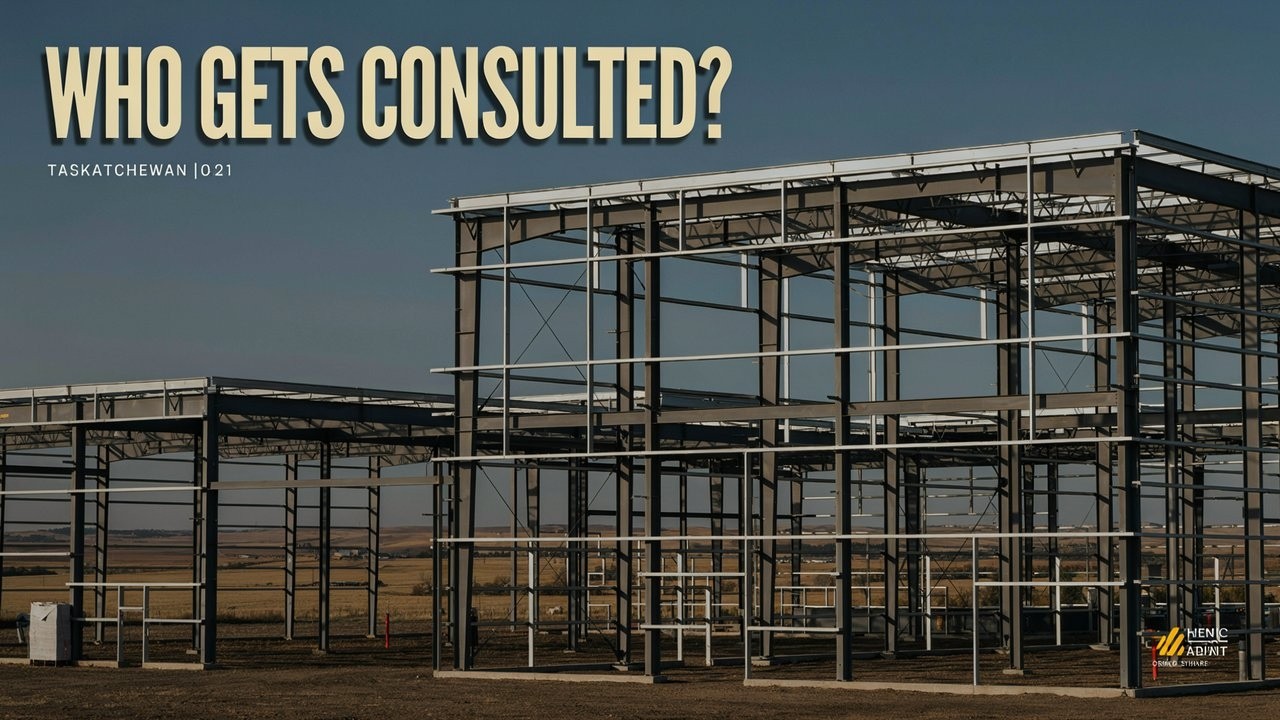
レジャイナの南では、4棟の建物の躯体がすでに立ち上がっている。ベルが計画するAIキャンパスを大幅に拡張する前に、環境に関する証拠の提示と条約に基づく協議を求め、2つのファースト・ネーションが開発の一時停止を要求している。
原語の動画
文字起こし · 読み込み中
英語の原文から翻訳されています。
ニュースの経過7日目
1 件のレポート22 社のメディア36 件の情報源5 本の動画
10月1日、レジャイナの南では、すでに4棟の建物の躯体が形になりつつあった。これらはベル・カナダが当初計画した出力300メガワットの人工知能データセンターの建物であり、現在も自治体の審査が続く、はるかに大規模な拡張計画のものではない。この違いは重要だ。今後どうすべきかをめぐる議論より、建設が先行している。 27
スタンディング・バッファロー・ファースト・ネーションとキャリー・ザ・ケトル・ファースト・ネーションは、環境上の懸念への対応と協議要求が満たされるまで、開発を停止するよう求めている。ベルは、発表済みのキャンパスの容量を4倍にする計画を提案している。両ファースト・ネーションの指導者らは、ベル、サスカチュワン州、カナダ政府が計画を一時停止して協議に応じなければ、次の手段として訴訟もあり得ると述べている。2026年10月11日時点で確認できる報道からは、訴訟が提起されたことも、建設停止で合意したことも確認できない。 2
これは、地下水をくみ上げずにコンピューターを冷却できるかどうかだけをめぐる争いではない。この規模の開発を進めるべきか、そして、その影響を判断するのに必要な証拠や関与の機会が不足していると先住民族が訴える中で、計画を進めるべきかが問われている。
敷地から約75キロメートル離れたスタンディング・バッファローは、土地、水、大気、生態系への影響に関する証拠を求めている。同ネーションは、この土地を「割譲されていない伝統的なダコタ族の領土」と表現している。キャリー・ザ・ケトルは、地域の限られた水資源と、地域の大部分の地下にある帯水層を守る必要があると述べ、ベルとサスカチュワン州が通知、同意、協議なしに計画を進めたと主張している。これらは先住民族側の見解であり、領土権や法的義務違反についての裁判所の判断ではない。 2 17
スタンディング・バッファローは10月2日の書簡で、独自の独立評価を行うため、技術、環境、承認に関する文書を求めた。宛先は、BCE Inc.およびベル・カナダの社長兼最高経営責任者、ミルコ・ビビックだった。求めているのは、設計が安全だという新たな保証ではなく、プロジェクトの根拠となる証拠へのアクセスだ。 16 22
キャリー・ザ・ケトルは10月5日の声明で、ベルと両政府に対し、次の条件を示して計画の一時停止を求めた。
適切な環境評価が完了し、条約に従って、私たちのネーションとの協議と配慮が行われるまで
冷却に関する説明で、実際に答えられること
ベルによると、施設は帯水層から水を取水せず、帯水層へ水を排出することもない。同社は密閉式の閉ループ冷却システムを採用し、冷却液は交換まで10年以上使えるとしている。これらは具体的な企業側の説明であり、環境への影響が独立して実証された結果ではない。 1 2
サスカチュワン州の10月のプロジェクト質疑応答資料は、さらに詳しく説明している。「継続的な冷却に自治体の水道水は使わない」。密閉回路には技術用流体を一度だけ充填し、定期的な補充は必要ないという。トイレと台所には井戸ではなく水道本管を通じて水を供給し、使用量は約130人のオフィスと同程度と説明している。水量の具体的な数値は示されていない。 14
この違いから、この開発が水を一切使わないと表現することはできない。また、重要な設計上の疑問も未解明のままだ。文書には、技術用流体の種類、初期充填量、システムが最終的にどのように熱を放出するのかが記されていない。水道本管への接続だけでは、供給される水道水の最終的な水源は特定できない。 14
州政府はまた、「地下水は公表済みの基準値と照合して監視する」としている。しかし、確認できる文書には、採水地点、監視頻度、しきい値、必要な是正措置が明記されていない。これは監視するという約束であって、環境評価が完了したということではない。また、冷却システムの説明によって、拡張後のキャンパス全体における建設、土地改変、大気、生態系への影響に関する疑問が解消されるわけではない。 14
4倍への計画であり、現時点の消費量ではない
ベルは2026年3月16日、当初の300メガワットのプロジェクトを発表した。9月14日に発表した拡張計画では、最大900メガワットの追加容量が提案されており、全面完成時の合計は最大1,200メガワット、つまり1.2ギガワットとなる。これらは計画上の容量であり、実測された電力消費量でも、電力供給が確保されたことの証明でもない。 28 30
CTVは10月8日の報道で1.2ギガワットを拡張分の容量と表現したが、ベルが発表日を明記した資料を見ると、これは当初の300メガワットを含む、拡張後のキャンパス全体の容量だと分かる。同様に、Global Newsは10月11日の記事で、拡張後の建物計画を3月の発表にまとめていた。発表日が明記された企業発表では、当初のプロジェクトは3月、拡張は9月と区別されている。 4 1 28 30
建物の数は、依然として整理がついていない。Global Newsは10月8日、追加建物は最大9棟と報じ、その後、拡張計画を取り上げた10月10~11日の報道では最大15棟とした。追加される建物の数とキャンパス全体の建物数は別の数字だが、両者を整合させるために必要な詳細計画は確認できていない。建設中の4棟に計画中の追加9棟を足しても問題は解決しない。4棟はある時点での建設状況を示すもので、当初の敷地に最終的に何棟できるかを確認した数字ではない。 3 2 27
土地の面積は、より簡単に説明できる。報道された895エーカーの拡張用地は、約160エーカーの当初敷地に隣接している。合わせると約1,055エーカーで、キャンパスの面積は1,000エーカーを超えるというCTVの説明と一致する。ただし、この計算だけでは、購入が完了したこと、測量済みの最終敷地面積、あるいは全域が建物で覆われることは確認できない。 3 5 11
購入の取り決めはなお条件付きで、報道によれば売買契約は農地安全保障委員会の審査を受けている。CBCは、売却候補者に元首長と現副首長が含まれると報じた。報じられた金銭的利害は不正の証拠ではない。個々の取引条件、審議からの除外、利益相反の開示については確認できていない。 9 6
提案された電力容量が、発電所の承認を意味するわけでもない。暫定首長のレイ・オーブは10月9日、現地に900メガワットの発電所が建設されるとは考えていないと述べた。これは同氏の見通しであり、電力供給についての最終決定ではない。 13
承認にはまだ手続きが残る
シャーウッドの町議会議員らは10月7日、拡張計画の用途地域変更案について、全会一致で第1読会を可決した。第2、第3読会はまだ行われていない。町議会は公聴会と地域住民との協議も全会一致で承認した。CTVは次の段階を公聴会と伝え、オーブは日程が決まり次第告知すると述べた。10月11日時点で公聴会の日程は確認できない。申請手続きが進んだことは、用途地域変更の最終承認を意味しない。 3 4
自治体の指導部はすでに交代していた。Global Newsによると、前年春に町議会議員7人のうち4人が辞任し、サスカチュワン州が暫定議員を任命した。その後、当初のプロジェクトが承認された。個々の辞任日と任命記録の全容は、独自に確認できていない。この経緯が意思決定の精査にどう関わるにせよ、当初の敷地に対する承認と拡張計画への承認を混同してはならない。 2
日程も条件付きだ。ベルが3月に公表した概要では、当初の施設は2027年初めに稼働を始める見込みだった。一方、3月のCBC報道では、年末までに操業を開始する予定とされていた。段階ごとの見通しがどのように対応するのかは未解明だ。追加建物は顧客を確保できれば2027年に着工する可能性があり、段階的な建設は2030年以降も続く可能性がある。確定した完成予定日ではない。 26 12 3 5
連邦政府に評価対象への指定を求める別の申請は、すでに公の記録に残っている。影響評価法第9(1)条に基づく指定を求めた書簡によると、最初の要請は5月4日に連邦の評価機関に送られ、その後、5月15日に大臣へ直接提出するよう助言された。書簡の筆者は、地下水、魚類の生息地、渡り鳥、先住民の権利、気候に関する懸念を挙げた。確認できるのは審査要請があったことまでであり、指定の決定や被害の認定ではない。 21
筆者は、自身の知る限り、独立した州または連邦の評価が公表されたことはないと述べた。この但し書きは重要だ。この書簡も、先住民族の要求も、環境調査が一切行われていないことの証明ではない。それでも、確認できる報道からは、完了した独立評価も、先住民族の要請に応じて問題を解決した政府の実質的な回答も確認できない。野党の新民主党も一時停止を求めているが、政治的な支持によって建設が止まるわけではない。 21 24
次の自治体レベルの節目は、日程未定の公聴会と、残る用途地域変更の読会だ。より重要なのは、ベルと各政府が要請された文書を提供し、先住民族と協議し、評価を求める要求に対応するかどうかである。密閉式の冷却回路で答えられる水に関する疑問は一つかもしれない。しかし、すでに実際の形になりつつあるキャンパスが大幅に拡大する前に、誰が証拠を検証できるのかという問いには答えられない。
この記事の情報源
CBC:土地購入案 6。SaskToday:公開審査の段階 7。CTV:用途地域変更の採決見通し 8。Leader-Post:条件付きの土地売却 9。CJME:敷地計画 10。Connect CRE:隣接する土地 11。CBC:当初のプロジェクト 12。CJME:発電所に関する発言 13。サスカチュワン州:プロジェクトの質疑応答 14。Mugglehead:拡張と用途地域 15。
放送時の内容 29行
- Two First Nations demand Bell halt an AI campus that's already taking shape.
- Construction is underway on the original site, and Bell proposes expanding its planned capacity fourfold. The Nations want environmental evidence and consultation before development goes further.
- Will Bell and the governments address those requests before the campus grows?
- Standing Buffalo First Nation is about 75 kilometres from the site, south of Regina in Sherwood. The Nation describes the land as unceded traditional Dakota territory. Carry the Kettle First Nation says limited regional water supplies and an underlying aquifer need protection.
- Standing Buffalo wants evidence about effects on land, water, air and wildlife. Its October 2 letter requested technical, environmental and approval documents so the Nation could carry out its own independent assessment.
- Standing Buffalo addressed that request to Bell president and chief executive Mirko Bibic. The Nation wants access to the information behind the project's design and approvals, so it can judge the consequences for itself.
- Carry the Kettle says Bell and Saskatchewan moved ahead without notice, consent or consultation. Its October 5 statement asks Bell and both governments to pause development until an environmental assessment is complete and Treaty-based consultation and accommodation take place.
- The provincial opposition New Democrats have also called for a pause. First Nations leaders say they may go to court if Canada, Saskatchewan and Bell don't pause the project and meet with them.
- Bell's original plan called for 300 megawatts. The expansion adds up to 900 megawatts, bringing the proposed total to 1,200 megawatts, or 1.2 gigawatts. That's four times the original announced capacity, at full buildout.
- Bell announced the original project on March 16, 2026, and the expansion on September 14. The enlarged plan came six months after the initial announcement. Bell is describing future capacity; the campus is still being built.
- Saskatchewan's October 1 construction update said four building shells were taking shape at the original 300-megawatt site. That work was underway while the separate expansion proposal was still moving through municipal review.
- The expansion proposal allows up to nine additional buildings. The enlarged project is also reportedly planned for as many as 15 buildings. How those counts fit together is still unclear; four shells under construction don't settle the final campus count.
- The planned buildings would spread across an area compared to eight average-sized golf courses. That comparison conveys scale. The land proposal gives a more concrete measure of how far Bell wants the campus to reach.
- The original site covers approximately 160 acres of agricultural land. Bell's conditional purchase arrangements cover another 895 acres beside it. Together, that's approximately 1,055 acres of proposed holdings, with the sale still conditional.
- The conditional sale agreement is under Farm Land Security Board review. Potential sellers include a former reeve and the current deputy reeve. Their financial interest in the proposed sale carries no finding of wrongdoing. The combined acreage also leaves the eventual developed footprint to be determined.
- Bell says its sealed, closed-loop cooling system won't draw water from or discharge water to the aquifer. It says the coolant lasts more than a decade before replacement. Saskatchewan describes a one-time technical-fluid fill that doesn't need regular refills.
- Those assurances address water moving into and out of the cooling system. The Nations are also asking about construction, land disturbance, air and wildlife across a much larger campus. Bell's cooling explanation alone can't resolve those broader requests.
- The province says washrooms and kitchens would receive water through a watermain rather than wells. It describes demand as comparable to an office of about 130 people. That domestic supply is separate from the technical fluid circulating through the cooling loop.
- Saskatchewan promises to monitor groundwater against published baselines, measurements used to track changes. The province hasn't spelled out how monitoring would trigger corrective action. Standing Buffalo wants the underlying technical and environmental documents to support its own assessment.
- A separate writer has already asked for federal review under the Impact Assessment Act. The request raised groundwater and fish-habitat concerns, migratory birds, Indigenous rights and climate effects. Those are concerns the writer wants examined.
- The writer submitted an initial request to the federal assessment agency on May 4. On May 15, the agency advised sending the request directly to the minister, with copies to the agency. A federal assessment decision hasn't been announced.
- The writer said they knew of no publicly disclosed independent provincial or federal assessment. The Nations are seeking independent environmental evidence, and no completed assessment has been presented to resolve their demands.
- Sherwood councillors unanimously passed first reading of the expansion rezoning on October 7. Second and third readings still have to happen. Council also approved public meetings and community engagement, and the proposal is moving toward a public hearing.
- Interim reeve Ray Orb says the hearing will be advertised once scheduled. On October 9, he also said he didn't expect a 900-megawatt power plant at the site. His expectation leaves the final power-supply decision open.
- Four of Sherwood's seven council members reportedly quit the previous spring, and Saskatchewan appointed interim councillors. The original project was approved after those appointments. Approval and construction on that original site came before the expansion's unfinished rezoning process.
- Other opponents at the municipal stage raised electricity use, psychological impacts and inadequate public consultation. They also sought environmental review and First Nations consultation. The construction schedule depends on more than council votes.
- Bell expects the original facility to begin coming online in early 2027. Additional-building phases could start in 2027 as Bell secures customers. Staged expansion could continue through 2030 and beyond, so the proposed schedule remains conditional.
- Operations were also expected by the end of 2027. Those expectations describe a phased opening; Bell hasn't supplied a single confirmed completion date for the enlarged campus.
- Bell's aquifer assurance hasn't resolved the Nations' requests for documents, consultation and environmental assessment. Bell and the governments haven't announced an agreed construction pause or a resolution of those requests. The public hearing still has no announced date, and First Nations leaders have identified court action as their possible next step.
情報源
36 件の情報源22 社のメディア5 本の動画
cbc.ca4
- Bell Canada plans to purchase 895 acres to expand AI data centre outside Regina | CBC News
- Bell Canada to begin construction on Canada's largest AI data centre near Regina this spring | CBC News
- These 2 First Nations are pushing back against Sask. AI data centre
- Bell AI data centre expansion raises questions over power, water and local impact | CBC News
Government of Saskatchewansaskatchewan.ca3
Prime Minister of Canadagc.ca2
- Dear Minister, I am writing to formally request that the proposed Bell Canada AI Data Centre in the Rural Municipality of Sherwood, Saskatchewan, be designated for federal impact assessment pursuant to Section 9(1) of the Impact Assessment Act, SC 2019, c 28, s 1 (“IAA”). On May 4, 2026, I submitted a formal designation request to the Impact Assessment Agency of Canada (“IAAC”). On May 15, 2026, the Prairie and Northern Region of IAAC advised that designation requests must be submitted directly to the Minister with copies provided to IAAC. This correspondence constitutes that formal request. The proposed project is a 300-megawatt, 90K-square-foot industrial AI data centre to be constructed on approximately 160 acres of agricultural land in the RM of Sherwood, Saskatchewan. This will allegedly be the largest AI data centre development in Canada. Living within a 9 km radius of this massive structure, and researching the impacts other similar data centres have had in their communities, this project raises substantial concerns within federal jurisdiction, including potential impacts on fish habitat and groundwater systems, migratory birds, Indigenous rights and consultation obligations, and Canada’s climate commitments. To my knowledge, there has been no independent provincial or federal environmental assessment has been publicly disclosed, despite the scale and significance of the development. I’m not sure how a proper environmental assessment could have possibly been done in the 21 days from announcement to approval of the project. Further, construction equipment was onsight and the digging began April 21, 2026. The pre-testing activities were commenced on site prior to approval, including assessments related to piling depth and aquifer penetration? The RM of Sherwood map shows that there are pipelines running through the property and the Enbridge Alberta Clipper is close by. That’s intrinsically safe with all the heavy duty equipment there?
- Bell AI Fabric Data Centre Project - Canada.ca
SaskToday.casasktoday.ca2
620 CKRM - The Voice of Saskatchewan | Harvard Media620ckrm.com1
Canada News Mediacanadanewsmedia.ca1
Connect CRE Canadaconnectcre.ca1
CTVNewsctvnews.ca1
Eagle Feather Newseaglefeathernews.com1
leaderpost.com1
Muggleheadmugglehead.com1
sec.gov1
The News92thenews92.com1
Yahoo Newsyahoo.com1
情報源マップ
この報道の根拠をたどります。マップで情報のつながりを確認し、下のリンクから記事で引用された情報源を開けます。
記事を読む間に情報源マップを読み込みます。
翻訳更新:
改訂履歴
- r1初公開。