司法 · 德里抗议限制持续报道 · 第 3 篇,共 3 篇
德里地铁已经重新开放。最高法院仍在等待答复。
周日听证会前,地铁已恢复通行。法院的介入要回答的是另一个问题:这些限制是否合法,先前命令是否得到遵守?
原语言视频

文字实录 · 正在加载
译自英文原文。
持续报道第 85 天
3 篇报道104 家媒体234 个来源3 个视频
完整报道- 暂无标注日期的事件


自上次报道以来的变化
82 天后
当时
156起试卷泄露事件,“零定罪”:学生起义如何冲到总理官邸门前当时尚无定论
- 甘地在冲突中是否受伤,以及具体伤情——报道描述了激烈争吵,甘地本人也提到有人挥拳,但没有媒体独立证实他流血或有特定伤口。
- 7月20日警棍攻击事件的具体伤亡人数(受伤、被拘押)——反对派人士提到了数字,但所提供的报道未列出具体人数。
- 被带走拘押者后续处置的具体地点流程(体育场、警察局)。
我们说过将关注的
- 教育部长和内政部长能否顶住与 CJP 相关的反对派攻势所带来的政治压力。
- 议会在7月22日停摆后如何重新开会,以及 CJP 的诉求是否会正式进入辩论。
- 政府对下一场 CJP 示威的应对,是否会改变导致这场政治危机的警棍攻击策略。
现在
周日听证会前,地铁已恢复通行。法院的介入要回答的是另一个问题:这些限制是否合法,先前命令是否得到遵守?
如果德里的地铁闸门已经重新开放,印度最高法院为何还需要在周日举行特别听证会?
因为车站重新开放,并不能回答关闭车站是否违反了法院命令。释放一名抗议者,也不能证明其拘留合法。2026年10月11日,法院介入德里镇压抗议活动,以保护合法通行、和平集会和专业人员履行职责的权利,并要求三名高级官员说明,在法院此前作出交通指令后施加的限制。眼前的中断虽已部分结束,问责程序却尚未结束。1 135
法官乔伊马利亚·巴格奇和V.莫哈纳向联邦内政秘书戈温德·莫汉、德里警察局长阿努拉格·库马尔以及德里地铁铁路公司董事长D.塔拉发出藐视法庭通知。合议庭认为有初步理由继续审理,即有足够的初步依据要求作出答复,但这并非最终认定任何官员犯有藐视法庭罪。律师沙伦德拉·马尼·特里帕蒂就涉嫌不遵守10月9日关于不得全面禁止地铁和铁路服务的指令提起诉讼。133 135
官员必须提交答辩书和合规报告,说明对先前命令的遵守情况,截止日期为10月13日;届时,藐视法庭案件及相关拘留事项将列入进一步听证议程。目前已免除他们亲自出庭的要求。这个期限要求提交有记录佐证的解释,而非仅仅再作一次一切正常的保证。136 133
这场对峙起因于蟑螂人民党要求首席选举专员贾内什·库马尔辞职,并反对对选民名册进行特别密集修订。该党在詹塔尔·曼塔尔的集会申请遭到拒绝。这些诉求解释了抗议的缘由;法院的介入既未证实选举舞弊,也未裁定选民名册争议。14 48
列车运行,不代表车站开放
关键事实
这场交通争议的关键在于一种容易被官方措辞掩盖的区别:列车可以运行,但乘客可能无法到达车站。副检察长图沙尔·梅塔坚称,列车按时刻表运行,服务班次未减少。但该网络303座车站中,有45座实施了出入口限制,约占七分之一。这是重大通行限制,却不能证明每列火车都停运或整个网络关闭。1 12
10月9日的原始请愿涉及拟对57座车站实施限制;实际实施的数量为45座。车站出入限制于10月9日周五晚上约9时开始。最初公布的结束时间为周六下午约6时,后来延长至晚上10时,因此限制持续约25小时。以上时间均为印度标准时间。161 58 64
德里地铁周六晚宣布,所有车站出入口均已开放,受影响的换乘设施也已恢复使用。梅塔告诉法院,所有车站在晚上约10时前已重新开放,互联网服务也于当晚恢复。因此,车站重开早于周日的听证会,不能说是周日指示首次促成的结果。57 1
地铁和铁路设施应照常运行,除非为了应对《宪法》第19(2)条所述的公共秩序扰乱而必须实施限制。
这一限定很重要。合议庭要求服务正常运行,同时保留明确规定的公共秩序例外。它并未禁止今后实施一切限制。同样,存在例外也不能说明10月9日之后的限制是否遵守了法院指令。这正是藐视法庭程序要求官员作出回应的问题。
这些保护措施的范围不止于抗议活动
法院要求依法并遵守交通规则,保障人员自由、顺畅通行,并立即审查路障。在合法的治安或交通需要不足以构成设置理由的地方,必须移除障碍。这并非宣告德里的每一道路障都违法,而是要求区分必要管制与无理阻碍。1 30
法院关于拘留的指示同样维护合法程序。指示明确保护在《印度公民安全法》(BNSS)第163条生效区域以外举行的和平、非武装集会。第163条是集会限制权,取代了旧刑事诉讼法第144条。这些指示并未授权任何人无视有效限制,也没有认定此前每一次拘留都属违法。7 50
新德里区适用第163条限制。移动互联网暂停服务是另一项措施:范围为贾纳帕特路—卡尔塔维亚路交叉口周围4公里,计划自10月9日晚上10时起至10月10日晚上10时止。该半径并非经过核实的集会限制边界。暂停电信服务与该区的禁令有不同的法律依据和适用范围。12 164
释放并不能了结合法性问题
梅塔称,人身保护令案件所涉的大多数人——此类案件要求将被拘留者带到法庭或予以释放——都已获释。他描述说,10月10日下午约2时被带走的人,于下午约6时获释。这是周六关于释放情况的说法,并非周日提出的新期限。政府辩称,许多人身保护令请求因此已失去继续审理的必要。但现有记录既未提供完整的释放名单,也未说明仍有多少人被拘留。11 33
规模仍未有定论。《Bar and Bench》报道了请愿人和媒体提出的逾7,000人被拘留、45处拘留中心的说法;这两个数字均未得到核实。《印度快报》报道的数字约为2,000人。由于统计截止时间、定义和方法不可比,这些数字无法合并为经审计的总数,也不能据此计算释放率。所称的45处拘留设施与45座受影响的地铁站完全无关。1 139
三名CJP领导人的情况有明确结果。阿比吉特·迪普克(Abhijeet Dipke,亦写作Abhijit Dipke)、绍拉夫·达斯和阿舒托什·兰卡于10月11日在德里坎顿门特别行政治安法官面前出庭后获释。他们是通过预防性程序获释,并无证据表明最高法院曾下令亲自释放这三人。警方称,释放条件包括提供₹50,000的保证金,并承诺一年内维护和平、行为良好;CJP法律事务负责人拉特纳·辛格也确认了为期一年的维护和平条件。131 149 19
迪普克否认曾签署写有“我们不会抗议”的承诺书,并表示该运动将“再次走上街头”。维护和平的条件与承诺永不抗议并非一回事,因此这一否认本身并不与警方关于释放担保的说法相矛盾。CJP打算扩大抗议行动,是已宣布的计划,并不能证明拟议中的抗议已经发生。152 14
《独立报》的现场报道展现了实际遇到的障碍。该报记者称,警方拘留抗议者,似乎逐一挑选对象;尽管记者身处路障允许通行的一侧,警方仍将他们推开。记者描述了经过六七道路障后,又步行约一公里,沿途商店关门、网络无法使用。这些观察未得到独立核实。2
关键在于,视频于10月11日发布,并不能证明画面是在何时拍摄的。它们无法证明法院下令后仍有人违令,也不能直接反驳周六晚间恢复服务的公告。其他周日的报道指称拘留和阻挠仍在继续;而人民党(联合派)议员马诺杰·库马尔·贾提交的请愿书则提出了女性抗议者遭性骚扰的指控。现有记录并未显示法院就这些事件作出任何具体裁定。2 28 11
这延续了HeyDay News此前报道的公民自由问题。2026年7月20日,我们报道了德里警方在一场由学生发起、未获许可的议会游行后援引第163条并使用警棍。7月22日,我们报道了拉胡尔·甘地在7月21日静坐要求问责后遭到拘留。这些是此前的冲突,不属于10月拘留人数的统计。新情况是周日司法介入,以及法院要求官员说明是否遵守10月9日的命令。
播出原貌 29 行
- On July 20, we reported baton charges. Now the Supreme Court demands answers. Its intervention protects commuters, peaceful protesters and the professionals trying to reach them, while requiring three senior officials to explain transport restrictions.
- What has actually reopened, and what must authorities still explain?
- India's Supreme Court held a special Sunday hearing on October 11. It ordered lawful freedom of movement and protection against illegal detention after the crackdown on the Cockroach Janta Party's protest.
- The July events were an earlier confrontation. On July 22, we reported Rahul Gandhi's detention after his July 21 sit-in demanding accountability. The October intervention concerns fresh restrictions and whether authorities obeyed an earlier court order.
- Justices Joymalya Bagchi and V. Mohana required authorities to review barricades immediately. Barriers must come down wherever legitimate law-and-order or traffic needs don't justify them. People must be allowed to move freely within the law and traffic rules.
- The court specifically protected peaceful, unarmed assemblies outside areas covered by Section 163. That's the assembly-restriction power in India's criminal procedure law that replaced Section 144. Detentions must follow lawful procedure, and individual detentions still face examination.
- Lawyers and journalists must be allowed to do their jobs. The court also required internet access within the law, while retaining Information Technology Act powers. Any Section 163 notice board still near the Supreme Court must be removed.
- Those protections reach beyond the protest itself. A detained person needs access to legal help. Reporters need to move and communicate to scrutinize police conduct.
- The Cockroach Janta Party demanded Chief Election Commissioner Gyanesh Kumar's resignation. It also opposed Special Intensive Revision, the exercise revising electoral rolls. Police denied permission for its Jantar Mantar gathering. The court's intervention leaves that electoral dispute undecided.
- Authorities imposed assembly restrictions across New Delhi district. Separately, the mobile-internet suspension covered a four-kilometre radius around the Janpath–Kartavya Path crossing. That suspension used telecommunications powers, with a different geographic scope and legal basis.
- The mobile-internet suspension was scheduled from 10 p.m. October 9 until 10 p.m. October 10. Petitioners alleged that police also detained people beyond the area covered by the assembly restrictions.
- The court issued contempt notices to Union Home Secretary Govind Mohan, Delhi Police Commissioner Anurag Kumar and Metro chairperson D. Thara. It found enough initial grounds to proceed. The judges haven't yet decided whether any official committed contempt.
- Advocate Shailendra Mani Tripathi brought the contempt petition. It concerns alleged defiance of the October 9 direction against a complete prohibition on Metro and railway services ahead of the protest.
- The earlier petition contemplated restrictions at 57 stations. Authorities implemented entry and exit restrictions at 45 of 303 stations, about one in seven. The government says trains kept running to schedule. Passengers could still lose access even while trains operated.
- The station restrictions lasted about 25 hours, from Friday evening into Saturday night. Authorities extended the announced Saturday end from 6 p.m. to 10 p.m. The reopening came before Sunday's hearing, but the earlier restrictions still face judicial scrutiny.
- Delhi Metro announced that every station's entry and exit gates were open, and affected interchange facilities were available. Solicitor General Tushar Mehta told the court internet service had also been restored that night.
- The judges required normal Metro and rail services, with an exception for necessary public-order regulation. Authorities must justify restrictions within that legal framework. Reopening the gates doesn't resolve whether they complied with the October 9 direction.
- Mehta said most people covered by the detention challenges had already been released. He described people picked up around 2 p.m. and freed around 6 p.m. on October 10, the Saturday before the hearing.
- The government argued that many requests to produce or free detainees consequently no longer survived. Release can resolve someone's immediate custody, but the legality of that detention can still be examined.
- Petitioners claim more than 7,000 detentions. Other estimates put the count around or above 2,000. The counting methods aren't clear, and officials haven't supplied a reconciled total. Petitioners also allege 45 detention centres, a figure nobody has confirmed.
- The alleged detention-centre count happens to match the 45 affected Metro stations. They're separate measures. The station count gives no support to the facility allegation.
- Three CJP leaders did leave custody on October 11. Abhijeet Dipke, Saurav Das and Ashutosh Ranka were released after appearing before the Special Executive Magistrate at Delhi Cantonment through preventive proceedings.
- Police described a 50,000-rupee surety bond and a requirement to maintain peace and good behaviour for one year. CJP legal head Ratna Singh also confirmed the one-year peace condition.
- Dipke denied signing an undertaking that said they wouldn't protest. He said the movement would hit the streets again. His objection concerned a pledge to stop protesting, while police described a peace condition. CJP announced plans to widen the agitation nationally.
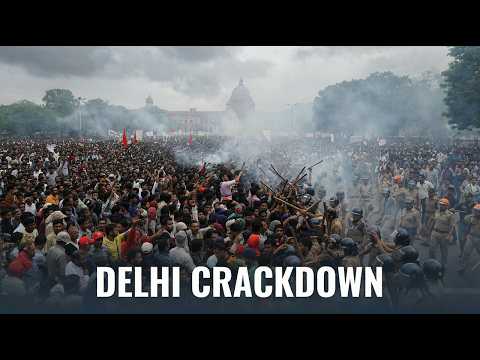
- Police allegedly detained protesters one by one and pushed journalists back despite their being on a barricade's permitted side. Those scenes haven't been dated, so they can't show whether police breached Sunday's directions.
- Shops were reportedly closed, and internet wasn't working. The described route involved six or seven barricades, followed by another kilometre on foot. The timing also prevents those observations from directly contradicting Saturday night's restoration announcements.
- RJD lawmaker Manoj Kumar Jha alleged sexual harassment of women protesters in a petition. Other allegations concern continued detentions and obstruction. The court hasn't made specific findings on those incidents.
- Metro gates and interchanges were officially announced open before the hearing. The government says internet service and most detainees' freedom had also been restored. Whether people consistently regained those freedoms in practice, and whether police completed the barricade review, still needs an account from authorities.
- The three officials must file their responses and a compliance report by October 13. The contempt case and connected detention proceedings return to court that day. For now, the judges have excused the officials from appearing personally.
来源
212 个来源100 家媒体1 个视频2 篇通稿
India Todayindiatoday.in13
- 首次报道于
- Delhi metro shutdown protest: Supreme Court sees prima facie contempt, seeks replies
- Supreme Court Delhi protests: Keep Metro, internet normal, no illegal detentions
- SIR protests Delhi: CJP widens agitation after release, Supreme Court bars illegal detention
- CJP protest Delhi: Supreme Court warns against illegal detentions, keeps Metro open
- No barricades unless warranted, metro to run normally: SC to govt amid CJP stir
- Peaceful protesters shall not be illegally detained: Supreme Court’s big order amid Delhi protest curbs
- Supreme Court Delhi protests order: No illegal detention, Metro and internet normal
- Supreme Court march: Opposition protests vote theft, seeks Gyanesh Kumar resignation
- Supreme Court Delhi metro protest: contempt plea, habeas petition heard in special sitting
- Delhi metro shutdown protest: Supreme Court sees prima facie contempt, seeks replies
- Supreme Court Special Hearing Live: SC says barricades should be removed across Delhi, internet can't be shut
- Collegium recommends 4 chief justices, senior advocate V Mohana for elevation to Supreme Court
- SC notice to government, Delhi Police and DMRC over protest curbs, detentions
X (formerly Twitter)x.com11
- 首次报道于
- PUBLIC ADVISORY In view of reports of a proposed march to Parliament by CJP on 20.07.2026 (Monday), Delhi Police hereby categorically clarifies that no permission has been sought or granted for any such protest march/procession. Prohibitory order under Section 163 BNSS (erstwhile section 144 CrPC) is in force in the New Delhi District. *Accordingly, protest marches, processions, demonstrations and assemblies of five or more persons are strictly prohibited*, except at the designated protest site at Jantar Mantar, with prior permission. As Parliament session is commencing from 20 July, strict security arrangements are in place to ensure public safety, security of protectees, and the protection of vital government installations. Any person violating these prohibitory orders shall be liable for prosecution under Section 223 BNS and other applicable provisions of law. Delhi Police appeals to all citizens to respect the law, refrain from participating in any unauthorised gathering or marc...
- Fact: https://x.com/OnlyFactIndia/status/2108828267960730105?s=20
- NEW | Scenes from the ground at the CJP protest in Delhi. Video by @Vedaant_Lakhera
- Follow the live updates here: https://thewire.in/rights/jantar-mantar-2-0-live-women-journalists-allege-sexual-harassment-during-protest-aisa-calls-for-citizens-march
- Delhi Police protest row escalates After groping claims, now AI video AI video claims rock Delhi protest One nabbed over fake AI video #DelhiPolice #DelhiProtest #5Live #VivekBhagat | @Sonal_MK
- #Watch | Amid protests in Delhi against CEC and voting rights, Manisha, a protester on the streets of Delhi, questioned how a government can work for the people if it is not formed through their votes. She raised concerns over the electoral process and stressed the importance of protecting people's right to vote. Video: @aniketschauhan1
- Delhi Police detain protesting journalists and YouTubers staging a sit-in. India Today's @aviralhimanshu and Shambhavi Srivastava with more details. #DelhiPolice #Protest #ITVideo @AnjaliPandey #TheBurningQuestion
- BREAKING: #SupremeCourt to hold a special Sunday hearing tomorrow in a contempt plea filed by Shailendra Mani Tripathi against Union Home Secretary Govind Mohan over alleged non-compliance with Supreme Court orders concerning the Delhi protests. A special Bench of Justices Joymalya Bagchi and V Mohana will hear the matter on October 11.
- Justice Joymalya Bagchi (dictating order): Internet facilities shall remain undisturbed, as per law....When we are saying internet facilities shall remain undisturbed, we are not taking away the powers under the Information Technology Act. Smooth movement of people in the city shall not be hindered, shall be permitted in accordance with law. Four, there shall not be illegal detention, save and except by procedure established by law, particularly with regard to assemblage of people beyond the area within which it's imposed.. Assembly shall be permitted in accordance with law, particularly in respect of peaceful assemblage of people beyond the area where Section 163 BNSS is in operation, in accordance with law.
- CJP Stir Fallout: Latest Updates from SC Hearing - Solicitor General Tushar Mehta begins arguments in SC - S-G Tushar Mehta: Lawyers were released around 2 PM - Tushar Mehta: All metro stations are open, operations not restricted - SC to issue notice on contempt plea - Top Court seeks compliance reports
- Bar & Bench has now been informed that lawyers are being released post SCBA and SG Tushar Mehta’s intervention.
Unnamed channel10
- Inside New Delhi’s Crackdown on Protesters
- Delhi Protests Go Viral, Security Forces Carry On Trying to Gag Marchers
- What next as youth storm Delhi | Scroll LIVE
- Decode Full Show: देखिए Decode, Sudhir Chaudhary के साथ; Oct 06, 2026|Episode Today |Congress Vs CJP
- Delhi Jantar Mantar Drama: Journalists, YouTubers Detained Over FIR Demand | CJP Protest 2.0
- Delhi Uptodate News - Playlists
- TV9 Delhi NCR
- Delhi Turns Into a Fortress Ahead of October 10 Protest (MISSION IMPOSSIBLE!) | Jist
- Dilli Unfiltered
- दिल्ली पुलिस की तरफ से SG तुषार मेहता की दलील #delhipolice #tusharmehta #indiatv#breakingnews
The Economic Timeseconomictimes.com7
- CJP Protest Live Updates, Day 2: Delhi Police says CJP leaders released on Rs 50,000 surety bond, must maintain peace for one year
- Delhi Metro: Delhi Metro reopens all stations after day-long security restrictions amid CJP protest
- Delhi Metro stations open or closed today: Latest DMRC update on entry and exit gates, interchange facilities amid CJP protest restrictions
- Cockroach Janata Party's protest puts Delhi on high alert, with 25,000 personnel, Metro curbs and internet restrictions
- Delhi protests: SC to pass interim order to ensure normal Metro services, free movement; says will hear all parties
- Internet services to be suspended from tonight in Central Delhi for 24 hours amid CJP’s October 10 Jantar Mantar protest call
- Delhi protests: SC says petitioners seeking contempt action against authorities have made out 'prima-facie' case
The Times of Indiaindiatimes.com7
- 首次报道于
- From peaceful protests to free movement: 9 directions SC issued amid CJP stir in Delhi | India News
- Another showdown in Delhi? INDIA bloc to hold protest over CEC; CJP gives 24-hour ultimatum - Times of India
- Delhi Jantar Mantar protest: Section 163 in force, 11 Metro stations closed, traffic curbs announced; what commuters need to know - Times of India
- 'No illegal detentions, restore internet, metro services': Supreme Court after Delhi protest crackdown - top quotes | India News
- 'Not for snooping': Solicitor General Tushar Mehta defends Jantar Mantar videography in Delhi high court amid surveillance row | Delhi News
- Govt orders internet shutdown within 4-kilometer radius of Janpath–Kartavya Path ahead of anti-CEC protest - Times of India
- CJP's 'Jantar Mantar 2.0': Delhi Police releases all detainees except party leaders, legal process to follow - Times of India
business-standard.com6
- SC directs normal Metro, rail services amid Delhi protest petitions | India News - Business Standard
- Railways restores normal services in Delhi, all Metro stations reopened | India News - Business Standard
- Delhi protests: SC says no illegal detention, orders Metro, internet back | India News - Business Standard
- Sonam Wangchuk released, prohibitory orders withdrawn: SG Mehta tells HC | India News - Business Standard
- SC to hear all lawyers in plea over Delhi Metro curbs during CJP protest | India News - Business Standard
- Delhi protests: SC to hear contempt plea against authorities on Sunday | India News - Business Standard
Hindustan Timeshindustantimes.com6
- 首次报道于
- No illegal detention of protesters in Delhi; metro, internet to run normally: Supreme Court | India News
- Section 163 imposed in parts of New Delhi ahead of CJP's Parliament march: What it means and what's prohibited | India News
- Delhi police register 20 FIRs over Jantar Mantar protest attempts | India News
- 'Asked to call my parents at 3.30 am': Dipke refutes cops’ claim after video shows him refuse offer to return home | India News
- Abhijeet Dipke heads back to village after grandmother's death following release from detention: 'CJP won't back down' | India News
- Contempt plea in SC over Delhi Metro, rail curbs; home secretary, Delhi Police chief named | India News
TimesNowtimesnownews.com6
- 首次报道于
- Section 163 BNSS Explained: Can Delhi Police Ban The CJP Protest In New Delhi? | Times Now
- Delhi Metro Reopens 45 Stations After 25-Hour Closure Amid Anti-CEC Protests | Times Now
- ‘What Is The Rationale?’ SC Questions 45 Shut Delhi Metro Stations, Seeks Immediate Internet Restoration | Times Now
- 'Oct 10 Will Go Down As Beginning of End Of This Dictatorship': Abhijeet Dipke Warns Govt | Times Now
- Mobile Internet Suspended Within 4-Km Radius Of Janpath-Kartavya Path Crossing For 24 Hours | Times Now
- When Justice Mohana Traced Her Journey From A ‘Barsati’ In Karolbagh To Supreme Court Judgeship | Times Now
Live Lawlivelaw.in5
- 首次报道于
- CEC Protest: Supreme Court Directs No Illegal Detention Of Peaceful Protesters, Normal Metro & Rail Services, Free Movement, Undisturbed Internet
- 'Prima Facie Case Made Out' : Supreme Court Issues Notice To Authorities In Contempt Plea Over Metro Closure For October 10 Protests
- Supreme Court Sunday Hearing Against Detentions & Curbs During Delhi Protests [Live Updates]
- www.livelaw.in
- Supreme Court Dismisses Plea Seeking Hindi As Official Language Of Apex Court
mintlivemint.com5
- 首次报道于
- Delhi Protests: SC issues contempt notice over alleged October 9 order breach, illegal detention of protesters | Today News
- Delhi Metro update: DMRC says entry and exit of all stations now open amid protest against CEC Gyanesh Kumar | Today News
- CJP protest 2.0: Supreme Court holds special Sunday sitting to hear contempt plea, detentions — All you need to know | Today News
- CJP October 10 Delhi protest news: Internet to be suspended in 4-km radius of Janpath-Kartvya Path starting 10 pm Friday | Today News
- CJP protests: Why were the Supreme Court lawyers released by Delhi Police? Here's what CJI Surya Kant said | Today News
ABP Live Englishabplive.com4
- 首次报道于
- Remove Barricades, No Illegal Detentions, Undisturbed Internet: SC Orders Amid CJP Protest
- EXPLAINED: जंतर-मंतर, राम लीला मैदान समेत कहीं भी दिल्ली में प्रोटेस्ट करने के क्या हैं नियम, जानिए कानून | EXPLAINED Rules For Protesting Anywhere In Delhi Including Jantar Mantar And Ramlila Maidan Know The Law
- Abhijeet Dipke, Saurav Das And Ashutosh Ranka Must Furnish Rs 50,000 Bond: Court
- ‘CJP Will Hit The Streets Again’: Dipke Says He Hasn’t Signed Bond
Bar and Benchbarandbench.com4
- 首次报道于
- India's Supreme Court orders Delhi to stop illegal detentions after crackdown on protests against election chief
- CJP protest crackdown, detentions: Live updates from Supreme Court's Sunday hearing
- BREAKING: Prima facie contempt case made out over Delhi Metro restrictions during protests, says Supreme Court
- Delhi CJP protest: Detained lawyers released after SCBA, SG intervene
The Tribunetribuneindia.com4
- 首次报道于
- 11 layers of barricades turn Jantar Mantar into fortress
- SC issues contempt notice to Union Home Secretary, Delhi Police chief and DMRC chairperson over 'violation' of order
- SC issues contempt notice to Centre, Delhi Police chief over violating its directions on railway curbs
- Contempt pleas against clampdown in Delhi: SC says will hear all parties, ensure no inconvenience
news18.com3
- ‘Delhi Metros, Trains Should Run Until…’: SC’s Directives On Internet, Barricades & Detentions After Saturday's Curbs | India News - News18
- No Supporter To Receive Abhijeet Dipke, Ashutosh Ranka & Saurav Das: ‘No Gatherings’ Clause To Hurt CJP? | India News - News18
- Protests in Delhi: SC passes slew of directions, directs no illegal detention | Agency-feeds News - News18
The New Indian Expressnewindianexpress.com3
- 首次报道于
- Delhi Protests: SC bars illegal detention, orders barricade removal, restoration of internet services
- Delhi Protest: SC bars illegal detention, orders barricade removal, restoration of internet services
- LIVE | Delhi Protest Day 2: Police continue to detain protesters even as SC bars illegal detention; Dipke says 'haven't signed any bonds'
The Statesmanthestatesman.com3
- 首次报道于
- 'Won't back down': Abhijit Dipke's defiant message after release as he heads home following grandmother's death
- CJP's Abhijit Dipke, Das and Ranka released on Rs 50,000 bond; must maintain 'good behaviour' for a year
- Delhi Metro shutdown: Supreme Court plea seeks contempt action against Home Secretary, police chief, DMRC chairperson
The Wirethewire.in3
Free Press Journalfreepressjournal.in2
SCC Online®scconline.com2
Supreme Court Observerscobserver.in2
ANI Newsaninews.in1
BareLaw.inbarelaw.in1
BBC Newsbbc.co.uk1
Bhaskar Englishbhaskarenglish.in1
Business Todaybusinesstoday.in1
Business Upturnbusinessupturn.com1
BusinessLinethehindubusinessline.com1
Cityairnewscityairnews.com1
CNBCTV18cnbctv18.com1
Daily Times Of Bangladeshtob.news1
Dainik Jagran Englishdainikjagranmpcg.com1
Deccan Heralddeccanherald.com1
Dynamite Newsdynamitenews.com1
ETV Bharat Newsetvbharat.com1
Fact Netfact.net.in1
Ground Newsground.news1
HashFamehashfame.com1
HT Syndicationhtsyndication.com1
India Gazetteindiagazette.com1
India Legalindialegallive.com1
India's Newsindiasnews.net1
KalingaTVkalingatv.com1
Law Trend - Legal News Networklawtrend.in1
Mathrubhumi Englishmathrubhumi.com1
MillenniumPostmillenniumpost.in1
National Heraldnationalheraldindia.com1
News Today | First with the newsnewstodaynet.com1
Northeast Livenortheastlivetv.com1
OdishaBytesodishabytes.com1
Outlook Indiaoutlookindia.com1
Pratidinpratidintime.com1
Punjab News Expresspunjabnewsexpress.com1
Republic Worldrepublicworld.com1
s3waas.gov.in1
The Business Standardtbsnews.net1
the Guardiantheguardian.com1
The Hans Indiathehansindia.com1
The Independent11 个视频
The Manila Timesmanilatimes.net1
The News Millthenewsmill.com1
TheNews21thenews21.com1
wikipedia.org1
- 首次报道于
- V. Mohana - Wikipedia
Yes Punjab Newsyespunjab.com1
来源地图
追溯本篇报道的依据。图谱展示其关联;下方链接可打开本文引用的来源。
来源图谱将在您阅读时加载。
译文更新于
修订记录
- r1首次发布。