科技 · 人工智能基础设施
贝尔计划将人工智能园区扩建至原来的四倍,第一民族要求暂停
里贾纳以南已有四座建筑主体结构拔地而起。两个第一民族要求在贝尔大幅扩建人工智能园区之前,先提供环境证据并开展以条约为依据的沟通。
原语言视频
文字实录 · 正在加载
译自英文原文。
新闻追踪第 7 天
1 篇报道22 家媒体36 个来源5 个视频
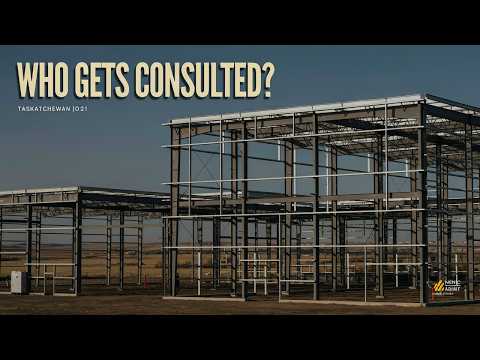
10月1日,里贾纳以南已有四座建筑的主体结构开始成形。它们属于贝尔加拿大最初规划的300兆瓦人工智能数据中心,而非仍在市政审查中的规模大得多的扩建项目。这个区别很重要:施工已经先于关于下一步该怎么做的争论展开。27
斯坦丁布法罗第一民族和卡里·凯特尔第一民族要求暂停开发,先解决环境方面的担忧和磋商诉求。贝尔计划将该园区公布的容量扩大至原来的四倍。如果贝尔、萨斯喀彻温省和加拿大政府不暂停项目并与他们会面,第一民族领导人已表示,诉诸法庭可能是下一步。截至2026年10月11日,现有报道既未证实已提起诉讼,也未证实已达成停工协议。2
这不仅仅是关于能否在不抽取地下水的情况下冷却计算机的争议。问题在于,当原住民族表示自己缺乏判断后果所需的证据和沟通机会时,如此大规模的开发是否应继续推进。
斯坦丁布法罗距项目地点约75公里,希望了解项目对土地、水、空气和野生动物的影响证据。该民族称这片土地是“未经割让的达科他传统领地”。卡里·凯特尔表示,区域水资源有限,且需要保护地下含水层;该民族还指称,贝尔和萨斯喀彻温省在未通知、未征得同意或未磋商的情况下推进了项目。这些是第一民族的立场,并非关于领土权利或法律义务遭违反的法院裁决。2 17
斯坦丁布法罗10月2日的信要求提供技术、环境和审批文件,以便自行开展独立评估。信件收件人为贝CE Inc.和贝尔加拿大总裁兼首席执行官米尔科·比比奇。该民族要求的是查阅项目背后的证据,而不是再听一次关于设计安全的保证。16 22
卡里·凯特尔10月5日的声明向贝尔和两级政府提出暂停要求,并设定了这一条件:
“在完成适当的环境评估,并依照条约与我们民族进行磋商、给予适当照顾之前。”
冷却系统保证实际回答了什么
萨斯喀彻温省10月发布的项目问答文件补充了更多细节:“持续冷却不使用市政供水。”密闭回路只需注入一次无需定期补充的技术流体。卫生间和厨房将通过供水主管供水,而非使用水井;用水需求据称相当于约130人的办公室。文件没有提供用水量的具体数值。14
这一点足以排除“开发项目完全不使用水”的说法。但重要的设计问题仍未得到解答:文件未说明所用技术流体、初次注入量,也未说明系统最终如何排出热量。接入供水主管本身并不能说明公用供水的最终来源。14
省政府还表示:“地下水将根据已公布的基线进行监测。”但现有文本没有说明采样地点、监测频率、阈值或必须采取的纠正措施。这是一项监测承诺,并非已完成的环境评估。对冷却系统的说明,也无法解决扩建园区施工、土地扰动、空气或野生动物方面的问题。14
四倍扩建计划,不是当前用电量
贝尔于2026年3月16日宣布最初的300兆瓦项目。公司9月14日公布的扩建计划提出新增最多900兆瓦容量,使园区全面建成后的总容量达到最多1,200兆瓦,即1.2吉瓦。这些是规划容量,并非经测量的用电量,也不能证明电力供应已落实。28 30
CTV 10月8日报道将1.2吉瓦称为扩建容量;贝尔注明日期的公告明确指出,这是包括最初300兆瓦在内的扩建后园区总容量。同样,Global News 10月11日的报道将扩建后的建筑计划并入了3月的公告。按日期发布的公司公告显示,最初项目于3月公布,扩建计划则于9月公布。4 1 28 30
建筑数量的说法则没那么清楚。Global News 10月8日报道称最多新增九栋建筑,随后在10月10日至11日有关扩建项目的报道中称最多可能有15栋建筑。新增建筑数量与整个园区的建筑总数是不同的统计口径,但目前没有确立足以厘清两者的详细计划。把正在施工的四座主体结构加上拟新增的九栋建筑,并不能解决问题:四座主体结构只是施工现状的一个时点记录,并非经核实的原址最终建筑数量。3 2 27
土地数字则较容易解释。据报道,895英亩的扩建地块与约160英亩的原址相邻,合计约1,055英亩,与CTV所称园区面积超过1,000英亩相符。但这一算术结果不能证明土地已完成购买、最终占地范围已测定,或建筑会覆盖每一英亩土地。3 5 11
购地安排仍附有条件;据报道,出售协议正在接受农地安全委员会审查。CBC指出,潜在卖方包括一名前镇长和现任副镇长。据报道他们拥有经济利益,并不构成不当行为的证据;个人交易条款、是否回避以及利益冲突披露情况均未得到证实。9 6
拟议的供电容量也不能证明发电厂已获批准。代理镇长雷·奥布10月9日表示,他不认为现场会建一座900兆瓦的发电厂。这是他的预期,而非最终的供电决定。13
审批仍有待完成
10月7日,谢伍德镇议员一致通过了扩建重分区提案的一读。二读和三读尚未进行。镇议会还一致批准召开公众会议并开展社区沟通;CTV称下一阶段将举行公开听证会,奥布表示,日期确定后会发布公告。截至10月11日,听证会日期尚未确定。推进申请不等于最终批准重分区。3 4
市政领导层此前已经发生变化。Global News报道,七名议员中有四人于前一年春季辞职,萨斯喀彻温省随后任命了代理议员,之后最初项目获得批准。各人辞职的具体日期和完整任命记录未能独立查证。无论这段历史对决策监督意味着什么,都不能把原址项目获批与扩建项目获批混为一谈。2
时间安排同样附有条件。贝尔3月的项目概述预计,原设施将于2027年初开始投入使用;CBC 3月的报道则称预计在年底前投入运营。这两个分阶段预期之间的确切关系尚未厘清。新增建筑可能在2027年开始施工,前提是找到客户;分阶段施工可能持续到2030年及以后,但这并非确定的完工日期。26 12 3 5
一项单独的联邦评估申请已见诸公开记录。一封要求根据《影响评估法》第9(1)条指定项目的信函称,最初的申请于5月4日提交给联邦评估机构,随后该机构于5月15日建议直接提交给部长。信中作者提出了地下水、鱼类栖息地、候鸟、原住民权利和气候方面的担忧。这只能证明有人请求审查,并不能证明项目已获指定评估或已有危害结论。21
作者表示,据其所知,尚未公开披露任何独立的省级或联邦评估。这个限定语很重要:这封信和第一民族的诉求都不能证明没有开展过环境工作。不过,现有报道仍未证实已有独立评估完成,也没有实质性的政府答复解决第一民族提出的诉求。反对党新民主党也呼吁暂停项目,但政治上的支持不会让施工停止。21 24
下一个市政层面的考验,是尚未确定日期的听证会和剩余的重分区表决。更重要的考验是,贝尔和各级政府是否会提供所要求的文件、与第一民族会面,并回应其评估诉求。密闭冷却回路或许能回答一个关于用水的问题,但无法回答:在一个已经开始成形的园区大幅扩建之前,谁有权审查相关证据。
本报道所依据的来源
CBC:拟议购地 6。SaskToday:公众审查阶段 7。CTV:预期中的重分区表决 8。Leader-Post:附带条件的土地出售 9。CJME:场地规划 10。Connect CRE:相邻地块 11。CBC:最初项目 12。CJME:关于发电厂的评论 13。萨斯喀彻温省:项目问答 14。Mugglehead:扩建与分区 15。
播出原貌 29 行
- Two First Nations demand Bell halt an AI campus that's already taking shape.
- Construction is underway on the original site, and Bell proposes expanding its planned capacity fourfold. The Nations want environmental evidence and consultation before development goes further.
- Will Bell and the governments address those requests before the campus grows?
- Standing Buffalo First Nation is about 75 kilometres from the site, south of Regina in Sherwood. The Nation describes the land as unceded traditional Dakota territory. Carry the Kettle First Nation says limited regional water supplies and an underlying aquifer need protection.
- Standing Buffalo wants evidence about effects on land, water, air and wildlife. Its October 2 letter requested technical, environmental and approval documents so the Nation could carry out its own independent assessment.
- Standing Buffalo addressed that request to Bell president and chief executive Mirko Bibic. The Nation wants access to the information behind the project's design and approvals, so it can judge the consequences for itself.
- Carry the Kettle says Bell and Saskatchewan moved ahead without notice, consent or consultation. Its October 5 statement asks Bell and both governments to pause development until an environmental assessment is complete and Treaty-based consultation and accommodation take place.
- The provincial opposition New Democrats have also called for a pause. First Nations leaders say they may go to court if Canada, Saskatchewan and Bell don't pause the project and meet with them.
- Bell's original plan called for 300 megawatts. The expansion adds up to 900 megawatts, bringing the proposed total to 1,200 megawatts, or 1.2 gigawatts. That's four times the original announced capacity, at full buildout.
- Bell announced the original project on March 16, 2026, and the expansion on September 14. The enlarged plan came six months after the initial announcement. Bell is describing future capacity; the campus is still being built.
- Saskatchewan's October 1 construction update said four building shells were taking shape at the original 300-megawatt site. That work was underway while the separate expansion proposal was still moving through municipal review.
- The expansion proposal allows up to nine additional buildings. The enlarged project is also reportedly planned for as many as 15 buildings. How those counts fit together is still unclear; four shells under construction don't settle the final campus count.
- The planned buildings would spread across an area compared to eight average-sized golf courses. That comparison conveys scale. The land proposal gives a more concrete measure of how far Bell wants the campus to reach.
- The original site covers approximately 160 acres of agricultural land. Bell's conditional purchase arrangements cover another 895 acres beside it. Together, that's approximately 1,055 acres of proposed holdings, with the sale still conditional.
- The conditional sale agreement is under Farm Land Security Board review. Potential sellers include a former reeve and the current deputy reeve. Their financial interest in the proposed sale carries no finding of wrongdoing. The combined acreage also leaves the eventual developed footprint to be determined.
- Bell says its sealed, closed-loop cooling system won't draw water from or discharge water to the aquifer. It says the coolant lasts more than a decade before replacement. Saskatchewan describes a one-time technical-fluid fill that doesn't need regular refills.
- Those assurances address water moving into and out of the cooling system. The Nations are also asking about construction, land disturbance, air and wildlife across a much larger campus. Bell's cooling explanation alone can't resolve those broader requests.
- The province says washrooms and kitchens would receive water through a watermain rather than wells. It describes demand as comparable to an office of about 130 people. That domestic supply is separate from the technical fluid circulating through the cooling loop.
- Saskatchewan promises to monitor groundwater against published baselines, measurements used to track changes. The province hasn't spelled out how monitoring would trigger corrective action. Standing Buffalo wants the underlying technical and environmental documents to support its own assessment.
- A separate writer has already asked for federal review under the Impact Assessment Act. The request raised groundwater and fish-habitat concerns, migratory birds, Indigenous rights and climate effects. Those are concerns the writer wants examined.
- The writer submitted an initial request to the federal assessment agency on May 4. On May 15, the agency advised sending the request directly to the minister, with copies to the agency. A federal assessment decision hasn't been announced.
- The writer said they knew of no publicly disclosed independent provincial or federal assessment. The Nations are seeking independent environmental evidence, and no completed assessment has been presented to resolve their demands.
- Sherwood councillors unanimously passed first reading of the expansion rezoning on October 7. Second and third readings still have to happen. Council also approved public meetings and community engagement, and the proposal is moving toward a public hearing.
- Interim reeve Ray Orb says the hearing will be advertised once scheduled. On October 9, he also said he didn't expect a 900-megawatt power plant at the site. His expectation leaves the final power-supply decision open.
- Four of Sherwood's seven council members reportedly quit the previous spring, and Saskatchewan appointed interim councillors. The original project was approved after those appointments. Approval and construction on that original site came before the expansion's unfinished rezoning process.
- Other opponents at the municipal stage raised electricity use, psychological impacts and inadequate public consultation. They also sought environmental review and First Nations consultation. The construction schedule depends on more than council votes.
- Bell expects the original facility to begin coming online in early 2027. Additional-building phases could start in 2027 as Bell secures customers. Staged expansion could continue through 2030 and beyond, so the proposed schedule remains conditional.
- Operations were also expected by the end of 2027. Those expectations describe a phased opening; Bell hasn't supplied a single confirmed completion date for the enlarged campus.
- Bell's aquifer assurance hasn't resolved the Nations' requests for documents, consultation and environmental assessment. Bell and the governments haven't announced an agreed construction pause or a resolution of those requests. The public hearing still has no announced date, and First Nations leaders have identified court action as their possible next step.
来源
36 个来源22 家媒体5 个视频
cbc.ca4
- Bell Canada plans to purchase 895 acres to expand AI data centre outside Regina | CBC News
- Bell Canada to begin construction on Canada's largest AI data centre near Regina this spring | CBC News
- These 2 First Nations are pushing back against Sask. AI data centre
- Bell AI data centre expansion raises questions over power, water and local impact | CBC News
Government of Saskatchewansaskatchewan.ca3
Prime Minister of Canadagc.ca2
- Dear Minister, I am writing to formally request that the proposed Bell Canada AI Data Centre in the Rural Municipality of Sherwood, Saskatchewan, be designated for federal impact assessment pursuant to Section 9(1) of the Impact Assessment Act, SC 2019, c 28, s 1 (“IAA”). On May 4, 2026, I submitted a formal designation request to the Impact Assessment Agency of Canada (“IAAC”). On May 15, 2026, the Prairie and Northern Region of IAAC advised that designation requests must be submitted directly to the Minister with copies provided to IAAC. This correspondence constitutes that formal request. The proposed project is a 300-megawatt, 90K-square-foot industrial AI data centre to be constructed on approximately 160 acres of agricultural land in the RM of Sherwood, Saskatchewan. This will allegedly be the largest AI data centre development in Canada. Living within a 9 km radius of this massive structure, and researching the impacts other similar data centres have had in their communities, this project raises substantial concerns within federal jurisdiction, including potential impacts on fish habitat and groundwater systems, migratory birds, Indigenous rights and consultation obligations, and Canada’s climate commitments. To my knowledge, there has been no independent provincial or federal environmental assessment has been publicly disclosed, despite the scale and significance of the development. I’m not sure how a proper environmental assessment could have possibly been done in the 21 days from announcement to approval of the project. Further, construction equipment was onsight and the digging began April 21, 2026. The pre-testing activities were commenced on site prior to approval, including assessments related to piling depth and aquifer penetration? The RM of Sherwood map shows that there are pipelines running through the property and the Enbridge Alberta Clipper is close by. That’s intrinsically safe with all the heavy duty equipment there?
- Bell AI Fabric Data Centre Project - Canada.ca
SaskToday.casasktoday.ca2
620 CKRM - The Voice of Saskatchewan | Harvard Media620ckrm.com1
Canada News Mediacanadanewsmedia.ca1
Connect CRE Canadaconnectcre.ca1
CTVNewsctvnews.ca1
Eagle Feather Newseaglefeathernews.com1
leaderpost.com1
Muggleheadmugglehead.com1
sec.gov1
The News92thenews92.com1
Yahoo Newsyahoo.com1
来源地图
追溯本篇报道的依据。图谱展示其关联;下方链接可打开本文引用的来源。
来源图谱将在您阅读时加载。
译文更新于
修订记录
- r1首次发布。