国际 · 俄罗斯柴油
特朗普以价值不足美国一天需求量的柴油为由,要求乌克兰更换总统
据报道,华盛顿将情报共享与停止袭击炼油厂挂钩。柴油许可证确实存在;柴油交付、燃料降价以及俄罗斯对等克制均未得到证实。
原语言视频
文字实录 · 正在加载
译自英文原文。
新闻追踪第 6 天
1 篇报道229 家媒体363 个来源34 个视频
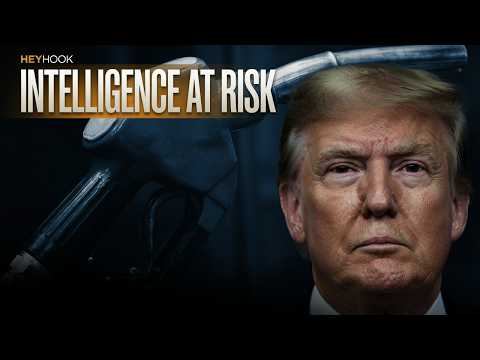
30万吨柴油听起来像一批救援物资。换算成约220万至225万桶,相当于美国更广义的柴油和馏分油每日消费量的约一半至三分之二——前提是每一桶都留在美国。这就是唐纳德·特朗普承诺的首批俄罗斯供应的规模。他如今施压要求乌克兰付出的政治代价则大得多:停止袭击俄罗斯炼油厂,并换一位总统。32 18 107 108
2026年10月10日,在宣布与弗拉基米尔·普京达成柴油安排的次日,特朗普呼吁乌克兰更换弗拉基米尔·泽连斯基。据报道,华盛顿还威胁称,如果乌克兰继续袭击炼油厂,将限制情报共享。截至10月11日06:57 UTC的报道截稿时,尚未确认情报共享限制已实施,也未确认柴油已交付。与此同时,欧洲正准备追加制裁,而不是效仿华盛顿放宽限制。11 5 312 9
我认为,乌克兰该换一位新总统了
特朗普指责泽连斯基错过结束战争的机会,并称自己曾警告他不要袭击炼油厂,认为相关破坏可能因柴油短缺而损害美国农民和牧场主的利益。这些言论不能证实私人警告的日期或具体内容,也不能证实乌克兰原本可以接受的和解方案。他声称如果自己担任总统,战争绝不会爆发;这是一种反事实说法,并非能够免除俄罗斯入侵责任的解释。17 10
特朗普还声称,双方已有超过200万人死亡,乌克兰失去了本国30%的领土。这里没有证据证实这两个数字:报道没有提供伤亡统计方法或领土计算的分母。不能仅仅因为总统说过,就把这些数字当作公认的统计结果。4
美国前驻乌克兰大使小威廉·泰勒提出了关键的纠正意见:乌克兰人决定自己的领导人。乌克兰驻澳大利亚大使瓦西尔·米罗什尼琴科表示,战争期间并未讨论选举,因为存在安全和合法性方面的担忧。8月的报道指出,戒严期间选举受到禁止;泽连斯基是否愿意举行投票,则取决于盟友能否提供安全保障。这并未确立10月的法律时间表。特朗普的要求并不等于乌克兰宣布举行选举。2 8 343 358 359
总统争论背后的威胁
与更换领导人的要求相比,情报共享条件带来的军事后果更为直接。《基辅邮报》报道,史蒂夫·威特科夫和贾里德·库什纳在迈阿密警告乌克兰谈判代表,如果继续袭击炼油厂,可能会限制情报共享。ITV在10月10日的报道则更为明确地描述了美国的立场:除非袭击停止,否则不提供情报。两种说法对严重程度的描述不同,但都不能证明援助实际上已经撤回。312 5
基辅的立场并非无条件拒绝限制能源打击。米罗什尼琴科表示,乌克兰代表团提出,如果俄罗斯停止袭击乌克兰能源基础设施,乌克兰就停止袭击俄罗斯石油炼油厂。泽连斯基也曾提出相互克制。目前尚未确认俄罗斯接受了这一提议,也未确认双方已落实能源停火。一名美国官员称,基辅无视了约六次停止袭击的请求;这描述的是要求暂停,并不能证明乌克兰拒绝了双方商定的停火。8 75 74
乌克兰、美国和欧洲谈判代表于10月9日在迈阿密会谈了六个小时。泽连斯基抱怨说,谈判被用作幌子。MS NOW报道了泽连斯基的说法:没有美国代表提及柴油协议;《基辅独立报》较新的报道则称,威特科夫和库什纳告诉代表团,制裁放宽即将到来。具体的通知顺序仍未厘清。被告知一项决定,不等于参与谈判或同意该决定。19 30 314
许可证真实存在,燃料缓解效果尚未证实
10月2日,HeyDay News报道了七国集团承诺在四个月内协调释放1亿桶战略储备,并在前20天内大幅提前供应柴油。这项承诺计入了此前的释放量;它并不意味着所有燃料都已到位。特朗普如今开辟了另一条供应路线,即从俄罗斯获得供应,同时施压乌克兰保护生产这些燃料所需的基础设施。
法律变化的范围比全面解除俄罗斯能源制裁要窄。美国财政部海外资产控制办公室于10月9日发布第135号一般许可证,授权符合条件的俄罗斯原产柴油销售、交付、卸货和进口(包括进口至美国),这些行为原本受《美国联邦法规》第31编第587和589部分禁止。许可证有效期至2027年4月7日美国东部夏令时间凌晨12:01,即04:01 UTC。10月9日是许可证签发日,并非油轮装载的截止日期。41 42
该许可证不授权从美国金融机构中俄罗斯中央银行、国家财富基金或财政部持有的账户扣款。它也不会改变欧洲或澳大利亚的限制。贸易许可确实存在;但尚未确认具体买家、已付款的合同、目的港或燃料供应消费者的时间安排。克里姆林宫确认已准备好供应石油产品,但未独立重申特朗普所说的具体数量。41 33 36 25
特朗普10月9日宣布,承诺立即供应30多万吨、11月供应50万吨、紧接着立即供应100万吨,并在较短时间内额外供应300万吨,具体取决于炼油厂状况。合计超过480万吨。美国广播公司新闻10月10日的报道提到分阶段供应180万吨;英国广播公司当天晚间的报道则包括额外的、有条件的300万吨。较小的总量只计算了最初三项取整后的配额,没有涵盖完整的宣布内容。77 15 11
俄罗斯副总理亚历山大·诺瓦克称,100万吨的配额安排在12月,并预测出口最终可能接近每月300万吨。这一潜在月度供应速度不同于特朗普所说的单笔额外配额。诺瓦克还表示,俄罗斯正提前开始放宽出口限制。无论是预测还是放宽限制,都不能证明存在可供出口的剩余供应。7 16 133
供应受限的说法可信,但其规模需要谨慎表述。国际能源署6月发布的评估数据显示,俄罗斯炼油厂日加工量为380万桶,较一年前下降约30%;柴油产量则估计比2025年水平低近30%。这些是产量数据,并不能证明正如ITV所述,有30–40%的炼油设施遭到摧毁。它们也不是10月可交付燃料库存的统计数据。219 5
特朗普承诺油价将“以前所未有的幅度,而且迅速”下降。美国汽车协会公布的全国柴油平均价格在10月9日和10日均四舍五入为每加仑6.28美元;这些数据无法证明这项安排带来了任何节省。一名接受SBS采访的分析师预测,若有燃料交付,每加仑价格可能下降5–15美分,最快也要六个月后。这是预测,不是已经观察到的缓解效果。77 203 23
特朗普将柴油问题归咎于乌克兰袭击炼油厂;泰勒则归咎于美国2月对伊朗发动的袭击。报道提及中东战争、霍尔木兹海峡周边的运输中断、俄罗斯出口限制以及炼油厂受损。这些因素各自的影响尚未量化。农民和卡车司机面临的真实困境,并不能使特朗普对责任的划分成为已证实的事实。2 27
欧洲选择施压,而非妥协
这场争论发生之际,俄罗斯的袭击仍在继续。在10月10日关于扎波罗热的报道中,我们报道了当晚的伤亡数字:20人死亡,其中包括3名儿童。《卫报》10月10日的报道采用了这一数字;第四频道此前报道17人死亡,ITV稍后的节目仍报道至少17人死亡。这些是不断变化的伤亡情况记录,不能视为彼此竞争、需要相加的总数。泽连斯基称,五枚滑翔炸弹击中了住宅楼。他将袭击描述为俄罗斯对制裁放宽的“感谢”,这是政治解读;时间上的先后并不能证明因果关系。1 18 5
欧盟外交政策负责人卡娅·卡拉斯表示:“暂停对俄罗斯柴油的制裁,将为莫斯科提供更多用于发动战争的收入。”预计欧洲各国部长将于10月12日在卢森堡考虑新增制裁对象。《卫报》10月10日的报道称有1,600个对象;德国之声当天晚间的报道称超过1,600个。初步草案报告列出1,571个对象。最终数量及是否通过仍待确定。自2023年2月起生效的欧盟柴油进口禁令仍然有效。11 1 9 330
反对声也跨越了美国党派界线。民主党人谴责这项安排,共和党人唐·培根和迈克尔·麦考尔也对此表示批评。特朗普于9月18日签署《林赛·O·格雷厄姆制裁俄罗斯和伊朗法案》,比授权出台早了三周。政策上的矛盾显而易见,但法律上的解决方式尚不明确。尚未确认具体援引了哪项法定豁免,也没有法院裁定该许可证违法。13 349 230
未知
- 目前尚未确认柴油已完成交付、消费者长期省钱、情报共享限制已实施,或双方达成对等能源停火。
后续
- 10月12日将迎来下一个有日期的考验:欧洲是否通过拟议制裁,以及华盛顿是否落实、修改或放弃据报道提出的情报共享条件。
目前,双方的不平衡显而易见。莫斯科已获得一条经授权的柴油收入渠道,但尚无证据显示俄罗斯作出了对等承诺,停止袭击乌克兰能源系统。美国人得到的是供应承诺,而不是已确认的廉价燃料。乌克兰则面临压力,被要求在任何一方的利益得到证实之前放弃一项筹码。
播出原貌 42 行
- On October 2, we reported a G7 reserve release. Now Trump demands Ukraine replace its president.
- Washington is reportedly threatening intelligence restrictions unless Ukraine stops striking Russian refineries. Ukraine relies on American weapons and satellite intelligence, while Trump promises Russian diesel will bring fuel prices down.
- Will Washington withdraw intelligence support over attacks Ukraine says it will continue?
- G7 leaders had committed to releasing 100 million barrels over four months, with diesel frontloaded within the first 20 days. That commitment accounted for earlier releases. Trump has now opened another supply route through Russia.
- Trump said, “I think it's time for Ukraine to get a new president.” He blamed Volodymyr Zelenskyy for failing to make peace and demanded an end to attacks on Russian refineries.
- Trump said Zelenskyy had passed up opportunities to settle the war. He also claimed the invasion wouldn't have happened under his presidency. Those assertions leave Russia's responsibility for launching its invasion unchanged.
- He claimed more than two million people had died and Ukraine had lost 30 percent of its country. He gave no basis for those figures, and they haven't been substantiated.
- Former US ambassador William Taylor Jr. said Ukrainians choose their leader. He predicted Trump's demand could strengthen Zelenskyy's popularity. Ukraine's ambassador to Australia, Vasyl Myroshnychenko, said wartime security and legitimacy concerns kept elections off the agenda.
- Zelenskyy previously said a vote would need security guarantees from American and European allies. Trump hasn't announced any Ukrainian election. His demand is adding pressure to a relationship Ukraine depends on for its defense.
- American envoys reportedly warned Ukraine that continued refinery strikes could cost it intelligence support. Kyiv wants Russia to stop attacking Ukrainian energy infrastructure in return. Russia hasn't accepted that offer, and no intelligence suspension has been confirmed.
- Steve Witkoff and Jared Kushner reportedly delivered the warning to Ukrainian negotiators in Miami. Descriptions range from possible restrictions to a complete cutoff. Ukraine says its refinery attacks will continue despite that risk.
- Negotiators from Ukraine, America and Europe met in Miami for six hours on October 9. A US official said Kyiv had ignored about half a dozen requests to stop refinery attacks. Ukraine insists any pause must be mutual.
- Zelenskyy said the diesel decision blindsided his delegation and accused Washington of using negotiations as a front. One account said American participants hadn't raised the deal. A newer account says Witkoff and Kushner warned the delegation that sanctions relief was coming.
- The timing of that notification is still unclear. Zelenskyy's complaint could concern whether the decision was mentioned or whether Ukraine had any chance to negotiate it.
- Treasury issued its diesel license on October 9. It permits qualifying sales, deliveries and imports of Russian-origin diesel, including imports into America. The authorization runs until April 7, 2027.
- Other Russian sanctions remain in place. The license still excludes debits to American accounts held by Russia's central bank, National Wealth Fund and finance ministry. European and Australian restrictions also continue.
- Trump promised fuel after speaking with Vladimir Putin, and the Kremlin confirmed readiness to supply petroleum products. By early October 11, no completed delivery had been confirmed. The promised fuel is intended for American and global markets.
- Trump promised more than 300,000 tons immediately, then 500,000 tons in November. He pledged another one million tons afterward, followed by an additional three million tons, dependent on the condition of Russia's refineries.
- The complete promise adds up to more than 4.8 million tons. A widely repeated 1.8 million total counts only the first three rounded allocations. The additional three million depends on refinery conditions.
- Russian deputy prime minister Alexander Novak placed the one-million-ton shipment in December. He also projected exports could eventually approach three million tons a month. That projection goes beyond Trump's single additional allocation.
- Novak said Russia was beginning to ease export restrictions early, before their planned end-of-October expiry. He said supplies could start in October and Russian consumers wouldn't face shortages. Those assurances don't measure how much export fuel Russia actually has available.
- Three hundred thousand tons equal about 2.2 to 2.25 million barrels. America uses about three to four million barrels of diesel and related fuels daily. Even if America kept the entire first allocation, it'd cover roughly half to two-thirds of a day.
- Former US ambassador to NATO Kurt Volker said the October allocation was too small to materially affect prices. Sanctions campaigner Bill Browder argued that pressuring Ukraine to stop refinery attacks could weaken its leverage over Russia.
- Browder estimated the full proposed supply would add about one percent of US demand. Another industry estimate put the initial allocation at seven percent of a supply gap. Their comparison periods and gap calculations weren't supplied, so those percentages measure different things.
- Russia's refineries processed 3.8 million barrels daily in June, their lowest rate in more than 20 years. Throughput was about 30 percent below a year earlier. Diesel output was nearly 30 percent lower, and gasoline output about 20 percent lower.
- Those are dated production measurements. They describe reduced output, while Russia's ability to supply October exports depends on current refinery operations and domestic needs. A refinery analyst called the proposed production increase ambitious because infrastructure is under attack and export capacity is limited.
- American diesel averaged about six dollars and 53 cents at its September record. It rounded to six dollars and 28 cents on both October 9 and October 10. Farmers, ranchers and truckers still face those costs.
- Trump promised prices would fall quickly and blamed Ukrainian refinery attacks for diesel problems. Taylor instead blamed America's February attack on Iran. The Middle East war and disruption around the Strait of Hormuz also constrain supplies, alongside Russian export restrictions and refinery damage.
- One analyst forecast possible savings of five to 15 cents a gallon, no sooner than six months, if deliveries happen. Fuel must still move through shipping, inventories and distribution before it reaches consumers.
- Trump signed a new Russia and Iran sanctions law on September 18, three weeks before opening the diesel trade. Its sanctions and tariff measures aimed to increase pressure on Moscow. The fuel decision has drawn opposition from both parties.
- Democratic senators Jeanne Shaheen, Chuck Schumer and Elizabeth Warren called it a betrayal of Ukraine, European allies and American national security. Richard Blumenthal called it an embarrassment. Republicans Don Bacon and Michael McCaul also criticized the agreement.
- Zelenskyy said, “Gifts to Putin will not bring peace.” He argues Russian fuel revenue could buy military equipment and prolong the war. Russian envoy Kirill Dmitriev welcomed the energy cooperation.
- Zelenskyy said five Russian glide bombs struck residential buildings in Zaporizhzhia on October 10. Ukrainian officials put the evening death toll at 20, including three children. Earlier tallies were lower, and the count could still change.
- Some later broadcasts still carried the earlier count of 17. Zelenskyy linked the bombing to the sanctions relief, calling it Russia's thanks. The attack followed the decision, but that timing doesn't show the license caused it.
- Kyiv suffered large-scale power outages and a daytime ballistic-missile attack. American-made Patriot interceptors reportedly brought down missiles heading toward the capital. Ukraine's continuing defense needs give the intelligence warning an immediate wartime stake.
- A fire burned at the Rostovski oil terminal in Rostov-on-Don. The terminal exports petroleum products and supplies Russian military fuel. A Ukrainian drone attack reportedly caused the blaze, although its cause hasn't been confirmed.
- EU foreign-policy chief Kaja Kallas said suspending diesel sanctions gives Moscow more revenue to wage war. She said Europe wouldn't ease pressure. The EU's ban on Russian diesel imports has been in force since February 2023.
- The proposed European additions number around 1,600, many linked to Russia's military-industrial complex. Descriptions range from 1,600 to more than 1,600. A preliminary draft contained 1,571 entries. Ministers still have to approve the final list.
- Germany reaffirmed its sanctions policy. Finland's prime minister Petteri Orpo called the diesel agreement a major disappointment. Downing Street said Andy Burnham reiterated British support and tougher sanctions in a call with Zelenskyy.
- Australia is maintaining restrictions on Russian fuel. Anthony Albanese and Zelenskyy signed their long-term support agreement in New York on September 24. Myroshnychenko also described a 60-million-dollar assistance package covering military, humanitarian and energy needs.
- Washington's intelligence condition remains a reported threat as of early October 11. Ukraine continues to demand reciprocal protection for its energy systems. The diesel authorization has opened trade, while deliveries and lasting consumer savings still await confirmation.
- European ministers are expected to consider sanctions in Luxembourg on October 12. America's next inflation release is scheduled for October 14, the last before the midterms. The Russian diesel authorization expires on April 7, 2027.
来源
363 个来源229 家媒体34 个视频11 篇通稿
X (formerly Twitter)x.com15
- 首次报道于
- Trump on Truth Social: I have just concluded a highly successful discussion with President Vladimir Putin, of Russia, wherein it was agreed that Russia will immediately supply over 300,000 Tons of Diesel Fuel to the American and Global Marketplace, another 500,000 Tons during the month of November, and 1,000,000 Tons immediately thereafter. Additionally, based on the condition of their Diesel Refineries, Russia will then deliver, within a short period of time, 3,000,000 Tons of Diesel Fuel. Between our TOTAL CONTROL of the Strait of Hormuz, and this great announcement on Russian Energy, Diesel Prices for Americans and, indeed, the World, will be COMING DOWN, IN RECORD NUMBERS, AND FAST! Lower prices for Americans, especially our Great Farmers, Ranchers, and Truckers, is my Greatest Priority. This is a very big and important announcement. Additionally, it must be understood, that Iran will not have a Nuclear Weapon!
- 🇺🇸🇺🇦 President Volodymyr Zelenskyy just called Trump’s diesel deal with Putin an investment in the war. Trump says Friday’s call lets Russia release 300,000 tons of diesel now, 500,000 in November, and another million after that. Treasury issued a temporary license. Zelensky’s reply: "easing sanctions without a real de-escalation deal is obvious weakness. Gifts to Putin will not bring peace. Russia will repay the diesel with more terror." He also stated Ukraine will stop hitting Russian refineries if Russia stops destroying Ukraine’s energy system.
- ⛽ GAS AND DIESEL BOTH MOVE LOWER AGAIN AAA’s October 8, 2026 national averages show regular gasoline at $4.3612 per gallon and diesel at $6.2847. Yesterday, regular was $4.3667 and diesel was $6.3015. AAA Fuel Prices That means regular fell about 0.6 cents, while diesel dropped about 1.7 cents overnight. Diesel is also now more than 24 cents below its September 22 record high of $6.5276. AAA Fuel Prices Source: AAA Fuel Prices #GasPrices #Diesel #Economy #FuelPrices | The Dupree Report
- In 2020, Presidents Putin and Trump jointly stabilized oil prices and markets. Today, they continue their work. The diesel supply agreement showcases the power of economic cooperation between Russia and the US and its benefits to people and the world. Cooperation will prevail.
- BREAKING: New York Harbor wholesale diesel fell approximately 4.5% following the diesel supply agreement between Presidents Putin and Trump. The power of working together to stabilize markets and benefit the people. 🇷🇺🤝🇺🇸
- Historic. 🇷🇺🤝🇺🇸
- Kirill, everyone is obsessing over the diesel. That’s precisely why they’re missing the bigger story. 36 million barrels are the headline. Putin’s leverage over Washington is the story. For years, Washington has lectured the world about sanctions, maximum pressure on Moscow and American energy dominance. Now Russian energy is back in the equation, and Washington has a direct interest in keeping those barrels flowing. Let that contradiction sink in. Putin doesn’t need to outshout Trump, compete with every American oil producer or win a press conference. He needs Russian supply to matter when American economic and political interests are under pressure. The real flex isn’t selling diesel to America. It’s making the self-proclaimed energy superpower confront the limits of its own leverage. So stop looking at the fuel, Kirill. Focus at the strategic calculation. The diesel is what changes hands. The leverage is what matters. And the question is what Putin intends to extract ...
- 🇺🇸 🤝 🇷🇺 = 💪
- PUTIN'S ENVOY DMITRIEV ON X: RUSSIA-US COOPERATION ON DIESEL AND ENERGY WILL BENEFIT THE WORLD
- 🇺🇸✨️🇷🇺 🐇
- Миру завдяки слабкості ніколи не буває. Сьогодні в Києві були представники Конгресу США – двопартійна делегація, і я вдячний їм за візит в Україну в такий складний час. Вони запитали: «Що потрібно, щоб закінчити війну?» Відповідь має бути сильною. Мають бути санкції за законом Ліндсі Грема, має бути підтримка для України у захисті життя, і має бути тиск на Росію за війну. І сьогодні була розмова лідерів Америки та Росії. Розмова, яка веде до іншого. Нещодавно було європейське рішення про зняття санкцій з російських олігархів. Після нього росі...
- Not going to happen Diesel refining is down 30% in Russia https://www.iea.org/commentaries/russian-refining-sector-struggles-amid-intensifying-ukrainian-attacks
- And the Russian sanctions from 2022?
- Today, at President Trump’s direction, the U.S. Treasury’s OFAC issued an immediate temporary general license authorizing the supply of Russian diesel to the global market through April 7, 2027.
- ⭕️ Russia’s diesel exports collapse under Ukraine’s aerial campaign ➤ In normal conditions Russia exported roughly 800,000–900,000 barrels per day of diesel and gasoil, around 15–17% of the roughly 5–5.5 million b/d global seaborne market, according to Kpler data. ➤ By August, Kpler shows Russian net exports had fallen to around 100,000 b/d, roughly 2% of global seaborne trade. ➤ Combined net gasoil/diesel exports from Russia, Saudi Arabia, the UAE and other Middle East producers fell from about 2.2 million b/d in January to under 500,000 b/d by August, per Kpler. Global seaborne diesel exports were running around 4.5 million b/d, roughly 1 million below the 2022–25 norm. ➤ Ukraine struck Russian refineries at least 21 times in August alone, the most in any month of the war, Bloomberg reported. Russian refining averaged about 3.8 million b/d, near its lowest level in more than two decades, versus a normal summer 5.3–5.5 million b/d. ➤ Moscow has banned di...
congress.gov14
- www.congress.gov
- Actions - H.R.5334 - 119th Congress (2025-2026): Lindsey O. Graham Sanctioning Russia and Iran Act of 2026 | Congress.gov | Library of Congress
- Committees - H.R.5334 - 119th Congress (2025-2026): Lindsey O. Graham Sanctioning Russia and Iran Act of 2026 | Congress.gov | Library of Congress
- One Hundred Nineteenth Congress
- Text - H.R.5334 - 119th Congress (2025-2026): Lindsey O. Graham Sanctioning Russia and Iran Act of 2026 | Congress.gov | Library of Congress
- H.R.5334 - 119th Congress (2025-2026): Lindsey O. Graham Sanctioning Russia and Iran Act of 2026 | Congress.gov | Library of Congress
- H.R.5334 - 119th Congress (2025-2026): Lindsey O. Graham Sanctioning Russia and Iran Act of 2026 | Congress.gov | Library of Congress
- Text - H.R.5334 - 119th Congress (2025-2026): Lindsey O. Graham Sanctioning Russia and Iran Act of 2026 | Congress.gov | Library of Congress
- All Info - H.R.5334 - 119th Congress (2025-2026): Lindsey O. Graham Sanctioning Russia and Iran Act of 2026 | Congress.gov | Library of Congress
- Titles - H.R.5334 - 119th Congress (2025-2026): Lindsey O. Graham Sanctioning Russia and Iran Act of 2026 | Congress.gov | Library of Congress
- Text - H.R.5334 - 119th Congress (2025-2026): Lindsey O. Graham Sanctioning Russia and Iran Act of 2026 | Congress.gov | Library of Congress
- Text - S.4668 - 119th Congress (2025-2026): Protect College Sports Act of 2026 | Congress.gov | Library of Congress
- Text - H.R.1 - 119th Congress (2025-2026): An act to provide for reconciliation pursuant to title II of H. Con. Res. 14. | Congress.gov | Library of Congress
- www.congress.gov
reuters.com12
- Trump says Russia to supply diesel to US and global markets | Reuters
- Trump says US to import Russian diesel, reversing pressure on Moscow | Bradenton Herald
- Trump says Russia to immediately supply 300,000 tons of diesel fuel
- Zelenskiy says letting Russia sell diesel to US is 'investment in war' | Reuters
- IEA further cuts Russian oil output forecasts on Ukrainian attacks | Reuters
- Ukrainian attacks push Russian oil output 10% below target in May, IEA says | Reuters
- Russia extends diesel export ban until end of October | Reuters
- Russia set to extend diesel export ban until end of October, Vedomosti reports | Reuters
- EXCLUSIVE: Half of Russia's top diesel-producing refineries cut back output after drone strikes | Reuters
- Russia's western oil exports hit record in June due to refinery outages, sources say | Reuters
- Russia will consider partial lifting of diesel export ban in case of overproduction, Novak says | Reuters
- Can Ukraine hold elections while at war? | Reuters
GovInfogovinfo.gov7
- Public Law 119 - 111 - Lindsey O. Graham Sanctioning Russia and Iran Act of 2026 - PLAW-119publ111 | Related Documents
- H.R. 5334 (EAS) - Lindsey O. Graham Sanctioning Russia and Iran Act of 2026 - BILLS-119hr5334eas | Content Details
- www.govinfo.gov
- www.govinfo.gov
- H.R. 5334 (ENR) - An Act To impose sanctions and other measures with respect to the Russian Federation, as championed by the late Senator Lindsey O. Graham, and for other purposes. - BILLS-119hr5334enr | Content Details
- www.govinfo.gov
- govinfo.gov
OilPrice.comoilprice.com7
- 首次报道于
- Why Record Crude Output Can’t Solve America’s Diesel Crisis
- Russia Extends Diesel Export Ban Through Oct. 31
- Russia Extends Diesel Export Ban Through October
- Russia’s Diesel Exports Crash to Multiyear-Low amid Tight Global Market
- Russia, Germany Add Diesel Supply as Fuel Market Scrambles for Barrels
- Drone Strikes Cripple Half of Russia's Top Diesel Refineries
- IEA Cuts Russia's Oil Production Forecast Due to Ukrainian Attacks
Bloomberg.combloomberg.com6
- 首次报道于
- US Sees Diesel Stocks Falling to 2003 Low Ahead of Peak Demand - Bloomberg
- Russia Lifts Diesel Export Ban After Trump-Putin Agreement Allows 500,000 Tons - Bloomberg
- Russia’s Oil-Export Boom Undercut by Payouts, Diesel Sales Ban - Bloomberg
- Russia Extends Diesel-Export Ban as Global Supply Squeezed - Bloomberg
- Russia Set to Extend Diesel Export Ban as Ukraine Attacks Refineries Persist - Bloomberg
- Russia's Oil Exports Near-Record Pace as Ukraine's Drones Target its Refineries - Bloomberg
BBC Newsbbc.com53 个视频
- 首次报道于
- Trump and Russia diesel deal: Ukraine President Zelensky kick against move, call am 'gift to Putin' - BBC News Pidgin
- 'Time for Ukraine to get new president,' says Trump after Zelensky condemns diesel deal
- Trump says it’s “time for Ukraine to get new President” as Zelensky condemns diesel deal · 视频
- Russian glide bomb attack on Zaporizhzhia kills at least 15 people · 视频
- Donald Trump does deal with Russia to release diesel to global market · 视频
The Kyiv Independentkyivindependent.com5
- 首次报道于
- Russia partially lifts ban on diesel exports after Trump-Putin deal
- 'Will only lead to more slaughter' — bipartisan backlash erupts in US over Trump-Russia diesel deal
- 'He better damn well stop' — Trump slams Zelensky for attacking Russian refineries, says Ukraine should get 'new president'
- Fedorov broke Ukraine's wartime election taboo. What happens next?
- Putin shouldn't decide when Ukraine votes — but political ambition shouldn't either
Sky News44 个视频
- 首次报道于
- Trump blames Zelenskyy for rise in fuel costs ahead of midterm elections · 视频
- Trump says Ukraine should 'get a new leader' as Zelenskyy slams US diesel deal with Putin · 视频
- Shock as Trump announces deal that will see Russia supply the US with diesel · 视频
- Bill Browder 'appalled on so many levels' over diesel deal between US and Russia' · 视频
CBS Newscbsnews.com31 个视频
- 首次报道于
- Trump says Ukraine needs a new president, blames Zelenskyy's strikes on Russian refineries for high diesel prices - CBS New York
- Trump announces Russia will release millions of tons of diesel to help with skyrocketing costs - CBS Chicago
- Ukraine's Zelenskyy pushes back against Trump's Russian diesel deal · 视频
Clarity UPSCclarityupsc.com3
Federal Registerfederalregister.gov3
intellinews.com3
- 首次报道于
- bne IntelliNews - Trump's Russian diesel deal splits Washington from Kyiv as he calls for a new Ukrainian president
- bne IntelliNews - Trump strikes Russian diesel deal with Putin as Zelenskiy says Ukraine's negotiators were used as a "smokescreen"
- bne IntelliNews - Russian refining down to record lows, LNG exports to Europe at record highs
Meduzameduza.io3
- 首次报道于
- ‘We’re being used as a front,’ Zelensky says of Trump’s diesel deal with Putin
- Trump says he reached a deal with Putin to supply Russian diesel to U.S. and global markets, breaking with years of American sanctions policy
- Trump signs Washington’s long-awaited ‘sanctions from hell’ law against Russia. It gives him 30 days to act and broad authority to suspend the restrictions.
ABC News (Australia)22 个视频
Channel 4 Newschannel4.com21 个视频
Crypto Briefingcryptobriefing.com2
DW News22 个视频
Energy Intelligenceenergyintel.com2
markitdigital.com2
SmarTradethompsonhinesmartrade.com2最先
The Straits Timesstraitstimes.com2
ucsb.edu2
- Executive Order 14066—Prohibiting Certain Imports and New Investments With Respect to Continued Russian Federation Efforts To Undermine the Sovereignty and Territorial Integrity of Ukraine | The American Presidency Project
- Congressional Bill H.R. 5334 Signed into Law | The American Presidency Project
World Energy Newsworldenergynews.com2
aaa.com1
AAFamericanactionforum.org1
adsrvr.org1
Al Jazeeraaljazeera.com1
Anadoluaa.com.tr1
anewsanews.com.tr1
Archdiocese of Maltachurch.mt1
Associated Press11 个视频
Australian Financial Reviewafr.com1
Baltic Security Monitorosint-baltic.com1
Báo Công Giáo và Sự Thậtcgvst.com1
Big Country Newsbigcountrynewsconnection.com1
Big News Network.combignewsnetwork.com1
blaisdellcenter.com1
Bloomberg Television11 个视频
- 首次报道于
- Trump Says Putin to Supply US With Diesel · 视频
Bracewell LLPbracewell.com1
brunel.ac.uk1
Business Todaybusinesstoday.in1
C-SPAN11 个视频
- 首次报道于
- Trump thanks Putin for oil deal · 视频
Carscoopscarscoops.com1
CBC News11 个视频
CDL Transportation Groupcdltransportationgroup.com1
Civic Intelligencecivicintelligence.news1
Clash Reportclashreport.com1
CTOL Digital Solutionsctol.digital1
CubaHeadlinescubaheadlines.com1
Davis Polkdavispolk.com1
Devdiscoursedevdiscourse.com1
Diplomacy and Lawdiplomacyandlaw.com1
Discovery Alertdiscoveryalert.com1
edmlife.com1
exportcompliancedaily.com1
Foreign Policyforeignpolicy.com1
Fortunefortune.com1
Fox News11 个视频
FRANCE 24 English11 个视频
Gasolyticsgasolytics.com1
glatkistan.com1
Global Sanctions and Export Controls Blogbakermckenzie.com1
Ground Newsground.news1
gulfnews.com1
HuffPosthuffpost.com1
Hydrocarbons and Geothermal Energy Officegovdelivery.com1
IFC Marketsifcmarkets.hk1
India Todayindiatoday.in1
InfoBuz.roinfobuz.ro1
Information Overloadin4mationoverld.com1
International Business Times, Singapore Editionibtimes.sg1
internationaltradetoday.com1
Investing.com 香港investing.com1
ITV News11 个视频
Karmactivekarmactive.com1
KSE Institutekse.ua1
Kursiv.mediakursiv.media1
LBClbc.co.uk1
LegalClaritylegalclarity.org1
livecharts.co.uk1
MacroMicromacromicro.me1
Marist Premier Catholic College Prep Coed Chicagomarist.net1
MarketScreenermarketscreener.com1
Mezhamezha.net1
MPR Newsmprnews.org1
MS NOW11 个视频
nationthailandnationthailand.com1
NavilinkGlobalnavilinkglobal.com1
NBC News11 个视频
NewKerala.comnewkerala.com1
Newsquawknewsquawk.com1
Nikkei Asianikkei.com1
Outlook Indiaoutlookindia.com1
Paul, Weisspaulweiss.com1
PBS NewsHour11 个视频
- 首次报道于
- PBS News Hour full episode, Oct. 9, 2026 · 视频
Pelosi Trackerpelositracker.app1
PIER20pier20.com1
POLITICOpolitico.eu1
PS Newspsnews.com.au1
Raw Storyrawstory.com1
RBC-Ukrainerbc.ua1
Rediffrediff.com1
Reuters11 个视频
- 首次报道于
- Trump calls for new leadership in Ukraine · 视频
RT Balkanrt.rs1
Russia Heraldrussiaherald.com1
Sanctions Law Centersanctionslawcenter.com1
SBS News11 个视频
SBS World Newssbs.co.kr1
Senator Jon Hustedsenate.gov1
Ship & Bunkershipandbunker.com1
SquawkNewssquawknews.com1
substack.com1
Sullivan and Cromwell LLCsullcrom.com1
The Australian Newstheaustraliannews.com.au1
The Globe and Mailtheglobeandmail.com1
The Hans Indiathehansindia.com1
The Hayridethehayride.com1
The Herald Businessheraldcorp.com1
The Inner Circle Ledgerinnercircleledger.com1
The Jerusalem Post | JPost.comjpost.com1
The Korea Timeskoreatimes.co.kr1
The Moscow Timesthemoscowtimes.com1
The Statesmanthestatesman.com1
The Vault Reportthevaultreport.com1
theaa.com1
thefederalregister.org1
TheGlobalEconomy.comtheglobaleconomy.com1
TIMEtime.com1
tovima.com1
Trade Finance Globaltradefinanceglobal.com1
tradingeconomics.com1
Transport Topicsttnews.com1
TrenBuzztrenbuzz.com1
Trend & Tickertrendandticker.com1
trump.fm1
Trump’s Truthtrumpstruth.org1
tvpworld.com1
ukrinform.net1
UkrMedia Newsukrmedia.news1
US Gas Gaugeusgasgauge.com1
USA TODAYusatoday.com1
WatchfulEyewatchfuleye.us1
Yorkshire Liveexaminerlive.co.uk1
Газета Дейкомdaycom.com.ua1
Надмитов, Иванов и Партнёрыnplaw.ru1
Радио Свободаsvoboda.org1
РИА Новостиria.ru1
- 首次报道于
- ria.ru
Российская газетаrg.ru1
Українські Новиниukranews.com1
来源地图
追溯本篇报道的依据。图谱展示其关联;下方链接可打开本文引用的来源。
来源图谱将在您阅读时加载。
译文更新于
修订记录
- r1首次发布。